Brichard's Catfish: Synodontis brichardi
A distinct Synodontis from the Congo rapids. Flattened body shape for fast water.
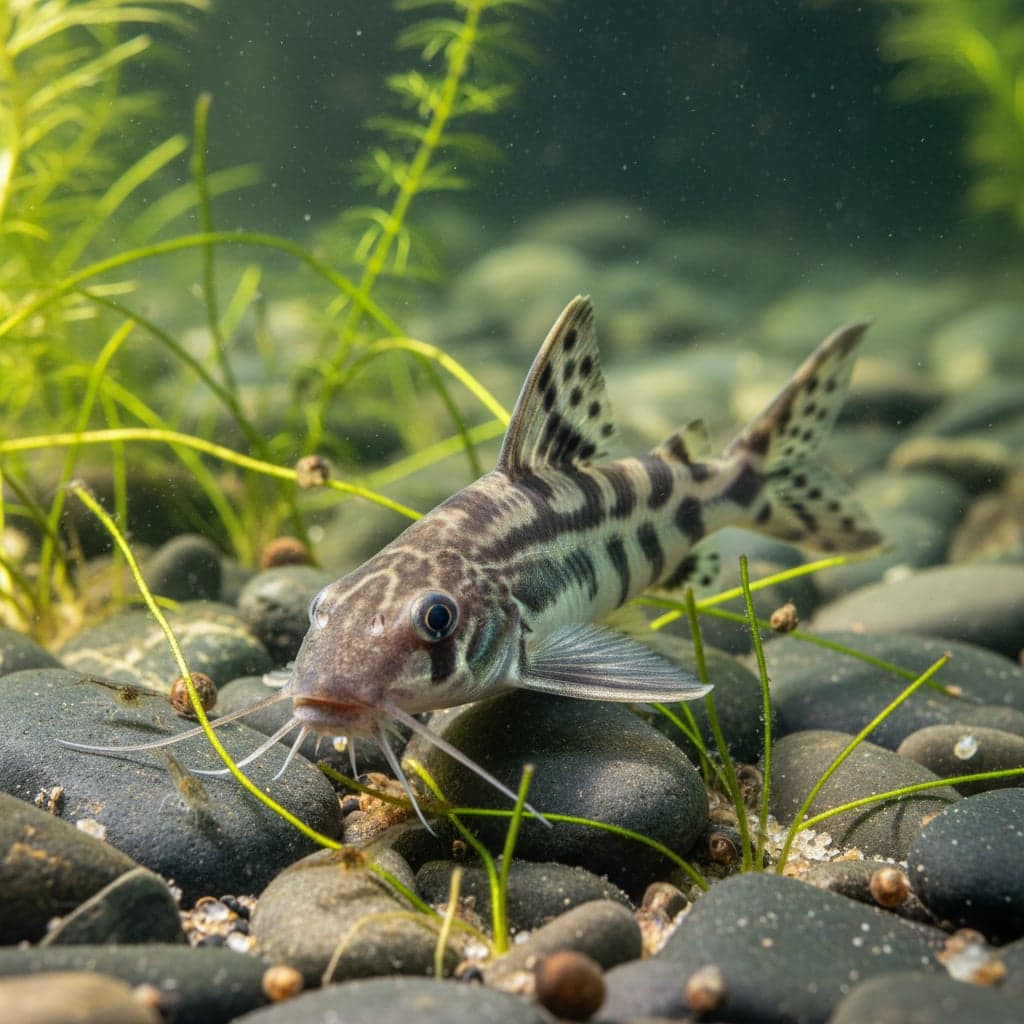
Brichard's Catfish
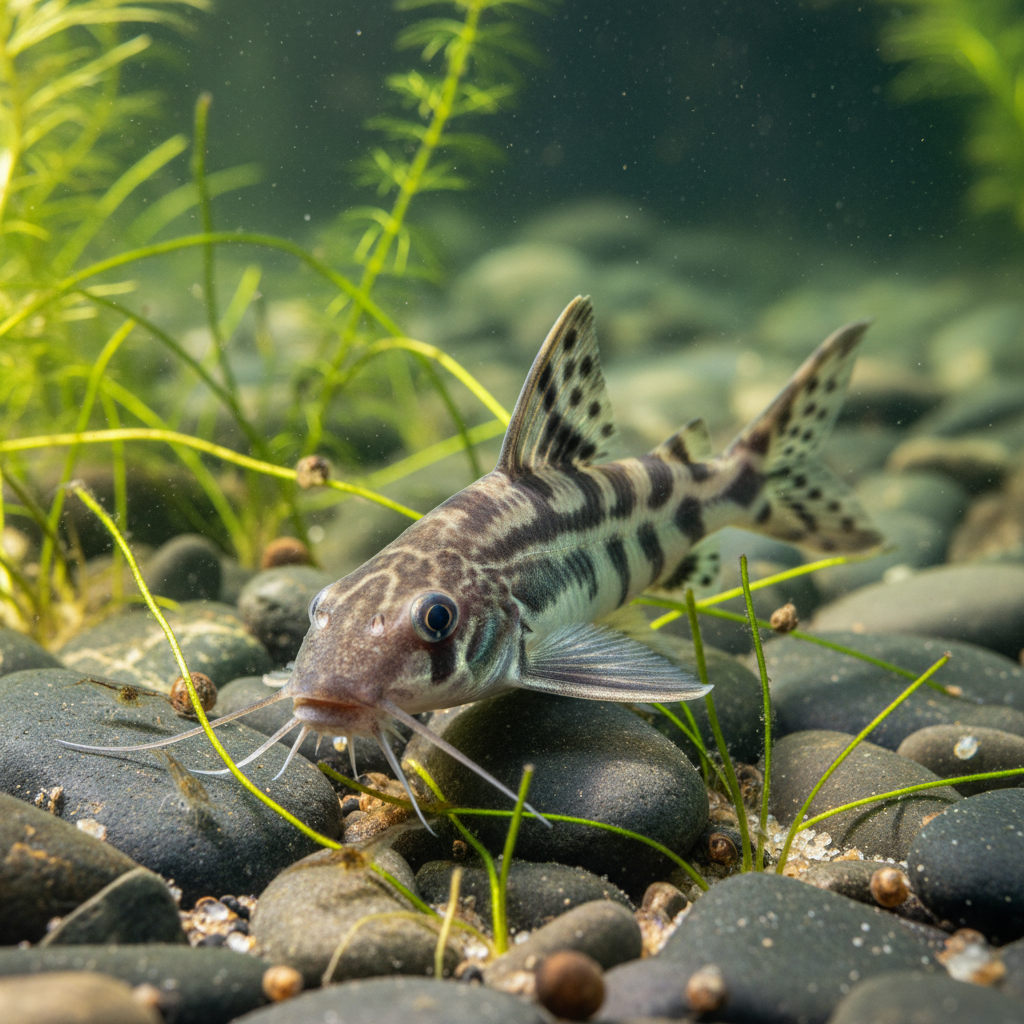
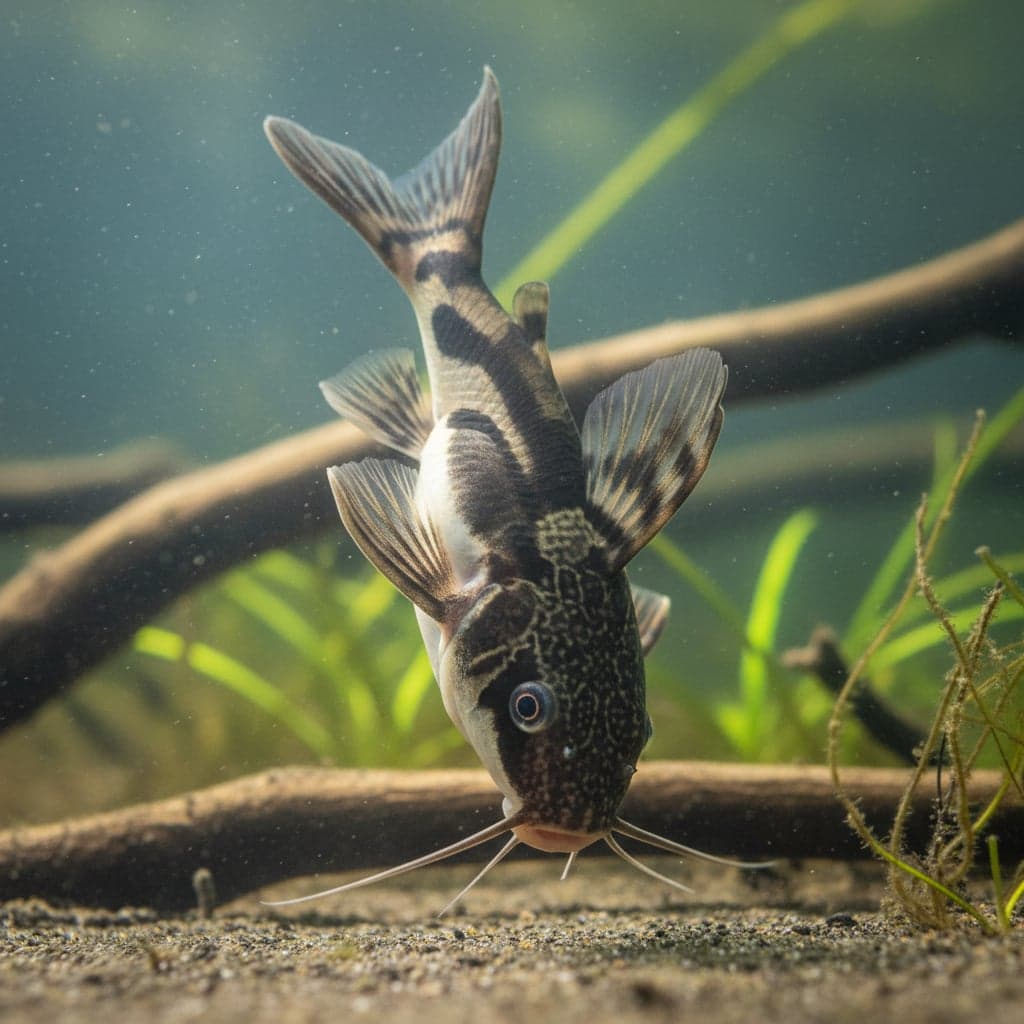
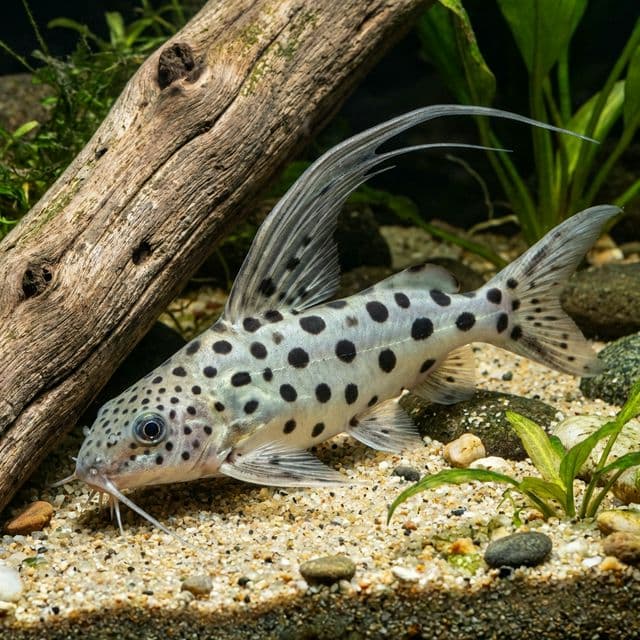
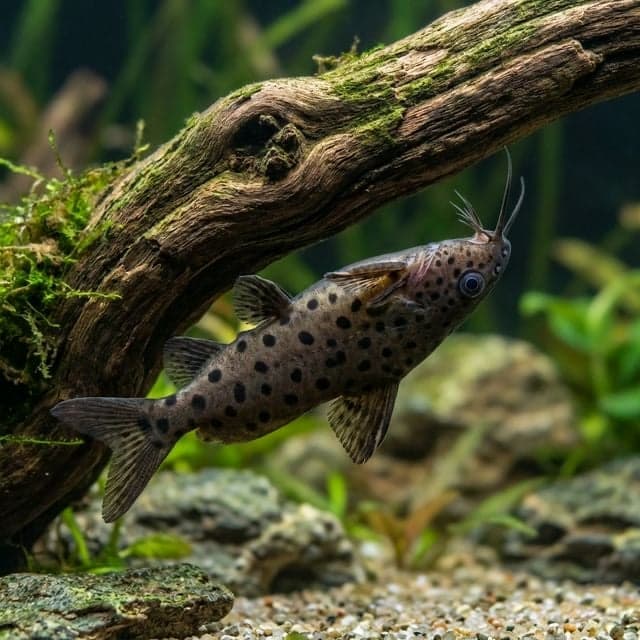
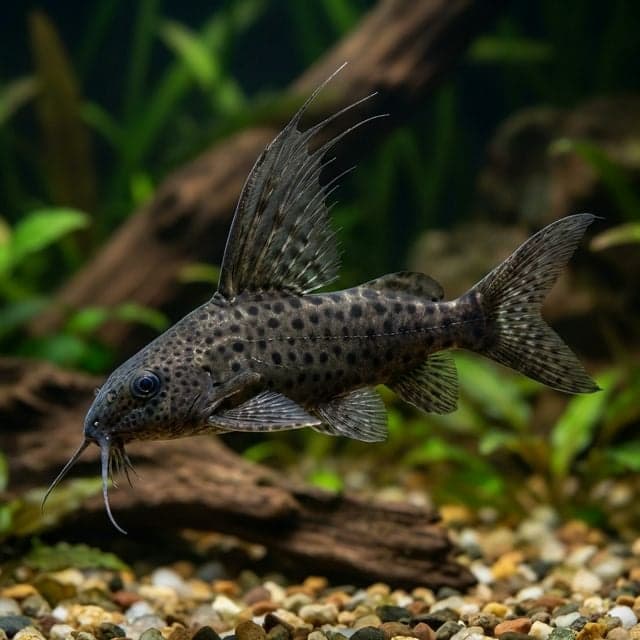
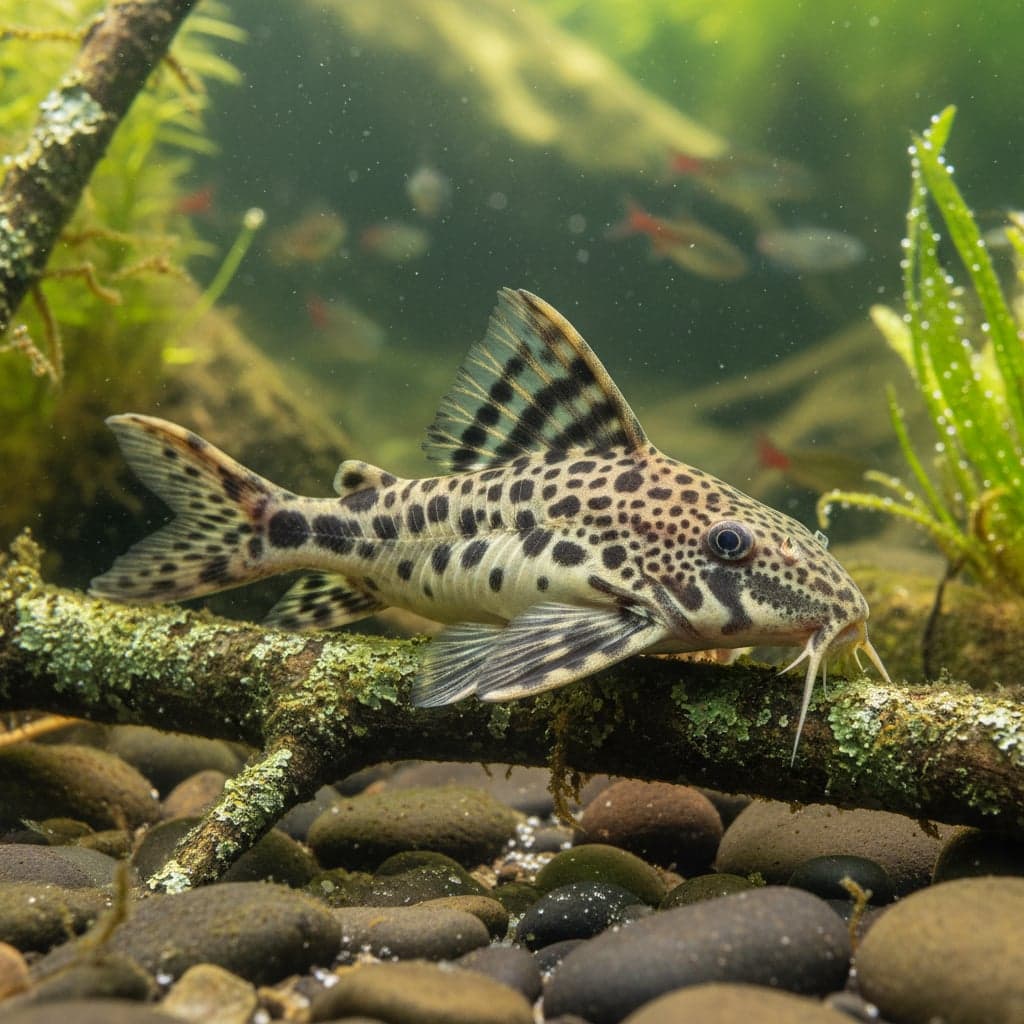
Brichard's Catfish, scientifically known as Synodontis brichardi, is a striking freshwater species that originates from Africa's Lake Tanganyika. This captivating catfish is renowned for its distinctive appearance, featuring a robust body adorned with a pattern of striking spots that vary from gray to brown. These patterns not only serve as camouflage among the rocky substrates of its natural habitat but also enhance the visual appeal of aquariums, attracting hobbyists who seek to create vibrant, lively underwater landscapes. Apart from its aesthetic qualities, Brichard's Catfish holds significant value in the aquarium hobby for its unique behaviors, such as its remarkable swimming styles and engaging social interactions.
In the aquarium context, Brichard's Catfish is celebrated for its peaceful demeanor and intriguing antics, making it a favorite among both novice and experienced aquarists. Its ability to thrive in various community setups with diverse species adds to its allure. Brichard's Catfish also plays a vital role in the ecology of its habitat, contributing to the detritivore cycle by consuming detritus and algae, which helps maintain the cleanliness and health of the aquatic environment. As such, its care in captivity is both rewarding and crucial for those looking to maintain a balanced and diverse ecosystem in their home aquariums.
Natural Habitat & Origin
Brichard's Catfish is native to Lake Tanganyika, one of the largest and oldest lakes in the world, situated between four countries: Burundi, the Democratic Republic of the Congo, Tanzania, and Zambia. The lake is well-known for its unique biodiversity, being home to numerous endemic species. The waters of Lake Tanganyika are characterized as clear, alkaline, and rich in minerals, which provide an ideal environment for Brichard's Catfish and other cichlids that inhabit the lake. The specific areas within the lake where Brichard's Catfish thrives typically feature rocky substrates coupled with a variety of caves and crevices, essential for providing shelter and breeding sites.
The ecological conditions of Brichard's Catfish's natural habitat also include a typical temperature range of 23-28°C (73-82°F) and a pH level between 7.8 and 9.0. While the waters of the lake are not considered blackwater, they carry a considerable amount of dissolved minerals, resulting in a relatively hard water environment. As such, replicating these parameters in a home aquarium is crucial for the health and well-being of these fish, ensuring they feel secure and thrive in a setting reminiscent of their natural surroundings.
Care Requirements
To maintain a healthy environment for Brichard's Catfish, specific water parameters are crucial. The ideal pH range should be between 7.8 and 9.0, with a temperature spanning from 23 to 28 degrees Celsius (73 to 82 degrees Fahrenheit). The hardness levels should be kept moderately high, ideally around 10-20 dGH, to replicate its natural habitat in Lake Tanganyika. A well-filtered aquarium with good water circulation is essential, as Brichard's Catfish thrives in clean and well-oxygenated waters.
For tank setup, a minimum aquarium size of 75 gallons is recommended to provide sufficient swimming space, as these fish can grow up to 6 inches. The substrate should consist of smooth gravel or sand to avoid injury, complemented by plenty of hiding spots created with rocks, caves, and driftwood. Adequate lighting is essential, but it should mimic natural conditions—moderate to low light works best, as this mimics the dappled sunlight that filters through the waters of Lake Tanganyika. Incorporating plants (preferably hardy species) along the edges can also enhance the aesthetic appeal and provide additional shelter.
Diet & Feeding
Brichard's Catfish are classified as omnivores, and their diet in the wild consists mainly of detritus, algae, and small invertebrates. In captivity, it is crucial to offer a varied diet to ensure their health and vibrancy. High-quality sinking pellets specifically designed for catfish are excellent staples. Additionally, supplementing their diet with flakes, live or frozen foods such as brine shrimp, daphnia, and bloodworms can greatly enhance their nutritional intake and mimic their natural feeding behavior.
It is advisable to feed Brichard's Catfish small portions once or twice a day, ensuring that all food is consumed within a few minutes to prevent water quality issues. While they are opportunistic feeders and will engage in algae grazing, providing high-quality nutrient-dense foods is essential to keep them healthy and thriving in a community tank.
Behavior & Temperament
Brichard's Catfish are generally peaceful but can display territorial behaviors, especially during breeding. They exhibit a social demeanor, often forming small groups, and are best kept in schools of at least five individuals to allow for natural social interactions. These catfish tend to occupy the lower and mid-levels of the aquarium, frequently retreating to their hiding spots amongst rocks and driftwood, making them less visible during the day yet active during dusk and dawn.
While not aggressive, Brichard's Catfish may occasionally display dominance over other bottom dwellers, especially if they feel threatened or if the tank space is limited. Therefore, providing ample hiding spaces and room for swimming is crucial for maintaining harmony in mixed-species setups. Their playful antics and inquisitive nature make them exciting to observe, contributing to the overall dynamism of the aquarium environment.
Tank Mates
When selecting tank mates for Brichard's Catfish, it is vital to choose species that share similar water parameter needs and temperament. Suitable companions include various cichlid species that inhabit Lake Tanganyika, such as the Neolamprologus species, along with other peaceful tank mates like dwarf cichlids, tetras, and larger barbs. Avoid keeping them with overly aggressive species or fish with long, delicate fins, as these could be seen as threats or food.
Incompatible species include smaller aggressive cichlids or other bottom-dwelling fish that may compete for space and resources. Additionally, avoid housing them with fin-nippers and overly timid fish that might simply get stressed in the same environment.
Breeding
Breeding Brichard's Catfish in captivity can be challenging yet rewarding. They practice mouthbrooding, where the female carries eggs—after laying them in a hidden location, such as a rock crevice—within her mouth until they hatch. To encourage breeding, it is essential to provide a spawning environment that mimics their natural habitat, including a breeding cave that offers privacy and security. Maintaining optimal water parameters (pH around 8.0 and stable temperature) can also foster successful spawning conditions.
While Brichard's Catfish can breed year-round, providing a varied and nutritious diet during this phase can increase the chances of successful spawning. Once the fry are hatched, they can be released and will require powdered foods or infusoria until they grow large enough to accept bigger feeds.
Common Health Issues
Brichard's Catfish are relatively hardy but can be prone to certain health issues, particularly if not maintained in optimal water conditions. Common diseases include ich (Ichthyophthirius multifiliis), especially when temperature or water quality fluctuates, and fin rot due to poor water conditions.