Broken-Line Tetra: Hemigrammus ulreyi
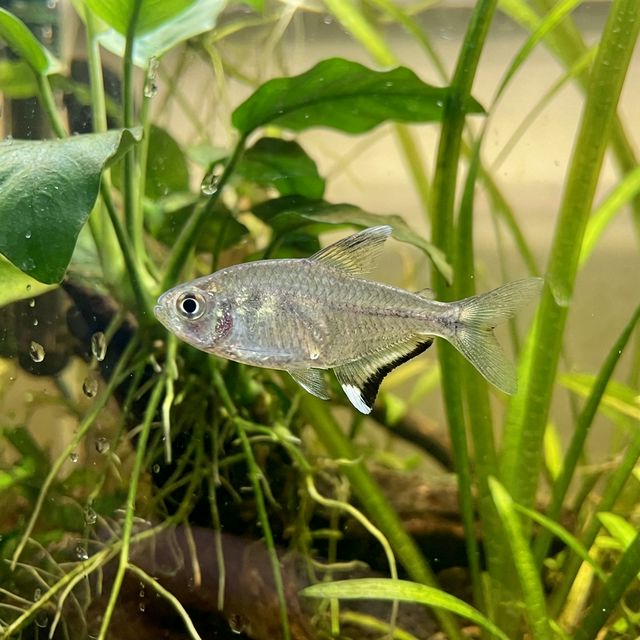
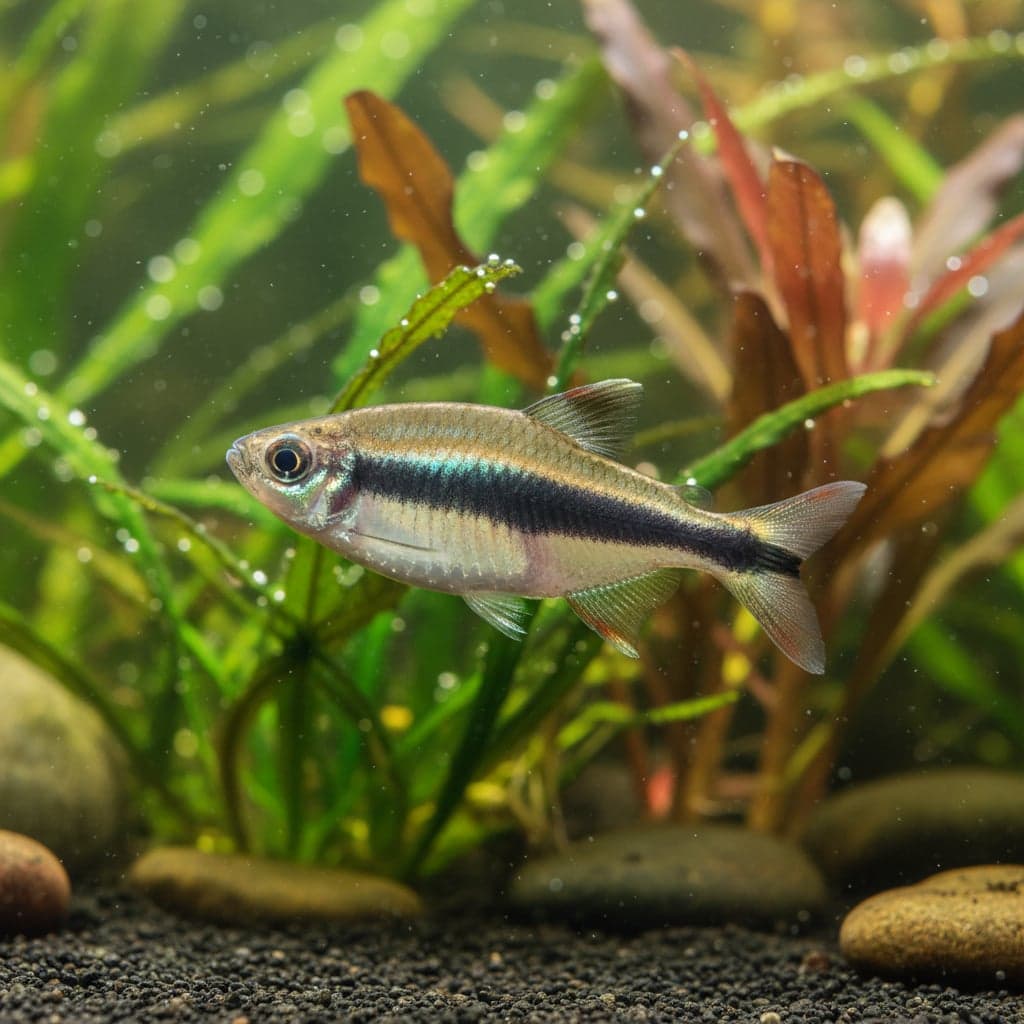
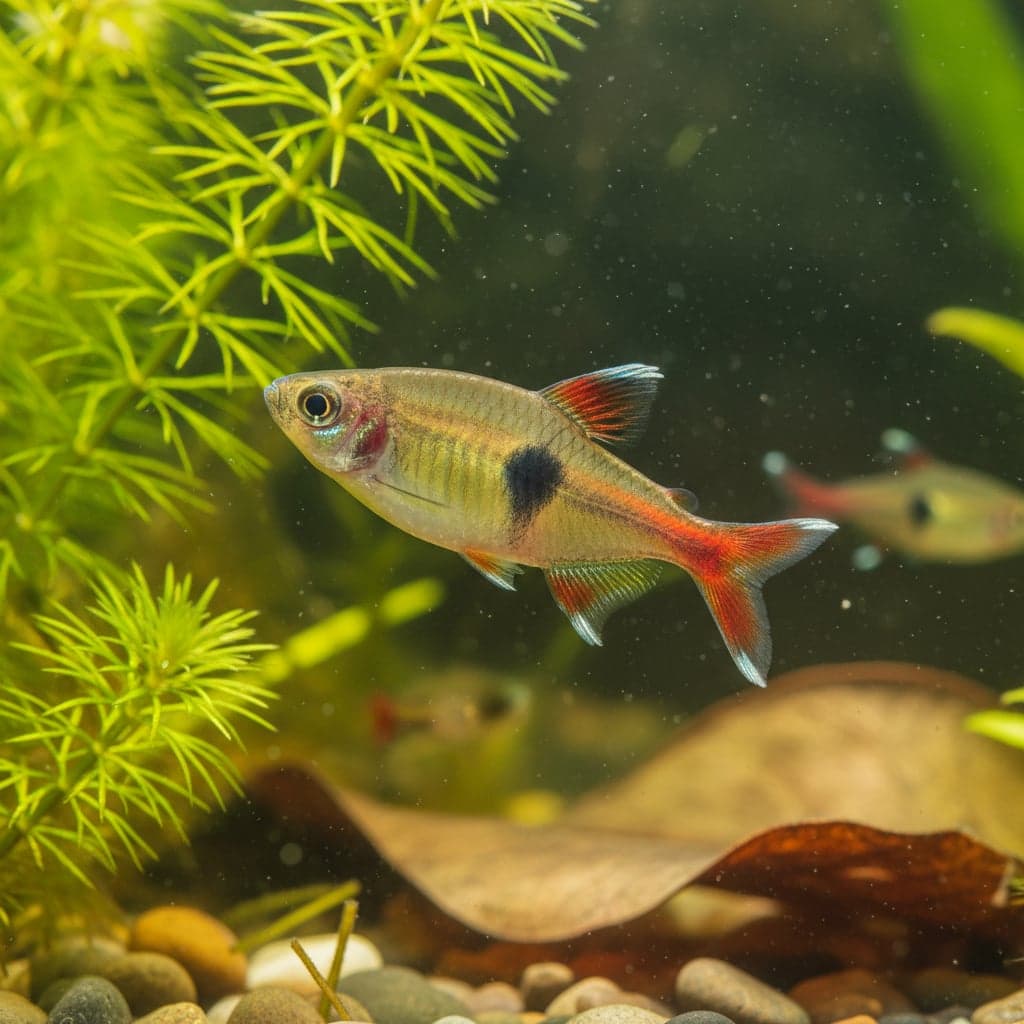
Also called the Ulrey's Tetra. Pretty tetra with a black, yellow, and white lateral stripe.

Broken-Line Tetra
The Broken-Line Tetra (Hemigrammus ulreyi) is a captivating freshwater fish primarily found in the vibrant waters of South America. This species is celebrated for its vivid coloration and distinctive physical traits, which contribute to its popularity among aquarium enthusiasts. Sporting a striking broken line pattern along its body, the Broken-Line Tetra exhibits hues ranging from shimmering silvers to alluring coppers and greens, making it a stunning visual centerpiece in any aquarium setup. Its slight, elongated shape allows for graceful swimming, adding both movement and charm to a well-planned tank.
Not only is the Broken-Line Tetra an appealing addition to aquariums, but it also plays a vital role in the aquarium hobby due to its ease of care and sociable nature. Typically schooling in groups of six or more, these tetras create a lively display that enchants both new and experienced aquarists alike. Their adaptability to varying tank conditions and compatibility with numerous other species make them an excellent choice for community tanks. Moreover, they contribute to the overall ecosystem balance within an aquarium, making them a significant and beneficial species for hobbyists to incorporate.
Natural Habitat & Origin
The Broken-Line Tetra is endemic to the slow-moving rivers and streams of the Amazon Basin, specifically in regions across countries such as Brazil and Peru. These environments are characterized by blackwater ecosystems, where acidic conditions prevail, often rich in decaying organic matter and tannins that impart a tea-like coloration to the water. The natural habitat of the Broken-Line Tetra includes densely vegetated regions, where they can find refuge amidst floating and submerged plants. This habitat fosters a plethora of insect life, integral to the fish's diet and survival, thus highlighting the importance of replicating such conditions in captive environments.
Understanding the environmental context of the Broken-Line Tetra is crucial for creating an ideal habitat in aquariums. In their native waters, the tetras cohabitate with various species of fish and invertebrates, enriching the biodiversity. Offering these fish a similar environment with soft, acidic water, plentiful plants, and structured hiding spaces will not only mimic their natural habitat but also promote their health and behavior in captivity.
Care Requirements
When caring for the Broken-Line Tetra, specific water parameters must be maintained to ensure their health and well-being. Ideal water conditions include a pH range of 5.5 to 7.5, a temperature between 22°C to 28°C (72°F to 82°F), and soft to moderately hard water (3-15 dGH). These parameters foster a suitable environment, encouraging natural behaviors and vibrant colors.
Setting up the aquarium for Broken-Line Tetras requires a minimum tank size of 20 gallons to accommodate a small school and provide ample swimming space. A substrate of fine gravel or sand is recommended, along with plenty of live plants such as Amazon swords, Java ferns, and floating plants to create a shaded, secure atmosphere. Lighting should be moderate to dim, accentuated by the use of driftwood or rocks that mimic their natural habitat, while also providing hiding spots to encourage comfort and reduce stress.
Diet & Feeding
As omnivores, Broken-Line Tetras thrive on a diverse diet that includes both plant and animal matter. In captivity, they readily accept a variety of foods, making feeding relatively straightforward. High-quality flake or pellet foods form the staple of their diet, supplemented with frozen or live foods such as brine shrimp, daphnia, or bloodworms to enhance color and vitality. A balanced diet will support their health, growth, and reproductive success. Feeding them 2-3 times a day in small portions ensures they receive adequate nutrition without overpolluting their environment.
Behavior & Temperament
The Broken-Line Tetra exhibits peaceful and social behavior, making them ideal community fish. They prefer to be kept in schools of at least six or more individuals, as group dynamics help reduce stress and encourage their natural tendencies to swim in unison. While they are generally non-aggressive, they may become shy or retreat to hiding places if kept alone or in insufficient numbers. In terms of tank placement, the Broken-Line Tetra typically occupies the mid to upper levels of the aquarium, showcasing their elegant swimming style while exploring the surroundings.
Tank Mates
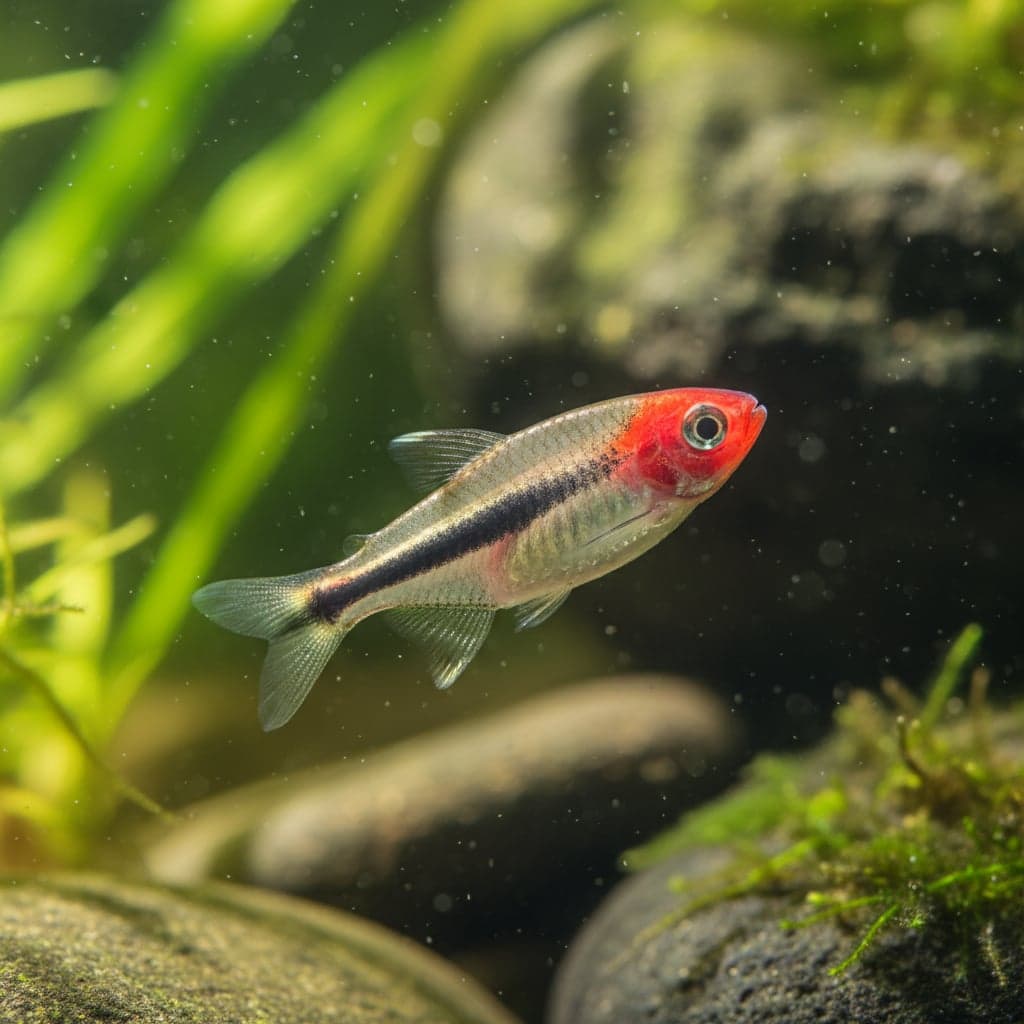
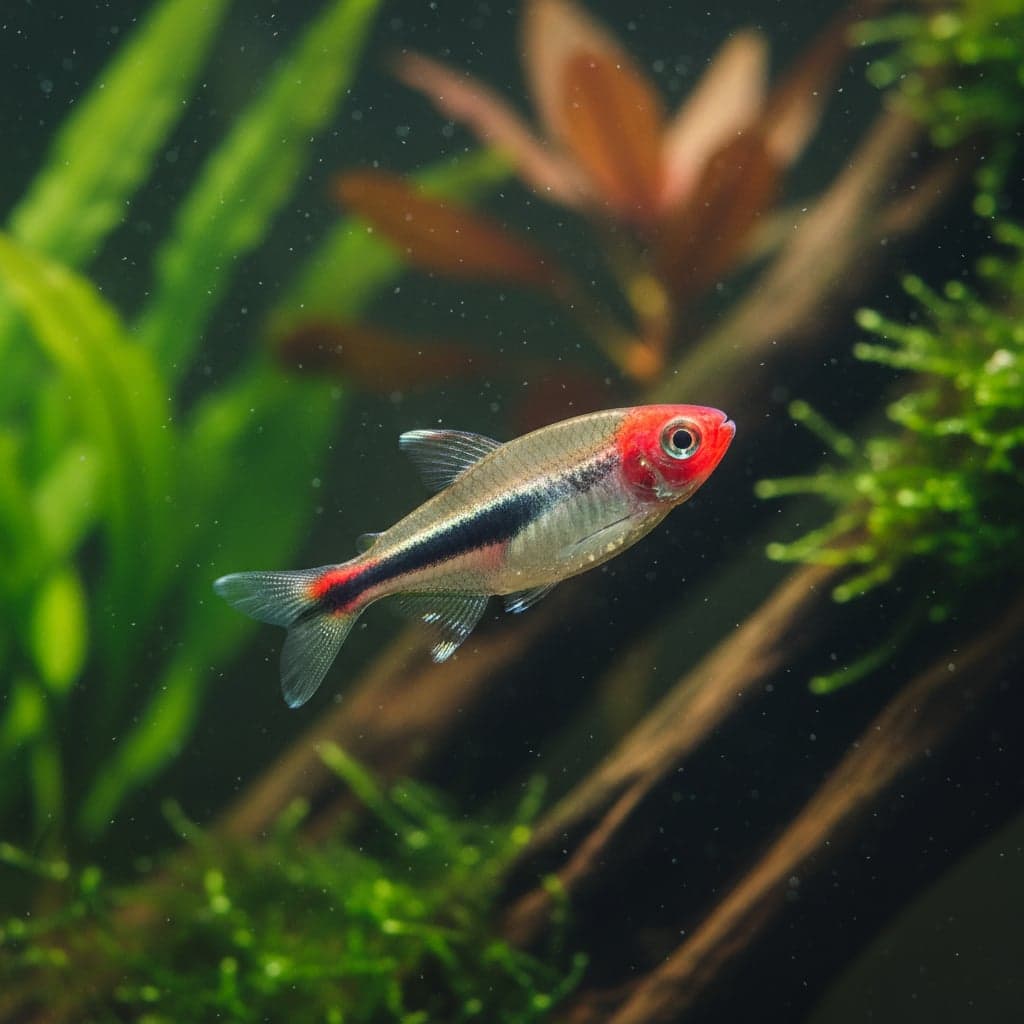
Broken-Line Tetras can coexist harmoniously with a variety of compatible tank mates, enhancing the community aspect of the aquarium. Excellent tank mates include other tetras (such as Neon Tetras or Rummy Nose Tetras), Rasboras, dwarf cichlids like Apistogramma, and certain peaceful species of catfish. It is essential to avoid aggressive or larger species that may view the tetras as prey or exhibit territorial behavior, such as larger cichlids or barbs. Ensuring a peaceful environment is crucial for the wellness of the Broken-Line Tetra and their companions.
Breeding
Breeding Broken-Line Tetras in captivity can be rewarding, although it requires specific conditions to succeed. Spawning usually occurs in soft, acidic water with a pH of around 6.0 and a temperature of approximately 24-28°C (75-82°F). To encourage breeding, it is recommended to provide a separate breeding tank with a fine-leaved spawning medium such as a mesh or substrate that enables the eggs to fall and be concealed. After spawning, the adult fish should be removed to prevent them from eating the eggs. The eggs typically hatch in 24 to 36 hours, and the fry will start to swim free a few days later, requiring finely crushed foods or infusoria for successful growth.
Common Health Issues
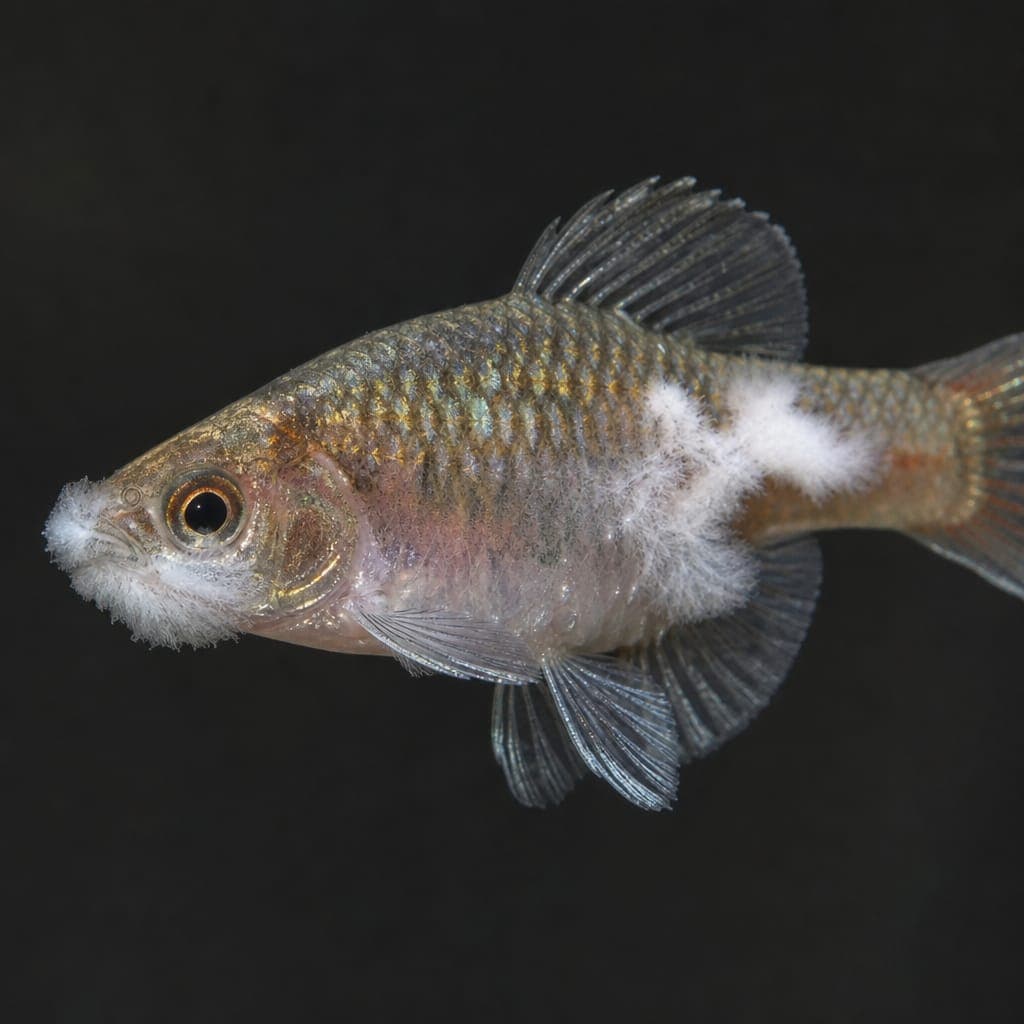
Despite their hardiness, Broken-Line Tetras can be susceptible to certain health issues often seen in freshwater fish. Common diseases include ich (white spot disease), fin rot, and various fungal infections. To prevent these health problems, maintaining clean water, monitoring water parameters, and providing a stress-free environment are crucial practices. Additionally, quarantining new arrivals before introducing them to the main tank can help mitigate the spread of diseases. Regular observation of behavior and physical condition allows for early detection and treatment, ensuring the longevity and well-being of these beautiful fish.