Buenos Aires Tetra: Psalidodon anisitsi
A robust, hardy tetra with red fins. Notorious for eating live plants.
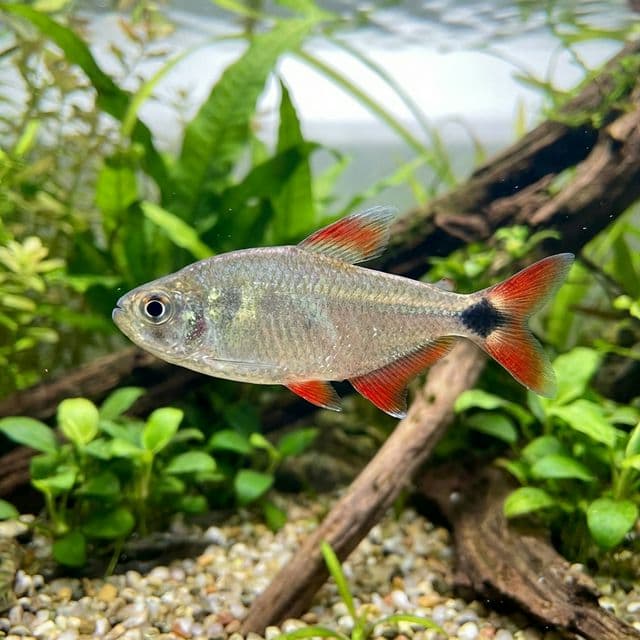
Buenos Aires Tetra
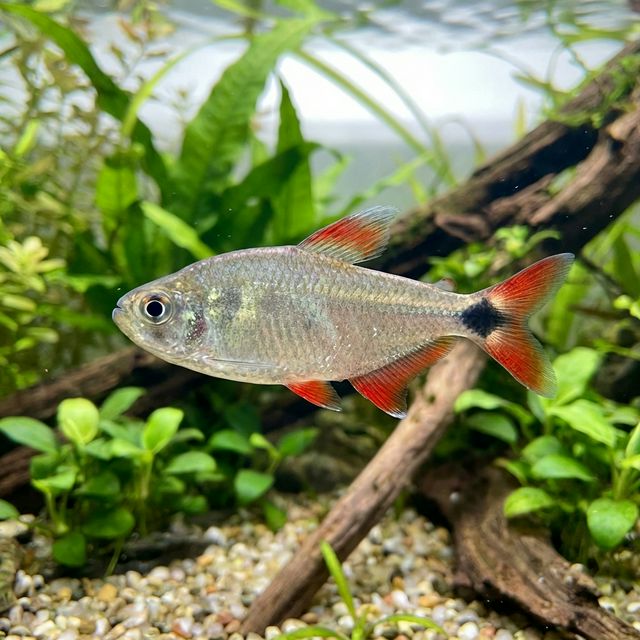
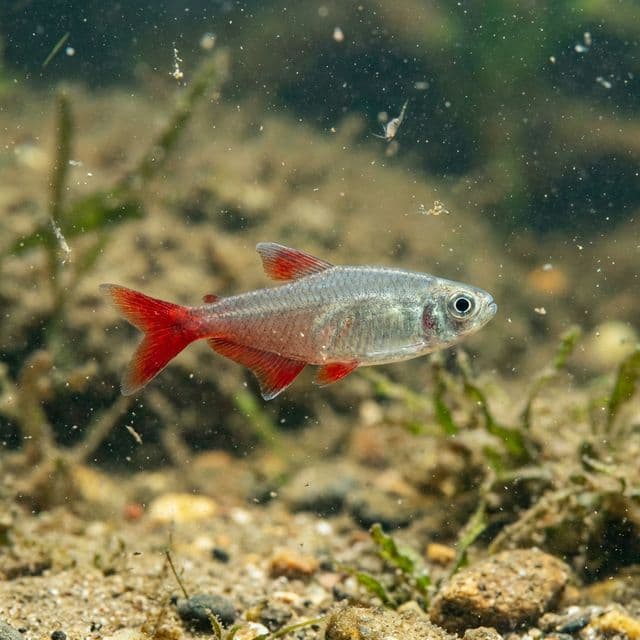
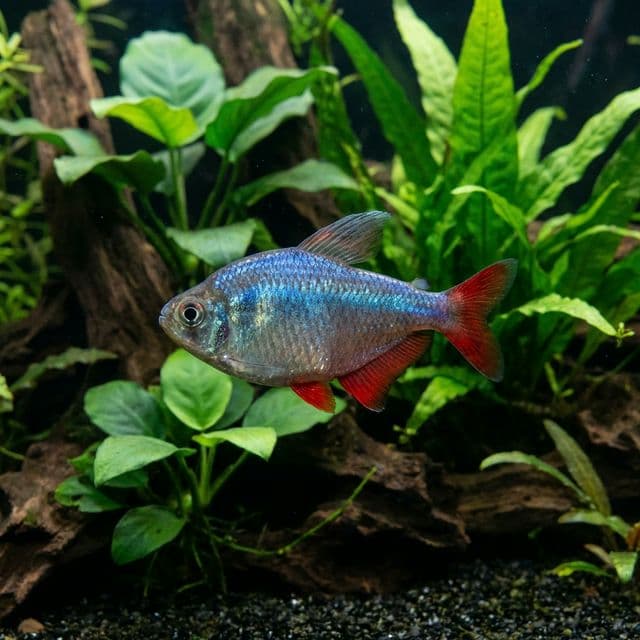
The Buenos Aires Tetra, scientifically known as Psalidodon anisitsi, is a striking and lively freshwater fish that has captivated aquarium enthusiasts around the globe. Originating from the waters of South America, especially the rivers and streams of Argentina, this species showcases an eye-catching appearance characterized by its sleek, elongated body, shimmering silver scales, and vibrant red and blue fins. The Buenos Aires Tetra can grow to about 2 to 3 inches in length, making it an ideal addition to community tanks. Its visual appeal is further enhanced by the characteristic metallic sheen that reflects light beautifully, resulting in an attractive display that delights both aquarists and casual observers alike.
Beyond its aesthetics, the Buenos Aires Tetra holds significance in the aquarium hobby due to its sociable demeanor and hardiness, making it a popular choice for both beginners and seasoned aquarists. This species exhibits dynamic schooling behavior, thriving when kept in groups, which adds movement and life to any aquarium. As a versatile and low-maintenance fish, the Buenos Aires Tetra not only enriches the aquatic environment but also offers a unique opportunity for hobbyists to observe fascinating social interactions among fish.
Natural Habitat & Origin
The Buenos Aires Tetra is indigenous to the freshwater systems of the Río de la Plata Basin, primarily found in Argentina, Uruguay, and parts of Brazil. Preferring shallow waters, this species inhabits areas rich in vegetation such as lagoons, rivers, and floodplains. The natural environment features a mix of blackwater and clearwater conditions, influenced by the surrounding plant life. These habitats often have soft, acidic to neutral waters, with abundant aquatic vegetation providing both shelter and foraging opportunities for this active fish.
Environmental factors such as temperature variations, availability of hiding spots, and the presence of plankton contribute to the Buenos Aires Tetra's thriving in its native habitat. Understanding these natural conditions is crucial for replicating an ideal aquarium setting, allowing for a healthier and more enriched environment for the fish.
Care Requirements
For optimal care, the Buenos Aires Tetra requires specific water parameters to thrive. The ideal temperature ranges from 70°F to 78°F (21°C to 26°C), with a preferred pH of 6.0 to 7.5. In terms of water hardness, a range of 5 to 15 dGH will suffice. To provide a natural and comfortable habitat, the aquarium should be a minimum of 20 gallons, allowing for ample swimming space and a schooling environment.
When setting up the tank, choose a substrate that mimics its natural habitat, such as fine gravel or sand, which can be adorned with plenty of live plants like Java ferns, Anubias, or floating plants that offer cover. Moderate lighting is sufficient, as excessive brightness can stress the fish. Incorporating driftwood and rocks can also enhance the aesthetic appeal of the tank while providing hiding spots that help reduce the fish's anxiety.
Diet & Feeding
The Buenos Aires Tetra is an omnivorous fish, happily accepting a varied diet to meet its nutritional needs. In a well-balanced feeding regimen, high-quality flakes or pellets serve as a primary diet staple. However, it is recommended to supplement their meals with frozen or live foods such as brine shrimp, daphnia, and bloodworms to enhance their color and overall health. Feed them two to three times a day in small amounts, ensuring that the food is consumed within a few minutes to maintain water quality.
To promote optimal health and vibrant coloration, absolute care should be taken to avoid overfeeding, which can lead to water quality issues and a higher risk of disease. Ensuring a balanced diet through diversity will support their robust growth and lively temperament.
Behavior & Temperament
In terms of behavior, the Buenos Aires Tetra is a highly social fish that exhibits a strong schooling tendency, which is essential for their well-being. They thrive in groups of six or more, where they display schooling behavior and engage in playful interactions. While generally peaceful, they can exhibit mild territoriality, particularly among males, during spawning seasons. To maintain a harmonious environment in a community tank, it is crucial to house them with compatible species and avoid overly aggressive fish.
Typically, Buenos Aires Tetras occupy the mid to upper levels of the aquarium but can often be seen darting towards the surface for food or swimming in the open water, demonstrating their active nature. Providing plenty of open swimming space along with areas to hide will help reduce stress and encourage natural behaviors.
Tank Mates
When selecting tank mates, the Buenos Aires Tetra is compatible with other peaceful schooling fish and larger community species. Suitable tank mates include species such as the Zebra Danio, Neon Tetra, Corydoras Catfish, and Guppies. However, it is advisable to avoid smaller fish that may be viewed as prey, like small bettas or shrimp, as well as highly aggressive species like Cichlids, which could stress or harm the Buenos Aires Tetra.
Ensuring a well-diversified community tank with similarly peaceful species will promote a thriving environment where the Buenos Aires Tetra can flourish. Regular tank maintenance and monitoring fish interactions can further help in preventing any potential conflicts.
Breeding
Breeding the Buenos Aires Tetra in captivity can be a rewarding experience for the aquarist. They are free-spawning fish, meaning they do not exhibit parental care after the eggs are laid. To encourage breeding, set up a separate breeding tank with softer water, a slightly acidic pH, and a temperature around 75°F (24°C). Thick planting of fine-leaved plants such as Java moss can provide substrate for the eggs, where they can settle without being eaten.
During spawning, the male will closely pursue the female, who will scatter eggs (usually 100-300) around the plants or substrate. After spawning, it is vital to remove the parents to prevent them from consuming the eggs. The eggs will hatch within one to three days, and the fry will become free-swimming in about a week. A finely powdered fry food or infusoria should be provided for feeding the young until they are large enough for small flakes or micro-pellets.
Common Health Issues
While the Buenos Aires Tetra is a hardy fish, they can be susceptible to common freshwater aquarium diseases, including ich (white spot disease), fin rot, and various parasitic infections. Maintaining optimal water quality through regular testing and water changes is crucial to preventing these health issues. Additionally, ensuring a varied diet will help bolster their immune system.
Observing fish regularly for any signs of distress, unusual behavior, or physical ailments is essential. Prompt treatment with appropriate medications, along with isolation of afflicted individuals, can prevent the spread of illness throughout the aquarium. Creating a stress-free environment and maintaining good hygiene practices will significantly contribute to the overall health and longevity of the Buenos Aires Tetra in captivity.