Bulldog Plec: Chaetostoma formosae
Also known as the Rubber Lip Plec. A hillstream species that loves high flow and cool water.
Bulldog Plec
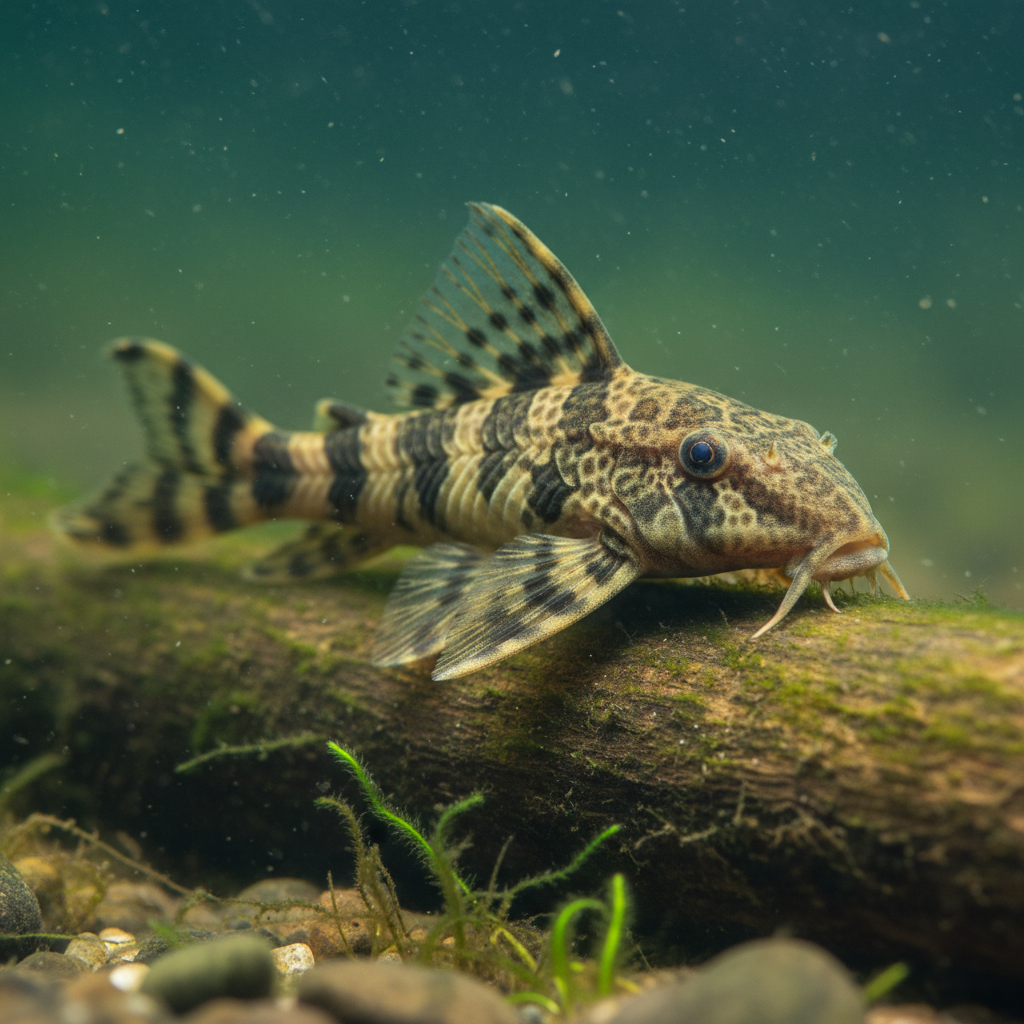
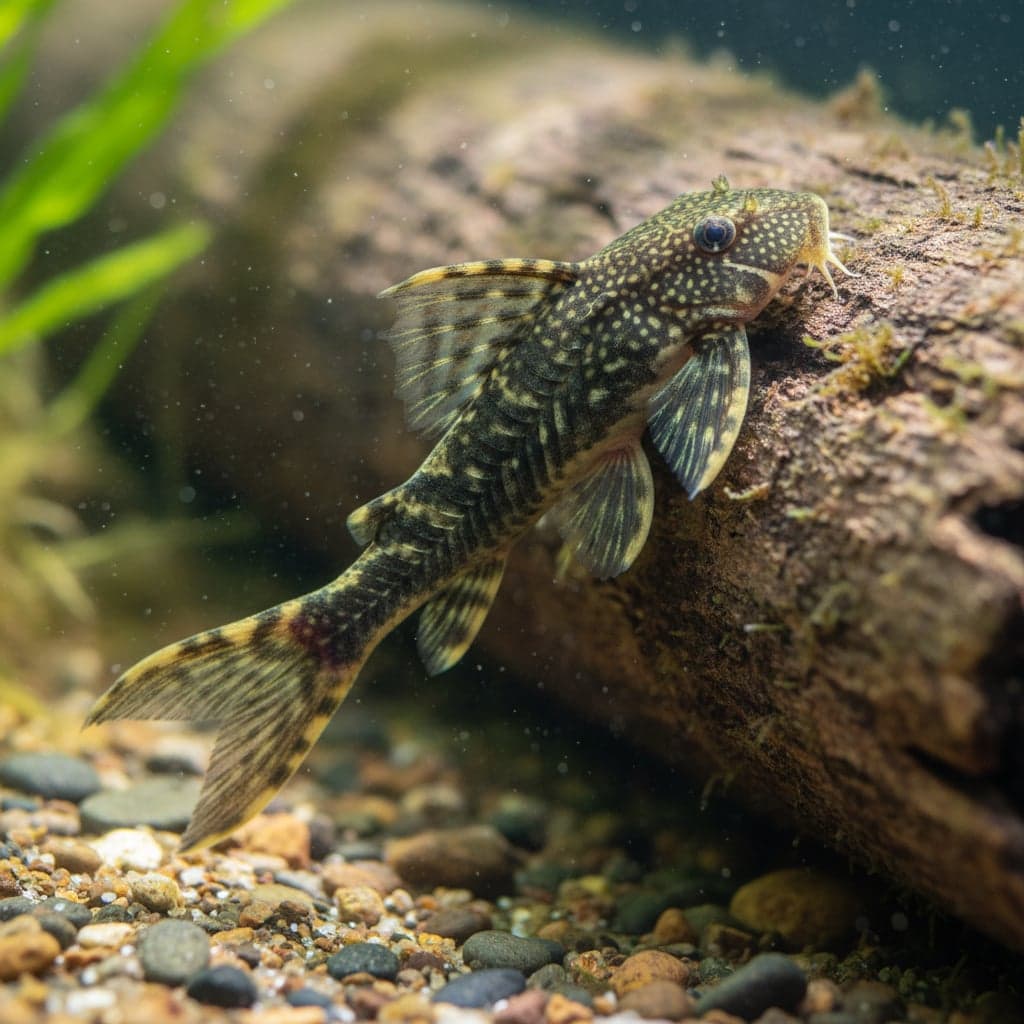
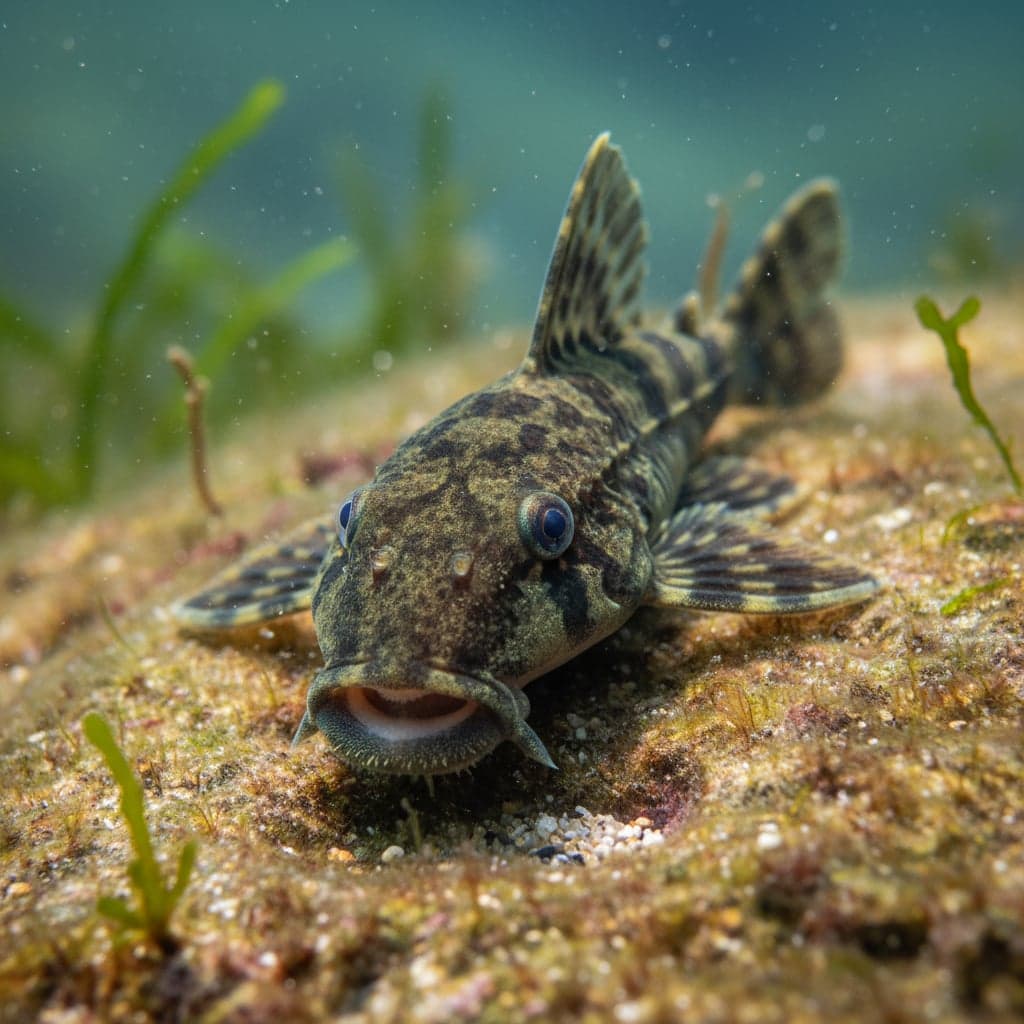
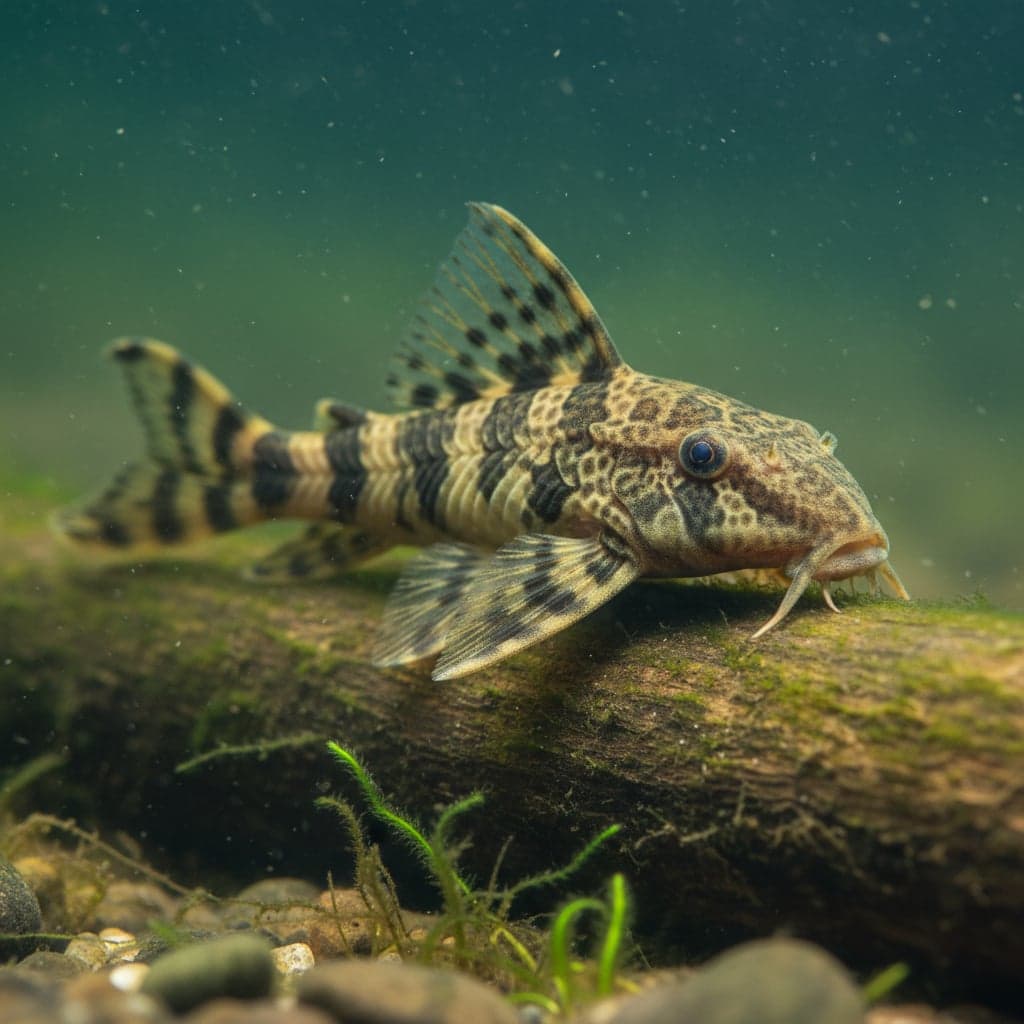
The Bulldog Plec, scientifically known as Chaetostoma formosae, is a striking freshwater fish native to the river systems of South America. This armored catfish is particularly popular among aquarists for its unique appearance, characterized by its broad, flat body and distinctive bulldog-like snout. The skin of the Bulldog Plec is adorned with a palette of earthy browns and greens, often featuring intricate patterns and spots that enhance its camouflage in natural habitats. This visual appeal, coupled with its hardy nature, makes it a prized addition to both community tanks and specialized aquascapes.
In the aquarium hobby, the Bulldog Plec serves not only as an aesthetic centerpiece but also fulfills a functional role by contributing to algae control. Its feeding habits of scraping algae from surfaces can help maintain a healthier aquatic environment. Moreover, the Bulldog Plec's quiet demeanor and peaceful temperament make it an ideal candidate for community tanks, appealing to both novice and experienced aquarists alike. Its ability to thrive in a variety of setups while adding unique visual interest underscores its significance in the aquarium industry.
Natural Habitat & Origin
The Bulldog Plec hails from the Andean river systems in regions including Peru and Ecuador. These rivers are characterized by a mixture of clear and blackwater habitats, streaming through lush rainforests that provide a wealth of organic material and varied substrate types. The Bulldog Plec prefers slower-moving waters where it can find refuge among rocks and submerged vegetation. The natural environment typically has a high level of dissolved organic matter and offers plenty of hiding spots, such as caves and ledges, which are crucial for its well-being in captivity.
In its native habitat, the water parameters can vary significantly, but Bulldog Plecs are usually found in slightly acidic to neutral waters, with a range of colorations resulting from the presence of tannins and humic acids. This provides us with insights into how to replicate their natural conditions within the aquarium, ensuring their health and longevity.
Care Requirements
To successfully keep a Bulldog Plec, it is essential to replicate their natural habitat as closely as possible. The ideal water parameters for this species are a pH range of 6.5 to 7.5, temperature between 24-28°C (75-82°F), and hardness levels of 5-15 dGH. A well-maintained aquarium of at least 100 liters (around 26 gallons) is recommended to provide enough swimming space and hiding spots.
When it comes to tank setup, using a substrate of fine gravel or sand is ideal, as it allows the Bulldog Plec to forage naturally. Although lighting can vary from low to moderate, it is preferable to mimic the dappled light found in their natural habitat. Incorporate plenty of plants, driftwood, and rocks to create a structured environment while providing shaded areas for retreat. This setup will encourage natural behavior and provide a sense of security for the fish.
Diet & Feeding
The Bulldog Plec is primarily an herbivore, although it exhibits omnivorous feeding habits. In the wild, it grazes on algae and various plant matter, supplemented by small invertebrates and detritus. In captivity, it thrives on a varied diet that includes high-quality pleco-specific sinking pellets, algae wafers, and blanched vegetables such as zucchini, cucumber, and spinach. Frozen foods like bloodworms and brine shrimp can occasionally be offered to provide protein and enhance its diet variety. Regular feeding should occur once or twice a day to maintain optimal health.
Monitoring the Bulldog Plec's dietary intake is essential, as overfeeding can lead to health issues. Ensuring that uneaten food is promptly removed will help maintain water quality and the overall well-being of all tank inhabitants.
Behavior & Temperament
The Bulldog Plec is known for its peaceful demeanor and is generally non-aggressive towards other fish. It does exhibit semi-territorial behavior, especially in confined spaces, so providing ample hiding spots and territories will help minimize any potential confrontations. While these fish are typically solitary, they may occasionally be seen socializing with their own kind, especially in larger tanks where they have plenty of room to establish their own territories.
In terms of tank placement, Bulldog Plecs prefer the lower areas of the aquarium, often resting on the substrate or positioned among rocks and driftwood. Their natural behavior includes foraging along surfaces, so providing suitable substrate and structures will encourage them to exhibit their naturally inquisitive personality.
Tank Mates
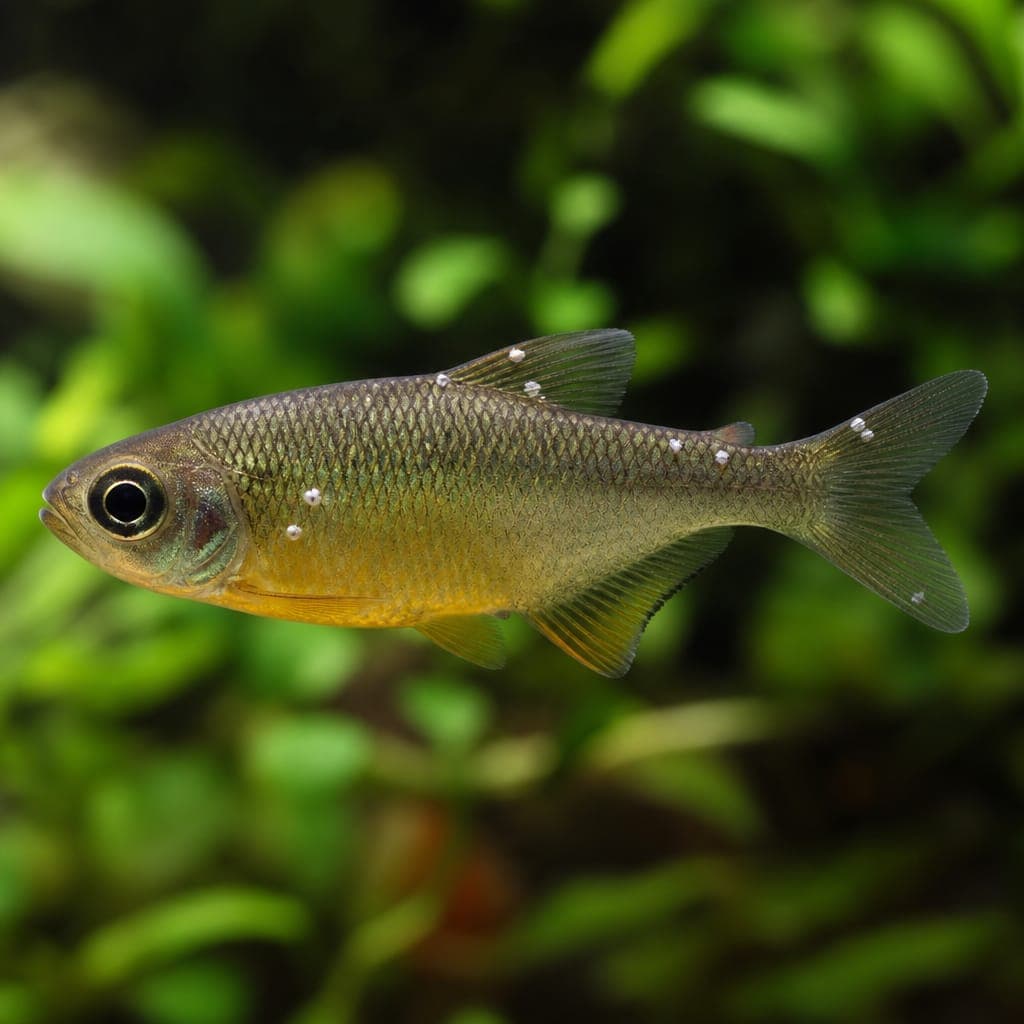
When selecting tank mates for the Bulldog Plec, it's crucial to consider the compatibility of species, particularly their temperament and environmental needs. Suitable companions include peaceful community fish such as tetras, rasboras, small cichlids, and community-oriented barbs. Additionally, other bottom-dwelling fish like Corydoras and other plecos can coexist harmoniously, provided there is sufficient space and hiding places.
On the other hand, species that may pose a threat to the Bulldog Plec or disrupt its peaceful nature should be avoided. This includes aggressive fish like many larger cichlids, fin-nippers such as some species of barbs, and any large predatory fish that may see the Bulldog Plec as a potential meal.
Breeding
Breeding the Bulldog Plec in captivity can be a rewarding but challenging endeavor. These fish are cave spawners, typically requiring a designated spawning site such as a ceramic cave or flat rock surface in a slightly acidic and well-oxygenated environment. To prompt spawning behavior, it’s essential to provide them with optimal conditions: a separated breeding tank with stable parameters, including pH around 6.5 to 7.0, and slightly elevated temperatures of approximately 26-28°C (79-82°F).
Once the female is ready to spawn, she will lay eggs, and the male will fertilize them before guarding the clutch. Post-spawning, the male can be observed guarding the eggs, ensuring optimal aeration by fanning them. After about 4-7 days, the fry will hatch, and the male will continue to protect them until they are free-swimming. At this point, it is advisable to separate the male to prevent any potential aggression towards the fry.
Common Health Issues
While the Bulldog Plec is generally a hardy species, it can be susceptible to a few common health issues. One potential problem includes skin parasites, such as ich (Ichthyophthirius multifiliis), which can arise from stress or suboptimal water conditions. Maintaining a stable environment, regular water changes, and good filtration can significantly reduce the risk of ich.
Another concern is the risk of gastrointestinal issues linked to a poor diet. Feeding a well-diversified and nutritionally balanced diet can prevent related health problems. Additionally, watch for signs of excessive slime production, which can indicate stress or illness, and act quickly to address any underlying issues. Regular monitoring and maintaining high water quality will help ensure the Bulldog Plec thrives and remains healthy.