Burma Danio: Danio tinwini
Also known as the Gold Ring Danio. A tiny, spotted danio perfect for nano tanks.
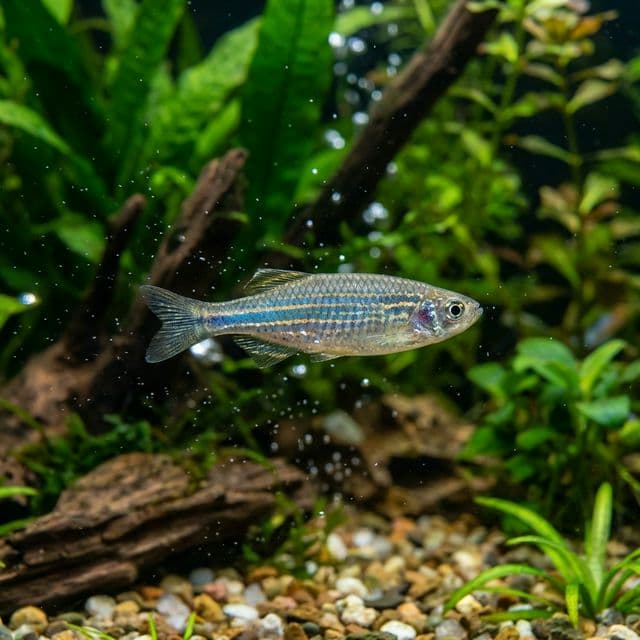
Burma Danio
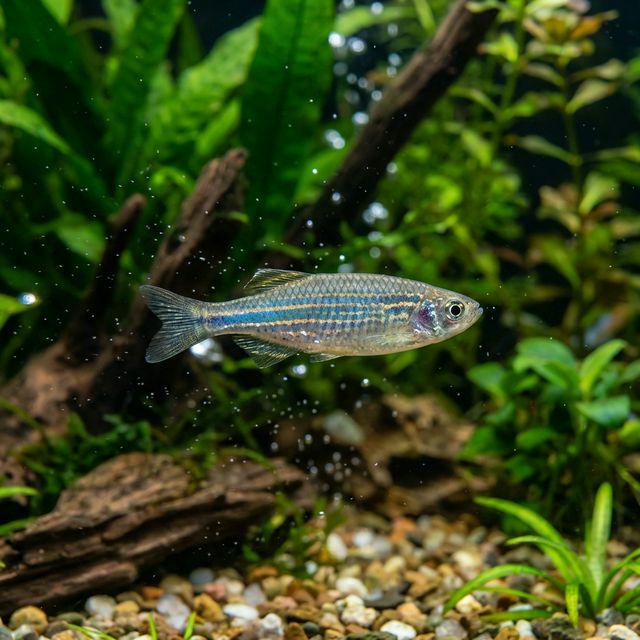
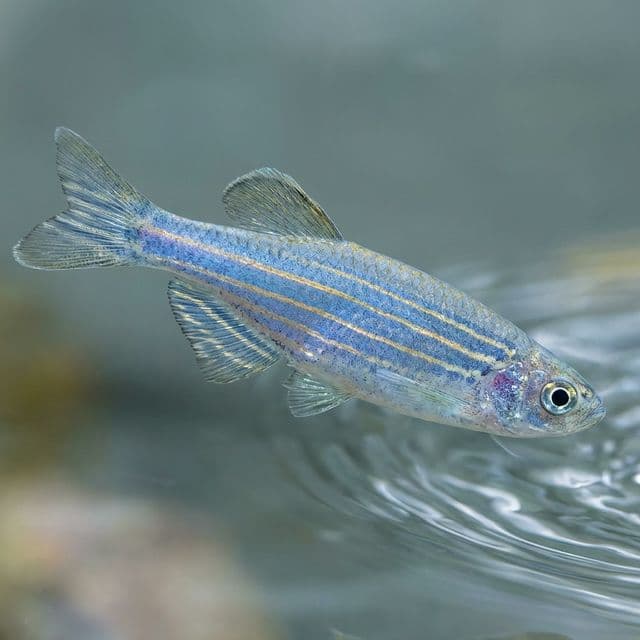
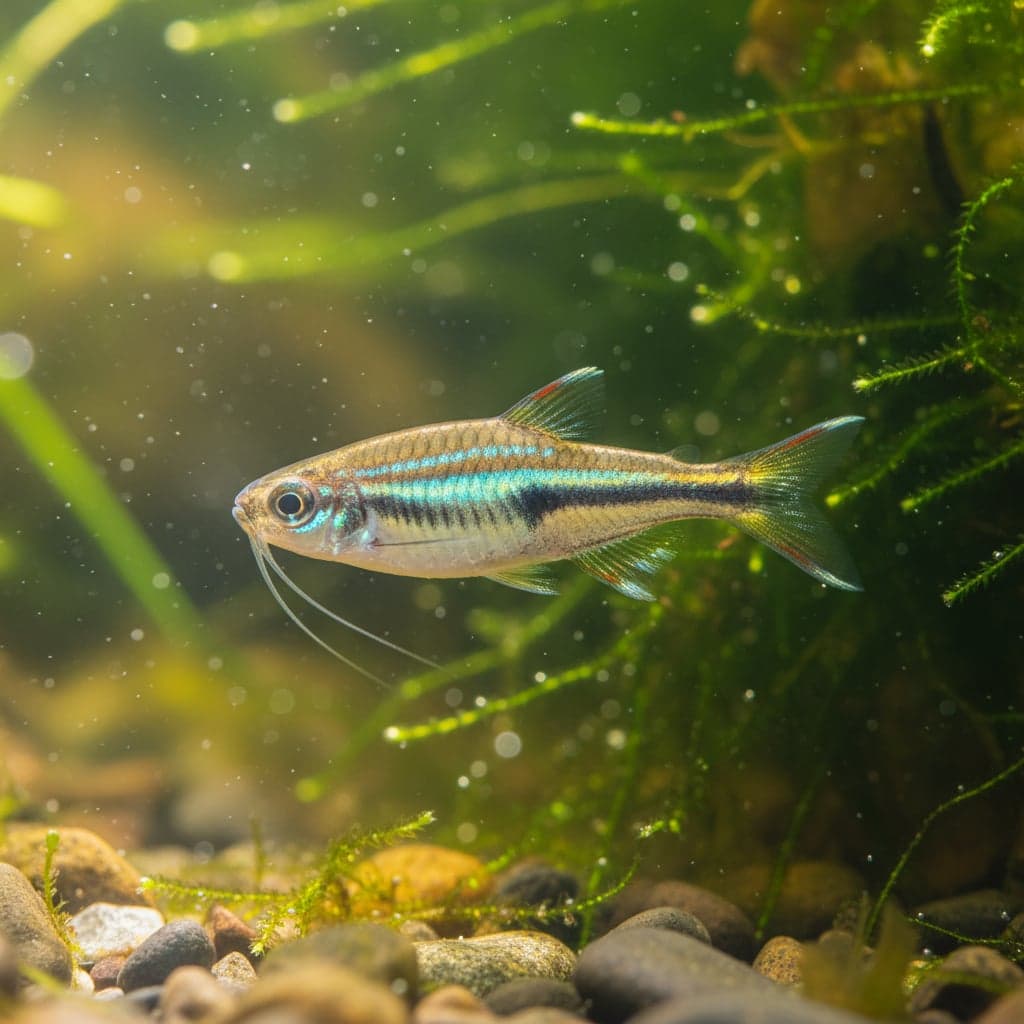
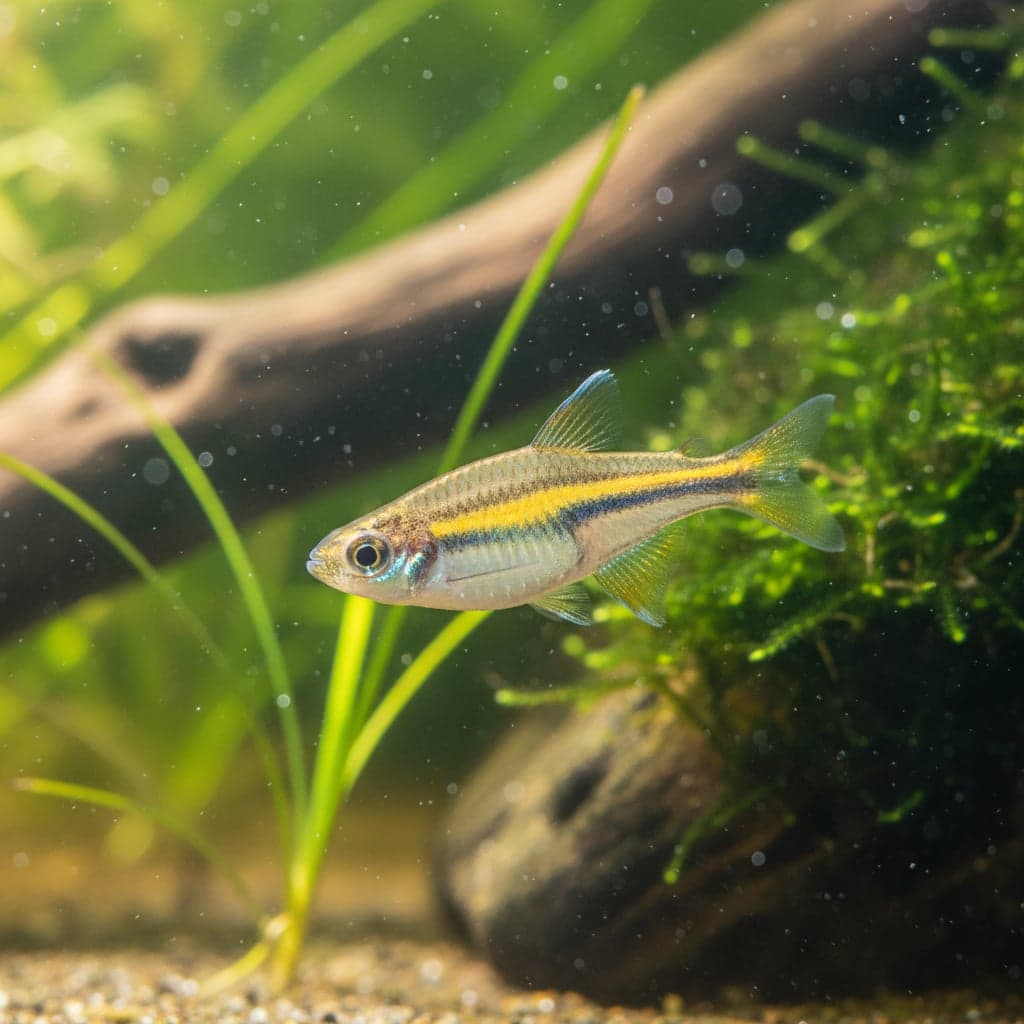
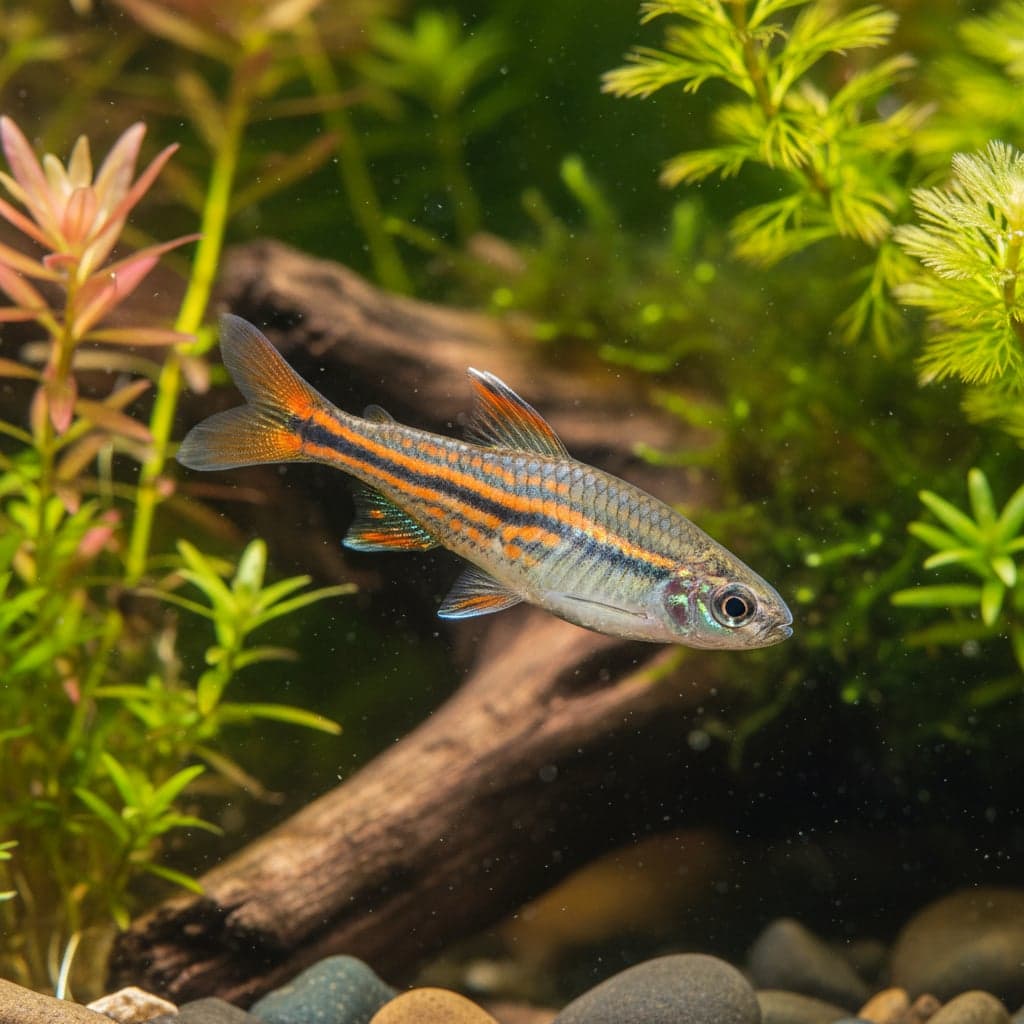
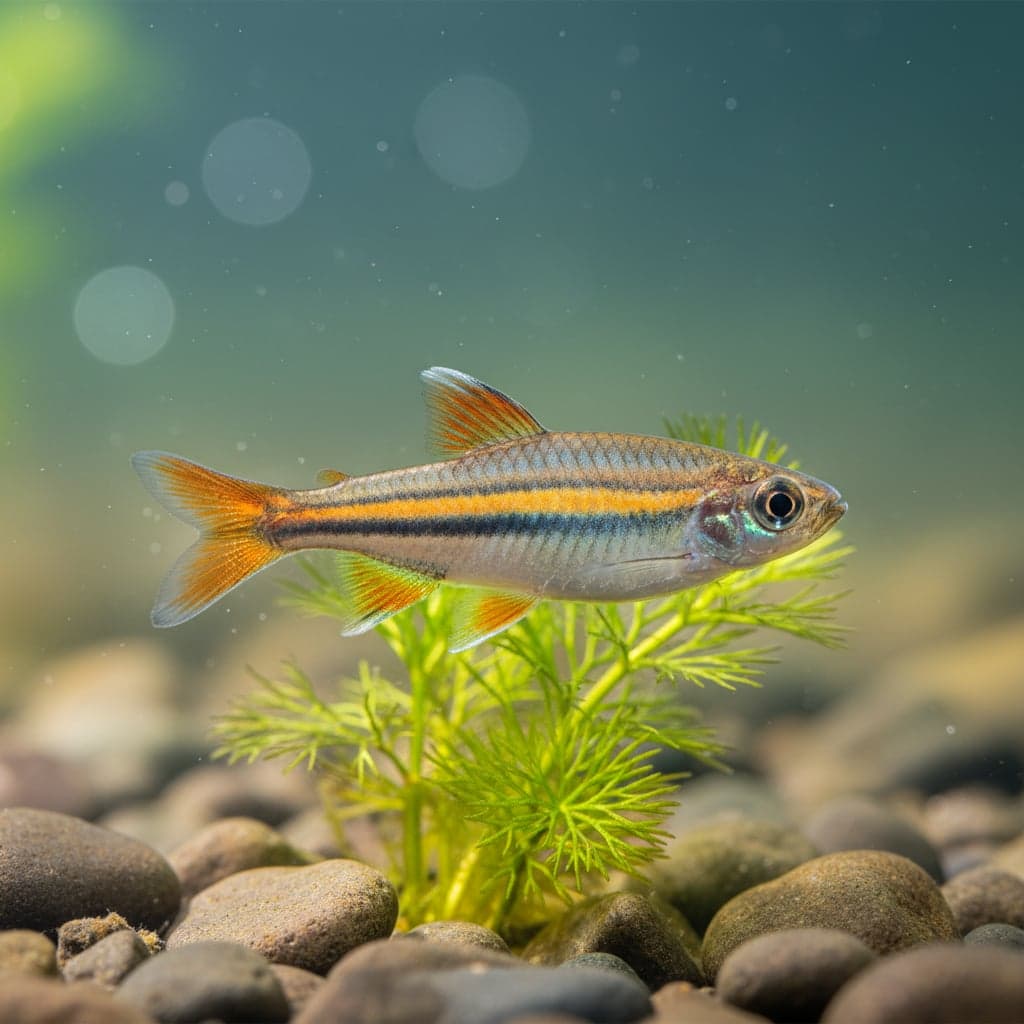
The Burma Danio, scientifically known as Danio tinwini, is a captivating freshwater fish native to Southeast Asia, specifically Myanmar. Renowned for its vibrant coloration and striking patterns, this small species boasts an array of iridescent hues, including shimmering blues, greens, and yellows, which dance across its streamlined body. These visual characteristics not only enhance its appeal in aquarium settings but also contribute to its popularity among both novice and seasoned aquarists. The Burma Danio's resemblance to its more well-known relatives, such as the zebra danio, makes it an attractive addition to community aquariums, where its lively nature and delightful displays can be appreciated.
In addition to their aesthetic value, Burma Danios hold significance in the aquarium hobby due to their hardy nature and relatively undemanding care requirements. They provide a dynamic and engaging presence in a well-maintained tank, often exhibiting playful behavior as they dart around and interact with other fish. Their ability to adapt to varying water conditions further adds to their desirability, making them an ideal choice for hobbyists looking to introduce a splash of life and color into their aquatic environments.
Natural Habitat & Origin
The Burma Danio is predominantly found in the river systems of Myanmar, particularly in areas with slow-moving waters and lush vegetation. Its natural habitat encompasses a mix of freshwater environments, including shallow streams, ponds, and flooded rice fields. The water in these regions tends to be a mixture of clear and slightly stained, reflecting the nutrient-rich sediment and organic matter typical of blackwater zones. Water temperature usually hovers around 24 to 28°C (75 to 82°F), with a pH range of 6.5 to 7.5, providing a glimpse into the ideal conditions for this species.
These fish thrive in environments rich with aquatic plants, submerged wood, and rocky outcrops, which offer both shelter and breeding grounds. The Burma Danio's preference for densely planted spaces, coupled with its natural agility, allows it to navigate through intricate ecosystems and evade potential predators effectively. Emulating such environments in aquariums is essential for their wellbeing and encourages natural behaviors.
Care Requirements
To successfully maintain a thriving colony of Burma Danios, aquarists should aim for a minimum tank size of 20 gallons. A well-cycled and stable aquarium is crucial, ideally established with a mixture of sandy substrate or fine gravel that mimics their natural habitat. Lighting should be moderate with plenty of hiding spots created by the addition of live plants, driftwood, and rock formations. Plant varieties such as java moss, anubias, and hornwort can create a lush environment that imitates their native waters.
Water quality is paramount for the health of the Burma Danio. The ideal water parameters include a temperature range of 24 to 28°C (75 to 82°F), a pH level of 6.5 to 7.5, and a hardness of 5 to 12 dGH. Regular water changes and filtration can maintain proper water conditions and reduce the risk of disease. Employing a gentle filtration system is recommended, as strong currents can be stressful for this species.
Diet & Feeding
As opportunistic feeders, Burma Danios are classified as omnivores, which allows for a versatile diet in a home aquarium. They thrive on a balanced diet that includes high-quality flakes and pellets specifically designed for small tropical fish. Additionally, integrating a variety of frozen or live foods into their diet, such as brine shrimp, daphnia, and bloodworms, can enhance their color and overall health. Aquarists should aim to provide multiple feedings throughout the day in smaller portions, ensuring that all fish receive adequate nutrition without excess waste accumulating in the tank.
It's essential to rotate their diet to prevent potential deficiencies and encourage active foraging behavior. Ensuring a varied diet not only helps in developing color vibrancy but also promotes healthy growth, making them robust and resilient in community setups.
Behavior & Temperament
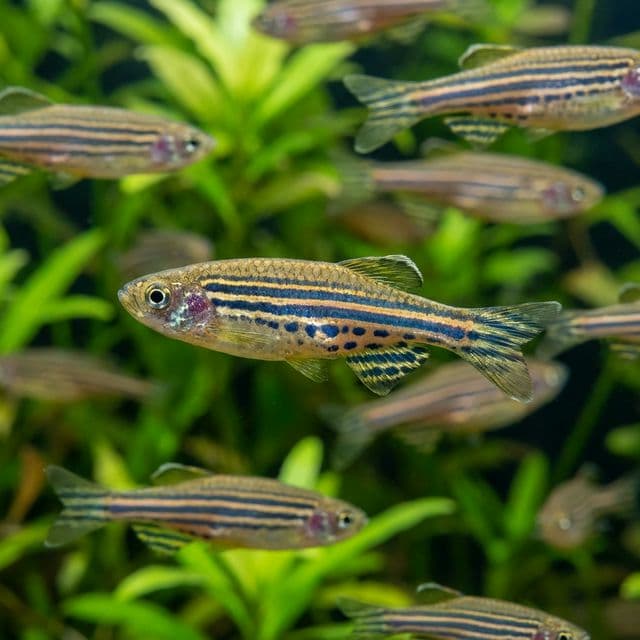
Burma Danios are known for their gregarious and active demeanor, making them splendid additions to community tanks. They thrive in groups, with a school size of at least six individuals recommended to promote their natural schooling behavior. In the company of their own kind, they display playful antics, darting and weaving through the water with zest. Their sociable nature means they coexist well with many other peaceful species, as they pose little threat in terms of aggression.
On the vertical plane of the tank, Burma Danios are highly mobile and are often seen swimming at various levels, although they tend to favor the mid to upper regions of the aquarium. This behavior allows them to show off their vibrant colors and provides visual interest to the tank. Their inquisitive and curious nature encourages them to explore their surroundings, making them entertaining to observe.
Tank Mates
Choosing suitable tank mates for the Burma Danio is crucial for a peaceful community aquarium environment. Compatible species include peaceful, small freshwater fish such as Neon Tetras, Endler’s Livebearers, Celestial Pearl Danios, and Rasboras. These species share similar water parameters and temperament, making them ideal companions for the energetic Burma Danio.
Conversely, it is advisable to avoid larger or aggressive species that may intimidate or prey on them, such as Cichlids, Betta Fish, and larger barbs. Aquarists should also refrain from housing them with overly territorial fish or those that might exhibit fin-nipping behaviors. When selecting tank mates, balance and harmony should be the guiding principles to ensure a thriving aquarium ecosystem.
Breeding
Breeding the Burma Danio in captivity can be a rewarding endeavor for aquarists. To catalyze spawning, a separate breeding tank measuring at least 10 gallons is recommended, filled with soft, lightly acidic water and densely packed with fine-leaved plants or spawning mops. The tank should be well-equipped with a sponge filter to maintain water quality while minimizing current.
To induce breeding, aquarists often utilize a conditioning process, offering high-quality live or frozen foods. As the female becomes gravid and swells with eggs, she will engage in courting behavior alongside the male, which may involve rapid swimming displays and darting. Spawning typically occurs during the early morning hours, where the female will scatter eggs amongst the plants while the male fertilizes them. Once spawning is complete, it is advised to remove the adults to avoid them consuming the eggs. Within 24 to 48 hours, the eggs will hatch, and after several days, the fry will become free-swimming, requiring finely crushed flakes and infusoria for initial feeding.
Common Health Issues
While the Burma Danio is generally a robust species, it can be susceptible to common freshwater fish diseases such as ich (white spot disease), fin rot, and stress-related ailments. Prevention is crucial and can be accomplished through regular water testing and maintenance, avoiding overcrowded tanks, and maintaining an appropriate feeding regimen.
Monitoring their behavior for signs of illness, such as lethargy, loss of appetite, or visible lesions, is essential for early detection. Quarantining new arrivals before introducing them to the main tank can also mitigate the risk of introducing pathogens. Providing a stress-free environment, along with clean water and a nutritious diet, will go a long way in ensuring the overall health and vitality of the Burma Danio in your aquarium.