Canary Yellow Goldfish: Carassius auratus
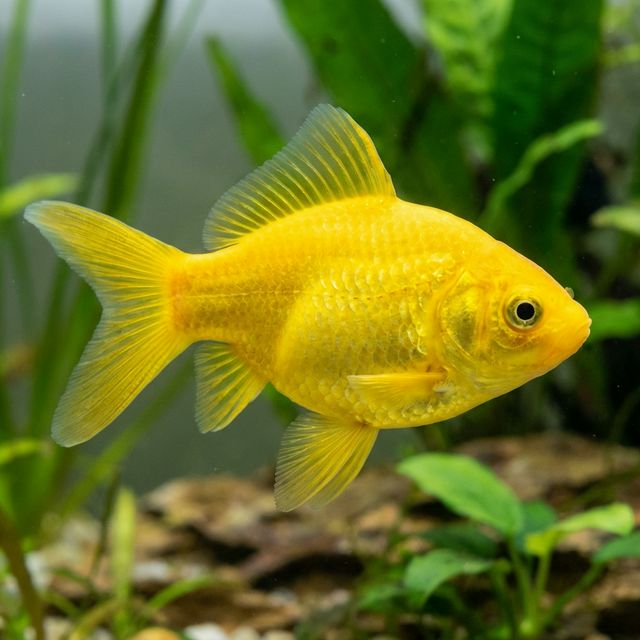
A vibrant lemon-yellow variety of the common goldfish. Hardy pond or large tank fish.

Canary Yellow Goldfish
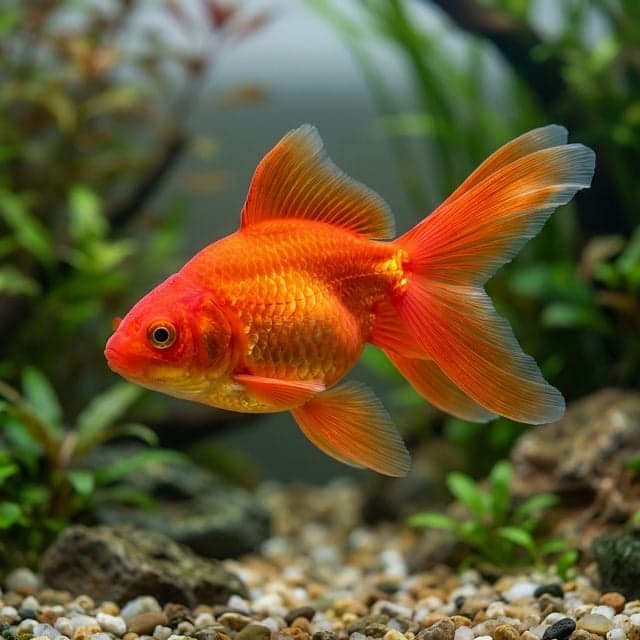
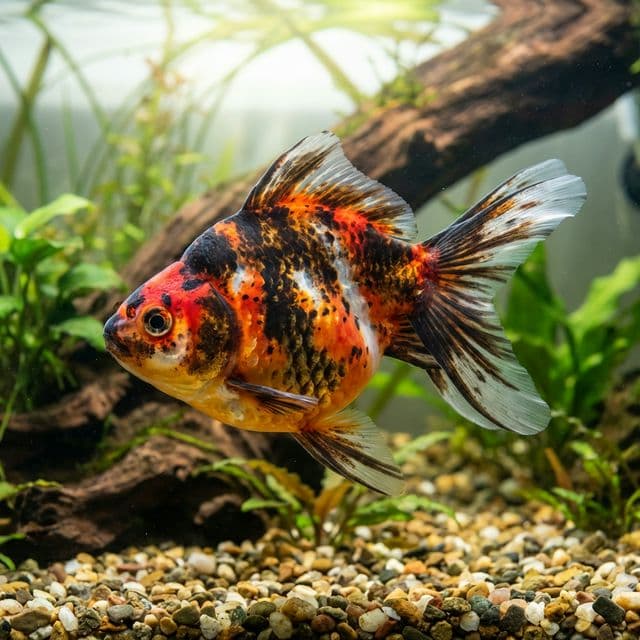
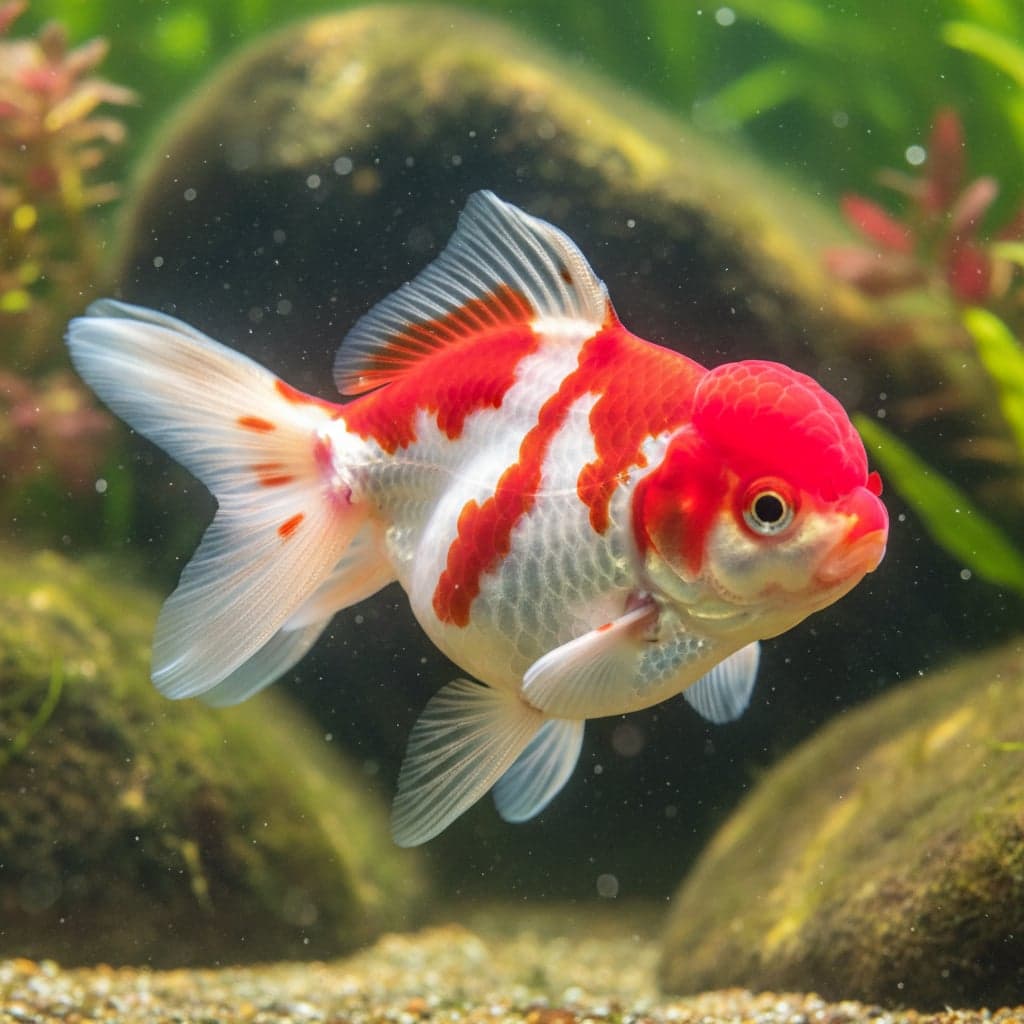
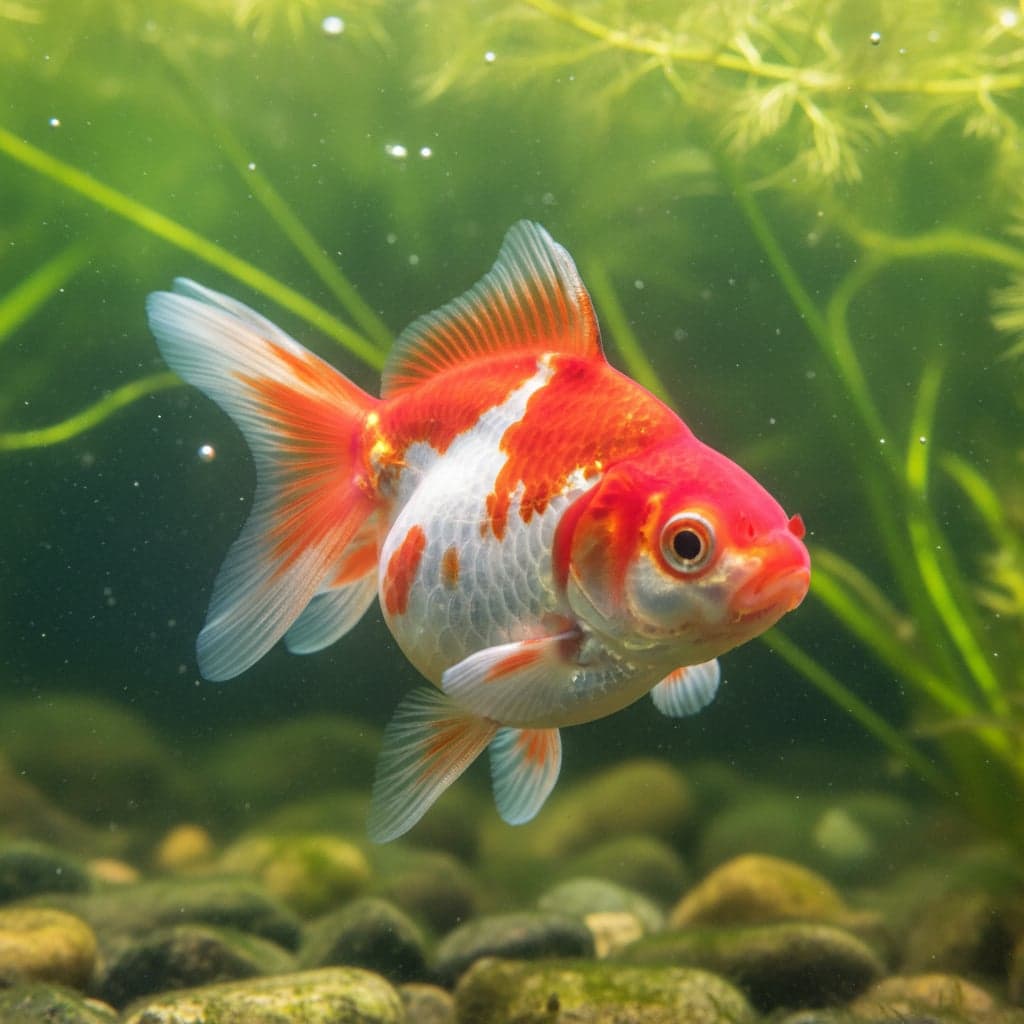
The Canary Yellow Goldfish (Carassius auratus) is a vibrant and visually stunning variant of the common goldfish, distinguished by its brilliant yellow coloration and elegant body shape. Originating from selective breeding practices, this fish has become a cherished addition to both home aquariums and outdoor ponds due to its eye-catching hue and graceful swimming. The bright yellow patches can occasionally appear mottled, adding depth to its aesthetic appeal. For many aquatic hobbyists, the Canary Yellow Goldfish symbolizes happiness and good fortune, frequently representing well-being and prosperity in various cultures.
The significance of the Canary Yellow Goldfish in the aquarium hobby is rooted in its adaptability and relatively straightforward care requirements. It can thrive in various aquatic environments, making it an excellent choice for beginners and advanced aquarists alike. Their striking appearance and charismatic personality allow them to captivate viewers, serving as a focal point in any aquatic setup. As part of the goldfish family, they are often associated with tranquility and are believed to enhance the beauty of living spaces when properly cared for.
Natural Habitat & Origin
Canary Yellow Goldfish are derived from the common goldfish, which hails from East Asia, particularly China, where they were initially domesticated over a thousand years ago. In the wild, goldfish are typically found inhabiting freshwater environments such as slow-moving rivers, ponds, and lakes. While their natural habitat may include both blackwater and clearwater systems, they primarily thrive in well-vegetated waterways rich in organic materials. The gradual evolution of carassius auratus from their wild ancestors showcases impressive adaptability to various aquatic conditions, making them ideal for both outdoor and indoor aquaculture.
These goldfish prefer stable water conditions and environments that mimic their natural habitat. While not strictly limited to blackwater or clearwater, these fish appreciate environments where they can forage among vegetation and hide among rocks or driftwood. Available in varying levels of light, the ideal condition recreates the dappled sunlight found in their natural habitat, which can help reduce stress and promote natural behaviors in captivity.
Care Requirements
To create a thriving environment for the Canary Yellow Goldfish, maintaining specific water parameters is essential. Ideal conditions include a pH of 6.5 to 7.5, a temperature range of 65°F to 75°F (18°C to 24°C), and water hardness between 5 to 19 dGH. As goldfish produce a significant amount of waste, it’s crucial to invest in a high-quality filtration system to maintain clean water conditions. Additionally, regular water changes—around 20-30% weekly—help keep nitrate levels low and ensure a healthy environment.
In terms of tank setup, a minimum size of 20 gallons is recommended for a single Canary Yellow Goldfish since they can grow to a size of 6-8 inches. The tank should include a soft substrate to protect their delicate fins, along with plenty of hiding spots using plants, rocks, and ornaments. Live or silk plants are preferable as they provide shelter and grazing opportunities. For lighting, maintaining a moderate to bright level can help showcase their vibrant colors while also promoting plant growth if applicable.
Diet & Feeding
The Canary Yellow Goldfish is primarily an omnivore, which means its diet should include a balanced mix of plant-based and protein-based foods. While they readily accept high-quality goldfish flakes and pellets as a staple, introducing fresh or frozen foods such as bloodworms, brine shrimp, and daphnia can enhance their diet. Offering blanched vegetables like peas, spinach, or zucchini can also diversify their nutritional intake. It’s important to feed small amounts multiple times a day rather than one large meal to prevent overfeeding and to maintain a clean tank environment.
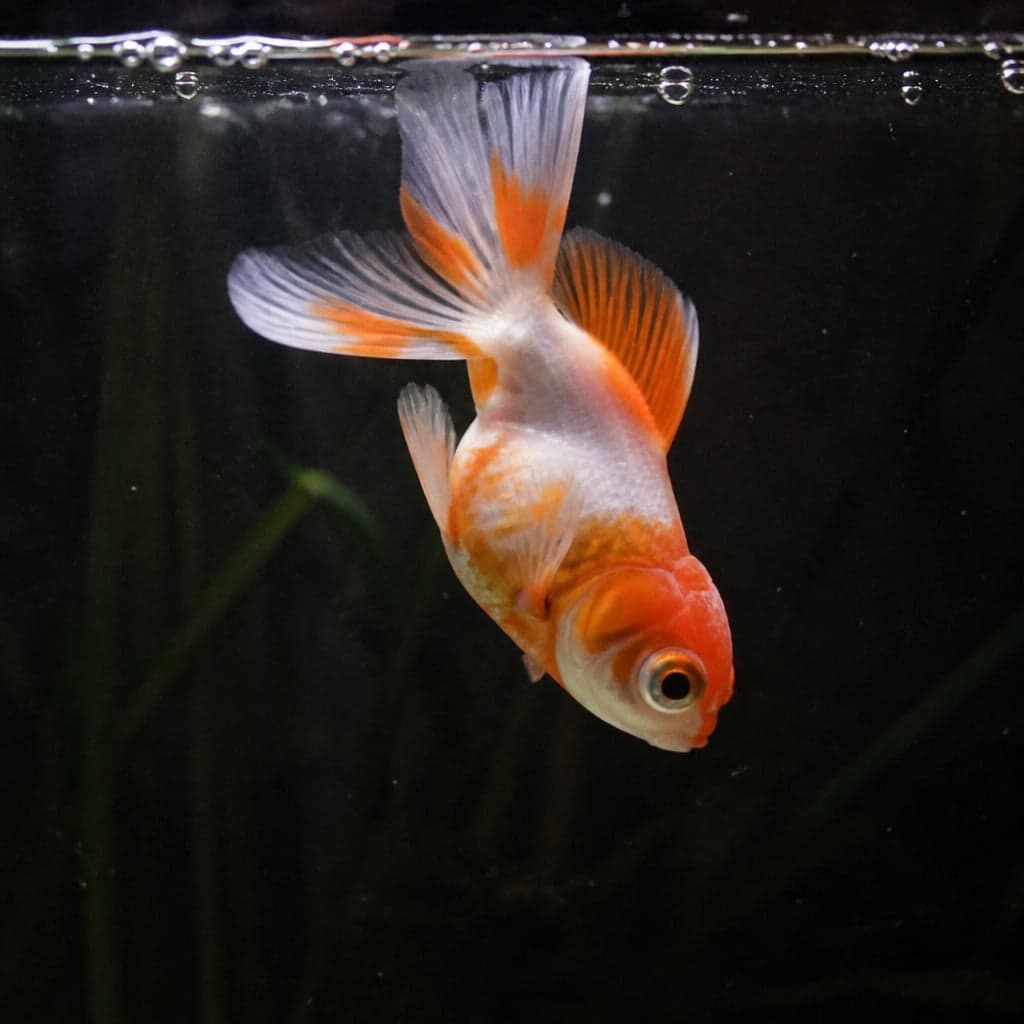
When feeding, ensure that all food sinks gradually to accommodate the goldfish's natural foraging behavior. Observe their feeding habits closely, as overconsumption can lead to health issues such as swim bladder disease. In addition, it’s advisable to remove any uneaten food within a few hours to maintain water quality and prevent fungal infections.
Behavior & Temperament
Canary Yellow Goldfish are generally peaceful and sociable fish that thrive in groups, although they can exhibit a degree of territoriality, especially during feeding times. They typically prefer to swim in the middle or lower levels of the tank, making them ideal candidates for larger communities. It's essential to monitor their interactions with other fish, particularly in smaller setups, as overcrowding may lead to aggressive behaviors and stress.
In their natural behavior, these goldfish enjoy exploring their environment, often foraging along the substrate for food debris. Providing a well-structured tank with plenty of hiding spots and open swimming spaces promotes their natural instincts, making for a more enriching ecosystem. Socially, they are compatible with other peaceful species, readily forming schools and engaging in non-aggressive interactions.
Tank Mates
When selecting tank mates for the Canary Yellow Goldfish, it is vital to choose species that exhibit compatible behavior and similar water requirements. Suitable companions include larger community fish, such as danios, platys, and certain species of tetras, which won’t compete aggressively for food or space. Other potential tank mates could include snails and certain types of shrimp, as long as they are not small enough to become prey.
Conversely, it is essential to avoid keeping Canary Yellow Goldfish with aggressive or overly small fish, such as bettas or neon tetras, which could become targets for bullying or accidental injury. Additionally, avoid species that require warmer temperatures or have vastly different water parameters. The ideal goal is to cultivate a harmonious community in which every species can thrive alongside the Canary Yellow Goldfish.
Breeding
Breeding Canary Yellow Goldfish in captivity can be a rewarding experience but requires careful planning. Spawning typically occurs during the spring months when the water temperature rises. To encourage breeding behavior, it’s beneficial to provide a separate spawning tank equipped with plants or spawning mats where the female can lay her eggs. The water in this tank should be kept at a slightly elevated temperature (around 70°F to 75°F) and lightly aerated to enhance oxygen levels.
During the breeding process, males exhibit a courtship display, chasing females and nudging them to encourage egg-laying. After the female has laid her eggs, which can number in the thousands, it’s crucial to remove the adults to prevent them from consuming the eggs. The eggs typically hatch in 4 to 7 days, and the fry will require finely crushed food or liquid fry food until they reach a size suitable for regular feeding.
Common Health Issues
Canary Yellow Goldfish are generally hardy; however, they can be prone to several health issues if not appropriately cared for. Common ailments include swim bladder disease, which can result from overfeeding or rapid changes in water conditions, and white spot disease (Ich), often triggered by stress or poor water quality. Preventative measures include maintaining stable water parameters, proper filtration, and routine health checks for any signs of illness or abnormal behavior.
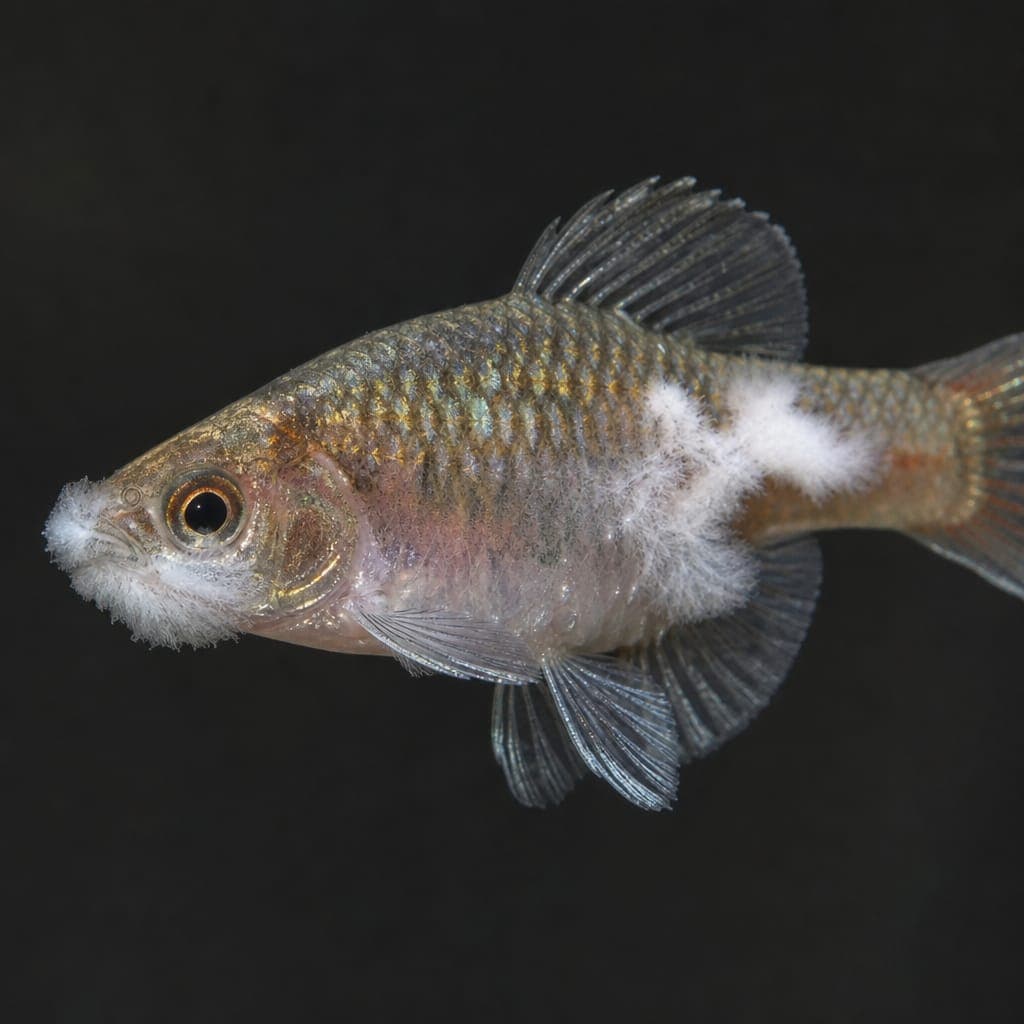
Additionally, watch for signs of fin rot or other fungal infections, which can stem from injuries or poor tank hygiene. Regular water changes and the removal of uneaten food can significantly lower the risk of these issues. If any health problems arise, swift action and prompt treatment with appropriate medications can often lead to successful recovery, ensuring the continued health and vibrancy of your Canary Yellow Goldfish.