The Cardinal Tetra: Paracheirodon axelrodi
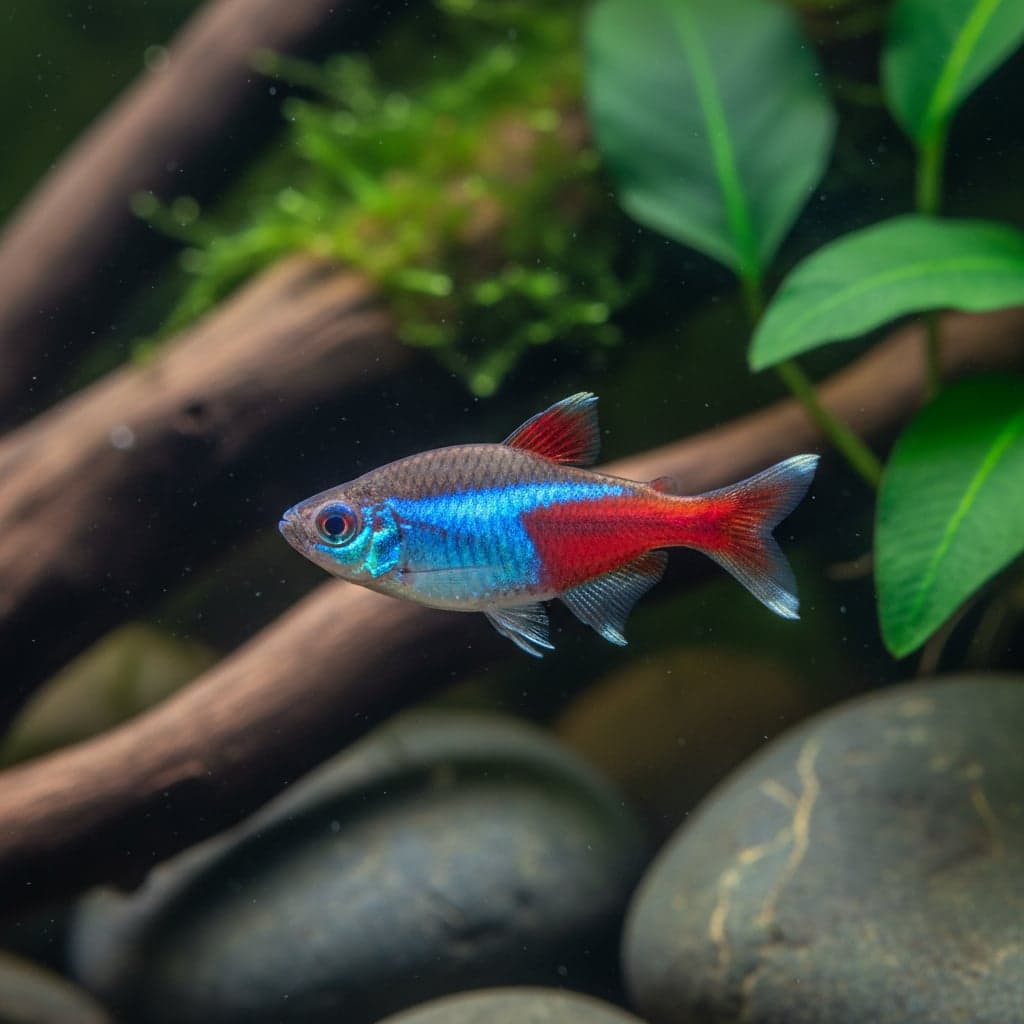
The Neon Tetras more vivid cousin. A full red-and-blue stripe that extends the entire length of the body—the most popular wild-caught aquarium fish.
Also known as: red tetra · Paracheirodon axelrodi

Cardinal Tetra
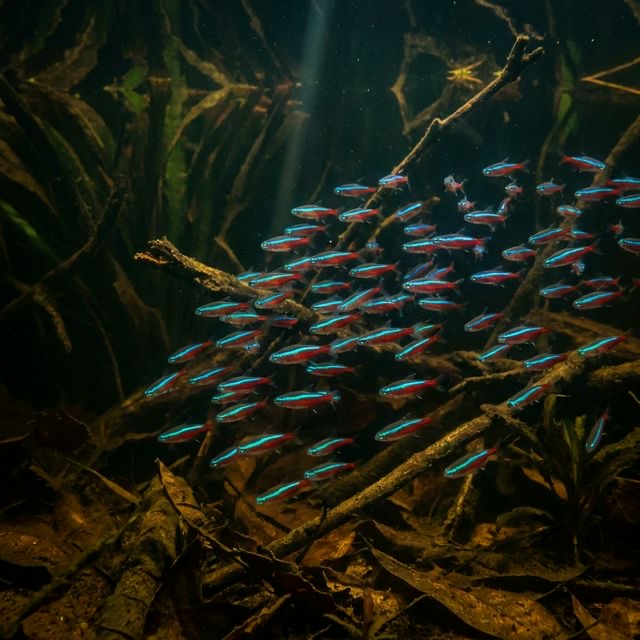
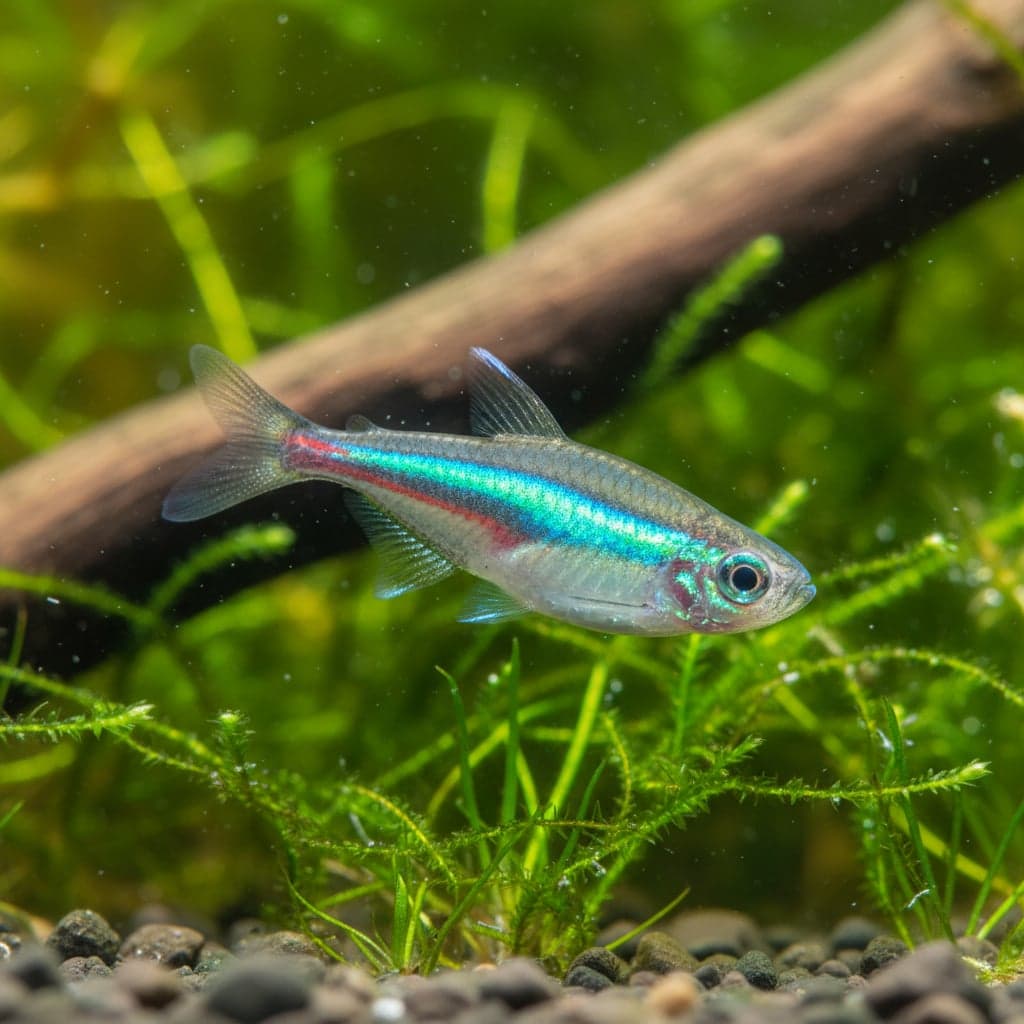
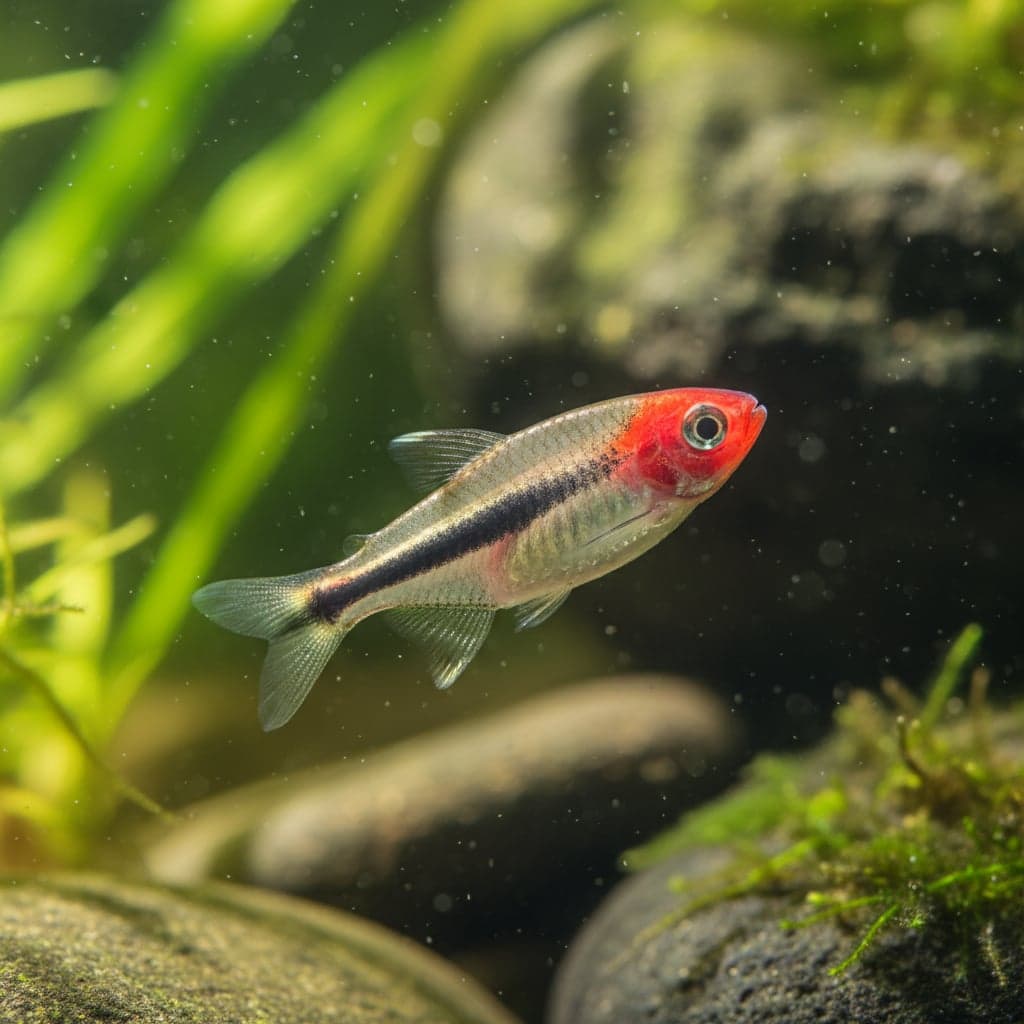
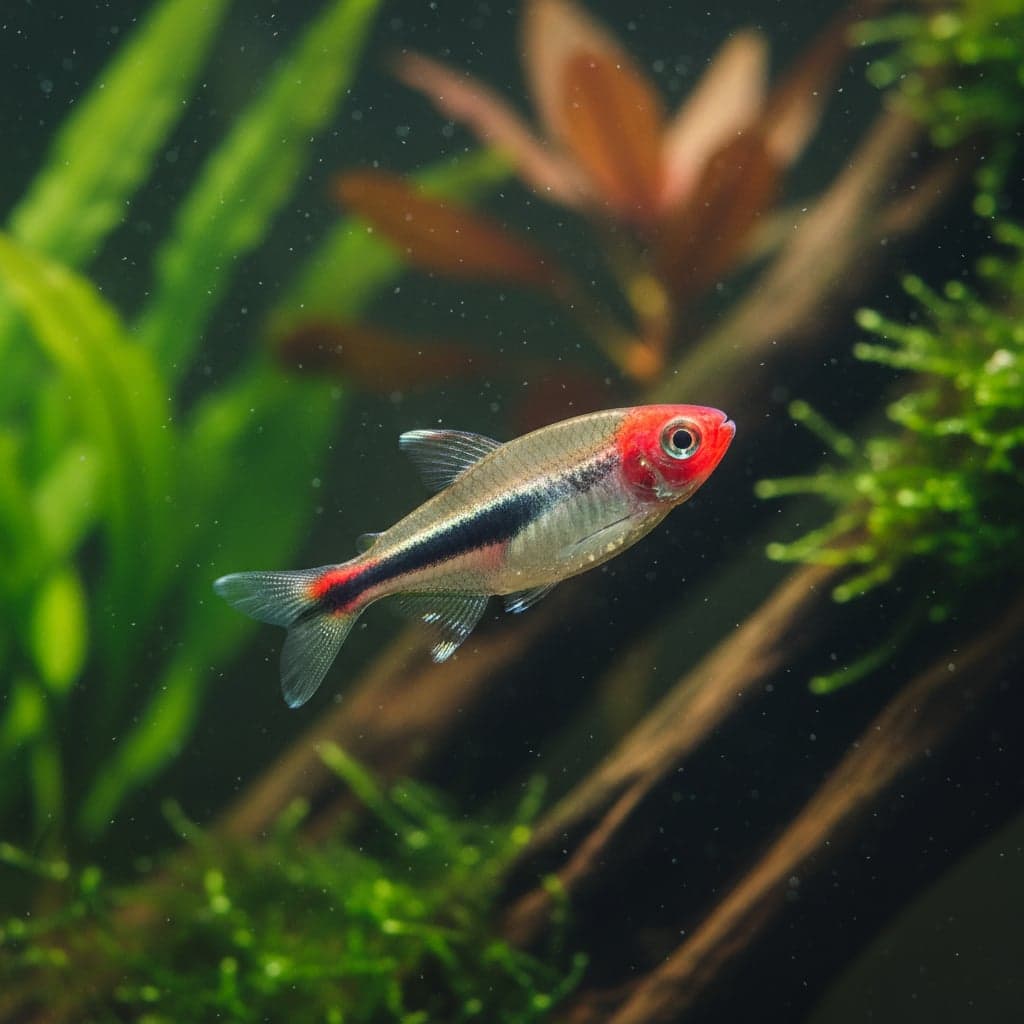
The Cardinal Tetra, scientifically known as Paracheirodon axelrodi, is a small, vibrant freshwater fish native to the Amazon Basin in South America. Renowned for its stunning coloration, this species features a striking blue body complemented by a vivid red stripe that runs from the middle of its body to the base of the tail. This eye-catching coloration makes the Cardinal Tetra a favorite among aquarium enthusiasts and a staple in community tanks. Its small size, typically reaching around 1.5 inches (4 cm) in length, allows it to thrive in various aquarium setups, attracting the attention of both beginners and experienced aquarists alike. Furthermore, the Cardinal Tetra's peaceful demeanor and schooling behavior make it an ideal candidate for community tanks, where it can display its natural behaviors in harmony with other compatible species.
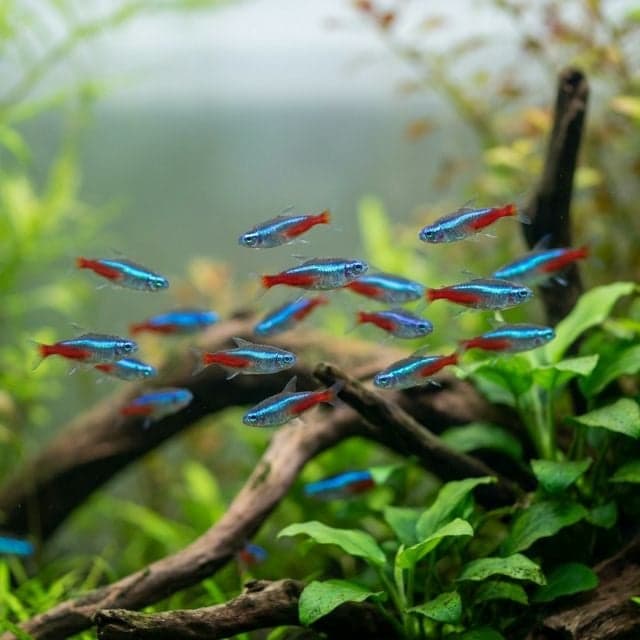
In addition to its aesthetic appeal, the Cardinal Tetra holds significant cultural and ecological importance. As a shoaling fish, it naturally forms large groups in the wild, creating mesmerizing displays as they swim together. This social behavior enhances its visual dynamism in the aquarium setting, providing both movement and color to the aquatic environment. Moreover, its adaptability to various conditions has contributed to its widespread popularity in the aquarium hobby. Beyond aesthetics, the Cardinal Tetra plays a crucial role in the ecosystem of the Amazon tributaries, participating in the food web and contributing to the health of its natural habitat.
Natural Habitat & Origin
The Cardinal Tetra originates from the clear waters of the Amazon River Basin, particularly in regions that include parts of Brazil, Colombia, and Peru. It is primarily found in blackwater environments, where the water is stained dark due to decomposing organic material like leaves and wood. These habitats often have slow-moving waters with a variety of submerged vegetation, providing both shelter and breeding grounds. The high levels of tannins present in blackwater habitats contribute to the relatively low pH and softness of the water, creating an environment that is rich in biodiversity. Understanding these natural conditions is vital for replicate aquarium environments, allowing hobbyists to create a suitable habitat for their Cardinal Tetras.
In the wild, Cardinal Tetras inhabit the upper levels of freshwater streams and floodplains, where they can easily school and forage for food among floating plant debris. The presence of dense vegetation is essential, as it provides both safety from predators and ample foraging opportunities. These environmental factors play a crucial role in the overall health and behavior of the species, making the conservation of their natural habitats imperative for the sustainability of Cardinal Tetra populations.
Care Requirements
Creating a suitable environment for Cardinal Tetras requires attention to specific water parameters and tank setup. ideal water conditions include a temperature range of 73°F to 82°F (23°C to 28°C) with a pH level between 5.5 and 7.0. A hardness level of 2 to 10 dGH is recommended for optimal health. Given their natural habitat, it’s crucial to maintain a soft, slightly acidic water profile that mimics their blackwater origins. Regular water changes and monitoring of these parameters are vital for preventing stress and disease.
The tank setup for Cardinal Tetras should include a minimum size of 10 gallons, allowing ample space for swimming and social interaction. A soft substrate, such as fine gravel or sand, is ideal, as it complements their natural foraging behavior. Incorporating live plants like java moss, floating plants, and dense vegetation not only enhances the aesthetic appeal but also provides hiding spots, promoting a sense of security for the fish. Moderate lighting is recommended, along with shaded areas created by plants or driftwood, to replicate the dappled lighting typical in their native environments.
Diet & Feeding
As omnivores, Cardinal Tetras enjoy a varied diet that includes both plant and animal-based foods. In the aquarium, they should be fed a high-quality flake or pellet food designed for tropical fish, which provides essential nutrients for their overall health. Additionally, supplementing their diet with frozen or live foods such as brine shrimp, daphnia, or bloodworms will help maintain vibrant coloration and promote active behaviors. It's important to provide small food particles that they can easily consume, considering their small size.
Feeding should occur multiple times a day in small amounts, ensuring that all fish have an opportunity to eat without overfeeding, which can lead to water quality issues. Observing their feeding behavior can also provide insights into their health; a lack of interest in food may indicate stress or illness.
Behavior & Temperament
Cardinal Tetras are known for their peaceful and social nature. They thrive in schools of at least six individuals, as this allows them to exhibit their natural behaviors of schooling and foraging. In smaller groups, individuals may become shy and less active, so providing a larger school enhances their overall confidence and well-being. Within the confines of planted tanks, they tend to swim in the upper to mid-level regions, although they may occasionally venture closer to the substrate, especially during feeding times.
Their calm demeanor makes them compatible with a wide range of tank mates, but it's essential to avoid aggressive species that could stress them or disrupt their schooling behavior. Overall, maintaining a well-planned aquarium setup with adequate companions will ensure a harmonious environment for these charming fish.
Tank Mates
When considering tank mates for the Cardinal Tetra, it’s essential to choose species that share similar water parameters and temperaments. Compatible species include community-friendly fish like other small tetras (neon tetras, ember tetras), rasboras, corydoras catfish, and peaceful dwarf cichlids such as Apistogramma. Shrimp species like cherry shrimp and snails can also coexist well with Cardinal Tetras, contributing to the tank's biodiversity without causing alterations in behavior.
Conversely, it’s crucial to avoid aggressive or larger fish that may snack on or bully the Cardinal Tetras. Species to avoid include most cichlids (with a few exceptions) and larger barbs or semi-aggressive fish like the betta or larger catfish. The primary goal is to ensure that all tank inhabitants can thrive without the risk of stress or harm.
Breeding
Breeding Cardinal Tetras in captivity can be successfully achieved by replicating their natural spawning conditions. They prefer to spawn in soft, acidic water, so setting up a breeding tank with soft, low-light conditions is crucial. Providing ample dense vegetation, such as spawning mops or fine-leaved plants, will also facilitate the breeding process. A separate breeding tank of at least 10 gallons, with a temperature maintained at approximately 78°F to 80°F (25°C to 27°C), is optimal for breeding.
During spawning, females typically lay 100 to 400 eggs, which are adhesive and will attach themselves to the vegetation. After spawning, it's advisable to remove the adult fish from the breeding tank to prevent them from eating the eggs. The eggs usually hatch within 24 to 36 hours, with fry becoming free-swimming after about a week. Careful attention to fry feeding should commence with infusoria or finely crushed flake food to support their early growth stages.
Common Health Issues
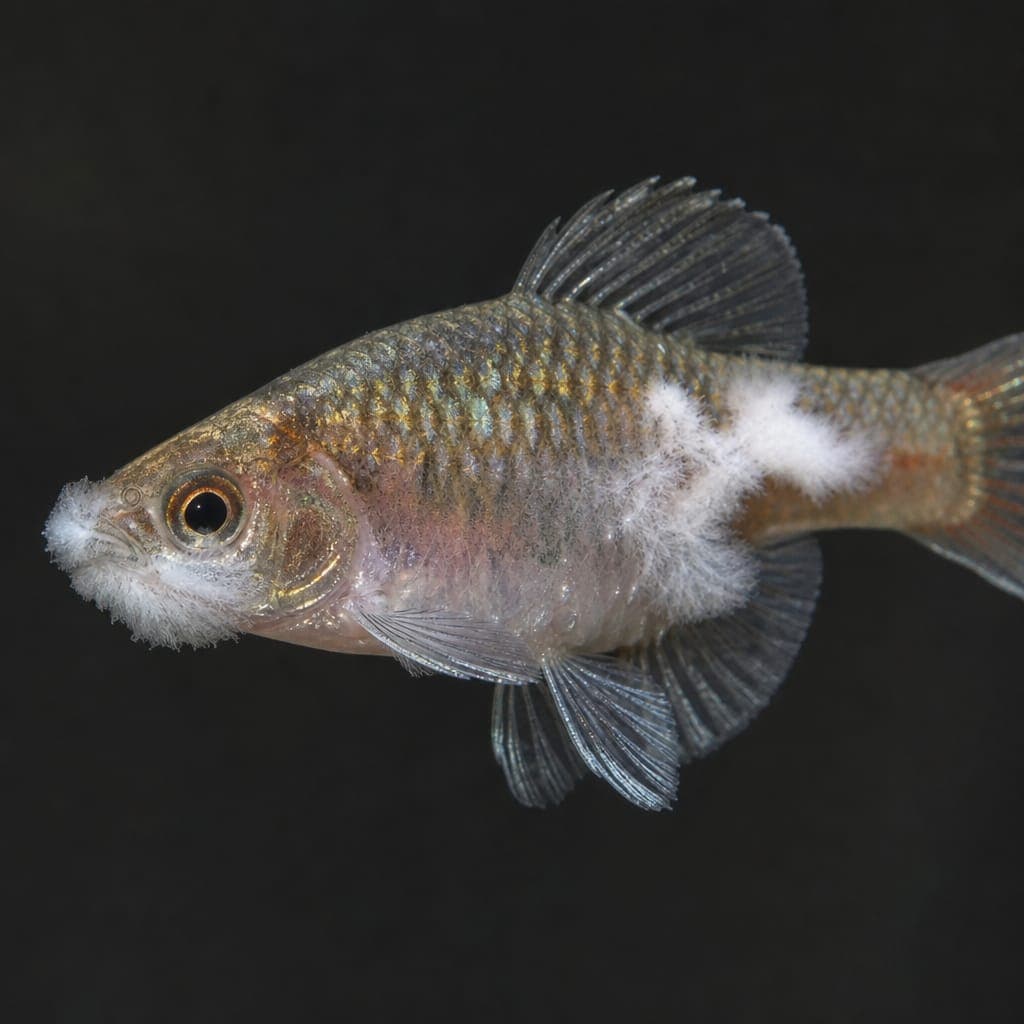
Cardinal Tetras are generally hardy fish but can be susceptible to a few health issues, particularly when stressed or subjected to poor water conditions. Common ailments include ich (Ichthyophthirius multifiliis), velvet (Piscinoodinium), and bacterial infections like columnaris (sometimes confused with Neon Tetra Disease). Unlike neon tetras, cardinal tetras are slightly more resilient against true Neon Tetra Disease (Pleistophora hyphessobryconis), but they remain exceptionally sensitive to poor water quality, elevated nitrates, and sudden pH swings. To maintain their health, always acclimate them slowly to new aquariums, perform consistent weekly water changes, and provide soft, tannin-rich water. Kept in stable conditions with good nutrition, a school of Cardinal Tetras will thrive for several years, illuminating your aquascape with brilliant, unbroken neon red and blue.