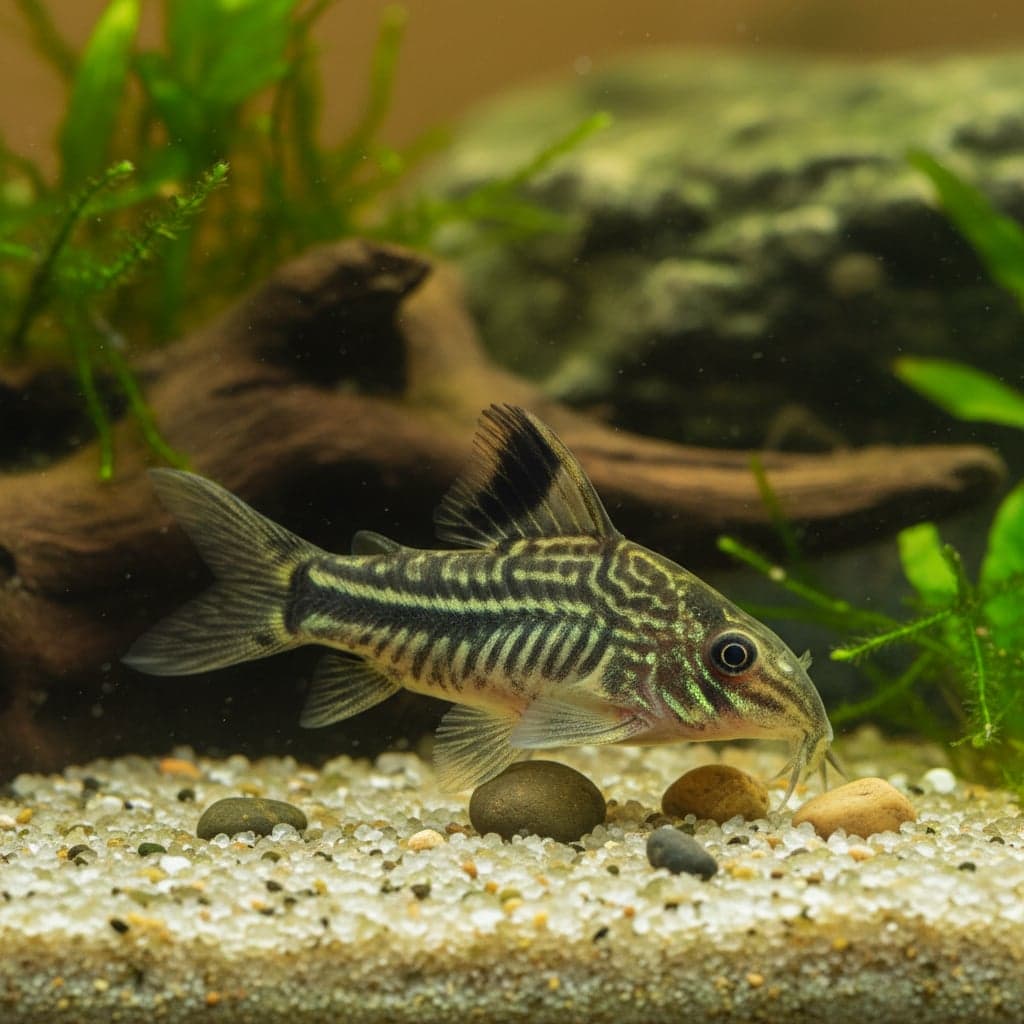
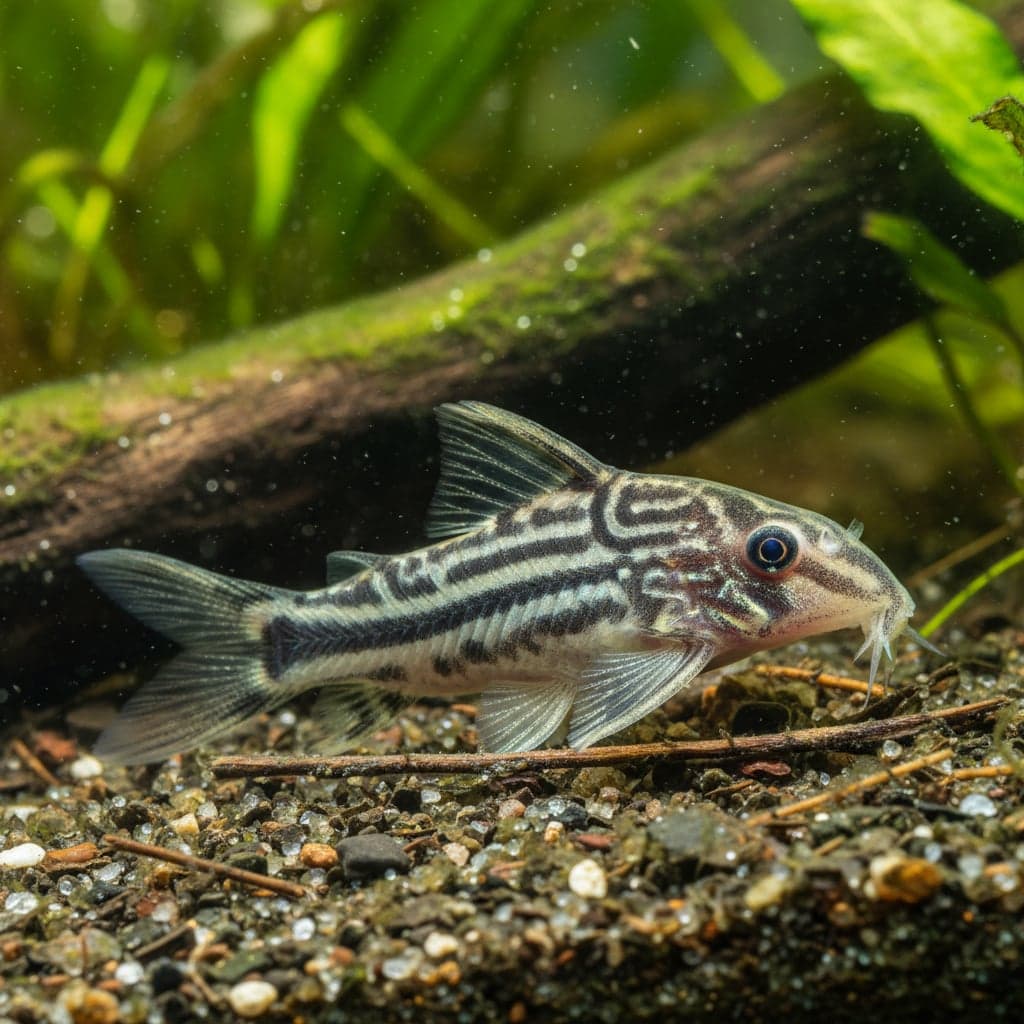
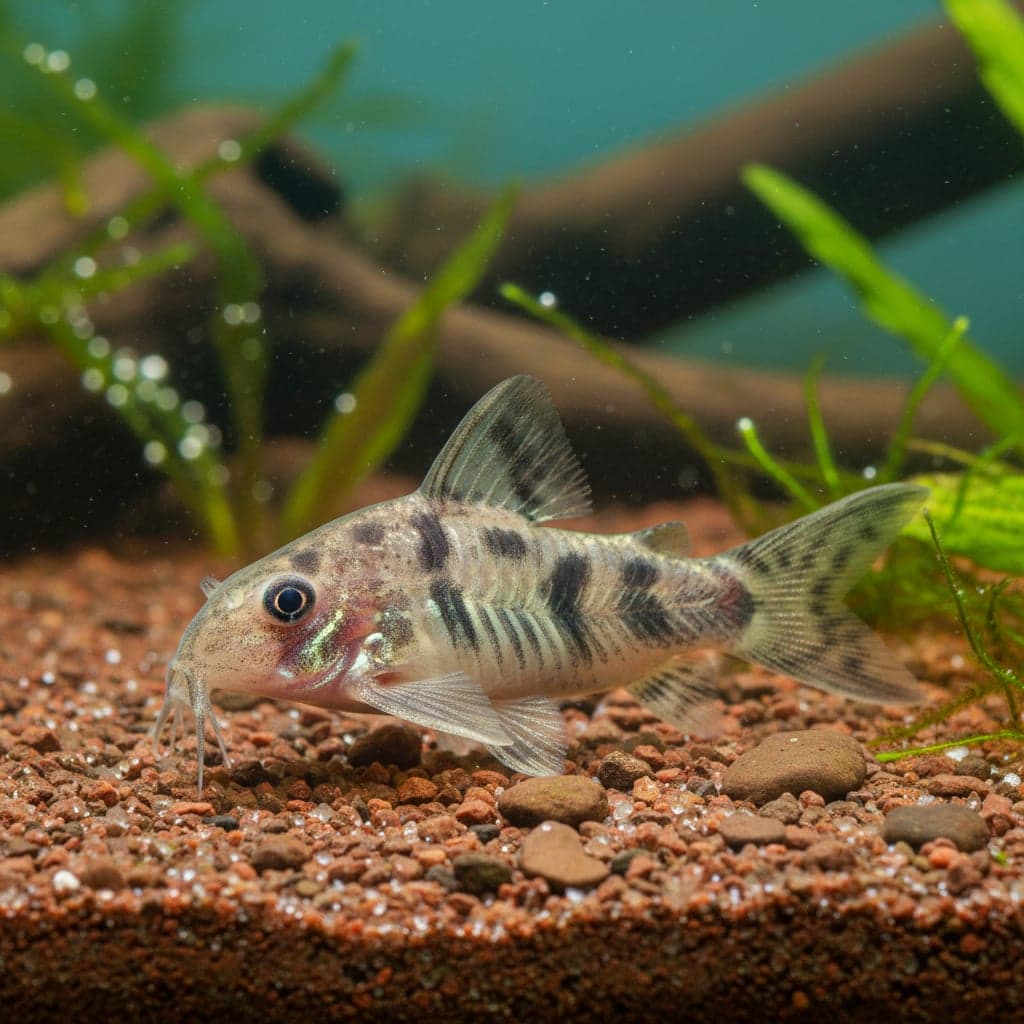
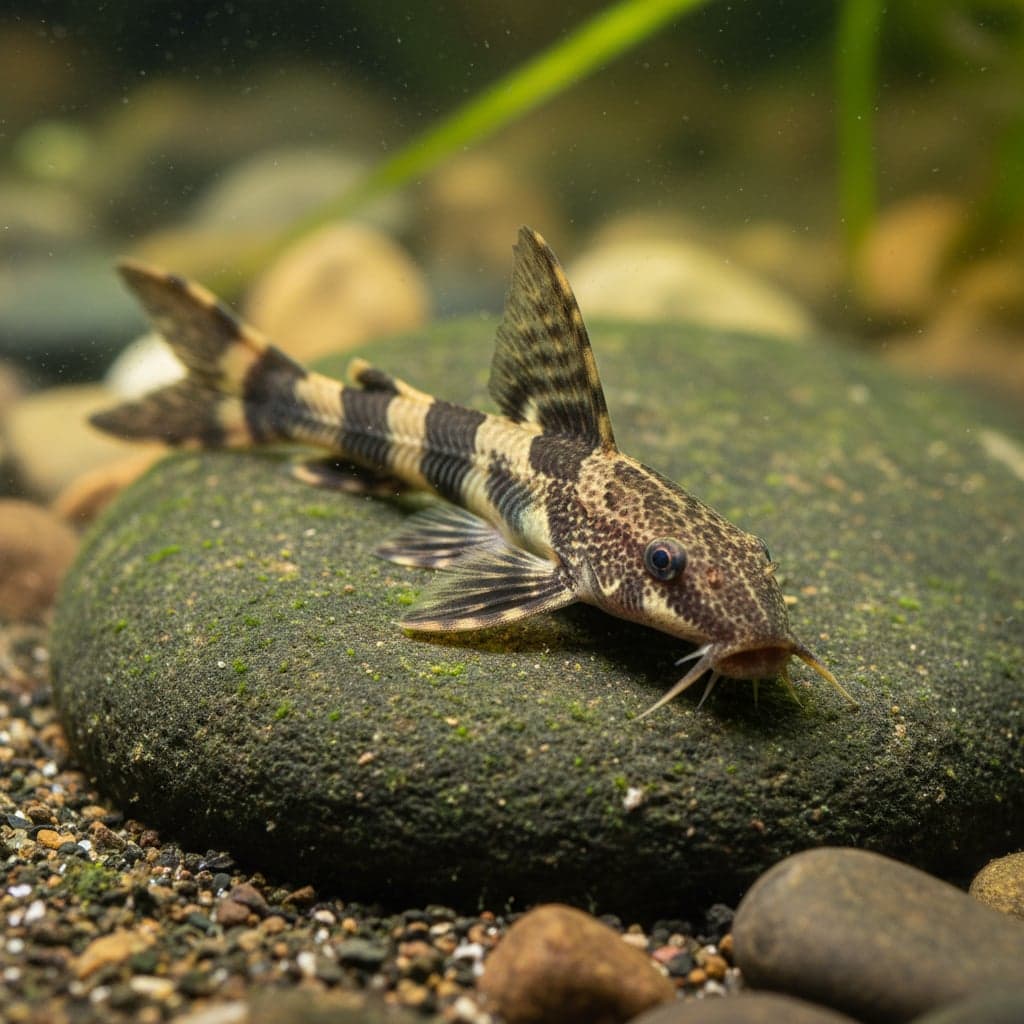
Chameleon Fish: Badis badis
A small Nandid that changes color based on mood and environment. Excellent for nano tanks.
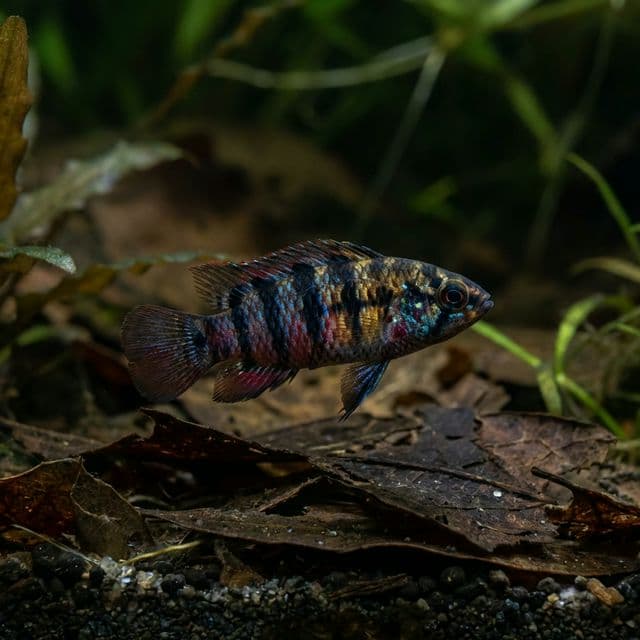
Chameleon Fish
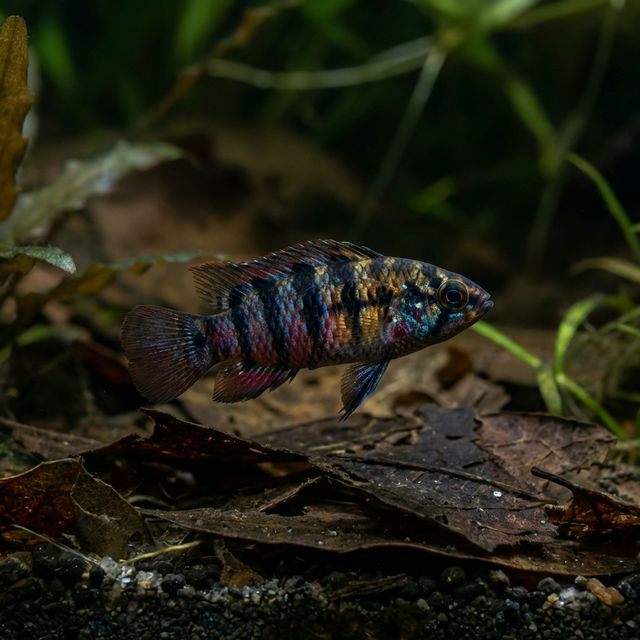
The Chameleon Fish, scientifically known as Badis badis, is a captivating freshwater species renowned for its stunning coloration and unique behavioral traits. Native to the slow-moving waters of South and Southeast Asia, this fish displays an incredible range of hues, including bright blues, greens, and yellows, often interspersed with dark stripes or spots. Such vibrant colors, combined with a compact body shape that reaches up to 2.5 inches in length, make the Chameleon Fish a favorite among aquarists looking to add a visually striking element to their tanks.
In addition to its aesthetic appeal, the Chameleon Fish holds significant value in the aquarium hobby. Its fascinating behaviors and adaptability to various tank setups provide an engaging experience for both novice and experienced aquarists. With its tendency to change colors according to mood or environment, the Chameleon Fish not only enriches the visual dynamics of an aquarium but also offers a glimpse into the complexities of aquatic life. Enthusiasts appreciate this species for its relative ease of care and compatibility with a variety of tank mates, solidifying its place as a popular choice for community tanks.
Natural Habitat & Origin
The Chameleon Fish hails from the freshwater rivers and streams of India, Bangladesh, Myanmar, and surrounding regions. It predominantly resides in habitats characterized by blackwater ecosystems, where water is stained with tannins released from decaying organic matter, creating an acidic environment. This species thrives in slightly acidic to neutral pH levels and favors warm waters ranging between 75°F to 85°F (24°C to 29°C). Its natural habitat typically features dense vegetation, submerged roots, and minimal water flow, providing essential cover and breeding sites.
These environmental factors contribute significantly to the fish's coloration and behavior. In their native waters, Chameleon Fish often inhabit shallow areas replete with aquatic plants, where they can employ their stunning colors for communication and camouflage. As such, replicating these conditions in an aquarium is crucial for their health and vitality, allowing them to flourish while showcasing their beautiful appearance.
Care Requirements
When setting up a tank for Chameleon Fish, proper care and attention to water parameters are essential. The ideal pH should range from 6.0 to 7.5, while the temperature should be consistently maintained between 75°F and 82°F (24°C to 28°C). A water hardness level of 5 to 15 dGH is recommended to closely mimic their natural habitat and promote overall wellbeing.
As for the tank setup, a minimum aquarium size of 10 gallons is advised, providing ample swimming space and hiding spots. A soft substrate such as sand or fine gravel will protect their delicate bodies, while plenty of live plants, driftwood, and rocks can create a sense of security and encourage natural behaviors. Lighting should be moderate to low, as excessive brightness can stress these fish, more accustomed to the dim light of their blackwater homes.
Diet & Feeding
Chameleon Fish are classified as carnivores, but they exhibit omnivorous tendencies, making them versatile eaters. In the wild, their diet primarily consists of small invertebrates, insects, and zooplankton. In captivity, a balanced diet can be achieved through a combination of high-quality flakes, pellets, and a variety of frozen or live foods. Offer a mix that includes brine shrimp, daphnia, and micro-worms to ensure they receive the necessary nutrition. It's advisable to feed them multiple small meals throughout the day rather than one large feeding, as this aligns with their natural feeding habits and helps prevent digestive issues.
Incorporating vegetable matter into their diet is also beneficial; options like blanched spinach or spirulina can promote overall health. Observing their feeding behavior is crucial—Chameleon Fish typically feed at various levels in the tank, so it’s essential to ensure that all fish are receiving enough food, especially if kept in community tanks.
Behavior & Temperament
The Chameleon Fish is known for its peaceful demeanor, although it can be somewhat territorial, especially when it comes to hiding spots and breeding grounds. This species is best kept in small groups or pairs, as they enjoy social interactions but may display aggression if overcrowded. It is important to allow adequate space for each fish to establish its territory without undue stress.
Their behavior is influenced by the vertical arrangement of your aquarium; Chameleon Fish tend to dwell in the lower to middle levels of the tank. Observing their interactions can be a rewarding experience, as they often display fascinating courtship behaviors and color changes depending on their mood, making them an engaging addition to a community aquarium.
Tank Mates
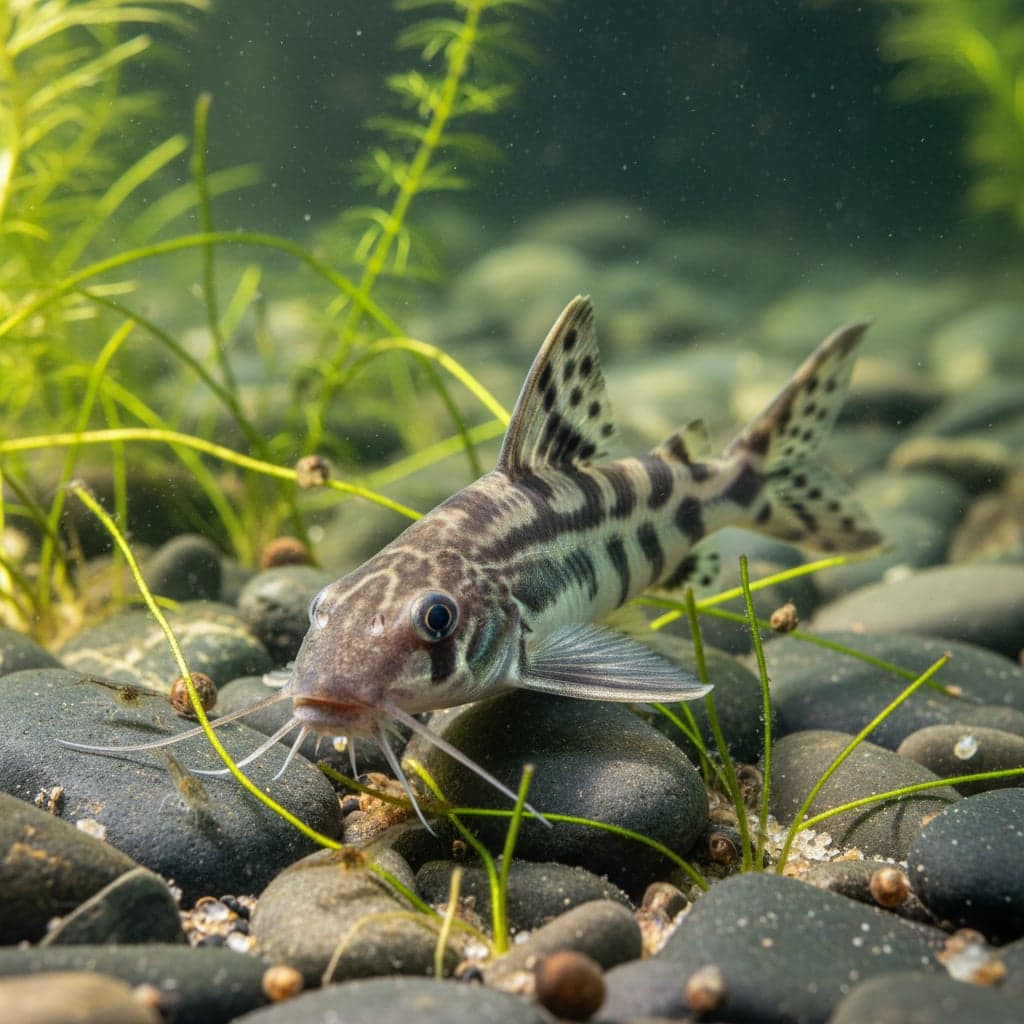
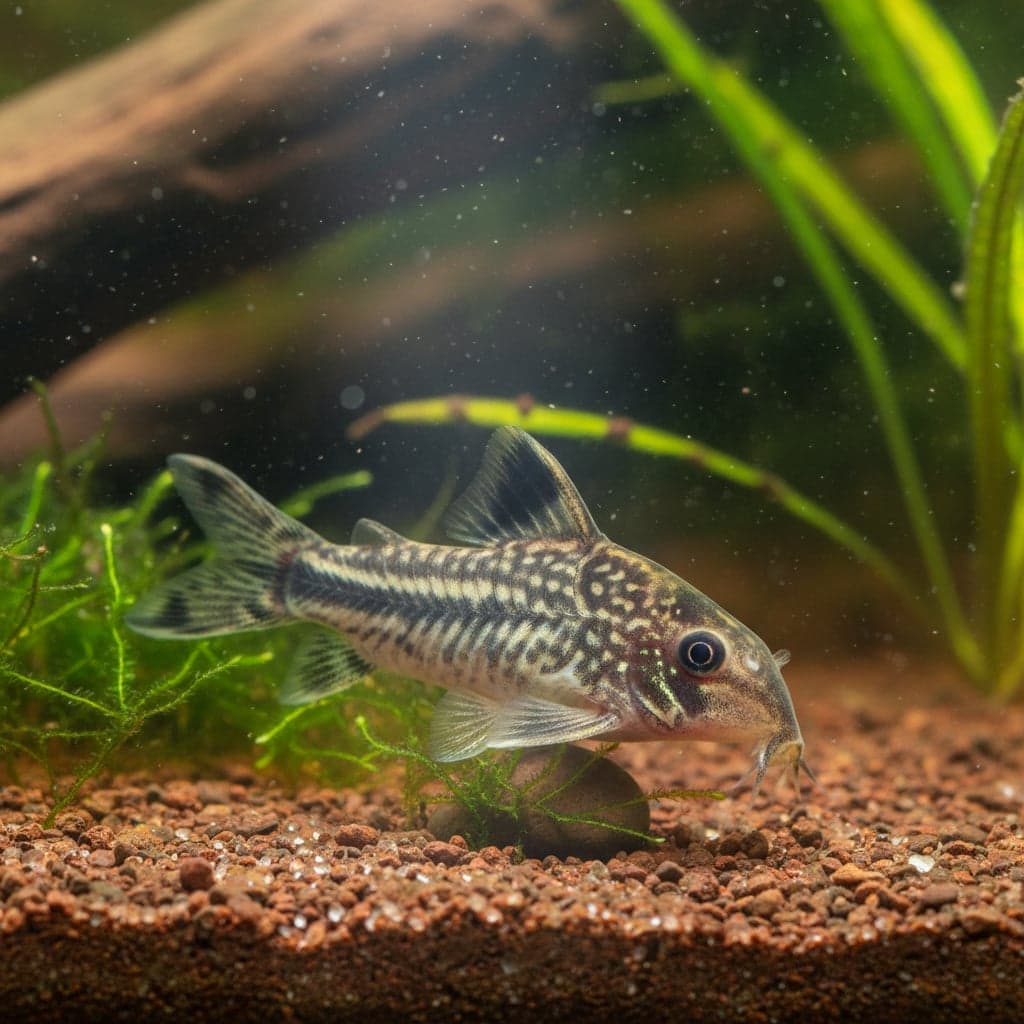
When selecting tank mates for Chameleon Fish, it's crucial to choose species that are similarly sized and have compatible temperaments. Suitable companions include small to medium-sized tetras, rasboras, danios, and certain species of corydoras. Avoid larger, more aggressive fish that may intimidate or harass the Chameleon Fish, as well as species known for fin nipping, such as certain barbs.
Consider also the tank layout when choosing tank mates; structures providing hiding spaces and territories will help minimize aggression. Peaceful co-habitants will allow the Chameleon Fish to exhibit its natural behaviors without stress, leading to a thriving aquarium environment.
Breeding
Breeding Chameleon Fish can be a rewarding endeavor, though it requires specific conditions to encourage successful spawning. Males are generally more vibrant in color and establish territories during courtship displays. To initiate breeding, provide a well-planted aquarium with soft water and a temperature of approximately 80°F (27°C). Additionally, creating areas for spawning, such as floating plants or fine-leaved vegetation, will improve the chances of successful reproduction.
During spawning, the female will lay eggs, typically adhesive in nature, which the male fertilizes. Post-spawning, it is best to separate the adults from the eggs to prevent them from consuming their offspring. Within a few days, the eggs will hatch, and the fry should be fed infusoria or powdered foods until they are large enough to accept finely crushed flakes or small brine shrimp.
Common Health Issues
The Chameleon Fish is generally hardy; however, like any aquarium fish, it can be susceptible to certain health issues. Common diseases include ich (Ichthyophthirius multifiliis), fin rot, and swim bladder disorder. To prevent these ailments, maintain optimal water quality through regular testing and water changes, ensuring that the parameters remain stable.
To mitigate ich, quarantine new arrivals before introducing them to the main tank, as well as providing adequate temperature and salinity adjustments as needed. Additionally, monitor for signs of stress, such as color loss or lethargy, which may indicate poor water conditions or aggressive tank mates. By maintaining a robust and balanced environment, aquarists can help ensure the long-term health and vitality of their Chameleon Fish.