Chipokae: Melanochromis chipokae
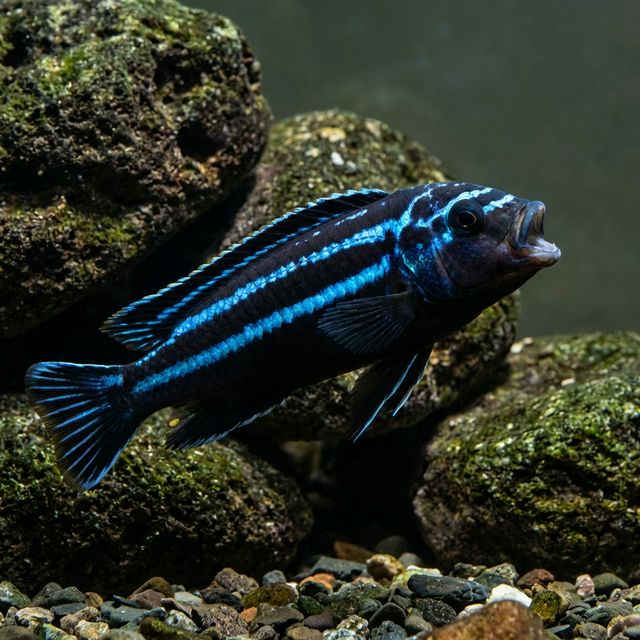
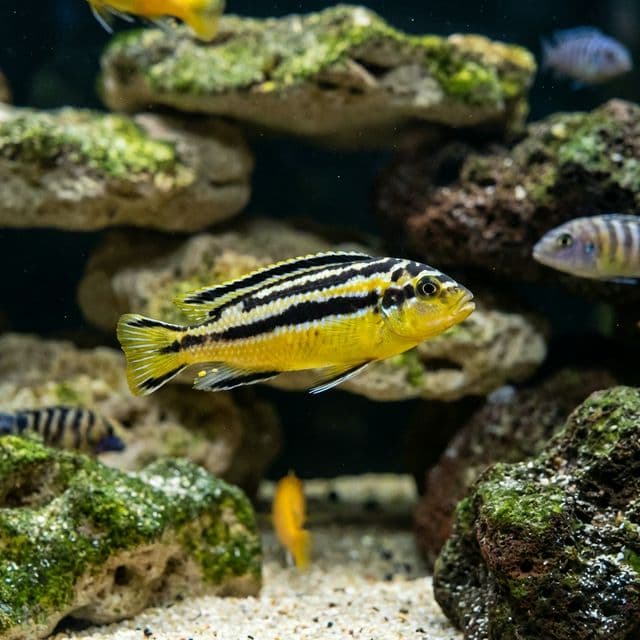
A large, predatory Mbuna. Very aggressive but colorful with horizontal stripes.

Chipokae
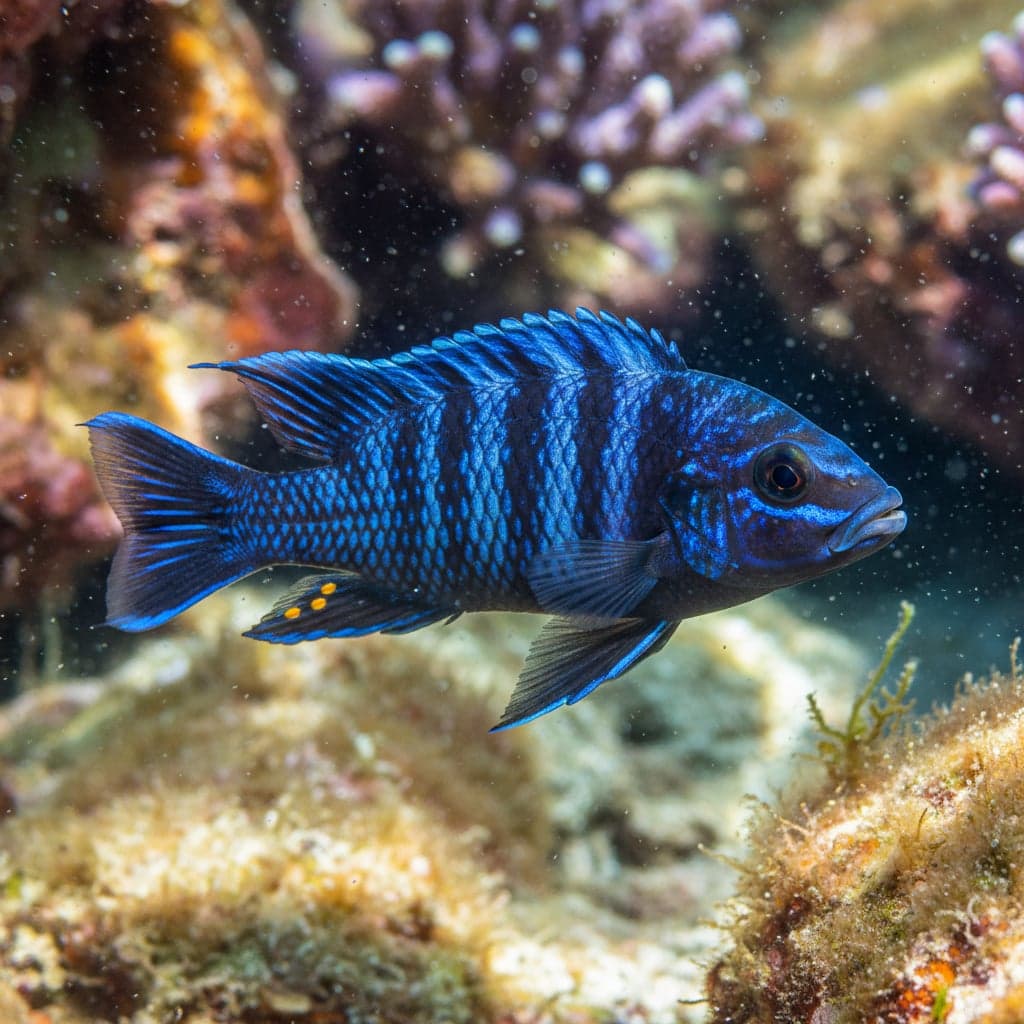
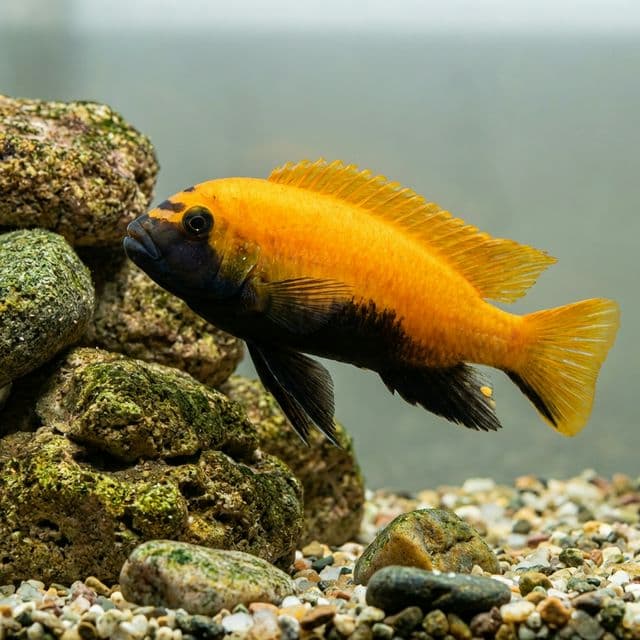
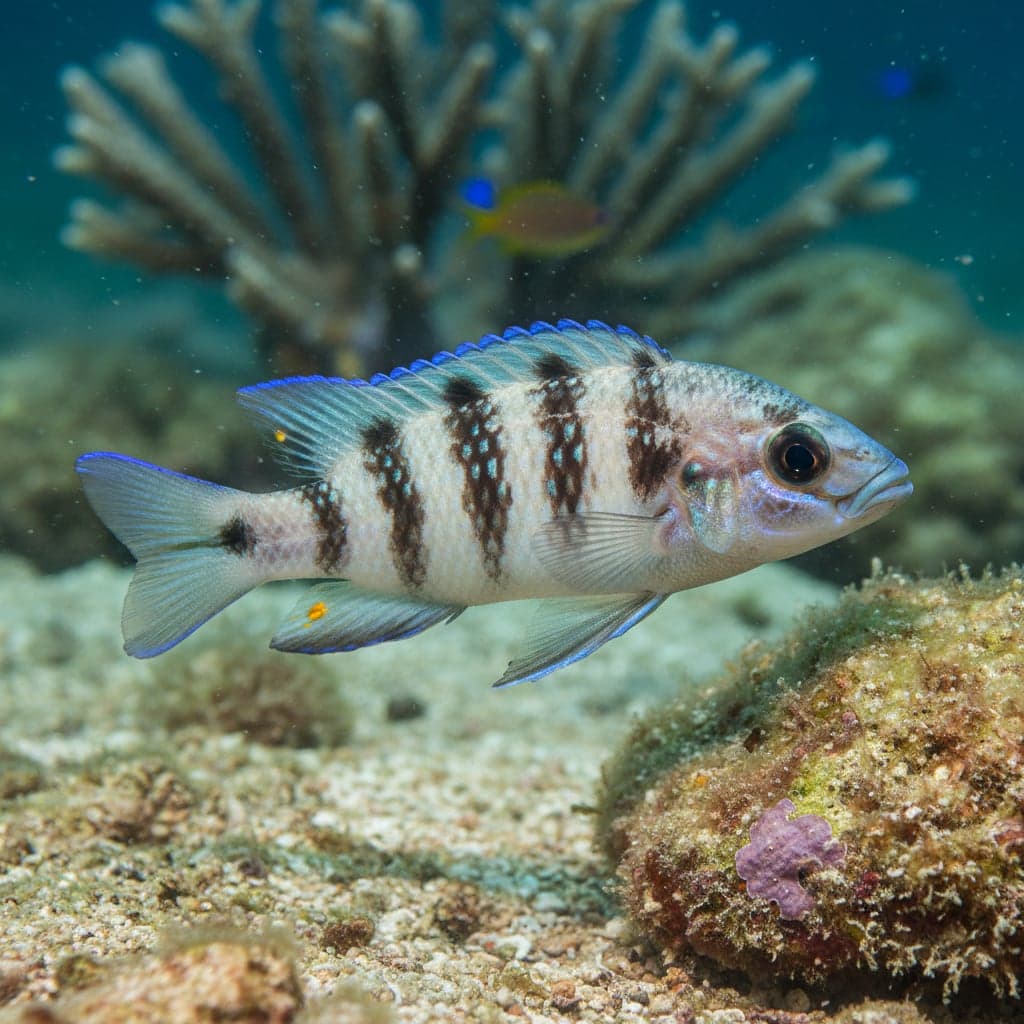
The Chipokae, scientifically known as Melanochromis chipokae, is a strikingly beautiful cichlid that hails from the depths of Lake Malawi in East Africa. This fish is particularly sought-after in the aquarium hobby for its vibrant coloration, typically showcasing striking shades of blue and yellow. The males are especially noted for their electric blue bodies interspersed with vibrant yellow spots and stripes, making them a standout species in any cichlid collection. Besides its aesthetic appeal, the Chipokae is significant in the aquarium trade due to its relatively hardy nature and ability to adapt to a variety of tank environments, even for novice aquarists interested in maintaining a diverse African cichlid setup.
In terms of behavioral characteristics, the Chipokae displays a captivating blend of curious and territorial traits, which adds an extra layer of intrigue to any aquatic environment. They exhibit engaging social behaviors, often establishing hierarchies within their groups. This species is not only a feast for the eyes but also a captivating subject for observation, providing aquarists with an enriching experience as they watch their lively interactions and behaviors unfold.
Natural Habitat & Origin
The natural habitat of the Chipokae is predominantly within the rocky substrates of Lake Malawi, which features a unique eco-system characterized by clear, alkaline waters rich in minerals. The fish typically prefer depths ranging from shallow to moderately deep waters, where they find shelter among rocky crevices and caves. The water conditions in this environment are highly specific—generally, the pH ranges from 7.5 to 8.5, with temperatures averaging between 24°C to 28°C (75°F to 82°F). The clearwater environment of Lake Malawi provides excellent visibility, allowing these fish to exhibit their brilliant colors that are highly sought after by aquarium enthusiasts.
The Chipokae has adapted to this habitat, developing not only its stunning physical appearance but also behavioral traits that allow it to thrive in a competitive environment. This fish primarily feeds on smaller organisms found in its natural habitat, including zooplankton and small invertebrates, contributing to its growth and vibrant coloration. Understanding its natural origin is crucial for any aquarist aiming to provide the best conditions for this species in captivity.
Care Requirements
When it comes to care requirements, the Chipokae demands specific water parameters to thrive. Ideal conditions include a pH range of 7.5 to 8.5, a temperature of 24°C to 28°C (75°F to 82°F), and moderate hardness levels between 10 to 15 dGH. A well-maintained environment helps prevent stress and promotes the health of this striking cichlid.
In terms of tank setup, a minimum tank size of 150 liters (around 40 gallons) is recommended to provide ample swimming space and territories essential for the Chipokae. The substrate should comprise fine to medium gravel or sand to mimic its natural rocky habitat, while the addition of caves and driftwood will offer hiding spots and breeding sites. Lighting should be moderate to strong, as this mimics the clear waters of Lake Malawi. While live plants may be included, be aware that many cichlids have a tendency to dig; therefore, utilizing hardy species or artificial alternatives can prevent frequent disruptions.
Diet & Feeding
The Chipokae is classified as an omnivore, though it leans more towards a carnivorous diet in its natural habitat. In captivity, it thrives on a balanced diet that includes high-quality cichlid pellets and flakes supplemented with frozen or live foods such as brine shrimp, daphnia, and bloodworms. It is critical to vary their diet to ensure optimum health and enhance coloration; consider small portions several times a day rather than a single large feeding session. Such feeding practices not only keep the fish active but also help maintain good water quality by preventing excessive waste buildup from uneaten food.
Behavior & Temperament
Social behavior among Chipokae can be described as active and sometimes aggressive, particularly during the breeding season or when establishing territory. These fish are known to exhibit vertical placement in the tank, often claiming specific areas as their own, making it essential to provide plenty of hiding spots and territories to mitigate aggression. It is recommended to keep them in groups with a higher number of females to balance out the male-to-female ratio and soften potential aggression between males. The active swimming habits of the Chipokae may also lead them to be quite inquisitive, often investigating any changes in their environment.
Tank Mates
When selecting tank mates for the Chipokae, it is important to consider other Malawi cichlids or similarly sized species with compatible temperaments. Suitable tank mates include species like the Electric Yellow Cichlid (Labidochromis caeruleus), the Acei Cichlid (Pseudotropheus acei), and the Swordtail Cichlid (Pseudotropheus socolofi). Avoid pairing them with smaller or more tranquil fish such as neon tetras or guppies, as Chipokae may see them as prey. Also, cautious selections are warranted when considering pairing with other aggressive cichlids like the Peacock Cichlids (Aulonocara spp.), as territorial disputes can escalate to significant aggression.
Breeding
Breeding the Chipokae in captivity can be a rewarding experience for aquarists. These fish exhibit a mouth-brooding behavior, where the female will carry and protect the fertilized eggs in her mouth. To encourage breeding, the aquarium should be adequately spacious, with a stable environment that replicates their natural habitat: a pH of 7.5 to 8.5, temperature around 26°C to 28°C (79°F to 82°F), and plenty of hiding spots. It’s beneficial to include flat surfaces or caves where females can lay eggs, as females will often choose these areas to spawn. After successful spawning and hatching, it’s crucial to provide the female a safe space to care for her fry until they can swim independently.
Common Health Issues
The Chipokae is generally hardy, but like all aquarium fish, it can be prone to certain health issues. Common diseases include Ich (Ichthyophthirius multifiliis), which manifests as white spots, and various forms of fin rot, usually resulting from poor water quality or stress. To prevent these issues, maintain consistent water parameters, perform regular water changes, and observe for signs of stress or illness. Implementing a proper quarantine process for new fish can also reduce the risk of introducing diseases into your established aquarium. Good nutrition and stress-free environments will contribute significantly to the long-term health of your Chipokae.