Chocolate Cichlid: Hypselecara temporalis
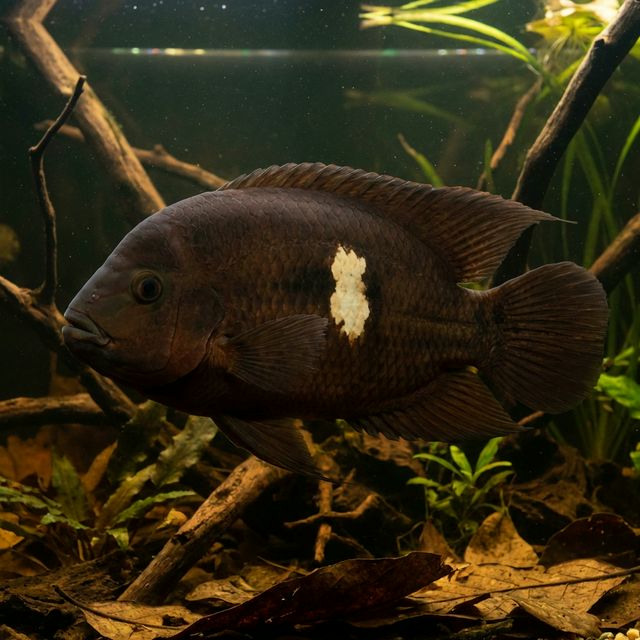
A large, gentle South American cichlid. Rich chocolate brown with emerald and wine-red hues.

Chocolate Cichlid
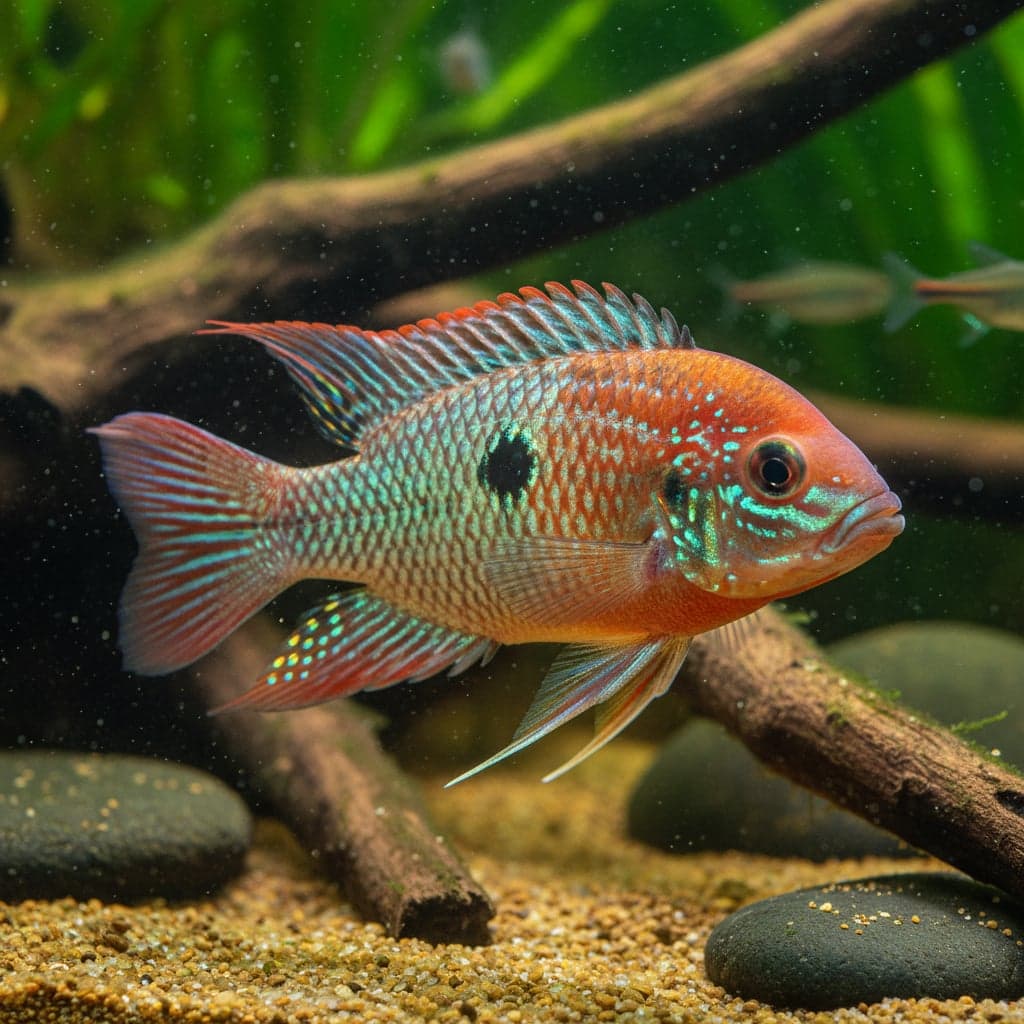
The Chocolate Cichlid, scientifically known as Hypselecara temporalis, is an enticing species among aquarists due to its unique aesthetics and captivating behavior. Characterized by its rich, chocolate-brown coloration accented with vibrant spots in shades of orange and yellow, this cichlid stands out in any aquascape. With its rounded body and prominent dorsal and anal fins, the Chocolate Cichlid combines visual appeal with a dynamic personality, making it a popular choice for both novice and seasoned aquarists. These fish are often admired not just for their beauty but also for their interesting social behaviors and adaptability in home aquaria.
In the aquarium hobby, the Chocolate Cichlid holds significance as both a display fish and a pet that exhibits endearing personality traits. With its curious nature, this cichlid often interacts with its environment and its keepers, inviting a deeper connection. Many aquarists appreciate the Chocolate Cichlid's ability to adapt to various tank setups, which opens the door for creative aquascaping options. This versatile fish is not only a stunning addition to a community tank but also serves as an educational highlight for hobbyists looking to explore the diverse world of cichlids.
Natural Habitat & Origin
The Chocolate Cichlid hails from the slow-moving rivers and streams of the Amazon Basin, particularly in regions of Colombia and Venezuela. This geographical origin introduces the fish to habitats characterized by blackwater systems, where the water is stained dark from decaying plant matter and other organic substances. This environment offers a unique ecological niche, with soft, acidic waters that are rich in tannins and provide shelter in the form of submerged branches and vegetation. Such natural habitats influence the Chocolate Cichlid's coloration and behavior, as the dimly lit conditions of their native waters require them to navigate and thrive in differently structured environments.
In its natural habitat, the Chocolate Cichlid encounters a variety of aquatic flora, which plays a crucial role in providing both shelter and foraging opportunities. The presence of fallen leaves and decayed vegetation contributes to the microfauna that constitutes the fish's diet. Understanding the intricacies of these natural conditions is essential for aquarists aiming to replicate a similar environment in captivity and ensure the health and vibrancy of these captivating fish.
Care Requirements
Maintaining optimal water parameters is crucial for the well-being of the Chocolate Cichlid. A pH level between 6.0 to 7.5 is ideal, ensuring the water remains on the softer side. The temperature should be kept within a range of 75°F to 82°F (24°C to 28°C), while water hardness can be maintained between 5 to 15 dGH. It is essential to provide a well-filtered aquarium to maintain water quality, as this species can be sensitive to fluctuations in environmental conditions.
When setting up a tank for Chocolate Cichlids, a minimum size of 50 gallons is recommended, allowing adequate swimming space and territories for each fish. Substrate can consist of sand or fine gravel, which mimics their natural habitat and allows for burrowing behavior. Incorporating a variety of hiding spots using driftwood, rocks, and live plants will enhance their comfort and reduce stress levels. Moderate lighting is best, as it resonates with the conditions of their natural habitat while promoting plant growth and providing a balance within the tank environment.
Diet & Feeding
The Chocolate Cichlid is an omnivorous fish that thrives on a varied diet, making it a relatively easy species to feed. In captivity, they benefit from a combination of high-quality flakes, pellets, and frozen or live foods that include brine shrimp, bloodworms, and daphnia. Offering a balanced diet not only promotes vibrant coloration but also supports overall health and vitality. Additionally, incorporating vegetable matter, such as blanched zucchini or spirulina, can enhance their digestive health.
Feeding should be done two to three times per day, using small portions that can be consumed within a few minutes to prevent water quality issues. Keeping a diversified diet is important to ensure they receive all necessary nutrients, promoting optimal growth and reducing the risk of nutritional deficiencies.
Behavior & Temperament
Chocolate Cichlids exhibit both curious and territorial behavior, making them engaging inhabitants of the aquarium. They tend to be semi-aggressive, particularly during breeding periods when they can become more assertive in defending their territory. Unlike some other cichlid species, they are not excessively aggressive, which allows them to coexist with appropriately sized tank mates.
These fish are not schooling fish; they do best in pairs or small groups that allow them to establish hierarchies. Within the tank, they prefer the lower to mid-level areas, often exploring the substrate and utilizing hiding spots. Providing adequate territory and shelter can help minimize aggression, allowing them to thrive in a community setting.
Tank Mates
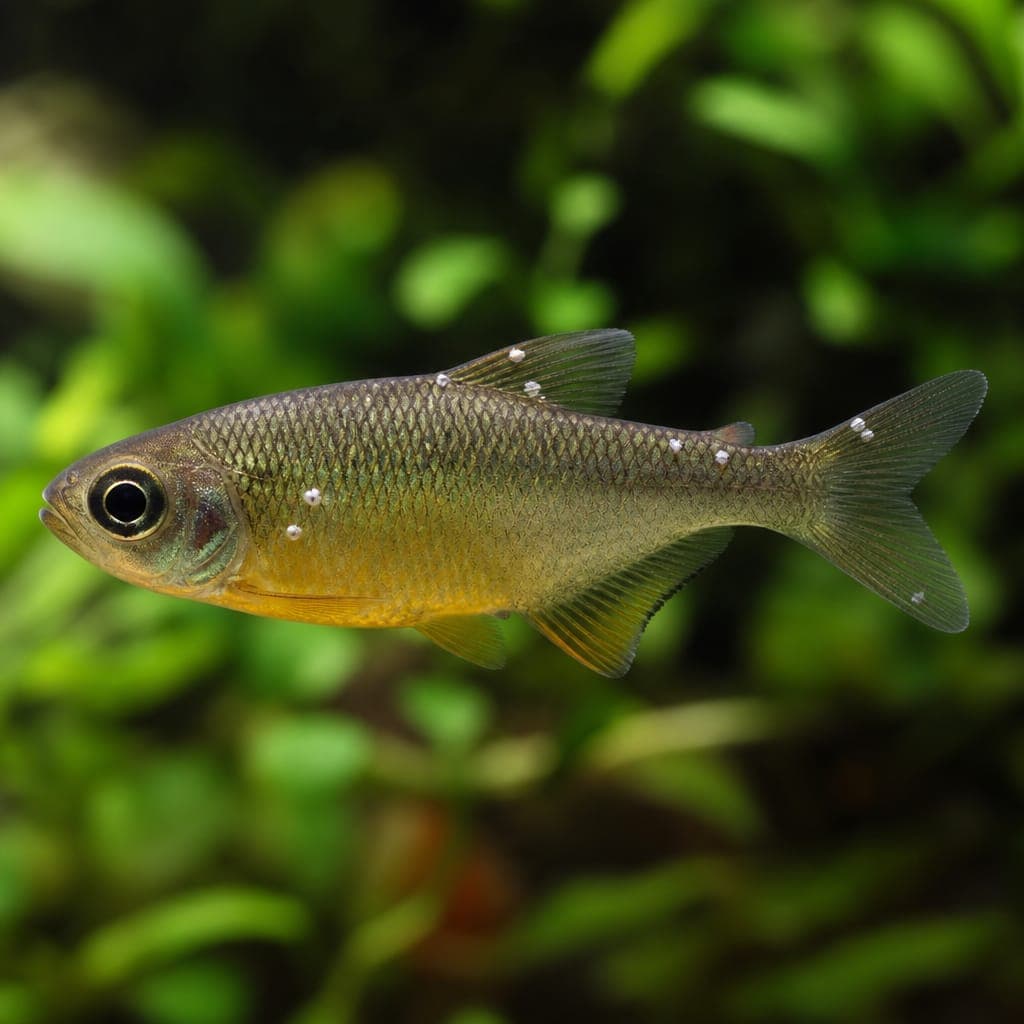
When selecting tank mates for Chocolate Cichlids, it is essential to choose species that are similarly sized and possess compatible temperaments. Ideal companions include other cichlids like Festivum, Apistogramma, or medium-sized peaceful barbs and rasboras. Larger tetras such as the Black Phantom Tetra or the Red Eye Tetra can also coexist well, provided they can avoid any aggressive behaviors during territorial disputes.
Species that should be avoided include smaller or more timid fish such as neon tetras or guppies, which may be seen as prey. Additionally, aggressive cichlids should be avoided to reduce the likelihood of conflicts and injuries in the shared environment.
Breeding
Breeding Chocolate Cichlids in captivity can be a rewarding experience for aquarists. These fish typically reach sexual maturity around 8–12 months. They exhibit intriguing breeding behavior, with the female laying eggs on flat surfaces, such as rocks or broad leaves, where they can be easily monitored. The male takes on the protective role, guarding the eggs and protecting the spawning site from potential threats.
Creating optimal conditions for breeding involves maintaining stable water parameters and a well-structured tank that mimics their natural environment. Providing plenty of hiding spots and good quality water is crucial, along with a varied diet leading up to the breeding period. After a few days, the eggs will hatch into free-swimming fry. At this stage, it's important to feed them appropriately sized foods such as infusoria or finely crushed flakes to ensure their growth and development.
Common Health Issues
Like any aquarium fish, Chocolate Cichlids may be susceptible to certain health issues. Common ailments include Ich (white spot disease), fin rot, and various forms of bacterial infections. Maintaining excellent water quality and proper feeding practices is key to preventing these diseases. Regular water changes and monitoring water parameters can significantly reduce the risk of health problems.
In cases of disease, immediate intervention is crucial. Quarantine any sick individuals to prevent spreading and consult a qualified aquarist or veterinarian for appropriate treatment options. Additionally, ensuring that their tank is not overcrowded and that they have ample hiding spaces can help alleviate stress, further reducing the chances of health issues.