Clouded Wrasse
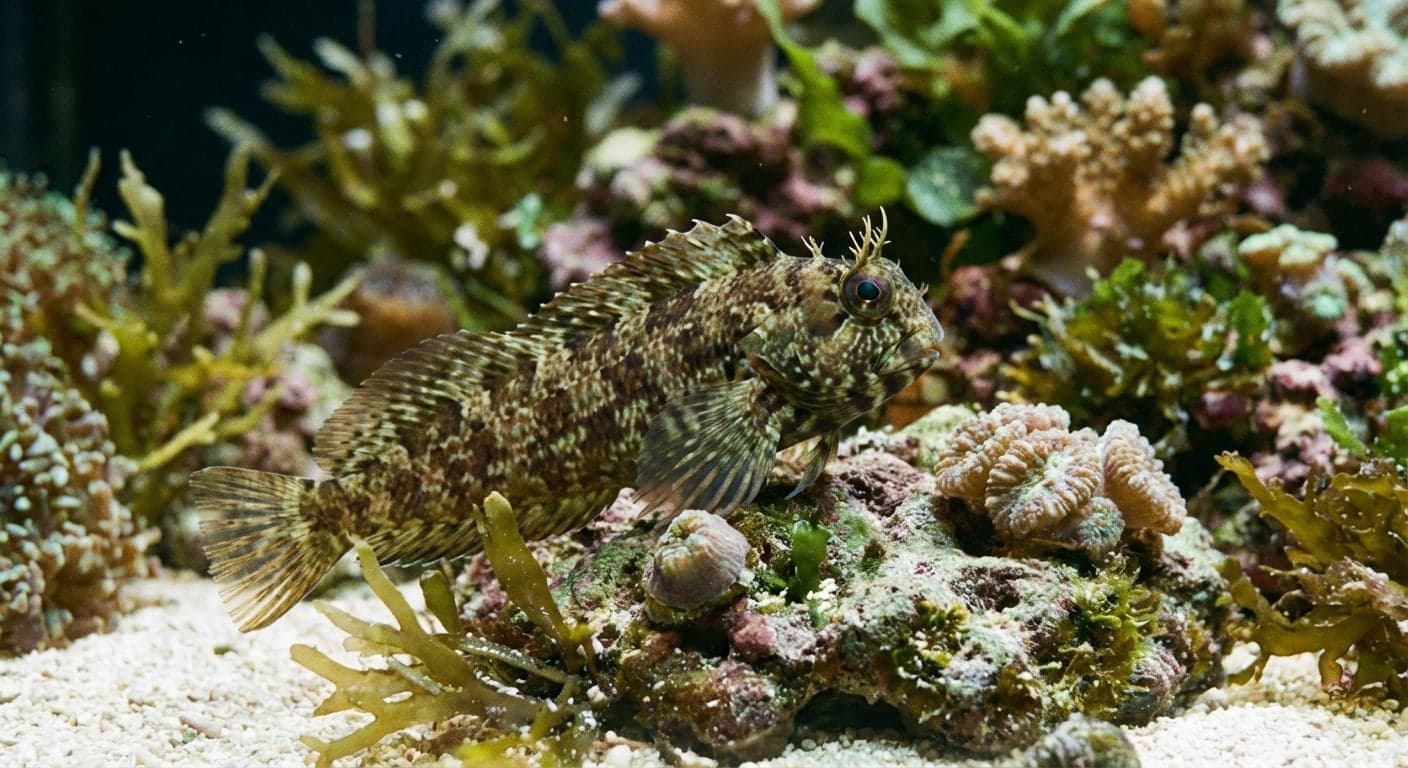
A 12cm wrasse that hunts small pests through the rockwork. Reef safe, needs a sand bed to sleep in, and it jumps.

Clouded Wrasse
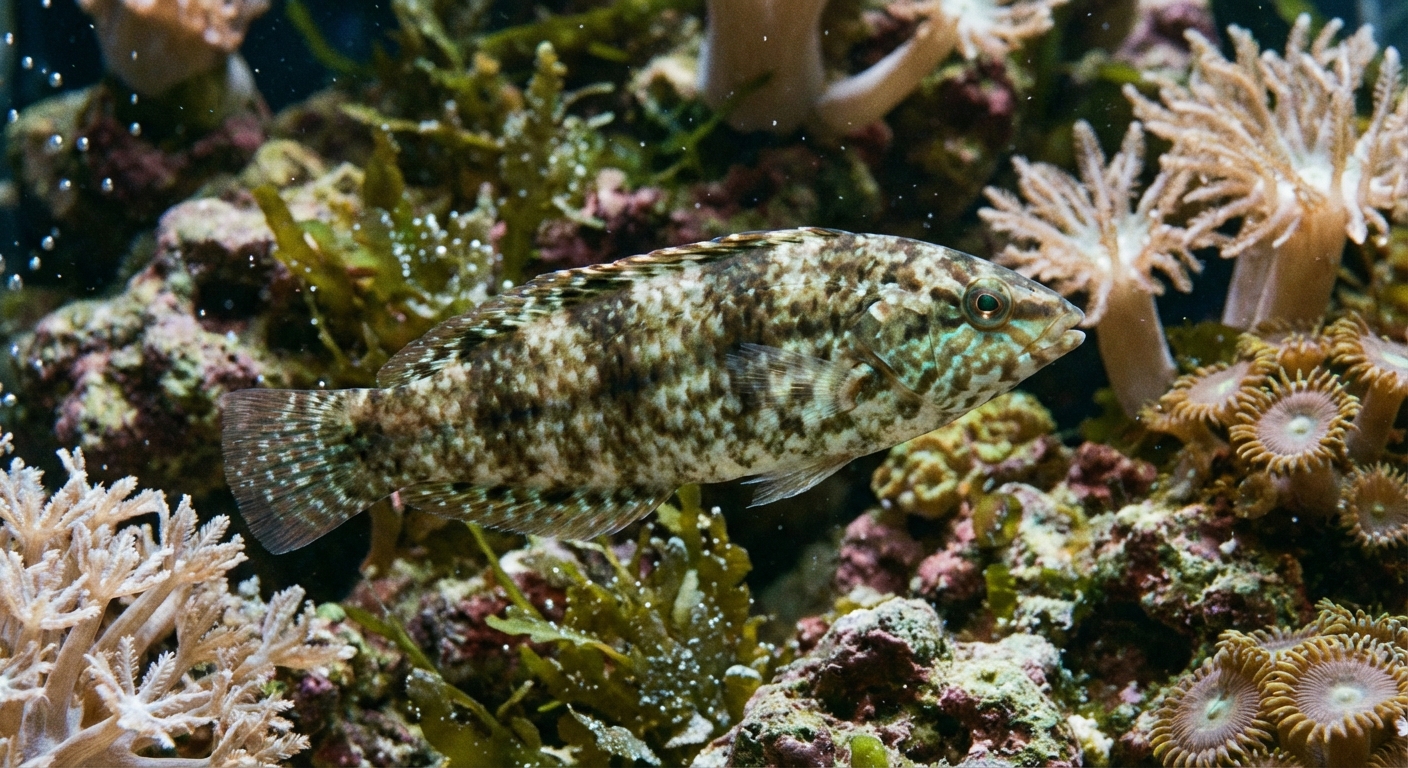
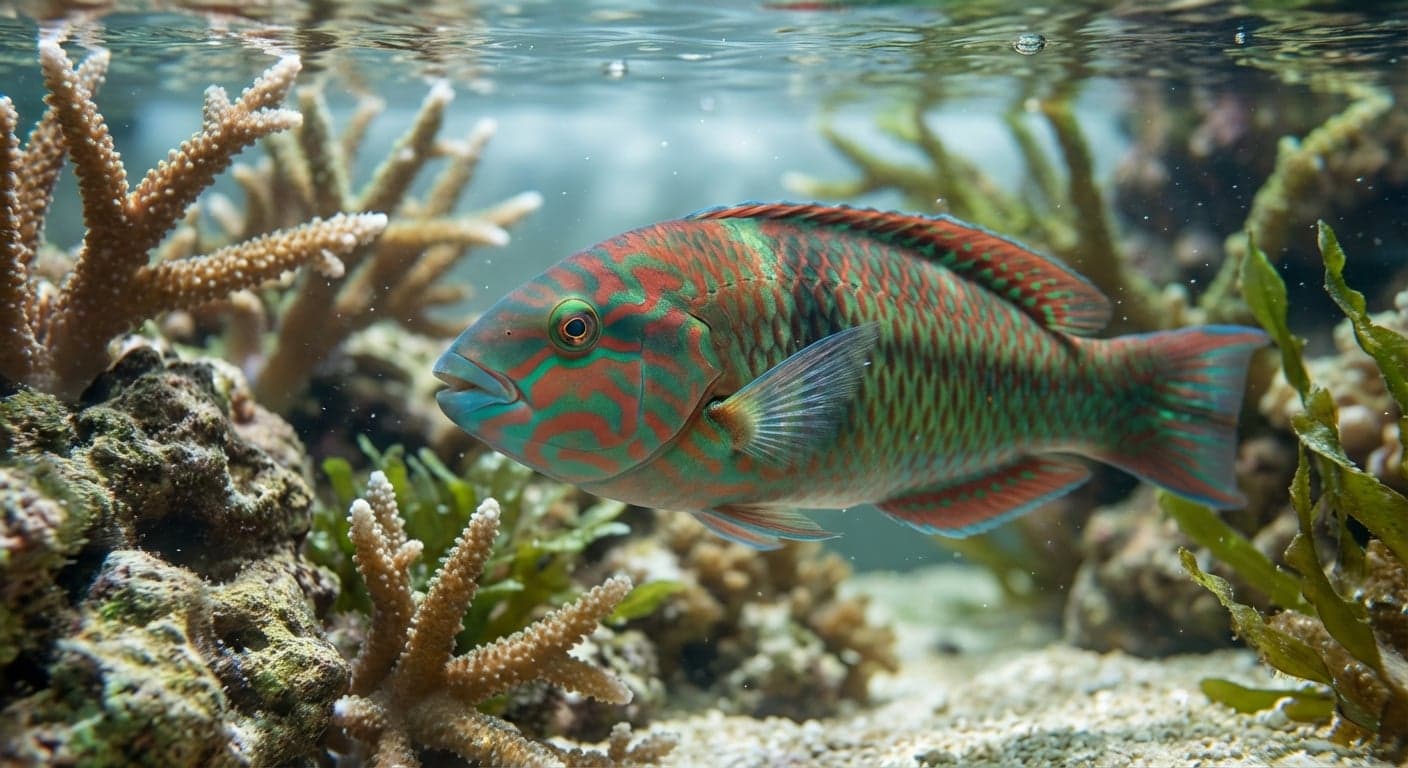
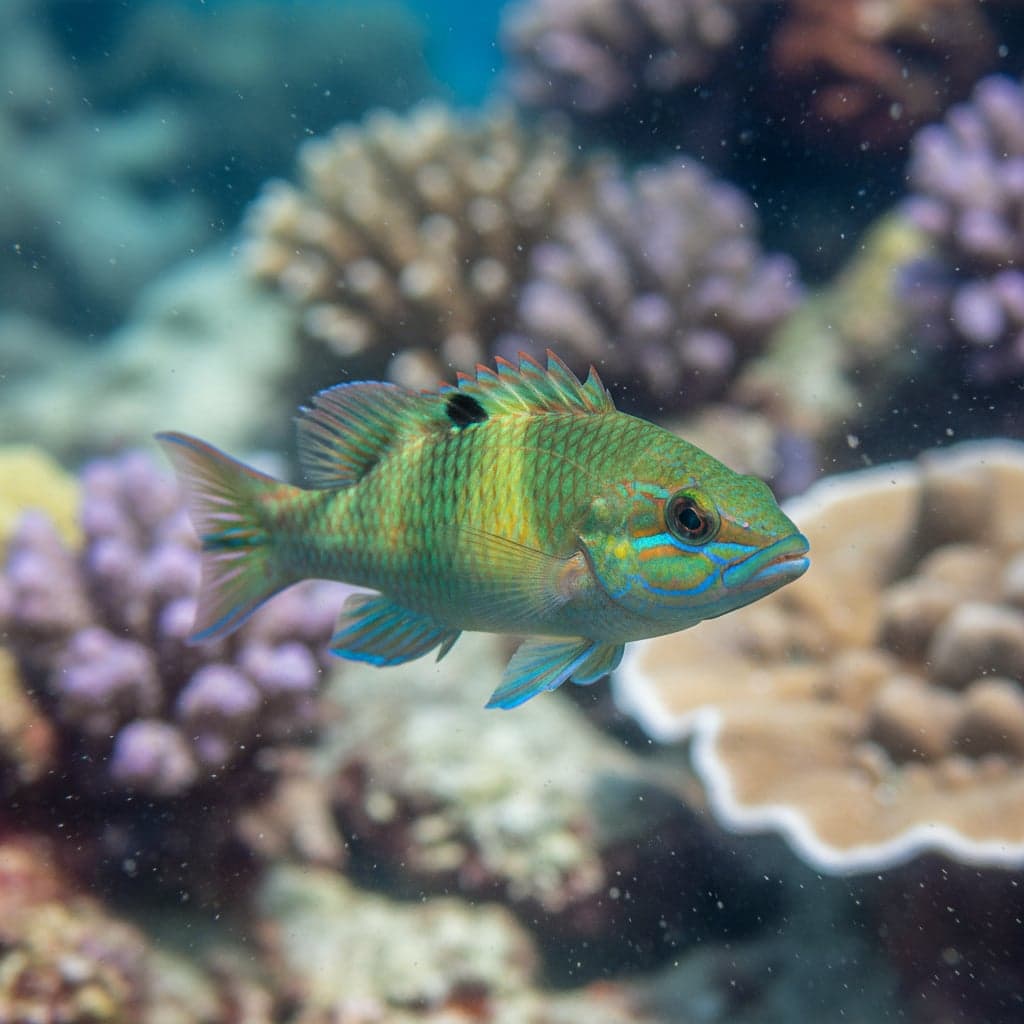
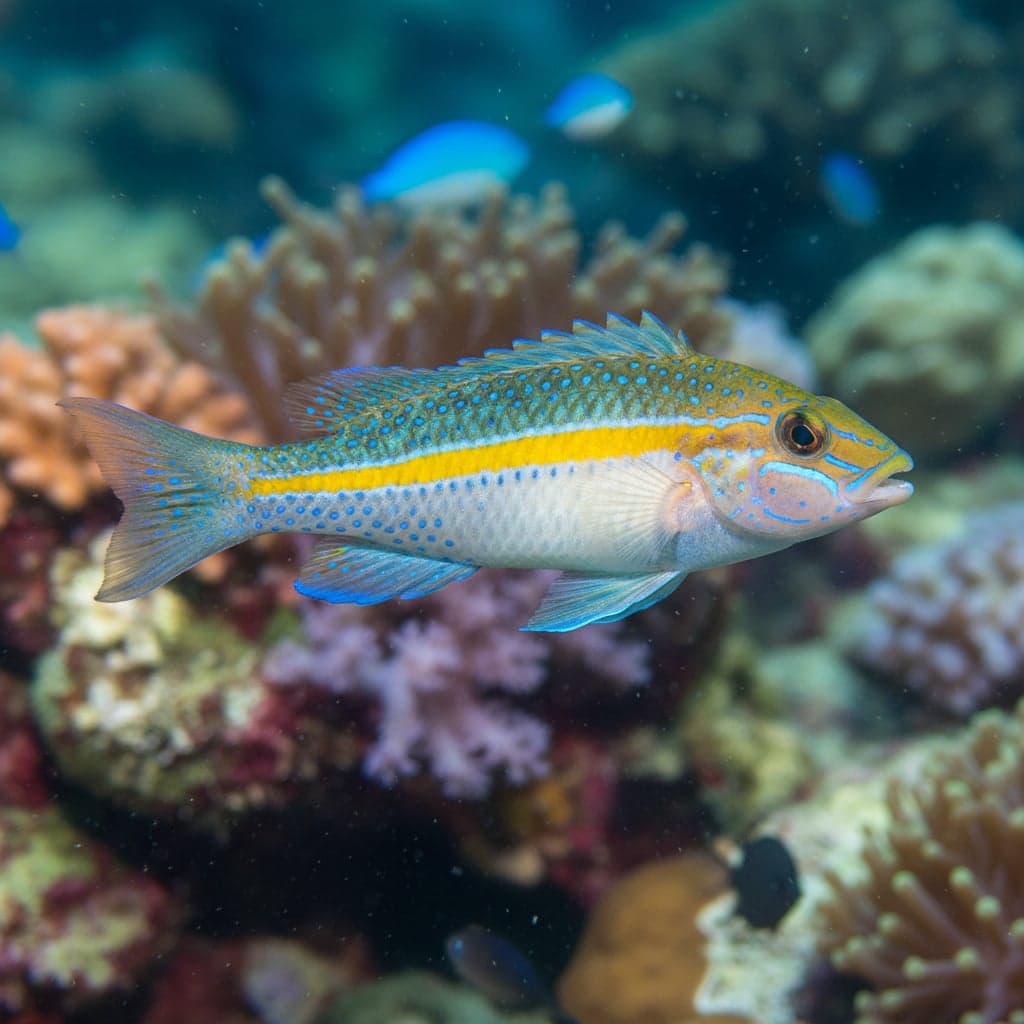
The Clouded Wrasse, known scientifically as Halichoeres nebulosus, is a visually striking fish that has captured the hearts of both aquarists and casual observers alike. Its vibrant colors, ranging from prominent blues and greens to gentle yellows, make it a popular choice for marine aquarium enthusiasts. These fish exhibit a unique cloud-like pattern that gives them their name, providing both aesthetic allure and a sense of elegance in any aquatic setup. Beyond their visual appeal, Clouded Wrasses are recognized for their role in maintaining the health of coral reefs by controlling populations of algae and small invertebrates, making them an ecologically significant addition to marine aquariums. Their dynamic behaviors and social interactions further enhance their attraction in the hobby.
Clouded Wrasses are particularly appealing due to their active swimming patterns and curious personalities, making them a delight to observe in a well-maintained aquarium. Their adaptability to various environments has made them a staple in many marine setups. With a lifespan of up to 10 years, they promise long-term companionship for aquarists willing to invest the appropriate resources for their care. Incorporating a Clouded Wrasse into an aquarium provides not only a visual spectacle but also supports the ecosystem services that these remarkable fish perform in their natural habitats.
Natural Habitat & Origin
The Clouded Wrasse is predominantly found in the coral reefs of the Indo-Pacific region, with a range that extends from the Red Sea and the coast of East Africa to the islands of the Pacific Ocean. This diverse geographical range includes countries like Indonesia, the Philippines, and the Great Barrier Reef in Australia. Clouded Wrasses prefer shallow, clear waters, typically inhabiting depths of up to 30 meters. These fish thrive in areas of rich coral environments where food sources are abundant, such as small invertebrates and algae, which they help control. The well-balanced ecosystems of these regions are crucial to the health of the marine biodiversity endemic to coral reefs, thus underscoring the importance of the Clouded Wrasse within its native habitat.
The water conditions within their natural environments can vary significantly, but they generally favor warm, clear waters with low turbidity. While not specifically a blackwater species, they thrive in environments with stable salinity levels and clean water, which is essential for both their health and the conservation of the corals they inhabit. Understanding the natural habitat of the Clouded Wrasse is vital in creating conditions that closely resemble their wild setting for successful maintenance in captivity.
Care Requirements
Creating a suitable environment for the Clouded Wrasse involves several key water parameters. Ideally, the temperature should be maintained between 24°C to 28°C (75°F to 82°F), with a pH range of 8.1 to 8.4. The water hardness should range from 8 to 12 dGH to provide an optimal living condition. A minimum tank size of 120 litres (32 gallons) is recommended for a single 12cm Halichoeres nebulosus — active but compact, with sand to sleep in and room to forage through rockwork.
In terms of tank setup, a sandy substrate mimicking their natural reef environment is crucial. Introduce various rock formations and caves to give them places to hide and perch, as Clouded Wrasses enjoy structure in their habitat. Adequate lighting is essential to support any live plants or coral you may wish to include. While Clouded Wrasses do not require heavy lighting, a moderate level can be beneficial for the overall aesthetics and health of the tank. Additionally, providing live plants may enhance the environment, as long as they do not encroach on the swimming space needed for the fish.
Diet & Feeding
The Clouded Wrasse is classified as an omnivore, making it relatively easy to feed in captivity. Its diet in the wild primarily consists of small invertebrates and algae, and replicating this diet will ensure optimal health and coloration. A well-balanced diet should include high-quality flakes, pellets specifically formulated for marine fish, and frozen or live foods such as brine shrimp, mysis shrimp, and small crustaceans. Offering a variety of foods will help provide essential nutrients, maintain color vibrancy, and encourage natural foraging behaviors that are vital to their well-being.
When feeding, it's important to avoid overfeeding, as Clouded Wrasses can develop a range of health issues related to poor water quality from excess waste. A feeding regimen of twice a day, offering small amounts they can consume within a few minutes, is typically recommended. Integrating vegetable matter, like finely chopped seaweed, will also aid in mimicking their natural feeding habits and promote digestive health.
Behavior & Temperament
Clouded Wrasses exhibit complex behaviors that can vary significantly based on their environment and social structure. Generally, they are known to be active and inquisitive, often engaging in playful antics and exploring their surroundings. Unlike many wrasses, the Clouded Wrasse is not a schooling fish; they tend to be more territorial and may exhibit aggressive behavior towards other fish of similar shape or coloration. However, they can coexist peacefully with various tank mates as long as the proper social dynamics are established.
In terms of vertical placement, Clouded Wrasses typically occupy the middle and upper regions of the tank, frequently darting about the rocks and corals in search of food. Providing ample swimming space and structure will not only satisfy their activity levels but also help reduce stress and territorial disputes among other tank inhabitants.
Tank Mates
Choosing appropriate tank mates for the Clouded Wrasse requires careful consideration of temperament and compatibility. Ideal tank mates include peaceful fish species such as other wrasses, gobies, and smaller tangs, as well as peaceful invertebrates like shrimp and snails. Suitable options are:
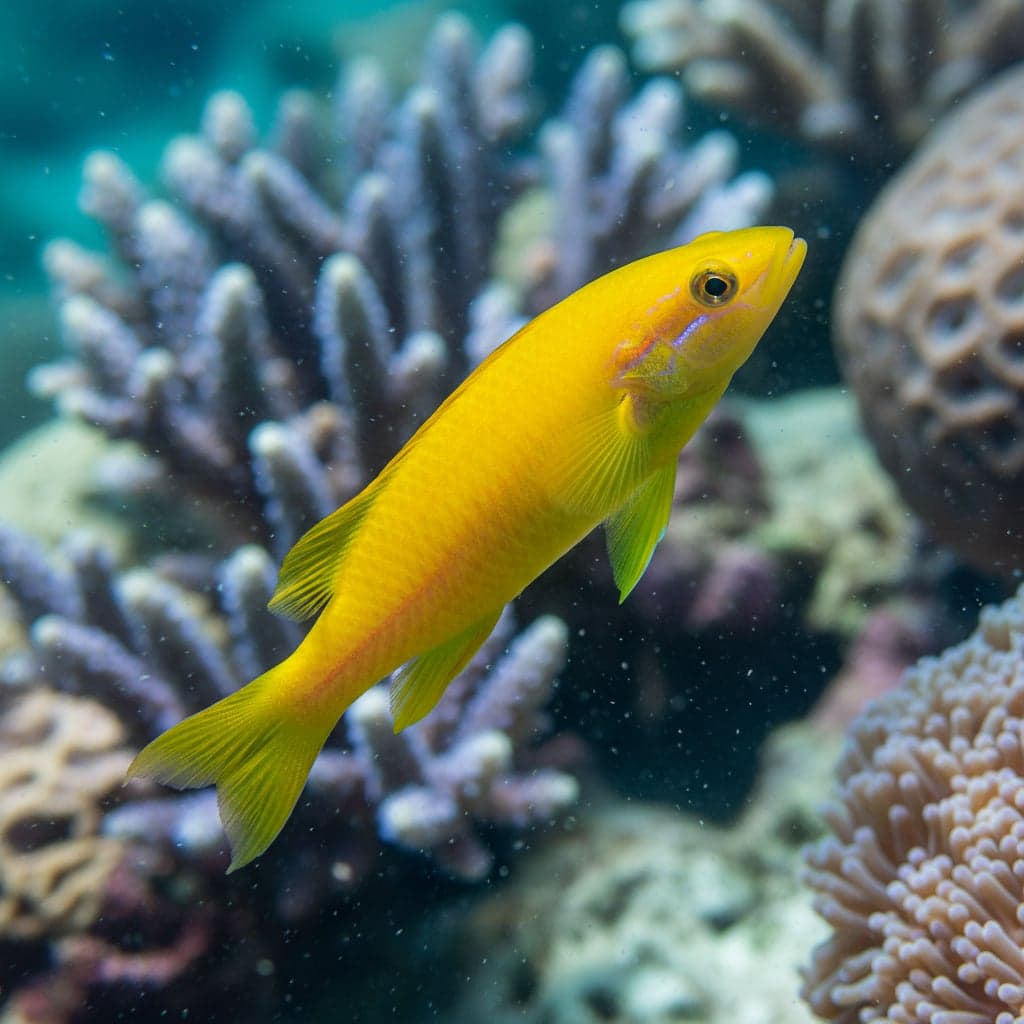
- Royal Gramma
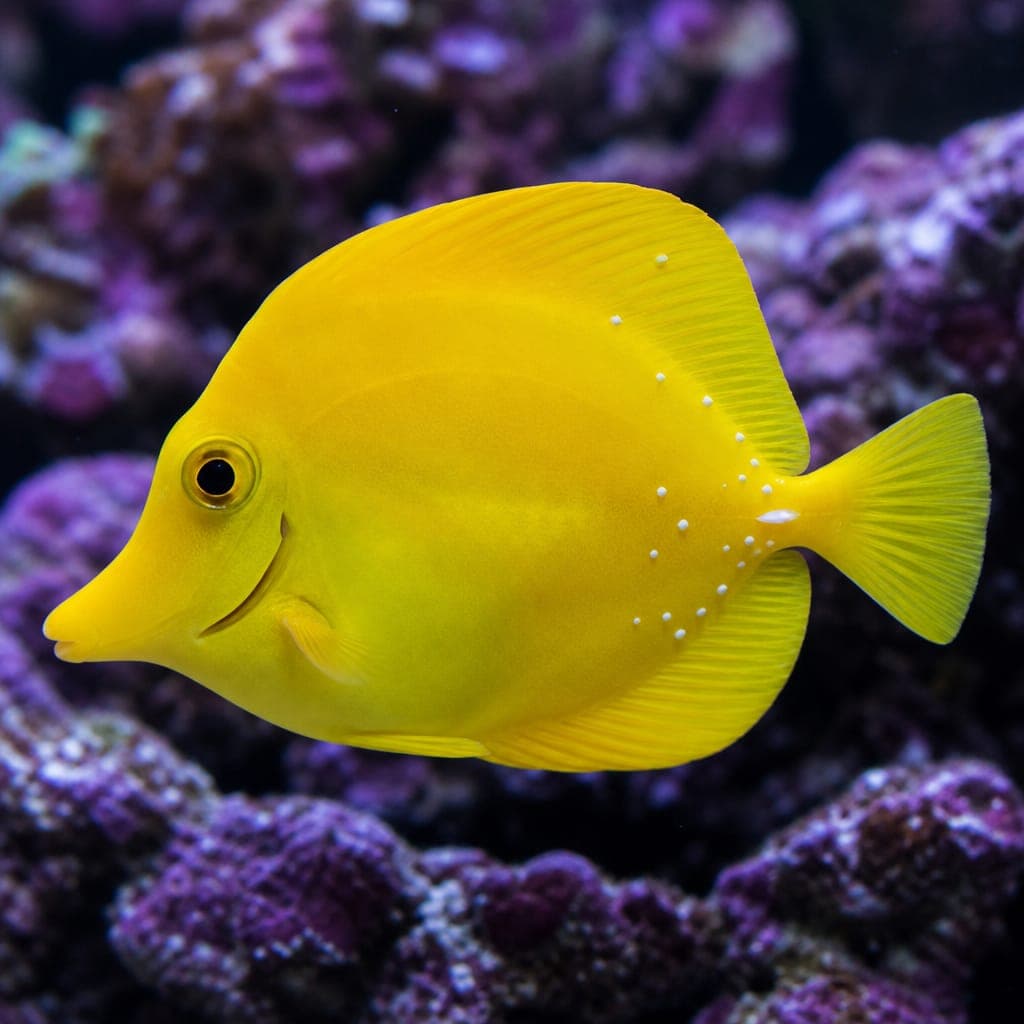
- Yellow Tang
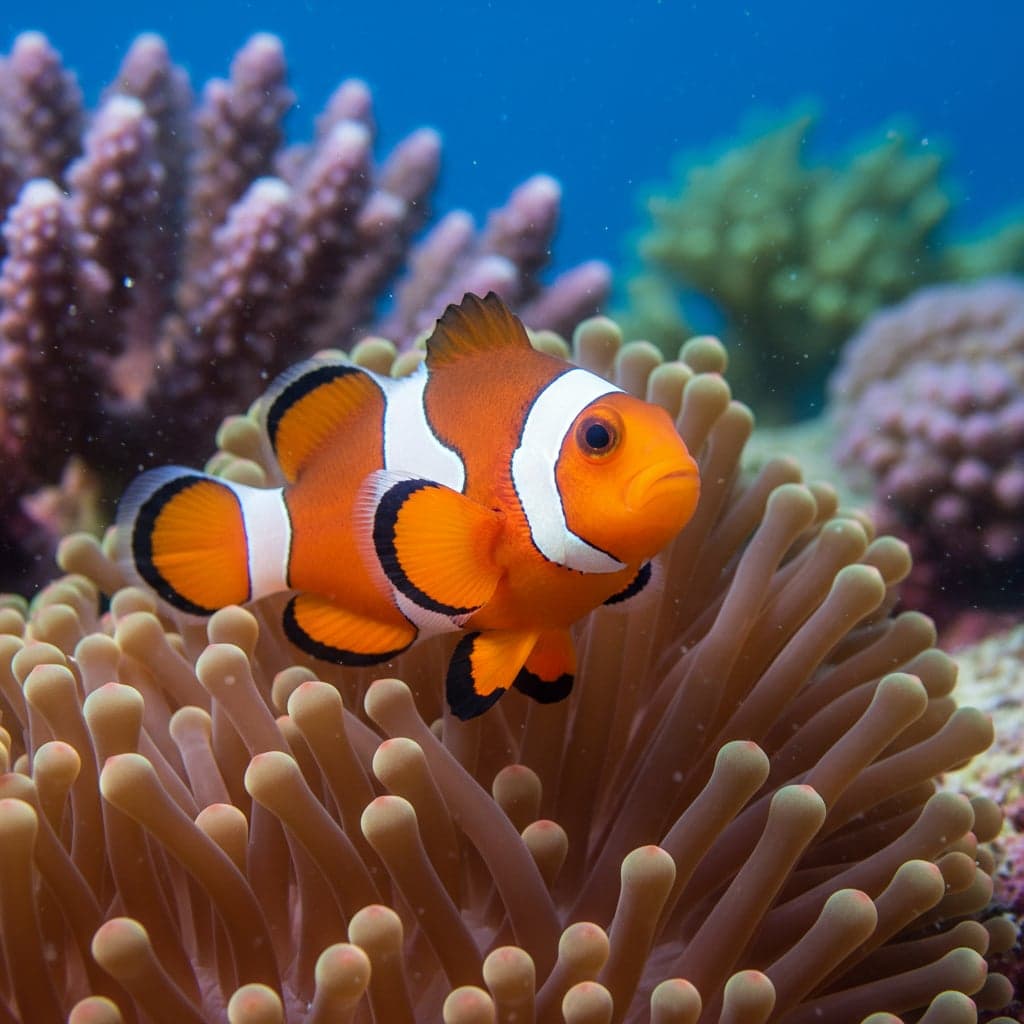
- Clownfish
- Cardinalfish
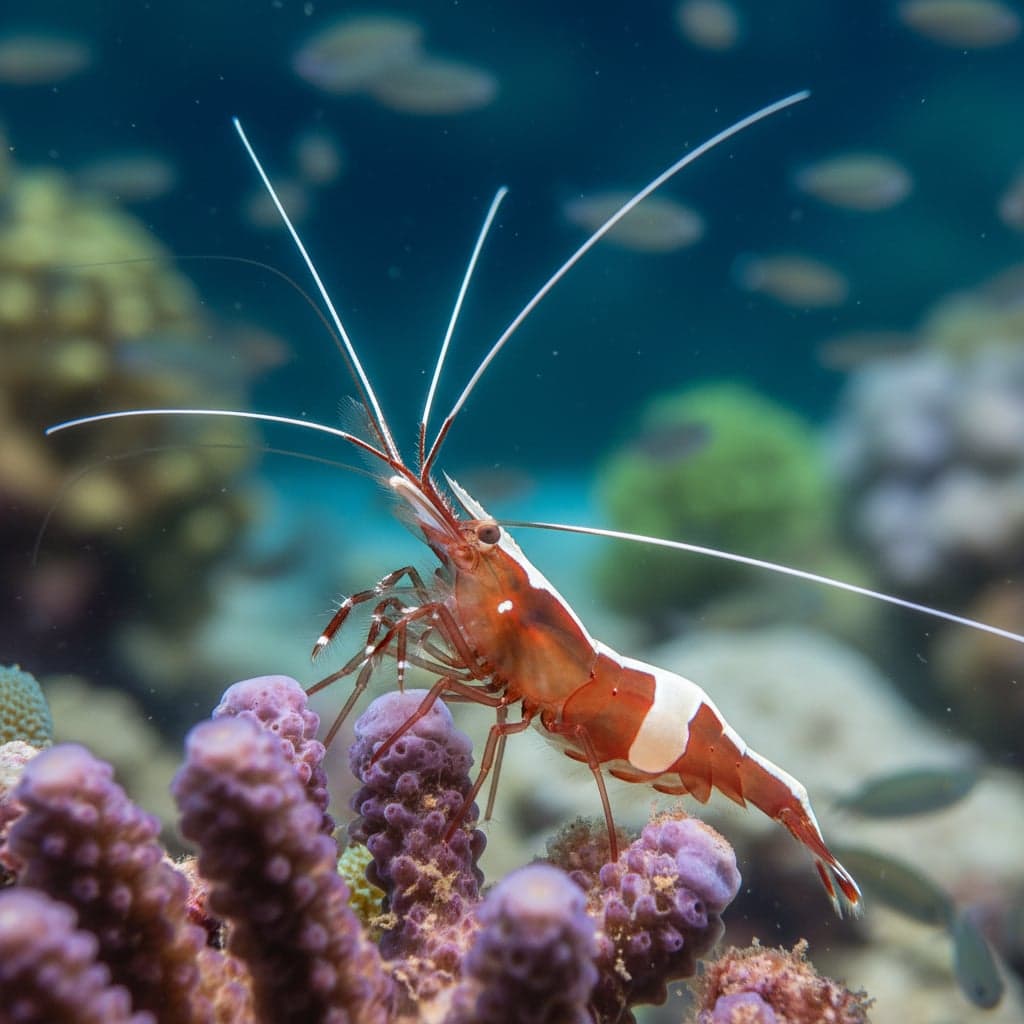
- Cleaner Shrimp
However, it’s crucial to avoid pairing the Clouded Wrasse with aggressive or overly territorial species, which may provoke stress or conflict. Fish like angelfish, larger wrasses of the same coloration, or any species known for aggressive behaviors should be avoided to maintain a harmonious community tank.
Breeding
Breeding Clouded Wrasses in captivity can be a challenging yet rewarding endeavor. These fish are known to spawn in the open water column, where males court females through displays of vibrancy and movement. To encourage spawning, aim to replicate their natural environment by providing stable water parameters and enough space to establish territories. It often requires a breeding pair to facilitate a successful spawning process, which should be observed during dawn or dusk when they are most likely to spawn.
To prepare your tank for breeding, maintain high-quality water conditions and include ample hiding spaces and structures for the female to feel comfortable. While breeding is possible in captivity, there is limited success in raising the fry due to the specific dissolved-organic compounds and microalgae they require to thrive. Therefore, aquarists interested in breeding Clouded Wrasses should be prepared for the complexities involved in their propagation.
Common Health Issues
While Clouded Wrasses are generally hardy, they can be prone to certain health issues if not properly cared for. Common ailments include marine ich, skin lesions, and internal parasites, which may be exacerbated by poor water quality, stress, or unsuitable tank mates. Preventive measures include regular water quality checks, maintaining proper salinity, and ensuring a well-balanced diet.
To minimize the risk of outbreaks, quarantine every new fish and invertebrate before they join the display. Maintain stable salinity, strong filtration, and ample rockwork for shelter. Offer a varied meaty diet of frozen mysis and quality marine pellets to support immunity. Watch for white spots, flashing, rapid breathing, or loss of appetite, and treat marine ich or velvet promptly in a hospital system. With clean water and peaceful tank mates, Clouded Wrasses stay active, curious reef foragers for years.