Clown Barb: Barbodes everetti
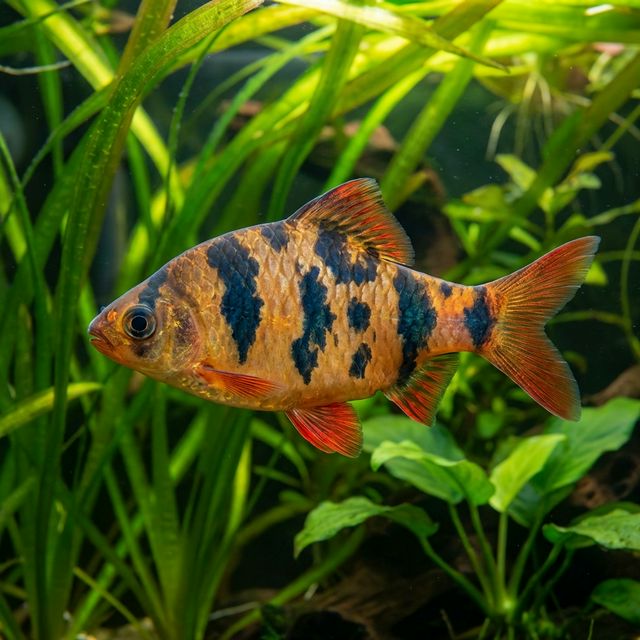
A large, spectacularly colored barb with big black blotches on a golden body. Needs a big tank.

Clown Barb
The Clown Barb, scientifically known as Barbodes everetti, is a visually striking freshwater fish that has captured the hearts of aquarium enthusiasts across the globe. Known for its vibrant coloration, the Clown Barb exhibits a delightful combination of orange, red, and black hues. The interplay of colors enhances its aesthetic appeal, making it a standout addition to any community tank. With its slender body and characteristic barbels, this fish not only serves as a visual delight but also contributes to the dynamic ecosystem of the aquarium. Its lively demeanor and playful nature enrich the experience of fishkeeping, likening it to a colorful little performer in an underwater ballet.
In the aquarium hobby, the Clown Barb holds significance beyond its beauty. As a species that enjoys social interaction, the Clown Barb thrives in groups, which emphasizes the importance of schooling fish in maintaining a balanced aquatic environment. Their active swimming patterns and inquisitive nature encourage aquarists to create engaging habitats that simulate their natural surroundings. The Clown Barb's robust health and adaptability also make it a popular choice among both novice and experienced aquarists. This fish not only enhances the visual appeal of a tank but also fosters a deeper appreciation for ichthyological diversity and the care required to maintain healthy ecosystems.
Natural Habitat & Origin
The Clown Barb originates from the Southeast Asian region, specifically in the rivers and tributaries of Borneo and Sumatra. These areas are characterized by dense tropical forests and nutrient-rich waters, providing an ideal environment for this species. Clown Barbs are typically found in slow-moving freshwater streams where they inhabit the shallow sections near the riverbanks, often amidst submerged roots and vegetation. The water in these habitats can vary significantly, generally being soft and acidic, exhibiting pH levels between 5.5 to 7.5. The addition of leaf litter and decaying plant material is common, contributing to the slightly tannin-stained water that characterizes their natural habitat.
In their native environment, Clown Barbs are exposed to various seasonal changes that can influence water parameters. During the wet season, the water levels rise, bringing in more nutrients and enabling a burst of primary productivity. This leads to a rich, biodiverse ecosystem where food supplies flourish, allowing the Clown Barb to thrive. Aquarists seeking to replicate this natural setting will benefit from understanding these environmental contexts, as they can intricately design their tanks to mirror the natural elegance of the Clown Barb's habitat.
Care Requirements
To ensure the optimal health of Clown Barbs, a few critical care requirements must be adhered to. The recommended water parameters for these fish include a pH of 6.0 to 7.5, a temperature range of 24°C to 28°C (75°F to 82°F), and a water hardness of 5 to 15 dGH. It is vital to monitor these conditions closely since fluctuations can lead to stress and health complications. Regular water changes—approximately 20% weekly—are essential to maintain water quality, given that Clown Barbs can be sensitive to poor water conditions.
For tank setup, a minimum aquarium size of 100 liters (approximately 26 gallons) is advisable to provide ample swimming space for a small school of six or more Clown Barbs. The substrate should be fine and smooth to prevent injury, along with the inclusion of plenty of plants, driftwood, and hiding places which help mimic their natural habitat. Moderate lighting is recommended to promote plant growth without causing excessive algae bloom. Floating plants can also be beneficial, providing shaded areas for the fish to feel secure and comfortable.
Diet & Feeding
Clown Barbs are classified as omnivores, meaning they enjoy a diverse diet that includes both plant and animal matter. In the aquarium setting, they adapt well to high-quality flakes and pellets designed for tropical fish. A regular diet should also incorporate live or frozen foods, such as brine shrimp, bloodworms, and daphnia, to simulate their natural feeding behavior and enhance their colors. It is advisable to feed these fish two to three times a day with appropriate portions, ensuring that all food is consumed quickly to maintain water quality and health. Additionally, incorporating blanched vegetables like zucchini or spinach can also diversify their diet and promote overall wellbeing.
Behavior & Temperament
The Clown Barb exhibits engaging and lively behavior, making it a delightful species to observe. Known for their sociable nature, these fish thrive in groups and exhibit schooling habits. It is recommended to keep them in schools of at least six, as they feel safer and more comfortable when surrounded by their kind. The presence of multiple individuals not only reduces stress but also brings out their natural playful tendencies, contributing to an energetic aquarium atmosphere.
In terms of aggression, Clown Barbs generally demonstrate a peaceful temperament but can exhibit mild territorial behavior, especially during breeding. They are not known to be aggressive; instead, they tend to occupy the middle levels within the tank, showcasing their swimming agility. It is crucial to provide ample space and hiding spots to mitigate any skirmishes, particularly when housing them with other species.
Tank Mates
When considering tank mates for the Clown Barb, it is essential to choose species that share similar water parameter preferences and exhibit peaceful behavior. Ideal companions include small to medium-sized community fish such as:
- Neon Tetras (Paracheirodon innesi)
- Corydoras Catfish (Corydoras spp.)
- Rasboras (Rasbora spp.)
- Guppies (Poecilia reticulata)
- Platies (Xiphophorus spp.)
- Zebra Danios (Danio rerio)
Species that should be avoided include larger, aggressive fish such as Cichlids or fast, fin-nipping species like some varieties of barbs or Bettas, which could stress or injure the Clown Barb. Providing a suitable environment that accommodates the needs of all tank inhabitants will foster a harmonious community.
Breeding
Breeding Clown Barbs in captivity can be a rewarding challenge for aquarists. To initiate spawning behavior, it is recommended to place a group of six or more Clown Barbs in a breeding tank that mimics their natural spawning conditions. The breeding tank should include well-planted areas with fine-leaved plants, which serve as suitable spawning substrates. The water should be kept slightly acidic, at a pH range of 6.0 to 6.5, with temperatures raised gradually to around 28°C (82°F) to stimulate breeding.
During spawning events, male Clown Barbs chase and court females, typically laying numerous eggs in the plants as they swim together. After spawning, it is advisable to separate the adults from the eggs to prevent them from consuming their offspring. Eggs generally hatch within 24 to 48 hours, with fry becoming free-swimming shortly thereafter. Infusoria or finely crushed flakes can be provided once the fry begin to swim, ensuring nutritious growth during their early development stages.
Common Health Issues
While Clown Barbs are relatively hardy, they can still be susceptible to certain health issues primarily related to poor water quality or stress. Common diseases include:
- Ich (Ichthyophthirius multifiliis): This parasite manifests as white spots on the body and fins. Treatment involves raising water temperature and using anti-ich medications.
- **Fin