The Clown Loach: Chromobotia macracanthus
A fan favorite that sadly grows too big for most tanks. Active, colorful, and a snail-eating machine with a playful personality.
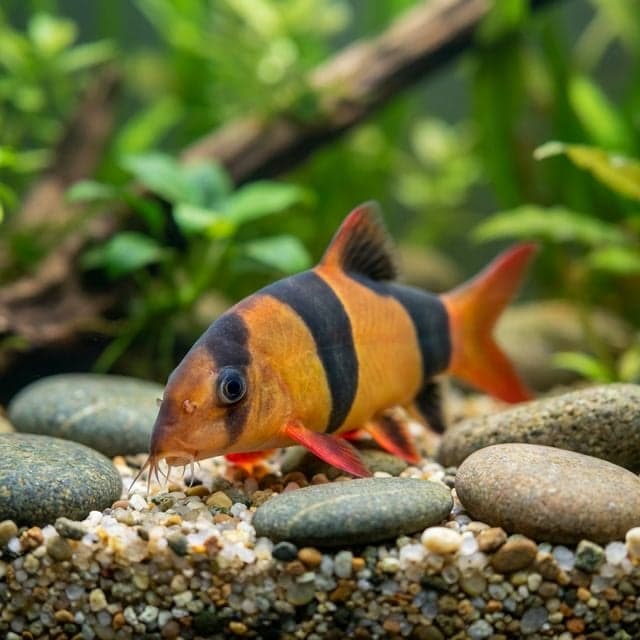
Clown Loach
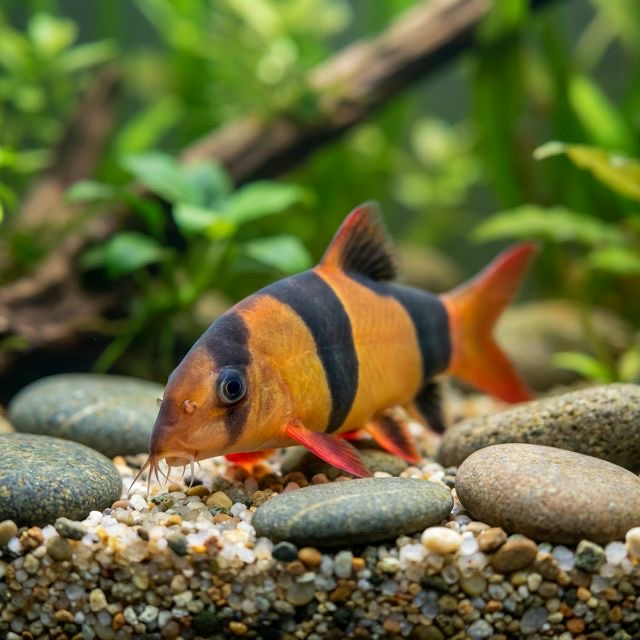
The Clown Loach, scientifically known as Chromobotia macracanthus, is a vibrant freshwater fish that has become a staple in the aquarium hobby due to its lively personality and striking coloration. Characterized by its orange and black striped body, the Clown Loach can grow up to a foot in length, making it a visually impactful addition to any tank. Its unique appearance, combined with its playful antics, captivates fish enthusiasts and casual viewers alike. This species is not only treasured for its aesthetic value but also for its intriguing behavior, as it is known to interact playfully with its tank mates, often displaying a curious and active demeanor.
Originating from the rivers of Southeast Asia, particularly across Indonesia and Borneo, the Clown Loach holds ecological significance in its natural habitat by contributing to the balance of the local aquatic ecosystem. In recent years, this species has gained immense popularity in the aquarium trade, leading to overfishing concerns in the wild, thus elevating the importance of responsible sourcing and breeding practices in the hobby. With the right care and environment, the Clown Loach can thrive in captivity, making it a rewarding choice for both novice and experienced aquarists.
Natural Habitat & Origin
The Clown Loach is predominantly found in the clear and flowing waters of the river systems in Southeast Asia, particularly in the regions of Indonesia, Malaysia, and Borneo. These fish typically inhabit shallow rivers and streams with a dense array of aquatic plants, submerged logs, and leaf litter, which provide both shelter and foraging opportunities. Their natural environment is considered a blackwater habitat characterized by soft, acidic waters that are rich in tannins from decaying vegetation, which contribute to the brownish tint of the water. This specific ecological context plays a critical role in the well-being of Clown Loaches, as it influences their behavior and health.
The geographical distribution of Clown Loaches is primarily within the floodplains and wetlands, where seasonal changes lead to fluctuations in water levels. During the rainy season, these areas become flooded, allowing the Clown Loach to venture into new territories rich in food sources. This adaptability is crucial for the species, enabling them to thrive in varying environmental conditions. As a result, an understanding of their natural habitat can greatly benefit aquarists in recreating suitable environments in home aquariums.
Care Requirements
To ensure optimal health and happiness, Clown Loaches require specific water parameters for their tank environment. The ideal pH level should range from 6.0 to 7.5, with a temperature maintained between 75°F to 86°F (24°C to 30°C). In terms of water hardness, a range of 2 to 12 dGH is recommended. For tank setup, a minimum aquarium size of 75 gallons is advisable due to the Clown Loach's active nature and potential size. A sandy substrate is preferred as it mimics their natural environment while allowing them to dig and forage.
In terms of lighting, a moderate level is recommended to highlight the vibrant colors of the Clown Loach while creating a comfortable atmosphere in the aquarium. Incorporating live plants such as Java Fern, Anubias, and Amazon Sword not only enhances the aesthetic appeal but also provides hiding spaces and grazing opportunities. The use of driftwood and rocks to create caves fosters a natural environment and allows the Clown Loach to exhibit their natural behaviors, resulting in a more engaging tank experience.
Diet & Feeding
Clown Loaches are considered omnivores, which means they have a varied diet consisting of both plant and animal matter. In captivity, they thrive on a well-balanced diet that includes a combination of high-quality flakes, sinking pellets, and frozen or live foods such as bloodworms and brine shrimp. It is essential for aquarists to provide a diverse diet to promote optimal health and vibrancy in Clown Loaches, as varied nutrition helps prevent nutritional deficiencies. Additionally, including blanched vegetables such as zucchini and spinach will cater to their herbivorous tendencies and is beneficial for their digestive health.
Feeding should ideally be done multiple times a day in smaller portions to ensure that all fish receive adequate nutrition and to mimic their natural foraging behavior. Overfeeding can lead to water quality issues and health problems, so aquarists should monitor portion sizes closely. When selecting prepared foods, it's crucial to consider options specifically designed for loaches, as these often contain ingredients that cater to their specific dietary needs.
Behavior & Temperament
The Clown Loach is known for its social and active behavior, making it an engaging addition to community aquariums. These fish are naturally schooling creatures and thrive when kept in groups of six or more. In a well-structured school, they exhibit playful interactions, such as chasing and darting around the tank, showcasing their lively nature. Clown Loaches are generally peaceful fish but may display some territorial tendencies, especially when competing for food or hiding spots. As a rule of thumb, they are best kept with similarly-sized and non-aggressive fish to avoid any escalation of territorial disputes.
In terms of vertical placement within the aquarium, Clown Loaches tend to occupy all levels of the tank. They are often seen exploring the substrate, but they also enjoy swimming mid-water and occasionally taking refuge in the upper regions of the aquarium, especially when they feel secure. Providing a varied environment with plenty of hiding spots encourages their natural behaviors, allowing aquarists to witness their unique social interactions.
Tank Mates
Choosing compatible tank mates for Clown Loaches is essential for maintaining a harmonious aquarium. Ideal companions include other peaceful species such as Tetras, Rasboras, and certain types of Gouramis. Other loach species, such as the Yo-yo Loach or the Botia Loach, can also coexist well due to their similar temperaments and water requirements. It is important to avoid aggressive or fin-nipping species like Tiger Barbs or certain Cichlids, as these can stress or injure the Clown Loach.
When selecting tank mates, consider the size of the fish—ensure all species are appropriately matched to prevent bullying or harassment, particularly since Clown Loaches may grow large. A well-planned community tank centered around the Clown Loach's needs will contribute to a thriving, dynamic aquarium experience for both the fish and the aquarist.
Breeding
Breeding Clown Loaches in captivity is considered quite challenging, primarily due to the specific environmental conditions they require to induce spawning. In their natural habitat, Clown Loaches exhibit a spawning behavior tied to seasonal rains, when they migrate to shallow waters where they can lay their eggs. For successful breeding in an aquarium setting, specific conditions must be created: a separate breeding tank served with soft, slightly acidic water, a temperature around 80°F (27°C), and the introduction of fine-leaved plants where the eggs can be deposited.
Both male and female Clown Loaches partake in a complex courtship ritual before spawning. The male will chase the female and display aggressive swimming patterns to entice her. Once the female is ready to spawn, she will release her eggs among the plants, and fertilization will occur almost immediately. After spawning, it is vital to remove the parents from the tank to prevent them from consuming the eggs. The eggs typically hatch within 24 to 48 hours, after which free-swimming fry can be offered infusoria or finely powdered foods before graduating to crushed flakes. Captive breeding remains uncommon for most hobbyists, so focus on excellent group husbandry.
Common Health Issues
Clown Loaches are susceptible to ich, especially after shipping or temperature swings, as well as bacterial infections and skinny disease when stressed. Quarantine newcomers, keep water warm and pristine, and house them in groups of five or more. Watch for white spots, clamped fins, lethargy, or refusal to feed, and treat promptly. Stable soft water, varied sinking foods, and ample hiding spots keep Clown Loaches healthy and active for years.