Colombian Giant Ramshorn Snail: Marisa cornuarietis
A large, attractive snail with striped shell. Caution: will decimate live plants.

Colombian Giant Ramshorn Snail
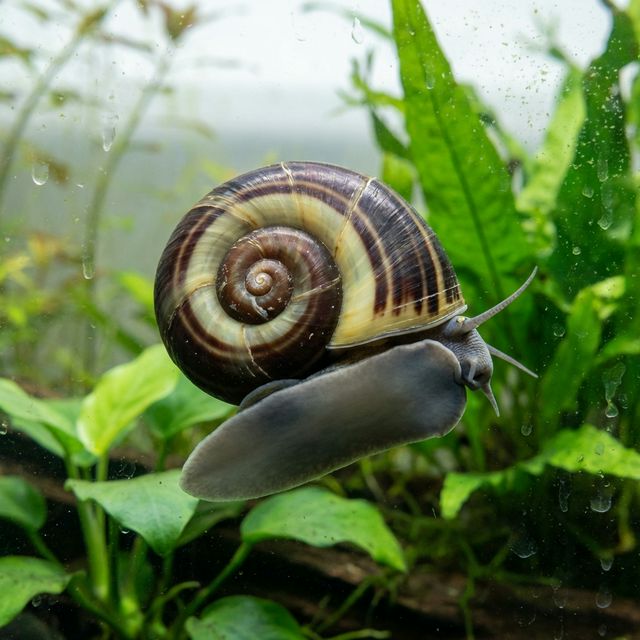
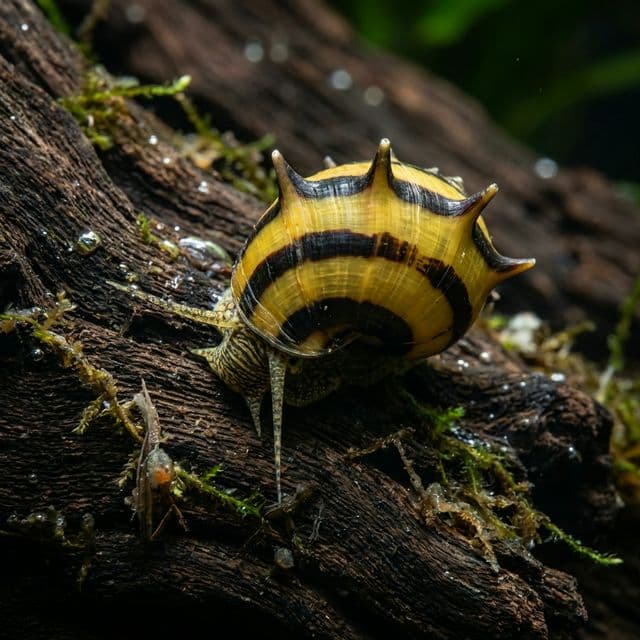
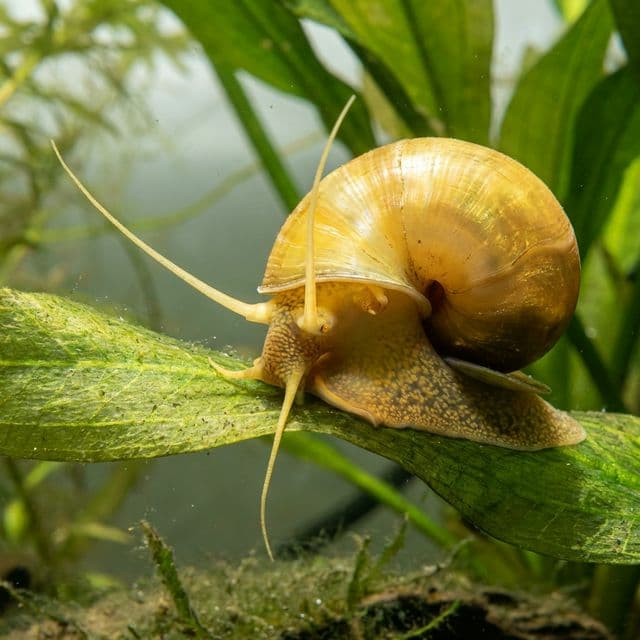
The Colombian Giant Ramshorn Snail, scientifically known as Marisa cornuarietis, is a captivating freshwater gastropod that stands out in the aquarium hobby due to its impressive size and unique appearance. This snail can grow up to four inches in diameter, making it one of the larger species of ramshorn snails in the trade. Its spiral shell is typically a striking reddish-brown or amber hue, enhanced by a glossy sheen that catches the eye—often making it a focal point in aquascaped tanks. Beyond its visual appeal, the Colombian Giant Ramshorn Snail plays a significant ecological role in aquariums by contributing to the cleanliness of the tank. It feeds on algae, decaying plant matter, and leftover food, which helps maintain a balanced environment and reduces the likelihood of water quality issues.
In addition to its practical benefits, the Colombian Giant Ramshorn Snail has gained popularity among aquarists for its peaceful demeanor and hardiness. Unlike some of its more aggressive counterparts in the aquatic world, this species exhibits a calm temperament, making it suitable for community tanks. It has also become a topic of interest for those fascinated by aquatic invertebrates, as it can serve as both a cleanup crew member and an educational specimen for those interested in understanding gastropod biology and behavior.
Natural Habitat & Origin
The Colombian Giant Ramshorn Snail is native to the freshwater bodies of Colombia, residing primarily in rivers and streams that are often rich in organic matter. These habitats generally feature slow-moving waters with ample vegetation, providing both food sources and shelter for the snails. The Colombian ecosystem is characterized by a mix of blackwater and clearwater streams, where varying levels of acidity and nutrient content can usually be found. This species thrives in slightly acidic to neutral pH environments, reflecting the conditions of its natural habitat, which often contains dissolved humic substances from decaying plant matter that contribute to its intricate ecosystem.
Care Requirements
To keep Colombian Giant Ramshorn Snails healthy and thriving in captivity, it is crucial to mimic their natural conditions as closely as possible. The recommended water parameters include a pH range of 6.5 to 7.5, a temperature between 75°F to 82°F (24°C to 28°C), and a hardness of 5 to 15 dGH. A minimum tank size of 20 gallons is advisable to provide ample room for these snails to roam and forage. A soft substrate, such as fine sand or gravel, is ideal, as it allows the snails to burrow if they choose. While they don’t require intense lighting, moderate lighting can be beneficial for plant health, aiding in providing a food source for the snails. Incorporating plenty of plants, particularly soft-leaved varieties, can enhance the tank environment and offer grazing opportunities.
Diet & Feeding
Colombian Giant Ramshorn Snails are omnivorous, exhibiting a varied diet that can include algae, detritus, and decaying organic matter. In captivity, providing a balanced diet is essential for their health. High-quality sinking pellets and flakes can serve as a staple, but supplementing their diet with blanched vegetables (like zucchini, spinach, or lettuce) and occasional protein sources—such as frozen or live foods like daphnia or brine shrimp—will support their overall well-being. Ensuring that they have access to calcium sources, such as cuttlebone or crushed coral, will help maintain a strong shell and prevent issues related to shell degradation.
Behavior & Temperament
The Colombian Giant Ramshorn Snail is known for its peaceful behavior and relatively social nature. It tends to exhibit solitary habits but can be observed moving about the tank, especially at night when it is most active. While these snails do not school in the traditional sense seen in fish species, they generally cohabitate well with others of their kind and are more likely to be found grazing alone or in pairs. They may occupy various levels within the tank but prefer to stay closer to the substrate and plant life, where they can find food and shelter.
Tank Mates
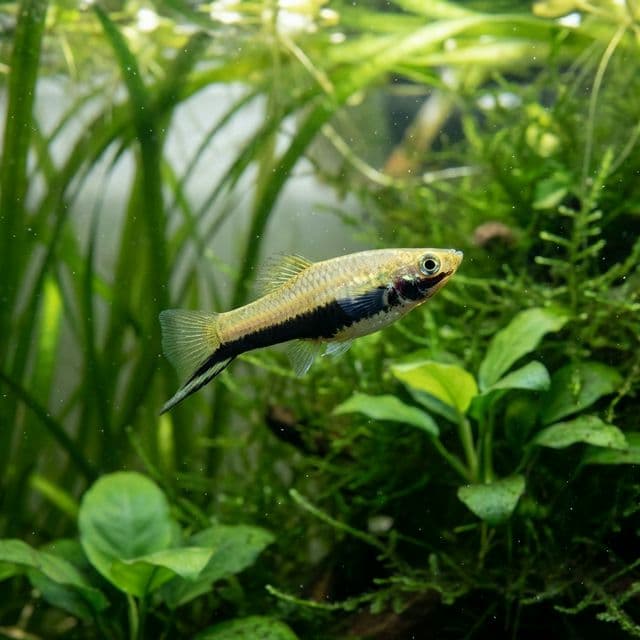
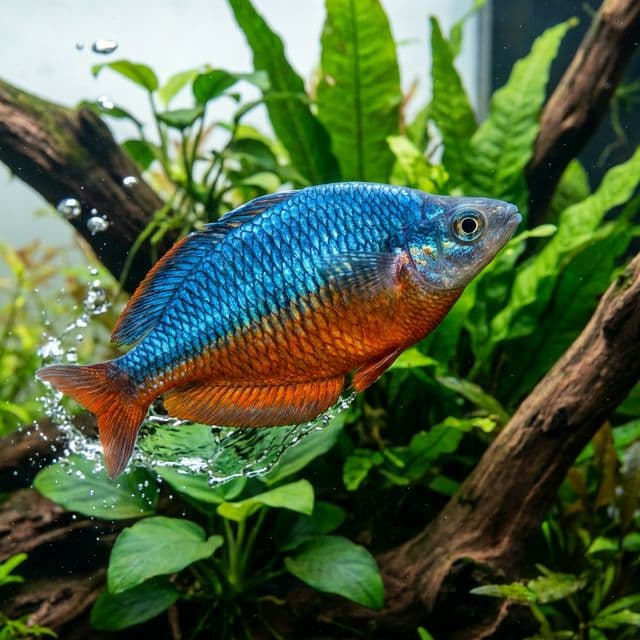
When selecting tank mates for Colombian Giant Ramshorn Snails, it is crucial to choose peaceful species to avoid stress and potential harm. Compatible tank mates include small to medium-sized freshwater fish like tetras, guppies, and peaceful dwarf cichlids. Other Community invertebrates, such as shrimp (e.g., cherries or ghost shrimp), can also coexist harmoniously. Species to avoid include larger, aggressive fish such as predatory cichlids, goldfish, and any species known to nibble on invertebrates, which could pose a danger to the snails.
Breeding
Breeding Colombian Giant Ramshorn Snails in captivity can be accomplished under the right conditions. These snails are hermaphroditic, meaning each individual possesses both male and female reproductive organs, which allows for self-fertilization, though they do better when multiple snails are present. They reproduce by laying egg masses on the substrate or aquarium surfaces, ideally in a well-maintained environment with stable water parameters. To ensure successful breeding, providing ample calcium for shell development is crucial. Offspring are released as miniature snails and begin to forage immediately, requiring appropriate food sources from the outset.
Common Health Issues
Although Colombian Giant Ramshorn Snails are generally hardy, they can still face health challenges. Common issues include shell erosion, which can result from inadequate calcium intake or poor water quality. Signs of distress may include retraction into the shell and reduced activity levels. To prevent these issues, it is important to maintain clean water conditions, monitor pH and hardness, and ensure a calcium-rich diet. Additionally, keeping an eye out for opportunistic pests or disease can help maintain optimal health in the aquarium.