Colombian Shark Catfish: Ariopsis seemanni
A sleek, silver catfish that requires brackish to marine water as an adult. Often mis-sold as freshwater.
Colombian Shark Catfish
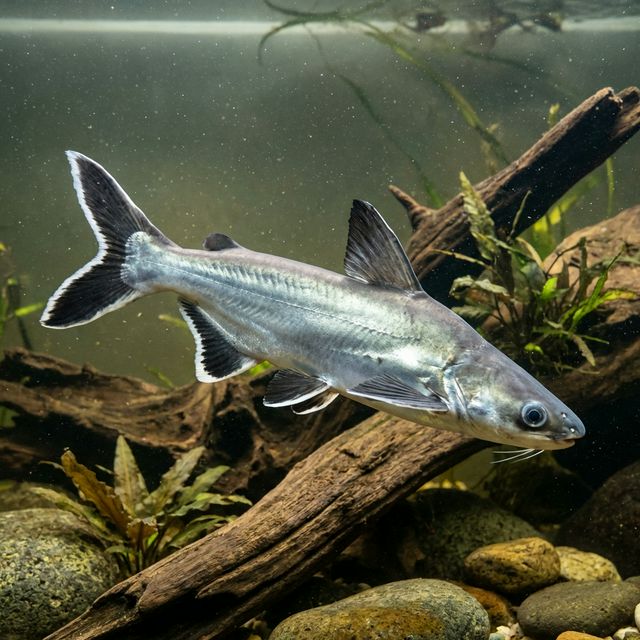
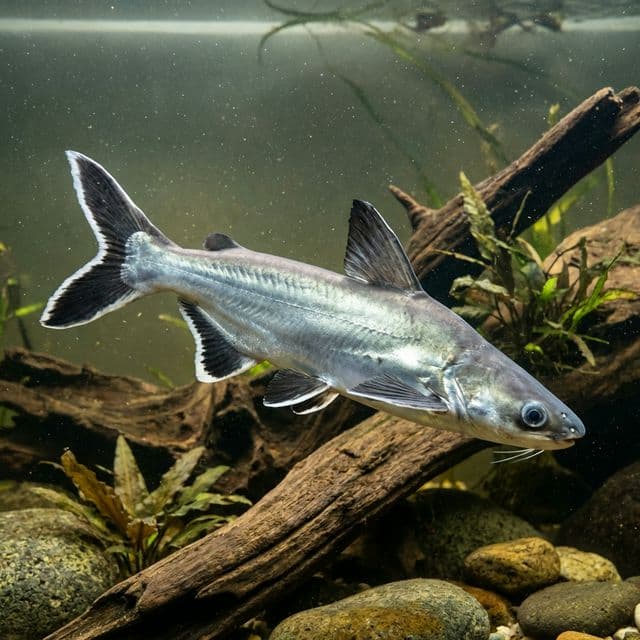
The Colombian Shark Catfish, scientifically known as Ariopsis seemanni, is an intriguing and visually appealing species that has garnered a devoted following in the aquarium hobby. This distinctive catfish is characterized by its sleek, elongated body and striking coloration, which includes a vibrant mix of silvery-white and dark grey hues. Adults can reach sizes of up to 14 inches, making them a standout inhabitant in larger aquariums. One of the most notable features of the Colombian Shark Catfish is its long, whip-like tail and prominent dorsal fin, which contribute to its shark-like appearance—a trait that emphasizes its name. Its appealing look combined with its active swimming behavior make it a sought-after species for both novice and experienced aquarists.
Emphasizing its significance in the aquarium community, the Colombian Shark Catfish is often appreciated for its adaptability and hardiness, traits that make it suitable for a variety of setups. However, its unique behaviors and social habits necessitate careful consideration in relation to tankmates and overall aquarium ecology. Moreover, keeping this species allows hobbyists to engage more deeply with their aquatic ecosystems by understanding the natural behaviors and conditions that they require to thrive. From its striking appearance to its engaging nature, the Colombian Shark Catfish remains a captivating choice for aquarium enthusiasts.
Natural Habitat & Origin
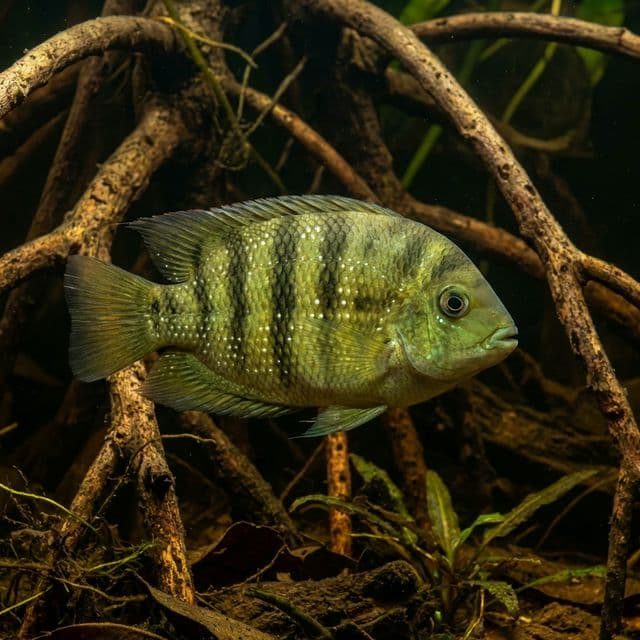
The Colombian Shark Catfish originates from the brackish waters of the Caribbean basin, particularly around the coastal regions of Colombia and Venezuela. They inhabit river estuaries where freshwater meets saltwater, thriving in environments where water salinity fluctuates. The natural habitats of this species are typically slow-moving rivers and mangrove swamps, where the water is rich in organic material, contributing to a blackwater effect. These are often shaded areas with plenty of submerged vegetation and leaf litter, which provide both cover and nutrition for the fish.
Understanding the geographical and environmental context of the Colombian Shark Catfish is crucial for replicating its natural habitat in captivity. Mimicking the low light levels and high organic content found in their native ecosystems fosters a more comfortable and stress-free environment. This knowledge contributes to the responsible care and management of this species within aquariums.
Care Requirements
To provide optimal care for the Colombian Shark Catfish, it is essential to maintain specific water parameters. The ideal pH level ranges from 6.5 to 7.5, with a temperature between 75°F to 82°F (24°C to 28°C) being ideal. The water hardness should ideally be between 5 to 15 dGH. When considering tank size, a minimum of 50 gallons is recommended for a single Colombian Shark Catfish, given its potential size and swimming requirements.
In terms of tank setup, the substrate should be soft and sandy to prevent damage to their sensitive barbels. Dark substrates mimic their natural habitat and enhance the visual appeal of their coloration. Adequate filtration and aeration are also vital to ensure high water quality and oxygenation. Lighting should be moderate, as excessive brightness can cause stress; incorporating floating plants can provide shade and an environment that reflects their natural surroundings. Additionally, driftwood and rocks can create hiding spots and promote a sense of security.
Diet & Feeding
The Colombian Shark Catfish is an omnivorous feeder, which means its diet can be varied to encompass both plant and animal matter. In captivity, they can thrive on a diet that includes high-quality flakes, sinking pellets specifically formulated for carnivorous fish, and a mix of frozen or live foods such as bloodworms, brine shrimp, and earthworms. Providing a balanced diet is vital to ensure their growth and overall health, incorporating both protein sources and plant-based foods to meet their nutritional needs.
Some aquarists may also introduce fresh vegetables like zucchini or spinach as a treat, encouraging natural foraging behavior which can stimulate their interactions and health. It is advised to feed them once or twice daily, ensuring that food is consumed within a few minutes to avoid water quality issues.
Behavior & Temperament
The Colombian Shark Catfish exhibits a generally peaceful demeanor, though it can become territorial as it matures. Juveniles often swim freely and may even school with others of their kind, but as they grow, they may require more personal space and may display mild aggression towards less assertive tankmates. Their behavior is primarily benthic, but they utilize all vertical layers of the tank, often seen exploring the mid and upper levels as well.
While the Colombian Shark Catfish can coexist with other species, its size and occasional territoriality mean that careful consideration is needed when selecting tankmates. It's important to provide ample swimming space and hiding spots to alleviate any potential stress or aggression.
Tank Mates
Selecting compatible tank mates for the Colombian Shark Catfish requires consideration of size, temperament, and environmental needs. Suitable tank mates include larger species such as cichlids (e.g. Central American cichlids), certain gouramis, and similarly sized catfish like the Synodontis species.
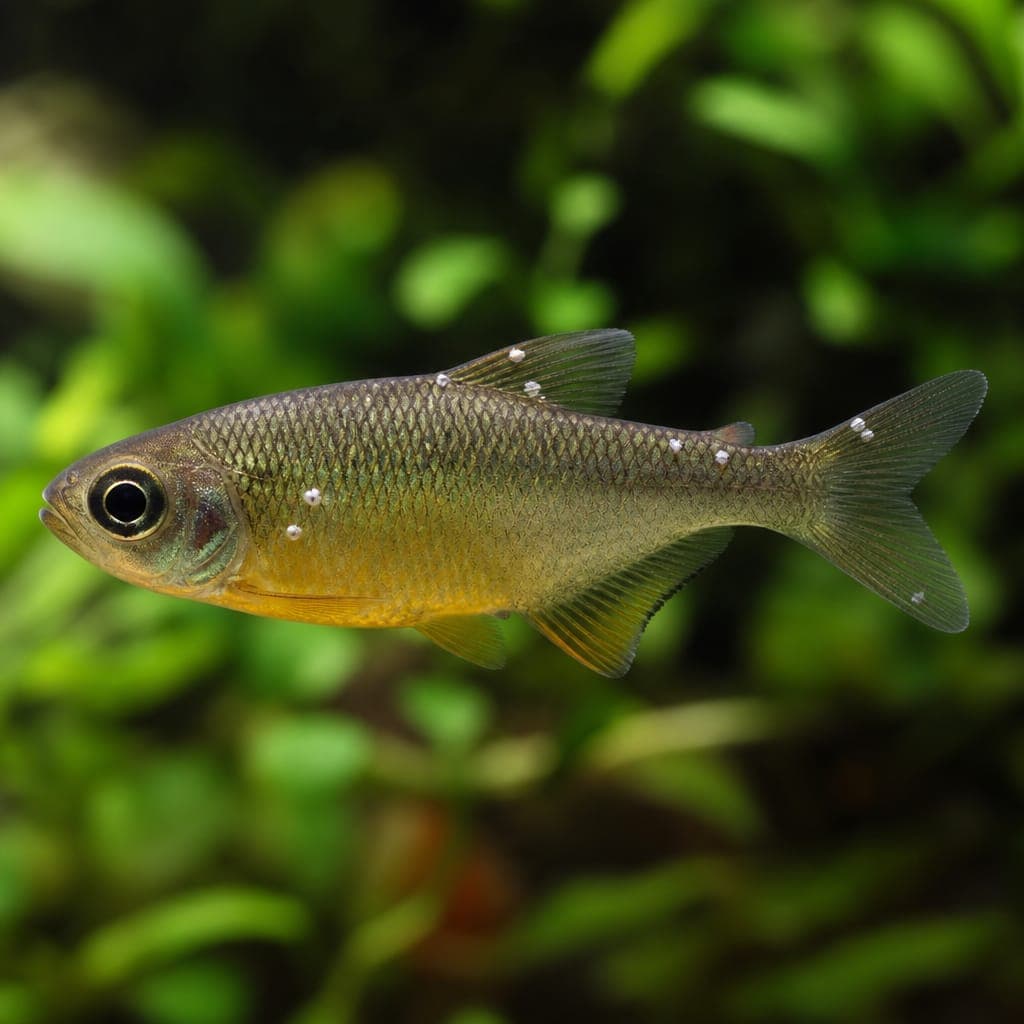
On the other hand, smaller fish such as neon tetras, guppies, or other diminutive species should be avoided, as they may be viewed as food or may not withstand the occasional territorial displays. Additionally, aggressive species like some types of barbs or very boisterous fish may lead to stress for the Colombian Shark Catfish, so they should be avoided as well.
Breeding
Breeding the Colombian Shark Catfish in captivity can present challenges, as they are not often bred outside their natural habitat. Spawning typically occurs in brackish water conditions, indicating that mimicry of these parameters in captivity can be beneficial. Ideal conditions include slightly elevated temperatures between 78°F to 84°F (25°C to 29°C), a pH that hovers around neutral, and a well-maintained, spacious setup that offers ample hiding places.
The breeding process usually entails the female laying eggs in secluded areas where they can be fertilized by the male. Once spawning has occurred, the eggs can be susceptible to fungal infections, requiring careful monitoring. Breeders may opt to remove the parents after spawning or when the eggs are fertilized to provide a safer environment for the young, who can be raised on finely crushed flakes or specialized fry food once they are free-swimming.
Common Health Issues
Though the Colombian Shark Catfish is generally hardy, they can still be susceptible to specific health issues. Common concerns include ich (whitespot disease), bacterial infections, and infections related to poor water quality. To prevent these issues, it is crucial to maintain a clean, well-filtered tank and perform regular water changes.
Monitoring for signs of distress, such as changes in swimming behavior, loss of appetite, or lesions, can also aid in early detection and treatment of health problems. Quarantining new fish before introduction can help prevent the transmission of diseases, ensuring a healthy community tank environment.
By adhering to proper care and management protocols, aquarists can provide a thriving habitat for the Colombian Shark Catfish, promoting its health and well-being while enjoying the unique characteristics this species brings to their aquarium.