Colombian Zebra Plec L129: Hypancistrus debilittera
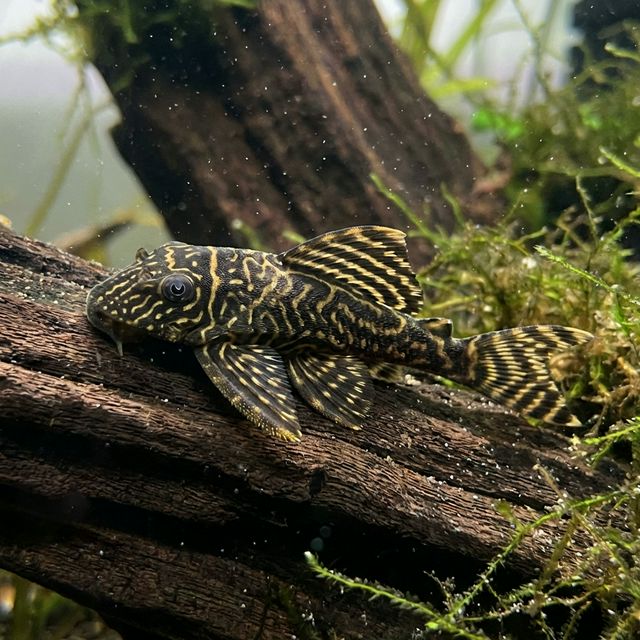
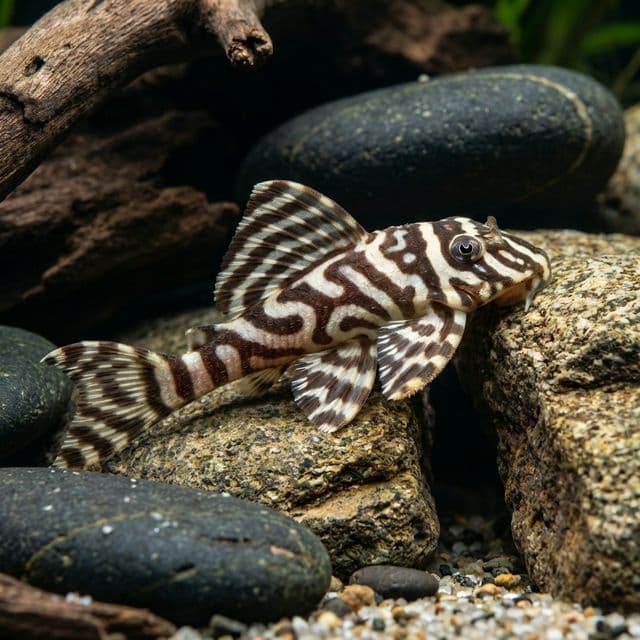
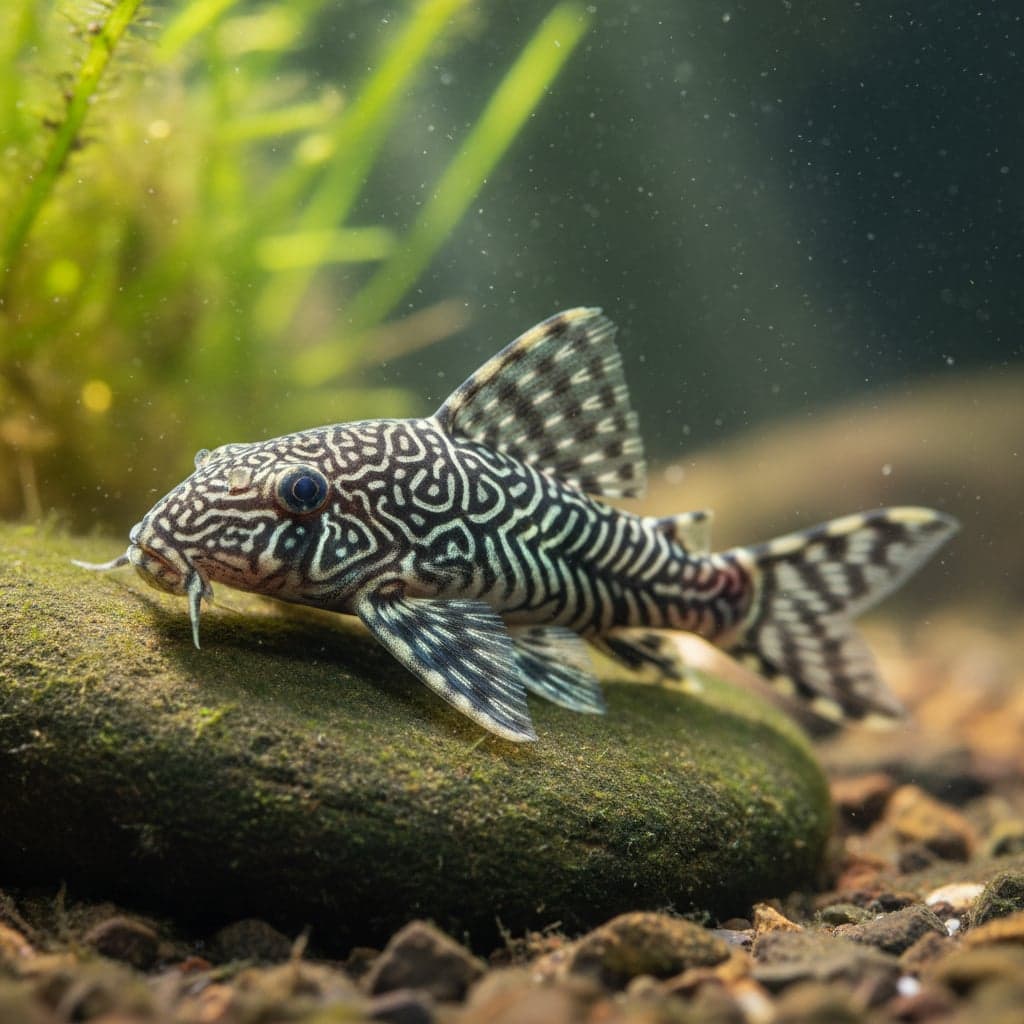
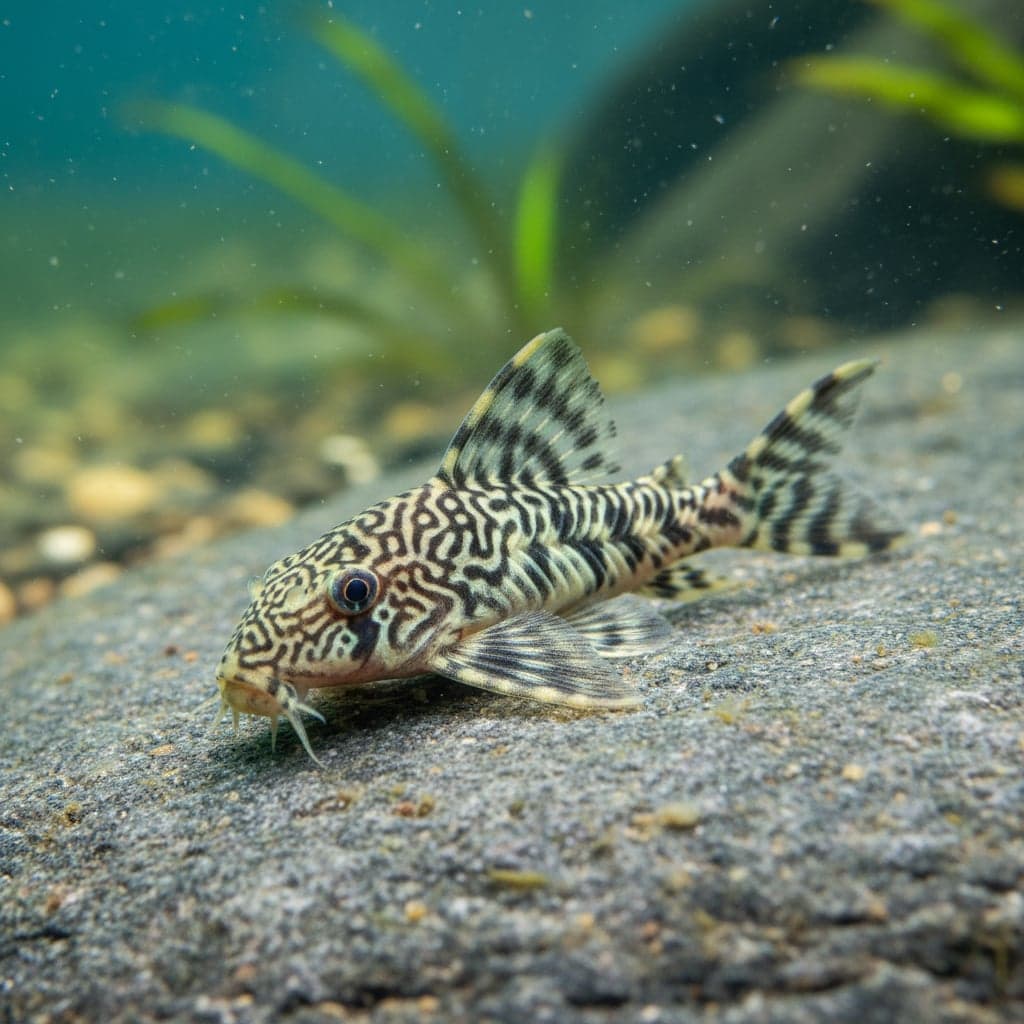
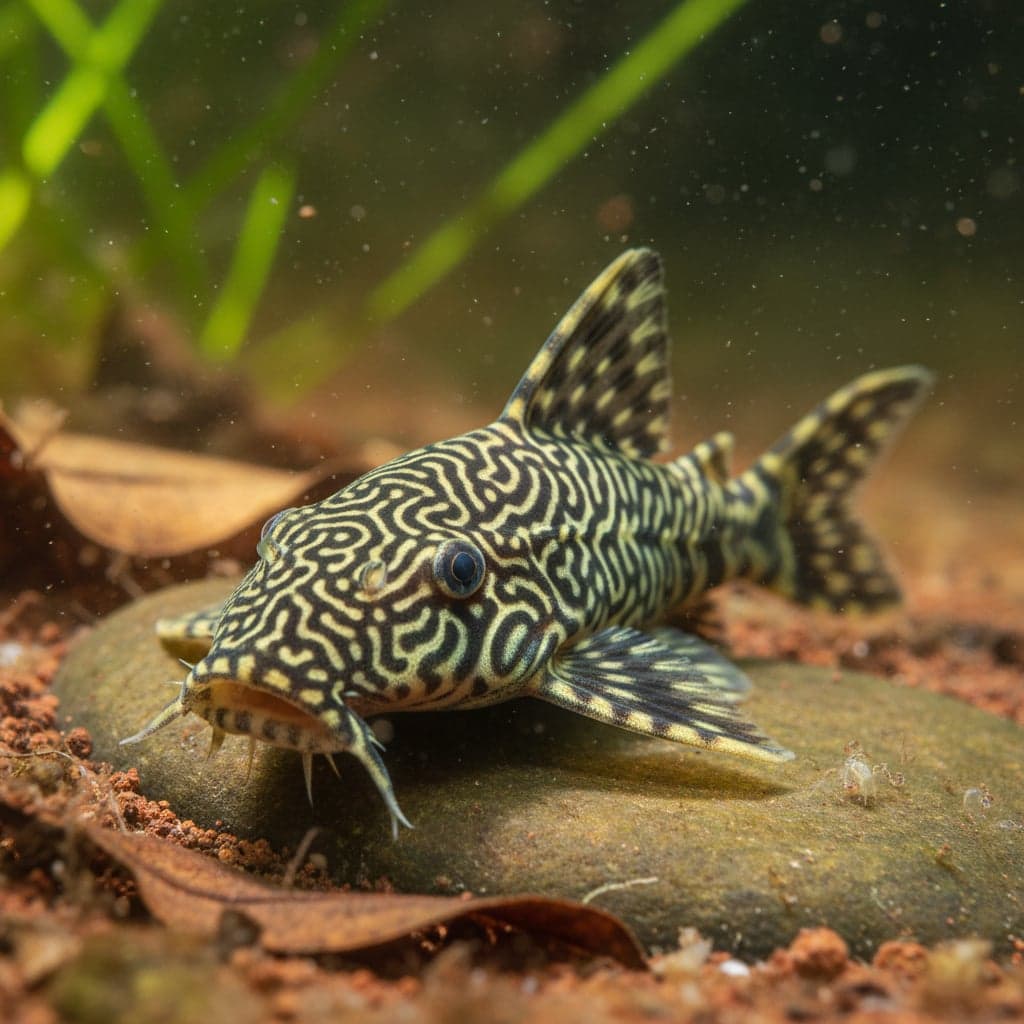
A beautifully patterned zebra pleco from Colombia. Features fine black and white wavy lines.

Colombian Zebra Plec L129
The Colombian Zebra Plec L129, scientifically known as Hypancistrus debilittera, is a strikingly beautiful and sought-after freshwater fish recognized for its unique coloration and distinctive pattern. Sporting bold black and white stripes reminiscent of a zebra, this pleco captivates aquarists with its visual appeal. Adult specimens can reach up to 4-5 inches in length, showcasing a flat body that is particularly flattering when displayed against the backdrop of a well-planted aquarium. Its unique appearance is not only a centerpiece in aquascaping but also a testament to the rich biodiversity of the freshwater environments it hails from.
In the aquarium hobby, the Colombian Zebra Plec L129 is significant not just for its aesthetic qualities but also for its ecological role. As a bottom-dweller, it contributes to the tank's health by maintaining substrate cleanliness through its natural feeding habits. Enthusiasts appreciate this species not only for its charm but also for its relatively manageable care requirements, making it suitable for both novice and experienced aquarists. The Colombian Zebra Plec L129 stands out within the Loricariidae family, making it an essential species for those looking to enhance their underwater landscapes.
Natural Habitat & Origin
The Colombian Zebra Plec L129 is indigenous to the Orinoco River basin in Colombia, South America, specifically in regions with slow-moving waters and an abundance of submerged wood and rocks. Its natural habitat primarily consists of blackwater environments characterized by dark, tannin-stained waters. This type of water is often rich in organic material, which contributes to the complexity of the ecosystem and offers these fish both cover and food sources. The dense vegetation and varied substrate in their natural environment are crucial for their well-being, mimicking the conditions that foster their growth and vitality.
The Colombian Zebra Plec L129 favors habitats with ample hiding places, such as caves and crevices, where it can seek refuge from potential predators. In the wild, this species is often found in shallow waters, where it can graze on algae and detritus that accumulate on surfaces. Understanding their natural habitat is instrumental for any aquarist aiming to replicate these conditions in a home aquarium to ensure the health and longevity of this captivating species.
Care Requirements
To keep Colombian Zebra Plecs L129 thriving, it is essential to maintain specific water parameters. An ideal pH range is between 6.5 to 7.5, while the water temperature should be kept between 75°F to 82°F (24°C to 28°C). Hardness should generally be within the range of 2 to 10 dGH. These parameters should be monitored closely, as fluctuations may cause stress and health issues in the fish.
Regarding tank setup, a minimum tank size of 30 gallons is recommended to accommodate these active fish and provide plenty of swimming space. The substrate should ideally be fine-grained, such as sand or small gravel, to protect their sensitive barbels. Caves and driftwood not only offer shelter but also provide surfaces for grazing. Low to moderate lighting is preferred to create a more natural atmosphere, and live plants such as Java Fern or Anubias can enhance the aesthetic appeal while contributing to the overall health of the aquarium ecosystem.
Diet & Feeding
The Colombian Zebra Plec L129 is primarily omnivorous, with a diet that should encompass various food types to ensure a balanced intake of nutrients. In captivity, they thrive on high-quality sinking pellets, specifically designed for herbivorous and omnivorous fish. Additionally, algae wafers are an excellent choice to encourage their natural grazing behavior. Supplementing their diet with frozen or live foods such as bloodworms, brine shrimp, and daphnia will enhance their color and overall health.
It's important to note that while they consume algae, relying solely on algae growth within the aquarium will not meet their nutritional needs. Regular feeding routines that include a diverse array of foods will optimize their growth rates and provide essential vitamins and minerals while keeping them healthy and active.
Behavior & Temperament
Colombian Zebra Plecs L129 are generally peaceful fish that exhibit solitary and slightly territorial behavior. They thrive in a well-structured aquarium environment and enjoy places where they can hide and explore, usually staying near the bottom or within caves. Although they are not aggressive, stress may arise when cohabitant species infringe on their territory, so it is advisable to monitor interactions carefully, especially with other bottom-dwellers.
In terms of social dynamics, these plecos do not require schooling but can coexist peacefully with other non-aggressive fish. They are primarily nocturnal, becoming more active during evenings and night time, making it essential to provide adequate hiding spots to create a sense of security. Vertical placement in the tank is encouraged as they appreciate vertical structures and decor, which can facilitate their exploratory behavior.
Tank Mates
When selecting tank mates for Colombian Zebra Plecs L129, it's crucial to choose species that share similar environmental needs and temperaments. Compatible tank mates include peaceful community fish such as Tetras, Rasboras, and Angelfish, as well as other non-aggressive catfishes like Corydoras and smaller Loricariids.
However, it’s advisable to avoid larger or more aggressive fish that may compete for territory or harass the plecs. Fish such as Cichlids or any aggressive variants may not coexist well with the Colombian Zebra Plec L129, leading to stress and potential injury. The key to a successful tank community is to maintain stability and harmony among all inhabitants, ensuring a vibrant aquarium ecosystem.
Breeding
Breeding Colombian Zebra Plecs L129 in captivity can be challenging, but with the right conditions, it is achievable. These fish are cave spawners, often seeking out dark, sheltered spaces to lay their eggs. To promote breeding, the aquarium should be a mature setup with optimal water quality, stable temperature, and plenty of hiding spots. A slight increase in water temperature (around 82°F) may trigger spawning behavior.
Once the female lays her eggs, the male will fertilize them and take on the role of protector, fanning the eggs to ensure proper oxygenation. It is essential to remove other tank mates during this time, as they may eat the eggs or fry. The eggs typically hatch within 3 to 5 days, and the male will continue to care for the fry for several days post-hatching. Providing appropriate food such as crushed flakes or small pieces of vegetables will further support the growth and development of the young plecos.
Common Health Issues
While Colombian Zebra Plecs L129 are relatively hardy, they are still susceptible to common freshwater fish diseases, such as ich, fin rot, and velvet disease if water parameters are not maintained correctly. Frequent water changes, adherence to proper tank maintenance, and monitoring for signs of stress or illness are key preventative measures. Regular observation for any physical abnormalities or behavior changes can help identify health issues early.
Additionally, providing a well-balanced diet supports their immune system, making them less prone to disease. In cases where health issues arise, prompt treatment with appropriate medications and adjustments to their environment can significantly enhance the likelihood of recovery, ensuring these mesmerizing fish continue to thrive in the home aquarium.