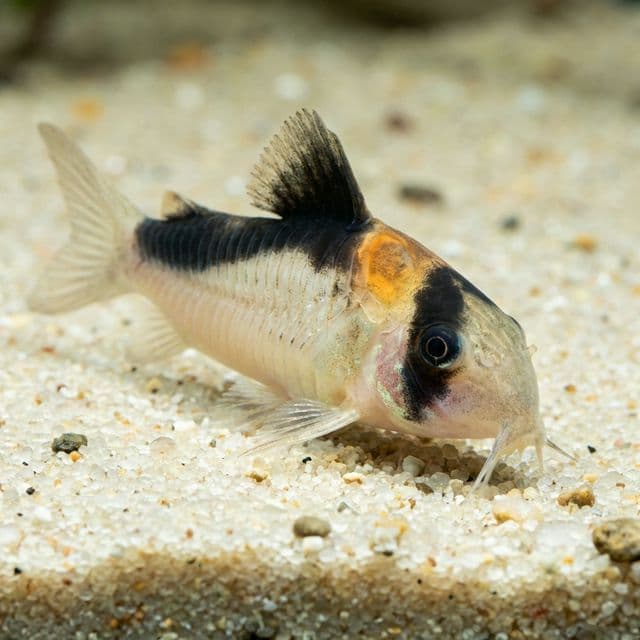
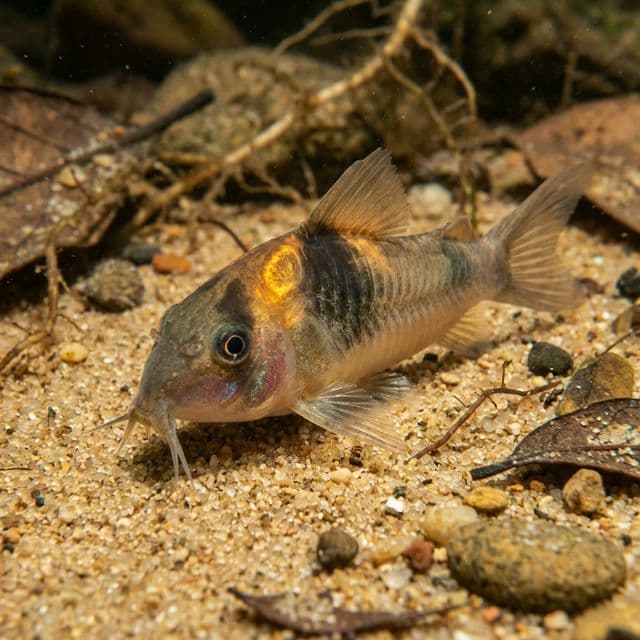
Colossus Cory (CW045): Hoplisoma colossus
One of the largest corydoras species. A chunky, impressive bottom dweller.
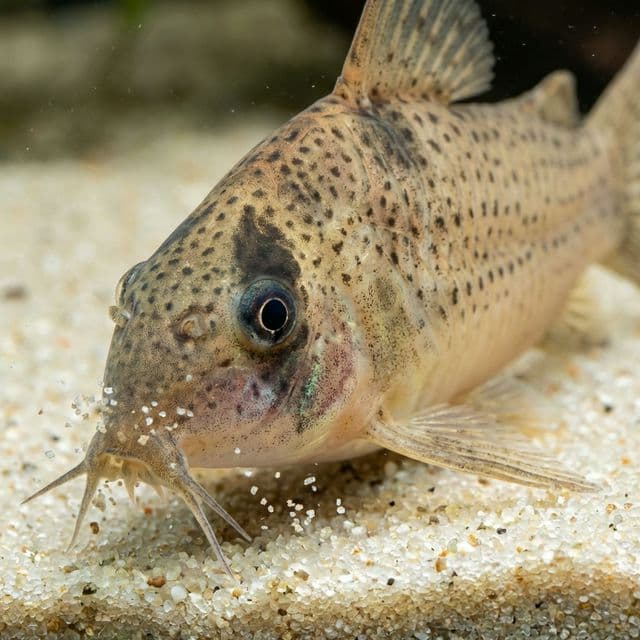
Colossus Cory
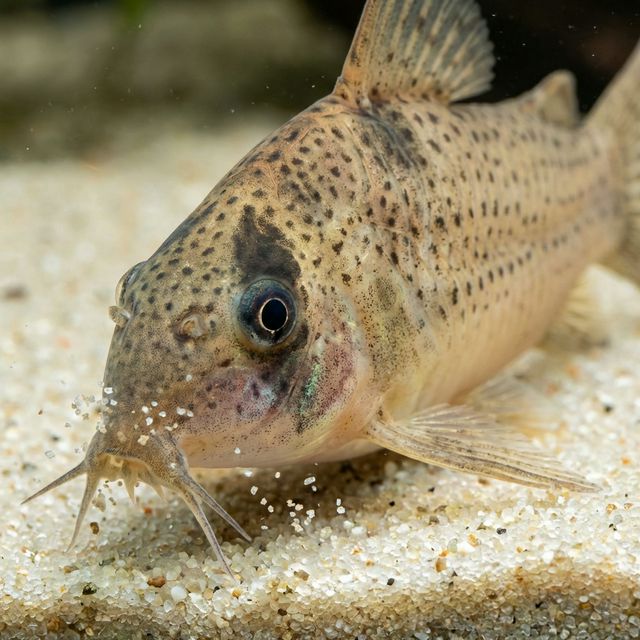
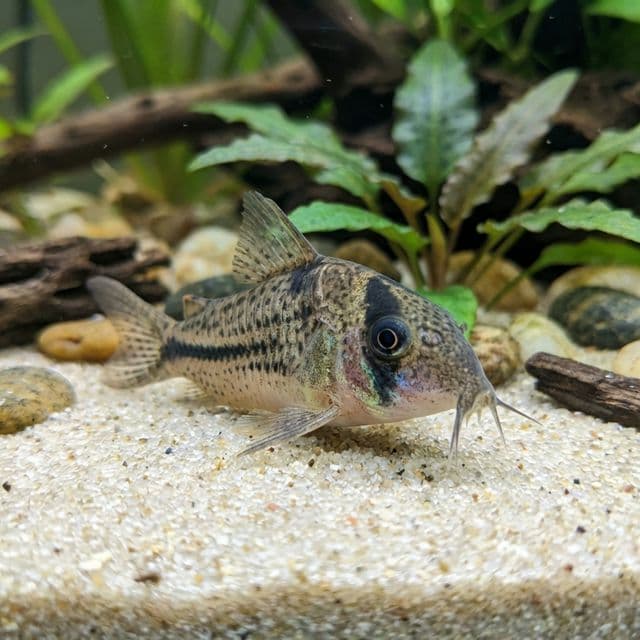
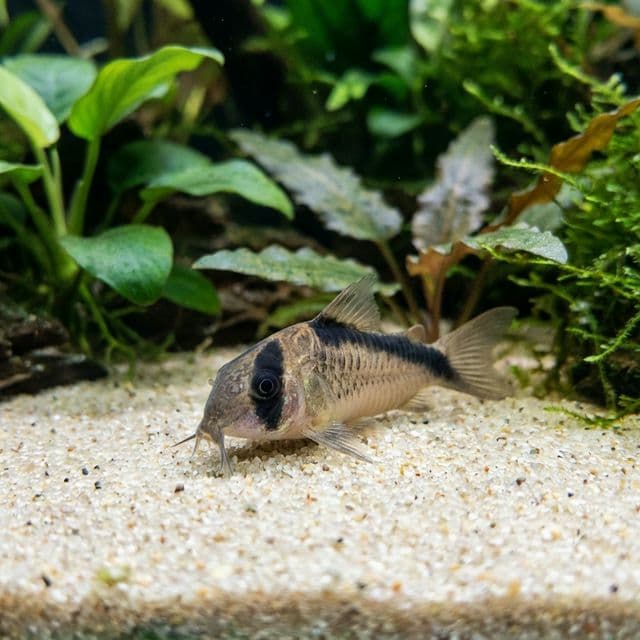
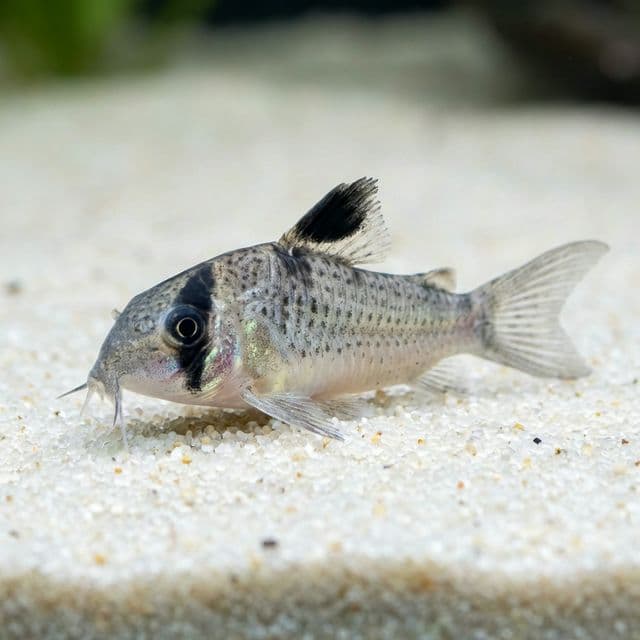
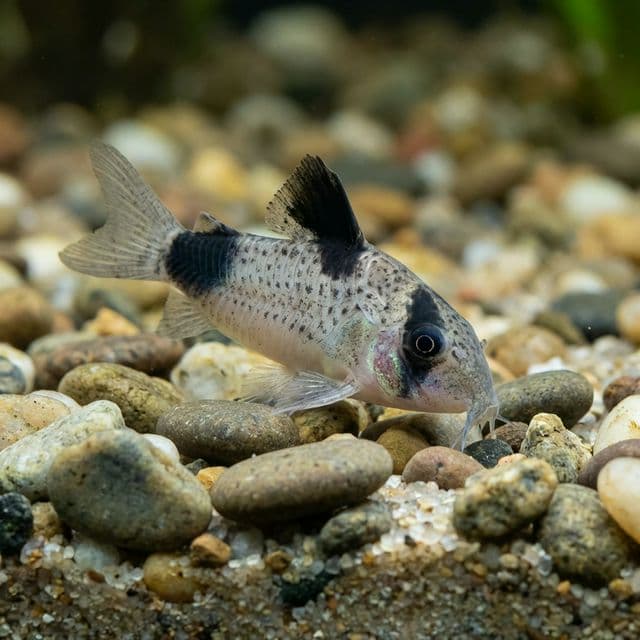
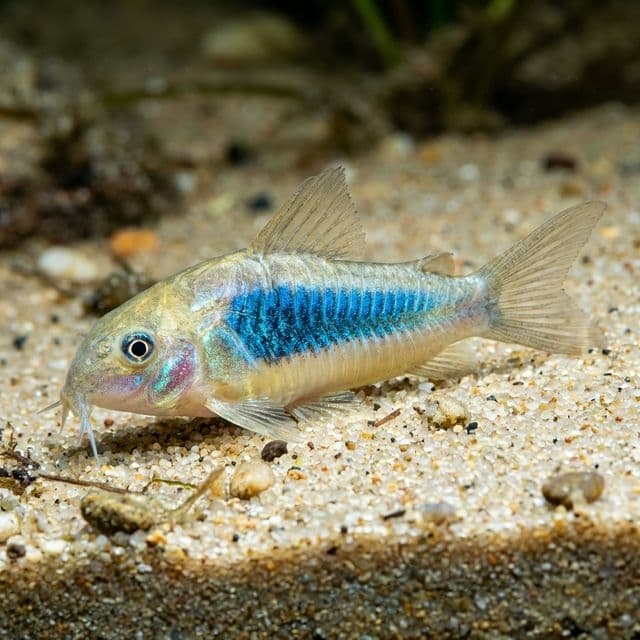
The Colossus Cory (Hoplisoma colossus) is a captivating freshwater fish that has become increasingly popular among aquarium enthusiasts due to its striking appearance and engaging behavior. This species boasts a distinctive, robust body adorned with a delicate pattern of spots and coloration that ranges from golden yellows to deep browns. Its vibrant hues and unique morphology capture the attention of aquarists and add a stunning visual element to any aquatic environment. Often regarded as a centerpiece in community tanks, the Colossus Cory's presence contributes to the aesthetic harmony and dynamic nature of the aquarium.
In the aquarium hobby, the Colossus Cory holds significant allure not just for its beauty but also for its social behaviors and environmental adaptability. Being an active and inquisitive fish, it plays a crucial role in maintaining the ecological balance within a tank ecosystem. Its engaging nature encourages hobbyists to create well-thought-out aquascapes that mimic its natural habitat, further promoting sustainable aquarium practices. Both beginners and experts appreciate the Colossus Cory for its hardiness and compatibility with various setups, making it an ideal choice for anyone looking to enhance their aquatic collection.
Natural Habitat & Origin
The Colossus Cory originates from the waterways of South America, particularly within the Amazon Basin, where it thrives in slow-moving rivers and streams. This region is characterized by a rich diversity of aquatic life and a complex ecosystem that includes a mix of submerged vegetation, driftwood, and soft substrates. The Colossus Cory prefers environments that exhibit blackwater conditions, featuring darkly stained waters with lower light penetration and high amounts of organic material. Such habitats provide the perfect conditions for foraging, as these fish are primarily bottom dwellers that sift through the substrate for food.
In its natural habitat, water parameters are typically soft and acidic, which is essential for the Colossus Cory's overall health. This species often finds refuge in dense vegetation and submerged structures, providing it with shelter from potential predators. The ambient conditions in blackwater environments, along with the organic richness, foster a unique biotope that greatly influences the fish's behavior and physiology, making it crucial for aquarists to replicate these elements when maintaining them in captivity.
Care Requirements
To ensure optimal health and well-being, the Colossus Cory requires specific water parameters and tank setups. Ideal conditions include a pH range of 6.0 to 7.5, a temperature range of 24°C to 28°C (75°F to 82°F), and soft to moderately hard water (2-15 dGh). These parameters closely mimic the natural environments these fish thrive in, reducing stress and promoting vibrant coloration.
The tank size should be a minimum of 75 liters (20 gallons), providing adequate swimming space for groups of these sociable fish. A sandy or fine-grained substrate is preferred, as it allows the Colossus Cory to forage comfortably without risk of injury. Lighting should be moderate, with the addition of live plants (such as Amazon swords or Java ferns) to create shelter and replicate their natural habitat. Adding driftwood and rocks will offer hiding spots and enhance territorial boundaries, contributing to a more enriching environment.
Diet & Feeding
The Colossus Cory is an omnivorous species, thriving on a varied diet that includes both plant and animal matter. Specializing in a soft, nutrient-rich diet is essential for optimal health. High-quality flakes or pellets formulated for bottom feeders can serve as a staple, complemented by occasional feedings of frozen or live foods such as bloodworms, brine shrimp, and daphnia. Offering a mix of prepared foods along with blanched vegetables like zucchini, spinach, or peas can enhance their diet and promote overall vitality.
Given their foraging nature, providing a variety of food types encourages natural behaviors, stimulating mental engagement and reducing stress levels. It is essential to avoid overfeeding and ensure that the food reaches the bottom for these opportunistic feeders. Regular monitoring of feeding habits also helps maintain water quality, contributing to a healthy and balanced ecosystem.
Behavior & Temperament
The Colossus Cory is known for its peaceful, social demeanor, making it an excellent addition to community tanks. These fish thrive when kept in groups of five or more, exhibiting natural schooling behavior that fosters a dynamic and interactive atmosphere. They tend to stay near the substrate and will often be seen foraging together, displaying a friendly and engaging temperament that delights aquarists.
While the Colossus Cory is not aggressive, it can show some territorial tendencies, especially during feeding. Careful tank placement is crucial; keep in mind that these fish prefer to inhabit the lower levels of the aquarium. Providing ample hiding places and structures will create a sense of security, allowing them to flourish while interacting harmoniously with their community set-up.
Tank Mates
Choosing appropriate tank mates for the Colossus Cory enhances not only their environment but also the overall harmony of the aquarium. Ideal companions include peaceful species such as Tetras (e.g., Neon or Cardinal Tetras), Rasboras, and smaller Livebearers like Guppies. They can cohabit well with other bottom-dwellers like other Corydoras species or small Loaches, provided there is ample room and territory for everyone.
However, it is crucial to avoid aggressive or overly large species that may intimidate or outcompete the Colossus Cory for food and space, such as Cichlids or larger catfish. Avoiding fin nippers is also essential, as these can stress the Cory, leading to potential health issues. Selecting a harmonious, compatible community ensures a thriving environment for all inhabitants.
Breeding
Breeding the Colossus Cory in captivity requires specific conditions to encourage successful spawning. These fish typically exhibit egg-laying behavior, where females release eggs on flat surfaces, often in the presence of males. To create conducive breeding conditions, set up a dedicated breeding tank with slightly cooler temperatures (around 22°C or 72°F) and softer water (pH around 6.0) to mimic their natural spawning environment.
Introduce a breeding group consisting of several females and a few males and ensure the tank is densely planted. Offer high-quality foods leading up to spawning, as health and nutrition significantly impact reproductive success. Following spawning, adult fish typically eat the eggs, so it’s crucial to remove the adults after spawning occurs and utilize a sponge filter to keep water conditions optimal for hatching. The eggs usually take around 3 to 6 days to hatch, and the fry should be fed infusoria or finely crushed flakes until they grow larger.
Common Health Issues
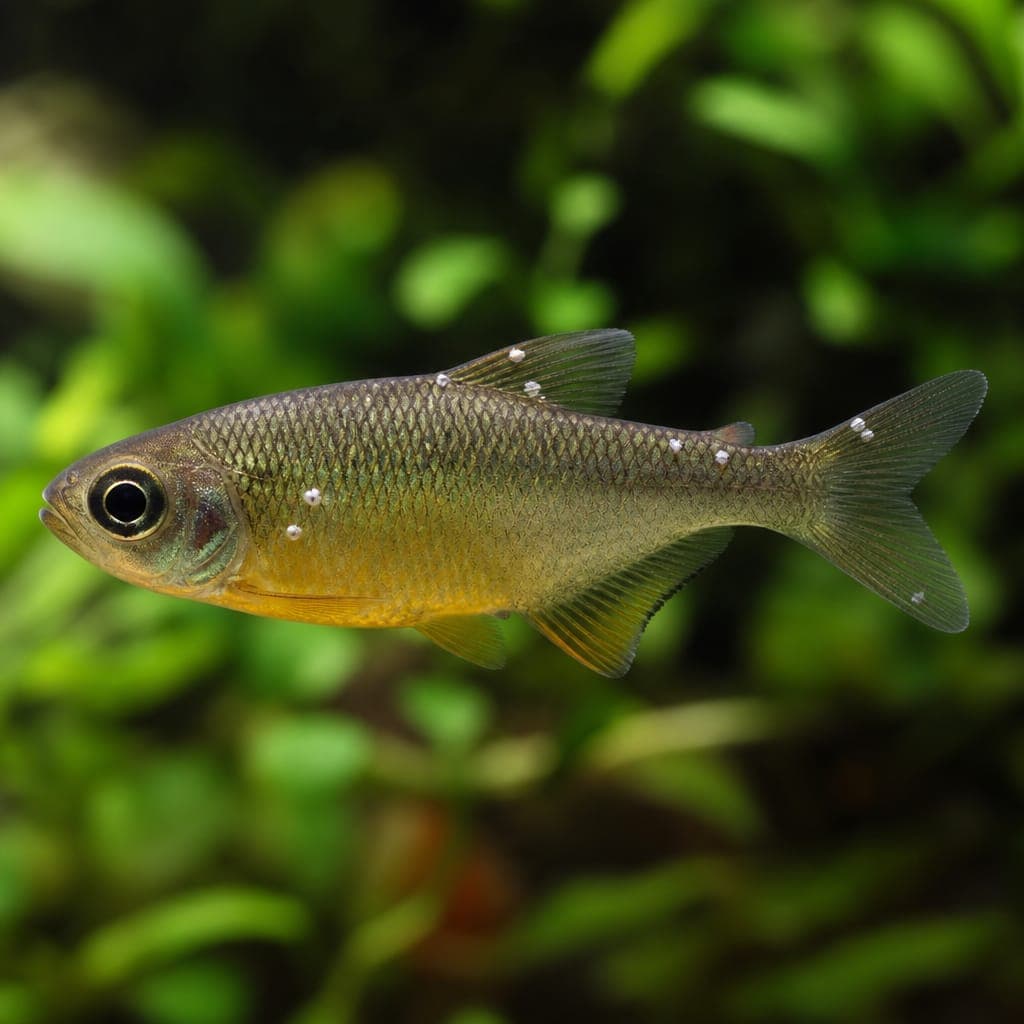
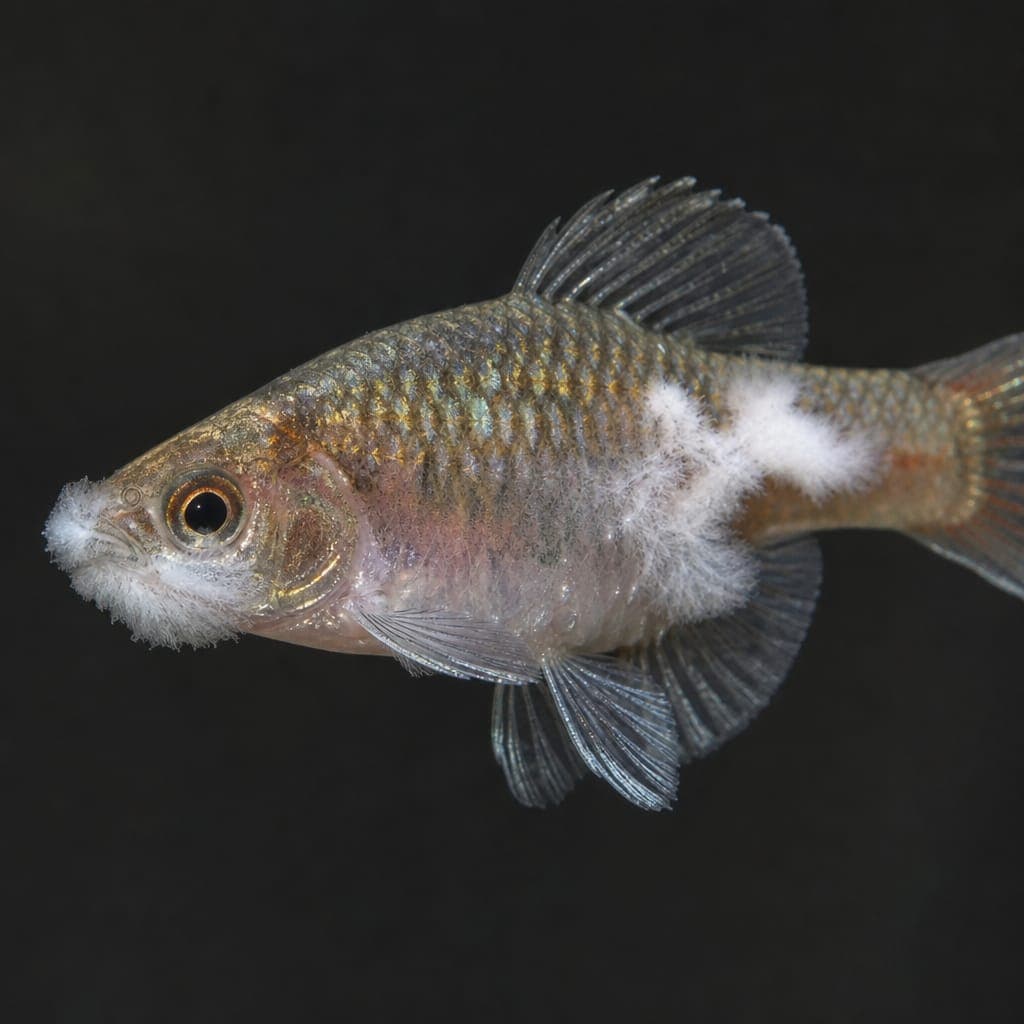
Like many freshwater fish, the Colossus Cory may be susceptible to various health issues. Common ailments include ich (white spot disease), fin rot, and various fungal infections. Maintaining proper water quality, optimal tank conditions, and a balanced diet significantly help prevent these diseases.
Regular monitoring of tank parameters is critical to maintaining fish health. Quarantine new arrivals before introducing them to the main tank, and observe for unusual behaviors or signs of stress or disease. Keeping a clean tank with regular water changes, appropriate filtration, and a reduced stress environment will contribute to the longevity and vitality of the Colossus Cory in your aquarium.
By following this comprehensive guide, you’ll be well-prepared to care for the captivating Colossus Cory, creating a thriving habitat that showcases its beauty and unique personality for years to come. Quarantine new fish, keep them in a proper group on soft sand, and maintain pristine water with regular changes. Avoid copper treatments when possible, and respond quickly to white spots, clamped fins, or laboured breathing. A varied sinking diet and low-stress surroundings help Colossus Corys thrive as hardy, engaging bottom-dwellers.