Compressiceps Dwarf Pike Cichlid: Wallaciia compressiceps
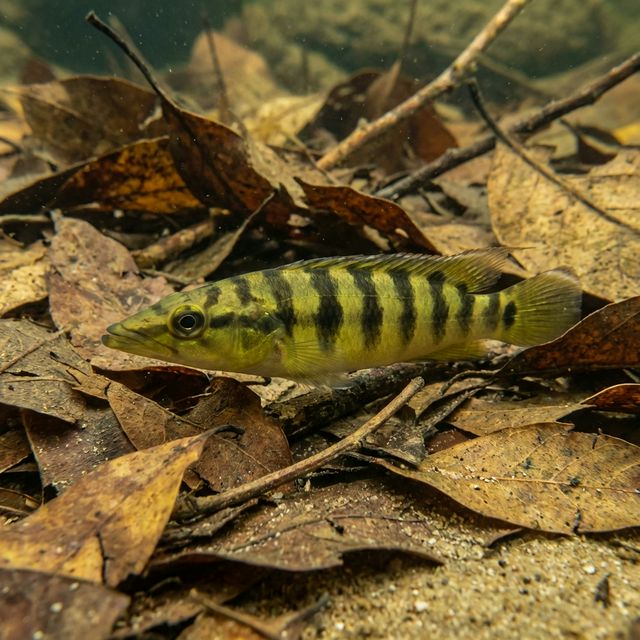
A small, elongated pike cichlid from Brazil. A micropredator with a flattened head.

Compressiceps Dwarf Pike Cichlid
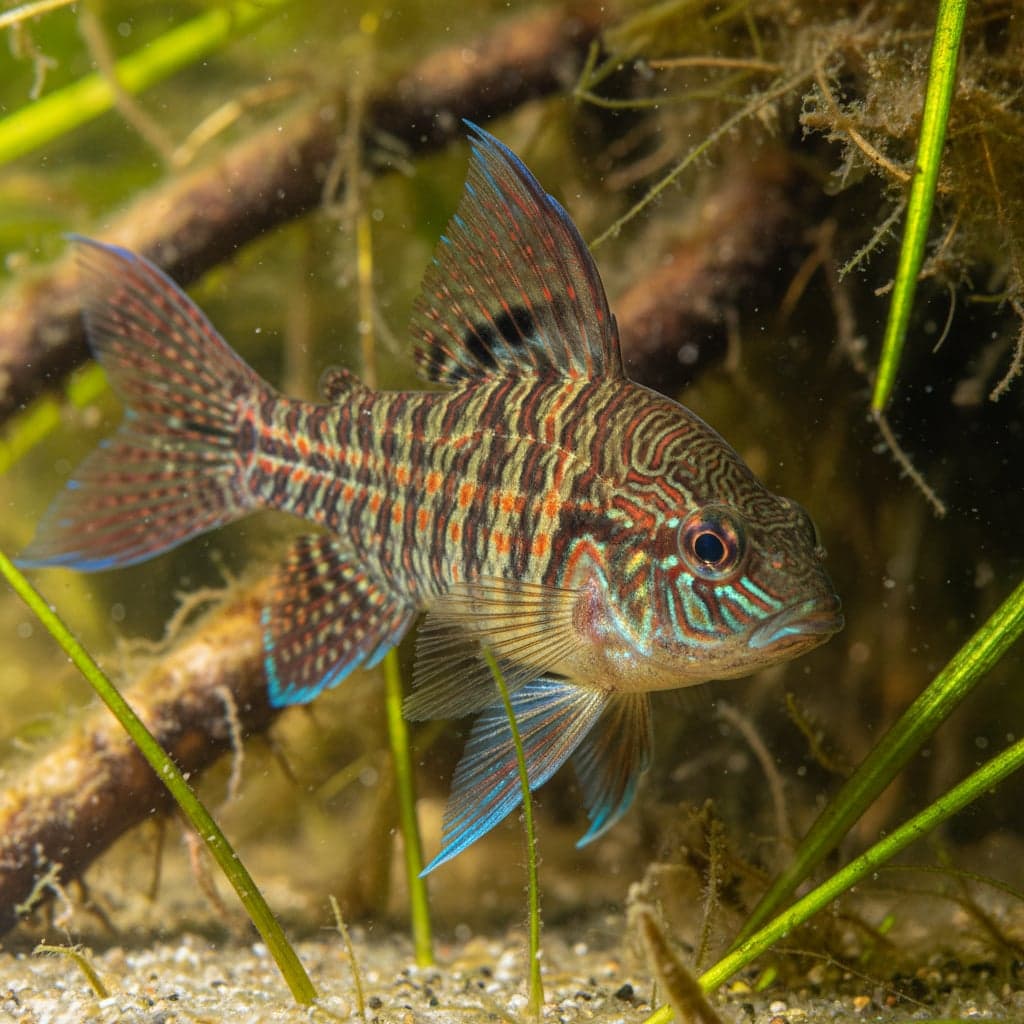
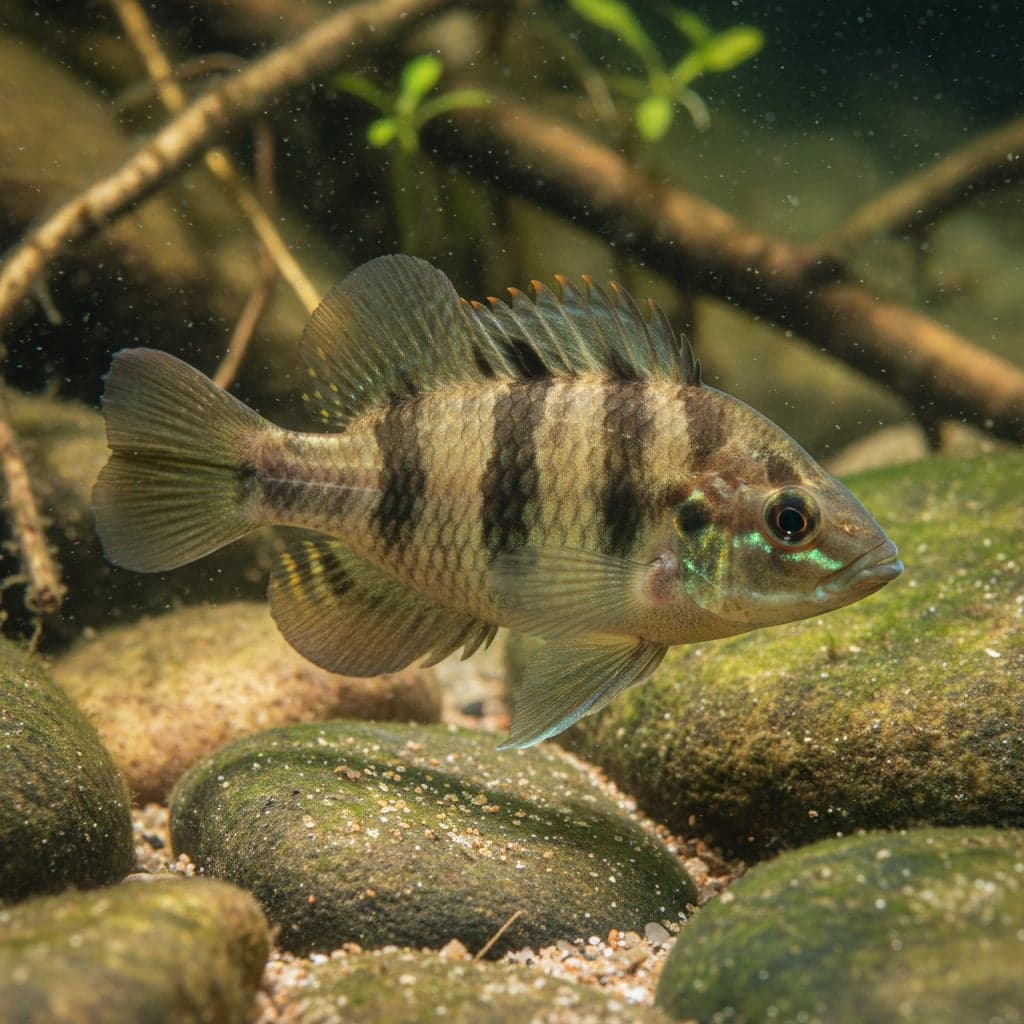
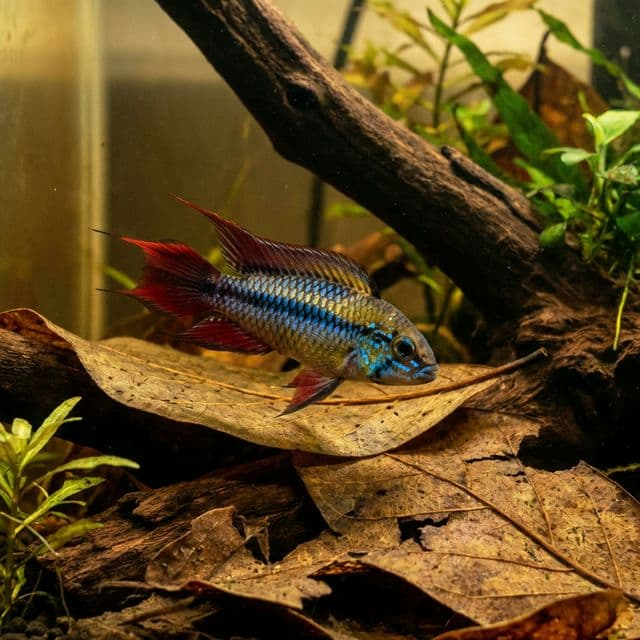
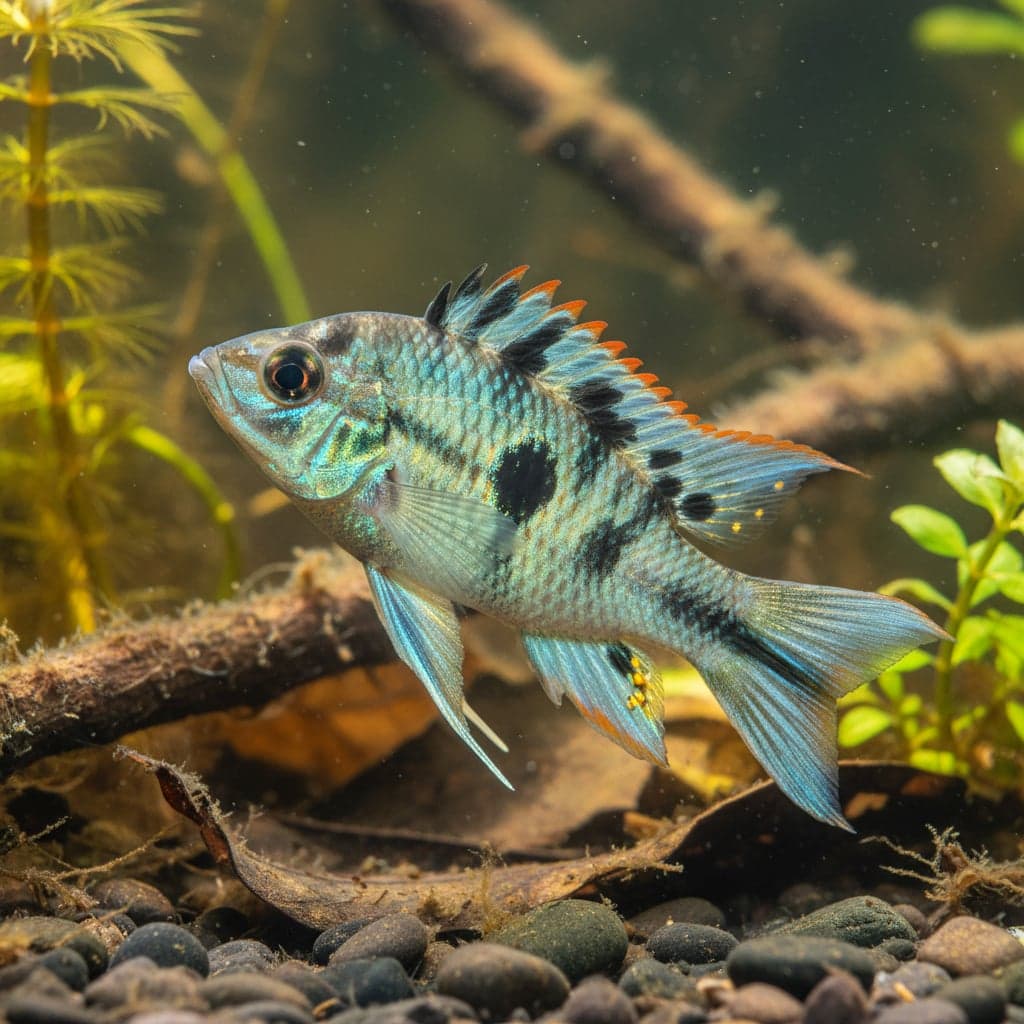
The Compressiceps Dwarf Pike Cichlid, scientifically known as Wallaciia compressiceps, is a striking freshwater fish native to the intricate ecosystems of Lake Tanganyika in East Africa. Renowned for its elongated body and vibrant coloration, this cichlid typically features an impressive array of hues including blues, yellows, and greens that shimmer under aquarium lighting. These visual traits not only enhance its allure for aquarists but also serve as a testament to its adaptability and evolutionary success within its natural habitat. The Compressiceps Dwarf Pike Cichlid is a quintessential choice for those looking to elevate their aquarium with a captivating species that exhibits unique behaviors and interactions.
In the aquarium hobby, the Compressiceps Dwarf Pike Cichlid is highly coveted not only for its aesthetic appeal but also for its fascinating predatory behaviors. This species displays a dynamic hunting style, where it often lurks within the rocks and crevices of an aquarium, ready to ambush its next meal. Its distinctive physique not only aids in swift movements but also contributes to its role as a significant predator in the aquatic ecosystem. Bringing this cichlid into a well-planned tank can enrich the experience of any fish keeper, providing hours of observation and enjoyment as they witness the intriguing behaviors of this intriguing species.
Natural Habitat & Origin
The Compressiceps Dwarf Pike Cichlid is indigenous to the deep, pristine waters of Lake Tanganyika, one of the oldest and most biodiverse lakes on the planet. Found primarily in rocky environments, this fish thrives among the submerged ledges and caves where it can use its agility to navigate and hunt. The water in Lake Tanganyika is typically alkaline, with a pH ranging from 8.5 to 9.5, and characterized as hard and mineral-rich, making it essential for the health and vitality of this species in captivity. The environmental context of Lake Tanganyika, with its stable temperature and unique mineral composition, shapes the Compressiceps Dwarf Pike Cichlid's physiological needs and behavior.
Within the lake, the Compressiceps Dwarf Pike Cichlid is often found at varying depths, commonly between 3 to 25 meters. The clear waters allow for high visibility, which is crucial for spotting both prey and potential threats. This clarity also means that light penetration can affect their behaviors, influencing their vertical placement in the water column. In replicating their habitat in home aquariums, it’s important to focus on providing an environment that mirrors these natural conditions to promote optimal health and activity.
Care Requirements
To maintain a healthy Compressiceps Dwarf Pike Cichlid, specific water parameters must be met. Ideally, the tank should have a pH level between 8.5 and 9.5, with a temperature range of 24°C to 29°C (75°F to 84°F). Water hardness should also be within the range of 10-20 dGH to provide the minerals necessary for its wellbeing. The minimum recommended tank size is 75 gallons as this allows ample swimming space and territories for the Compressiceps Dwarf Pike Cichlid to establish itself.
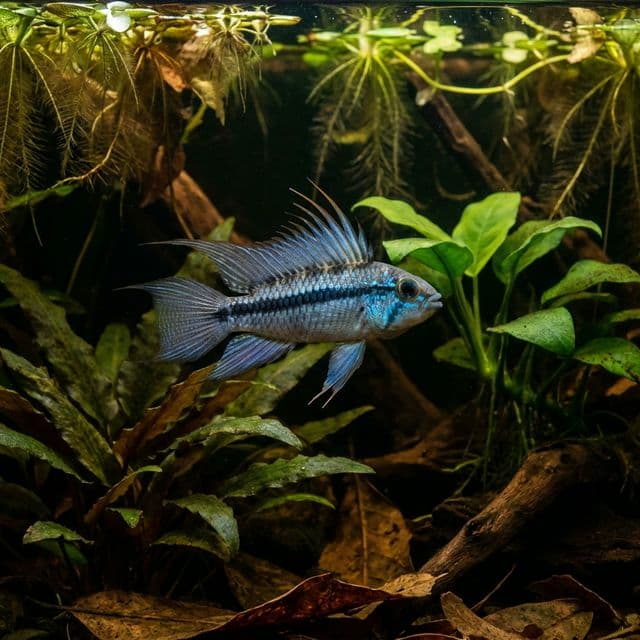
For substrate, a mixture of fine gravel and sand can be used to simulate the lake's floor. Providing ample hiding spots through rock formations, caves, and driftwood will help create a secure environment that accommodates this species' natural behavior. Lighting should be moderate; excessive brightness can stress this fish, therefore, utilizing subdued lighting will encourage natural behavior. Live plants can be added, but they should be strategically placed to avoid overcrowding the tank's swimming area, and floating plants might be beneficial to diffuse the light.
Diet & Feeding
The Compressiceps Dwarf Pike Cichlid is primarily carnivorous, although it can exhibit omnivorous tendencies in captivity. In the wild, it feeds on small fish, invertebrates, and zooplankton, showcasing its hunting prowess. To replicate its natural diet, aquarists should provide a balanced diet consisting of high-quality flake foods, pellets specifically designed for carnivorous cichlids, and a variety of frozen foods such as brine shrimp, bloodworms, and daphnia. Supplementing with occasional live foods will enhance their color and vitality, making for a robust diet that promotes health and growth.
Feeding should occur 2-3 times a day in small portions; this prevents overfeeding and helps maintain water quality. It's important to monitor their feeding behaviors carefully, as the Compressiceps Dwarf Pike Cichlid can display territorial feeding tendencies, particularly in community tanks. Ensuring that food reaches all fish in the tank, especially the smaller or less aggressive individuals, will promote a harmonious feeding environment.
Behavior & Temperament
The Compressiceps Dwarf Pike Cichlid exhibits intriguing behavior, characterized by its semi-aggressive temperament. While it is not overly aggressive, this species can show territoriality, particularly during spawning or when establishing its home range. They are not considered schooling fish, preferring to maintain a certain amount of distance from other fish, especially other cichlids, to avoid confrontation. However, they can coexist with similarly sized species in a well-planned aquarium.
In terms of vertical placement, the Compressiceps Dwarf Pike Cichlid tends to favor the middle to upper levels of the tank, highlighting their adaptability in navigating both shallow and deeper waters. Providing ample hides and territories is crucial, as it allows them to feel secure while also encouraging natural behaviors such as ambushing prey and exploring their environment.
Tank Mates
Selecting compatible tank mates for the Compressiceps Dwarf Pike Cichlid involves choosing species that can thrive in similar environmental conditions and temperaments. Compatible tank mates include other medium to large cichlids such as the Frontosa (Cyphotilapia frontosa) and various species of peaceful lake tanganyika cichlids. Additionally, larger peaceful species such as some types of catfish (e.g., Synodontis), as well as certain tetras and barbs, can also work well.
However, it is critical to avoid keeping the Compressiceps Dwarf Pike Cichlid with overly aggressive species or smaller fish that may be viewed as prey. Species like the Mbuna cichlids, which are often more aggressive and territorial, should also be avoided, as they can stress the Compressiceps Dwarf Pike Cichlid and lead to fighting or injuries.
Breeding
The breeding behavior of the Compressiceps Dwarf Pike Cichlid can be both fascinating and challenging, making it a rewarding endeavor in captivity for experienced aquarists. This species tends to be mouthbrooding, where the female will lay eggs on a flat surface such as a smooth rock or substrate. The male typically participates in the courtship display by showcasing brightness and performing dance-like movements to attract the female.
For successful breeding, a spacious breeding tank mimicking its natural habitat is recommended, with a stable environment that maintains the preferred water parameters. Providing flat surfaces and substrates for egg-laying, along with hiding spots for the female post-spawning, will enhance the breeding process and increase the chances of fry survival. Once the eggs are laid, the female will carry them in her mouth until they hatch, which typically occurs after around 3-4 days. After hatching, the fry are released into the tank, where they will continue to receive protection from their parents for several weeks. During this early stage, feed the fry newly hatched baby brine shrimp or microworms until they can take crushed flakes and micropredator pellets.
Common Health Issues
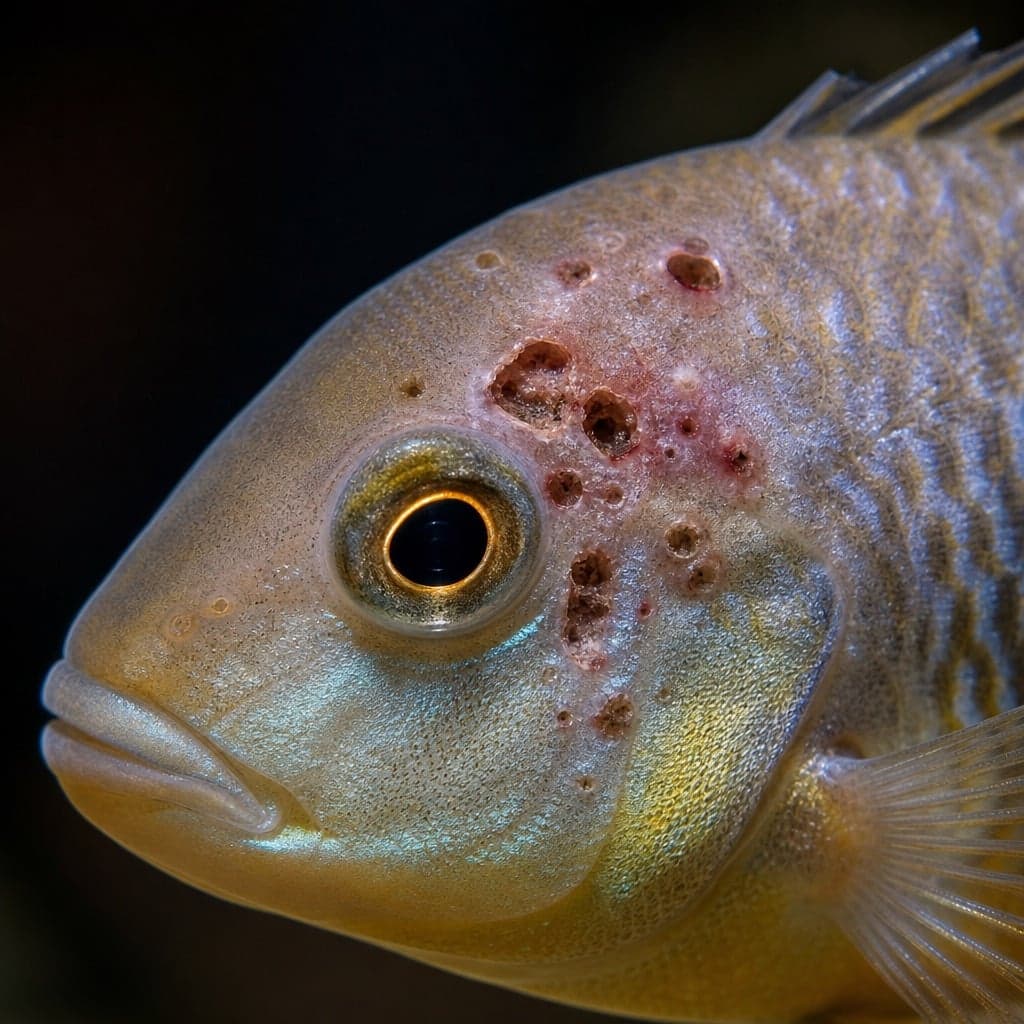
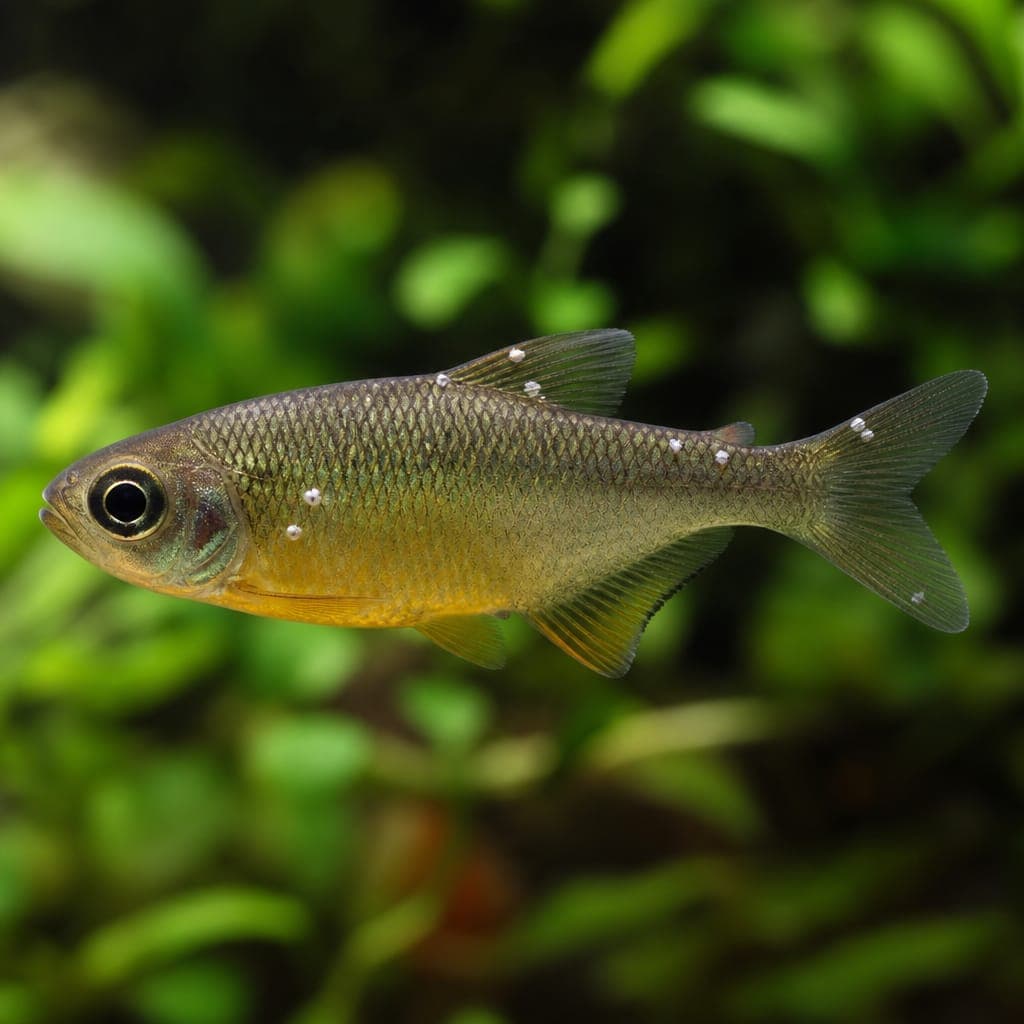
Compressiceps Dwarf Pike Cichlids are hardy once established, but they remain sensitive to poor water quality and sudden parameter fluctuations. Elevated nitrate levels or organic build-up can lead to bacterial infections, fin rot, and hole-in-the-head (HITH) disease. Like most cichlids, they are also susceptible to ich (Ichthyophthirius multifiliis) during periods of stress or temperature drops. To keep them healthy, perform regular water changes, maintain strong filtration, and provide a balanced, high-protein diet while avoiding overfeeding. Quarantining new tank additions also helps prevent introducing parasites to their environment.