Cope's Tetra: Hemigrammus copei
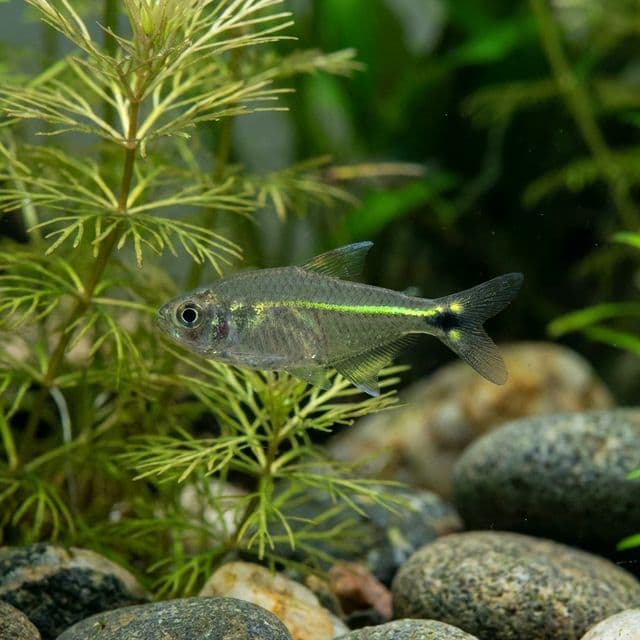
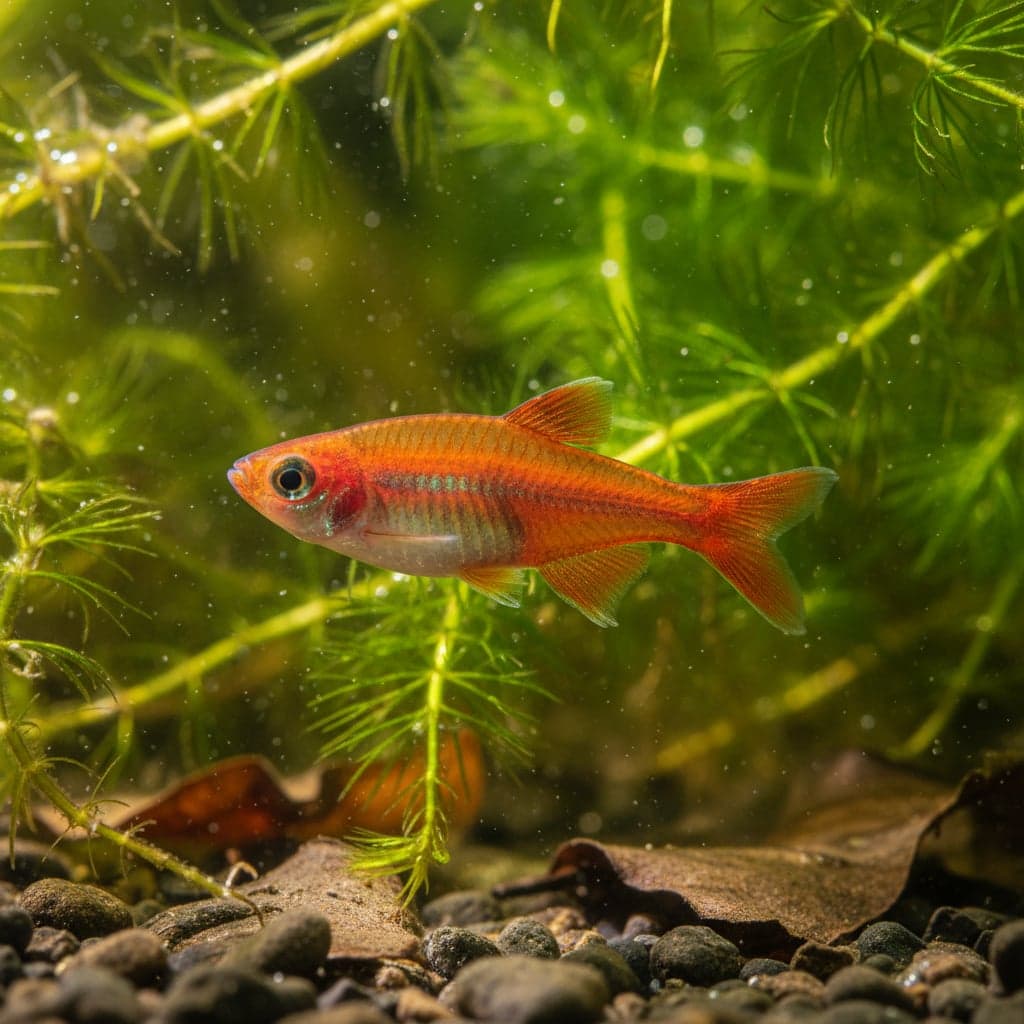
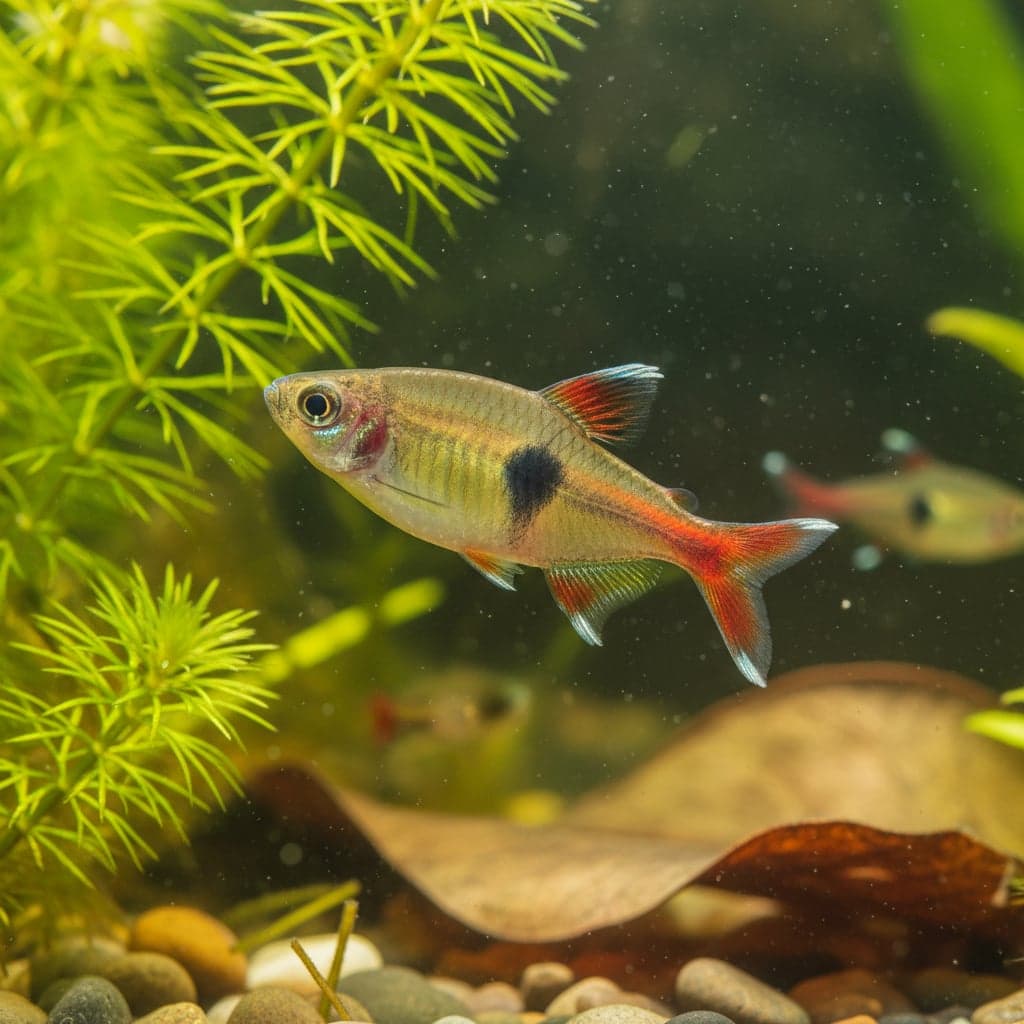
A classic, hardy tetra with a striking orange/red tail. Often confused with other Hemigrammus species.

Cope's Tetra
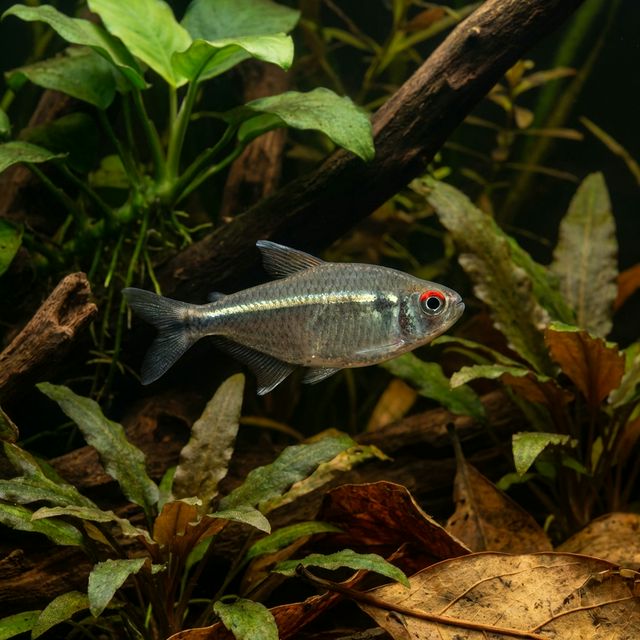
Cope's Tetra, scientifically known as Hemigrammus copei, is a small and vibrant freshwater fish that has gained popularity among aquarium enthusiasts due to its striking coloration and active nature. Reaching an average length of around 1.5 to 2 inches, these fish are characterized by their translucent bodies adorned with iridescent blue and yellow hues, creating an eye-catching display in any aquarium. Their physical appeal is not just limited to their coloration; their elegant fin structure and schooling behavior add an attractive dynamic to community tanks. As a staple in the aquarium hobby, Cope's Tetra is often recommended for both novice and experienced aquarists alike, adding vibrancy and liveliness to various aquatic setups.
The significance of Cope's Tetra in the aquarium trade goes beyond its aesthetic value. They are considered hardy fish that adapt well to community tanks, making them excellent candidates for planted aquariums and biotope setups. Their active schooling behavior encourages a lively atmosphere, captivating observers with their playful interactions. Being a peaceful species, Cope's Tetra often serves as an ideal choice for beginners looking to build a diverse community aquarium, contributing to the enjoyment and appreciation of aquatic life within home setups.
Natural Habitat & Origin
Cope's Tetra is native to the waters of the Amazon River basin, predominantly found in Colombia and parts of Brazil. They thrive in slow-moving streams and tributaries characterized by dark, tannin-rich waters, commonly referred to as blackwater environments. The presence of submerged vegetation, leaf litter, and a variety of organic matter in their natural habitat plays a vital role in providing shelter and food sources, mimicking the conditions that, when replicated in captivity, ensure their health and well-being.
The habitat of Cope's Tetra is not merely a testament to their geographical origin but also highlights their specific environmental needs. These fish prefer acidic to neutral pH levels, which are typically found in their blackwater habitats. Additionally, the warm temperatures of about 75°F to 82°F (24°C to 28°C) are crucial for their optimal health. Such environmental characteristics underscore the importance of maintaining similar water conditions in an aquarium setting to replicate their natural habitat successfully.
Care Requirements
When it comes to caring for Cope's Tetra, maintaining optimal water parameters is essential for their health and longevity. The ideal pH levels should hover between 5.5 and 7.5, while water temperatures should be maintained between 75°F and 82°F (24°C to 28°C). The hardness of the water should range from 2 to 15 dGH, as overly hard water can stress these delicate fish. Additionally, regular water changes and vigilant monitoring of ammonia and nitrate levels will promote a clean and stable environment, vital for their overall well-being.
In terms of tank setup, a minimum tank size of 15 gallons is recommended to accommodate a small school of Cope's Tetra. The aquarium should feature soft, sandy substrates and ample hiding spots created with live or artificial plants, driftwood, and rocks to emulate their natural habitat. Low to moderate lighting will promote plant growth while providing a comfortable environment for these fish. Tall plants can create vertical space and cover, encouraging the tetra to exhibit their natural behavior. An efficient filtration system is also crucial to maintain water quality, ensuring a healthy environment for Cope's Tetra.
Diet & Feeding
Cope's Tetra is an omnivorous species, thriving on a diverse diet that should ideally consist of high-quality flake foods, small pellets, and occasional live or frozen foods. A well-rounded diet can include daphnia, brine shrimp, and bloodworms, which not only add nutritional variety but also encourage their natural foraging behavior. Providing a mix of food types ensures that they receive essential vitamins and nutrients vital for their growth and health.
It is recommended to feed Cope's Tetra two to three times a day, with small portions that they can consume within a few minutes. Overfeeding should be avoided to prevent water quality deterioration, which could lead to health issues. A balanced diet not only promotes the vibrant coloration of Cope's Tetra but also enhances their overall vitality, enabling them to thrive in a community aquarium setting.
Behavior & Temperament
Cope's Tetra exhibits a peaceful disposition, making it an ideal resident in community aquariums. These fish are highly social and thrive in schools of six or more, where they engage in dynamic swimming patterns and playful interactions. Their natural instinct to school serves both as a protective mechanism and a behavioral trait that enhances their visual appeal within the aquarium.
In terms of tank placement, Cope's Tetra typically occupies the mid to upper levels of the aquarium, often seen darting amongst plants and swimming near the water surface. Their non-aggressive nature allows them to coexist peacefully with various other species, provided that tank mates share similar water parameters and temperaments. Maintaining a compatible community setup is crucial for showcasing the best behavioral traits of Cope's Tetra while ensuring a harmonious aquarium environment.
Tank Mates
When selecting tank mates for Cope's Tetra, it is essential to choose species that share similar temperaments and environmental needs. Ideal companions include other small and peaceful fish, such as Neon Tetras, Ember Tetras, Rasboras, Corydoras catfish, and dwarf gouramis. These cohabitation choices promote a lively and dynamic aquarium environment, allowing each species’ beauty to shine while maintaining the harmony of the tank.
On the contrary, aggressive or larger fish should be avoided to prevent stress and territorial disputes. Species like cichlids, barbs, and certain kinds of livebearers may pose a threat to Cope's Tetra, leading to potential injuries or harassment. Additionally, avoid keeping them with fin-nipping species, as Cope's Tetra has delicate fins that can easily become damaged. Selecting the right tank mates ensures a peaceful community that thrives together.
Breeding
Breeding Cope's Tetra in captivity can be a rewarding experience, although it requires specific conditions to encourage successful spawning. To initiate breeding, it is beneficial to separate a male-female pair into a breeding tank, ideally a smaller setup of around 10 gallons, filled with soft, slightly acidic water (pH 6.0-6.5) and a temperature of 78°F to 82°F (26°C to 28°C). Providing spawning mops or fine-leaved plants allows the female to lay her eggs, with each pair capable of producing up to 100 eggs during a single spawning.
After spawning, it's advisable to remove the adult fish from the breeding tank, as they may consume the eggs or fry. The eggs typically hatch within 24 to 36 hours, and the fry can start swimming after a few days. During this early stage, feeding them with infusoria, followed by finely crushed flakes or specialized fry food will promote healthy growth. Successfully breeding Cope's Tetra can offer both hobbyists and aquarists insight into their fascinating life cycle while contributing to aquarium biodiversity.
Common Health Issues
While Cope's Tetra is generally hardy, they can be prone to some common health issues encountered in freshwater aquariums. These include diseases like ich (ichthyophthiriasis), fin rot, and various parasitic infections. Maintaining optimal water quality with regular changes, thorough filtration, and stable soft acidic parameters is the best defence. Quarantine new arrivals, keep them in a proper school to reduce stress, and offer a varied diet of quality flakes plus frozen or live foods. Avoid sudden temperature swings and overcrowding. Prompt treatment of white spots, clamped fins, or unusual lethargy keeps Cope's Tetras colourful, active, and resilient in the community aquarium.