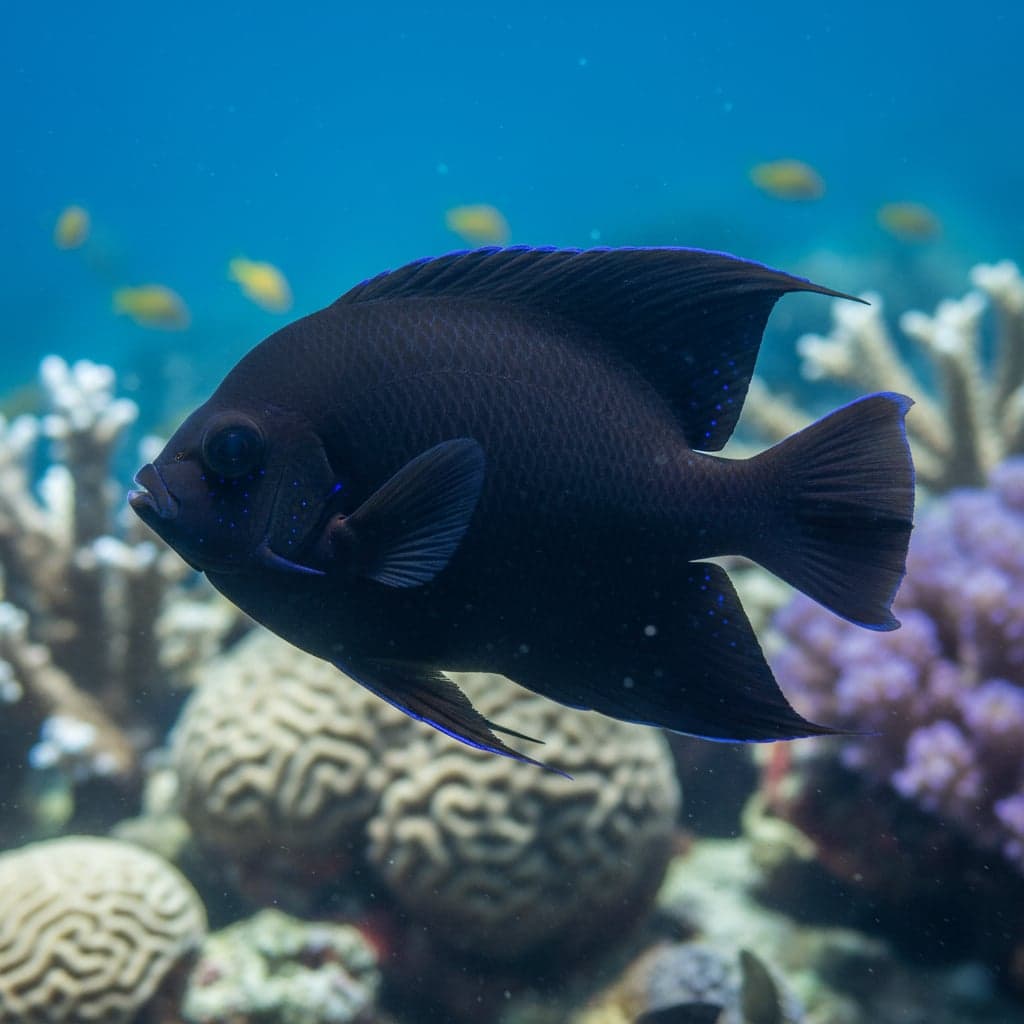
Coral Beauty Angelfish: Centropyge bispinosa
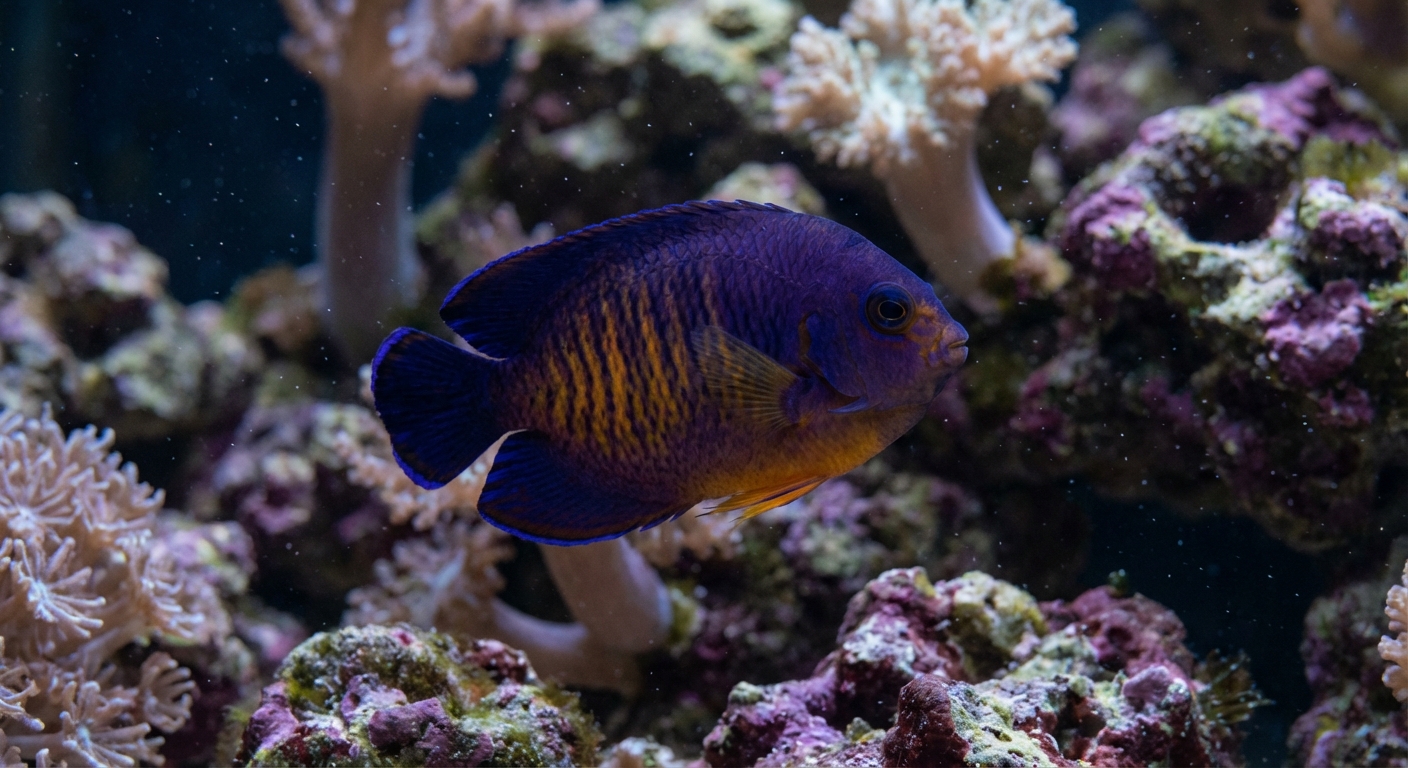
A stunning dwarf angelfish with a deep blue body and iridescent orange stripes. One of the hardiest and most popular dwarf angels for reef tanks.

Coral Beauty Angelfish
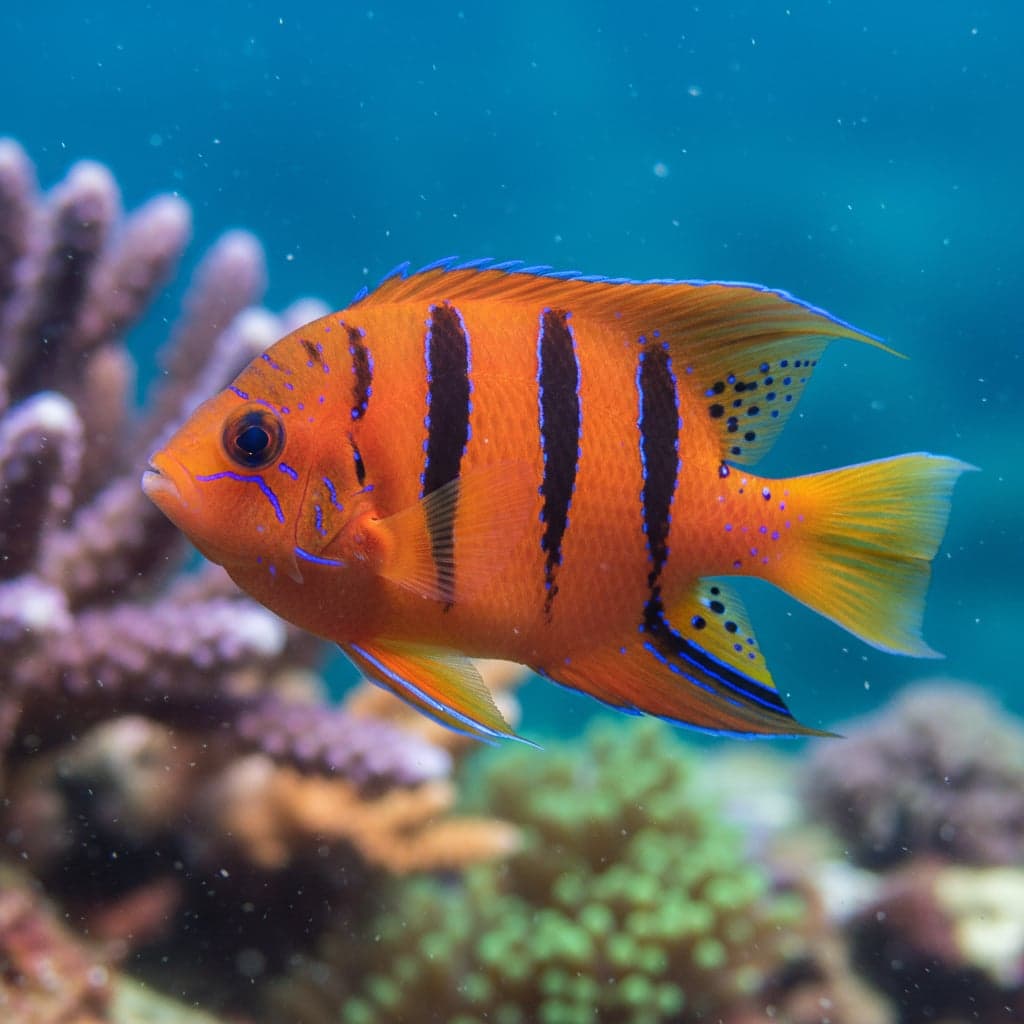
The Coral Beauty Angelfish, scientifically known as Centropyge bispinosa, is a small, vibrant marine fish that captivates aquarists with its stunning coloration and graceful movements. This species showcases a deep blue to violet background adorned with brilliant orange and yellow patterns, particularly striking on its dorsal fins and overall body. As one of the most popular angelfish in the aquarium trade, the Coral Beauty Angelfish is not just a visual treat but also plays a significant part in reef ecosystems by grazing on algae that can otherwise overwhelm corals and other marine organisms.
Highly sought after by both beginners and experienced aquarists alike, the Coral Beauty Angelfish adds a splash of color and personality to any marine aquarium. Its durability and adaptability to a variety of environments make it an ideal candidate for community tanks. Its lively demeanor and notable interactions with other tank inhabitants can provide endless fascination and delight, establishing itself as a centerpiece of interest in the aquatic habitat.
Natural Habitat & Origin
The Coral Beauty Angelfish is native to the tropical waters of the Indo-Pacific region, predominantly found in locales such as the Coral Sea, the Great Barrier Reef, and around islands in the central and western Pacific. Preferring coral-rich environments, this fish typically inhabits shallow lagoons and reef slopes, where it can seek shelter among the intricate formations of coral structures. The water in which the Coral Beauty Angelfish thrives is usually clear and well-oxygenated, with a moderate surge. As a species that is generally found in warmer waters, it exhibits a strong affinity for stable environments with plenty of hiding spots and ample grazing opportunity.
This angelfish species thrives in reef ecosystems where the food supply consists of algae and small invertebrates. The natural habitat showcases the species’ adaptability and resourcefulness, emphasizing its role as both a grazer and a protector of coral health within the delicate marine balance. Understanding the natural habitat of the Coral Beauty Angelfish is essential for aquarists to mimic its environmental needs in captivity effectively.
Care Requirements
A well-maintained aquarium setup is crucial for the health and longevity of the Coral Beauty Angelfish. The minimum tank size recommended is 30 gallons, allowing ample swimming space and hiding spots created by rocks and coral formations. The water parameters should be carefully monitored, maintaining a pH level between 8.1 and 8.4, a temperature of 75°F to 82°F (24°C to 28°C), and a salinity around 1.020 to 1.025 specific gravity. Water hardness should ideally be kept between 8 to 12 dGH.
For optimal health, an aquarium with moderate to bright lighting is advised, as this encourages the growth of beneficial algae, which can serve as a food source. A sandy or crushed coral substrate is ideal, reflecting the fish’s natural environment and enabling it to forage and hide effectively. Regular water changes, around 10-15% weekly, will aid in maintaining the conditions conducive to the Coral Beauty Angelfish's health and vitality.
Diet & Feeding
The Coral Beauty Angelfish is classified as an omnivore, requiring a balanced diet that mimics its natural feeding habits. In aquariums, it thrives on a diet that includes high-quality flake or pellet foods enriched for marine fish, along with frozen or live foods such as mysis shrimp, brine shrimp, and finely chopped seafood. Incorporating spirulina and plankton-rich foods helps ensure nutritional adequacy since algae make up a significant part of this fish's natural diet.
Feed the Coral Beauty Angelfish two to three small meals daily to support its active lifestyle while avoiding overfeeding, which can lead to water quality issues. Featuring a variety of food types will also encourage natural foraging behavior and keep the angelfish healthy and vibrant.
Behavior & Temperament
Coral Beauty Angelfish exhibit a predominantly peaceful temperament, making them suitable for community tanks as long as they are paired with compatible tank mates. They are not known to be schooling fish; rather, they tend to occupy a consistent territory within their environment. While they may exhibit some territorial behavior, especially when it comes to competing for food or space, they are generally harmonious with many other species.
In terms of vertical placement, the Coral Beauty Angelfish occupies the middle to lower regions of the aquarium, often darting in and out of caves and crevices. This behavior showcases its active nature and need for the complexity of the environment—providing plenty of hiding spots will help alleviate any territorial behaviors and create a comfortable habitat.
Tank Mates
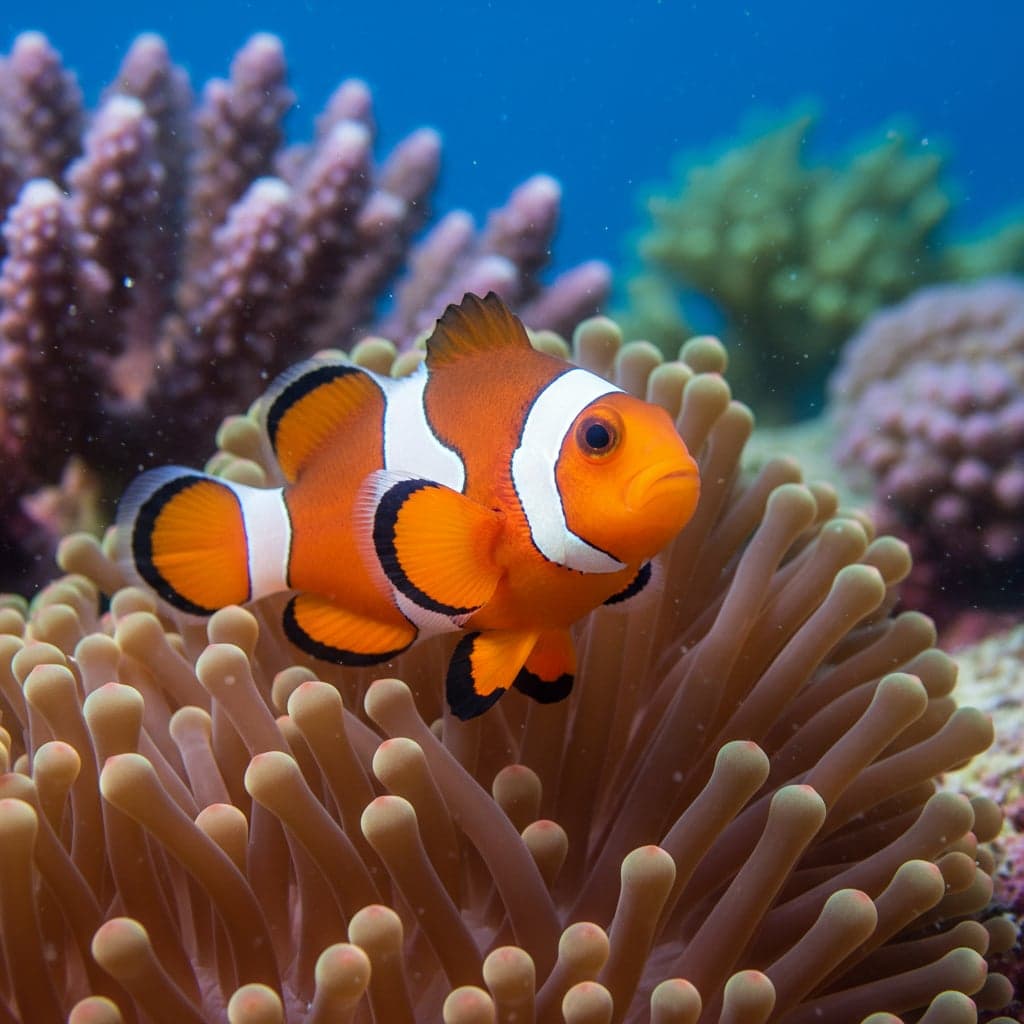
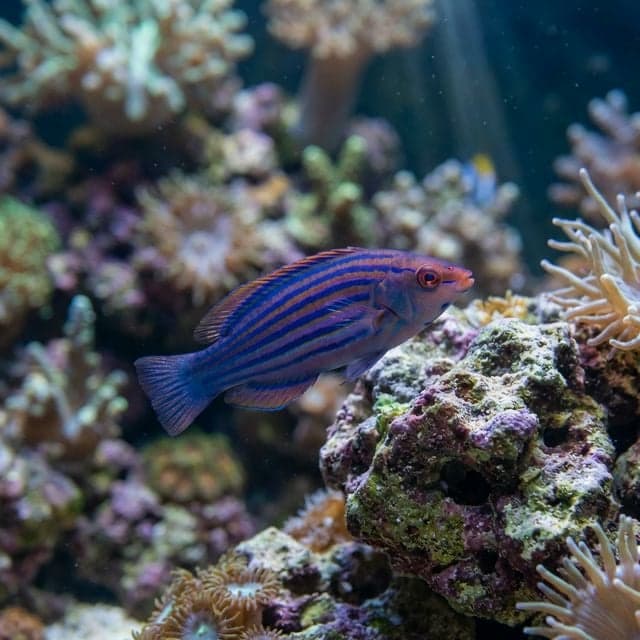
When selecting compatible tank mates for the Coral Beauty Angelfish, consider species that are generally peaceful yet can hold their own against potential territorial displays. Suitable tank mates include Clownfish, Royal Gramma Basslets, and various reef-safe Gobies. Also, certain wrasses and smaller Anthias species can coexist harmoniously within the same aquarium.
However, certain species should be avoided, as they may trigger aggression or territorial disputes. This includes larger angelfish (particularly larger species of Centropyge), dottybacks, and any aggressive species such as triggerfish or large lionfish. Maintaining a balanced community ensures the well-being of the Coral Beauty Angelfish and enhances the overall harmony of the tank.
Breeding
Breeding the Coral Beauty Angelfish in captivity can be challenging but rewarding. This species is known to be a pelagic spawner, meaning it releases eggs into the water column. For successful breeding, a breeding group should ideally consist of one male and several females, provided within a larger tank that mimics their natural habitat.
Conditions for breeding should include stable water quality, elevated temperature around 78°F to 80°F (26°C to 27°C), and ample hiding spots for females during mating rituals. A dedicated breeding tank with a separate section for adults can help protect the eggs; following spawning, the eggs will typically hatch in 24 to 48 hours. Raising the fry requires rotifers or microalgae, as the young are very small and need nutritious, suitable food to thrive.
Common Health Issues
While the Coral Beauty Angelfish is generally hardy, it can be prone to certain health issues, especially if not properly cared for. Common diseases include ich (white spot disease), velvet disease, and marine bacterial infections. Preventing these ailments hinges on maintaining optimal water quality, minimizing stress by providing adequate space and hiding spots, and quarantining new fish before introducing them to the main tank.
Regular observation of feeding behavior and physical appearance will ensure early detection of potential health problems. In case of illness, prompt treatment in a quarantine tank is advisable to prevent spreading diseases among other inhabitants. Consistent care and monitoring will go a long way in preserving the health and vitality of the Coral Beauty Angelfish.