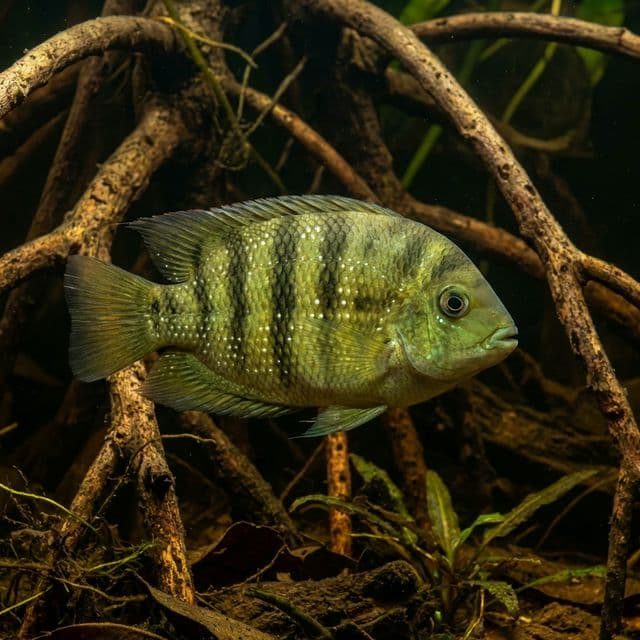
Crazy Fish: Butis butis
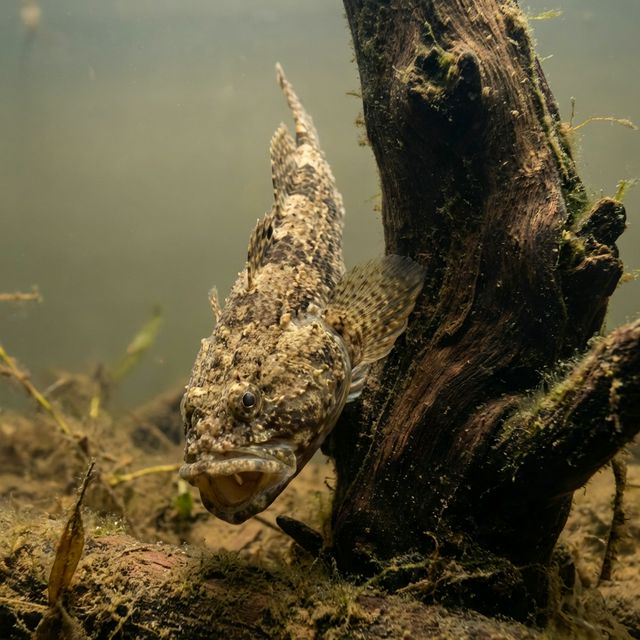
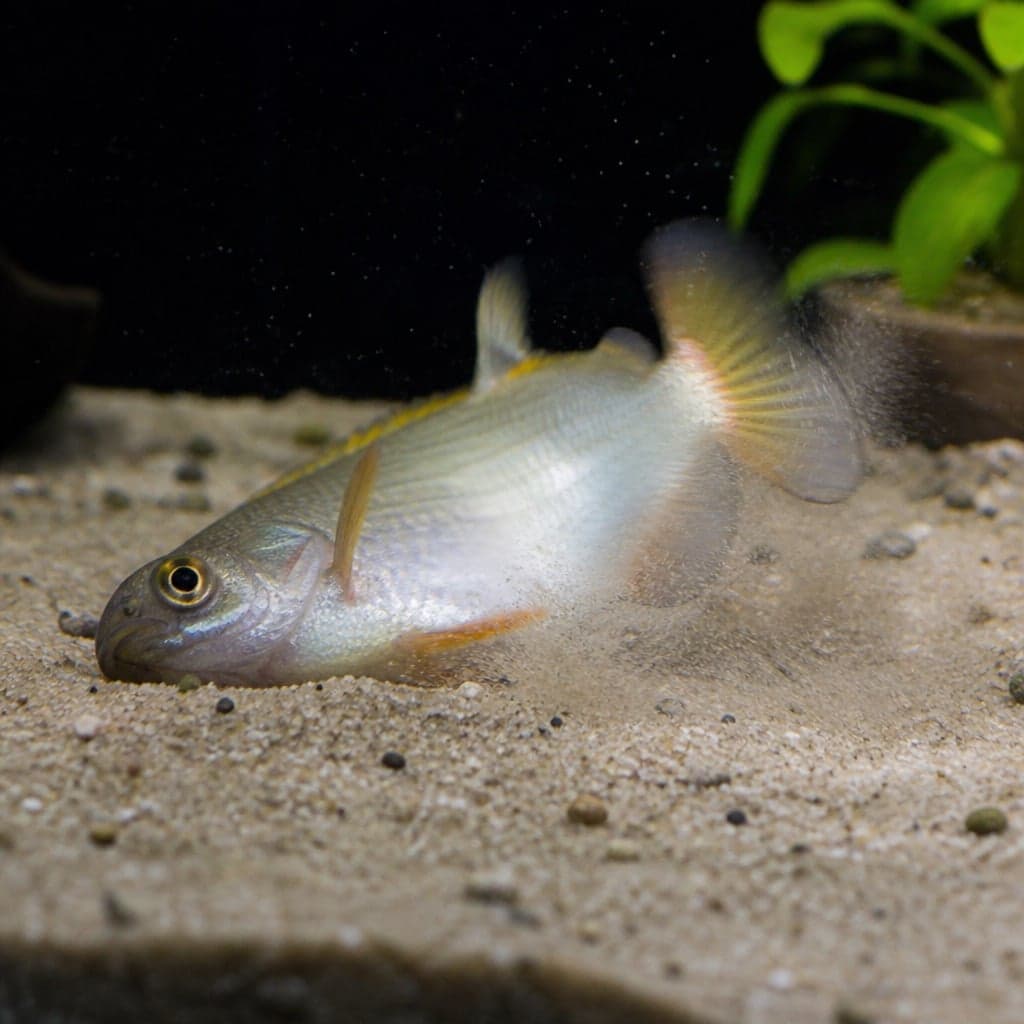
A bizarre sleeper goby that spends time upside down and at odd angles. A patient ambush predator.
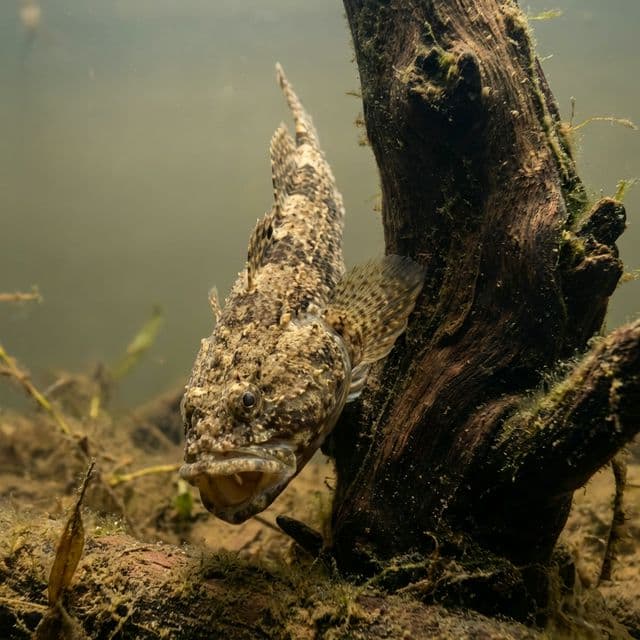
Crazy Fish
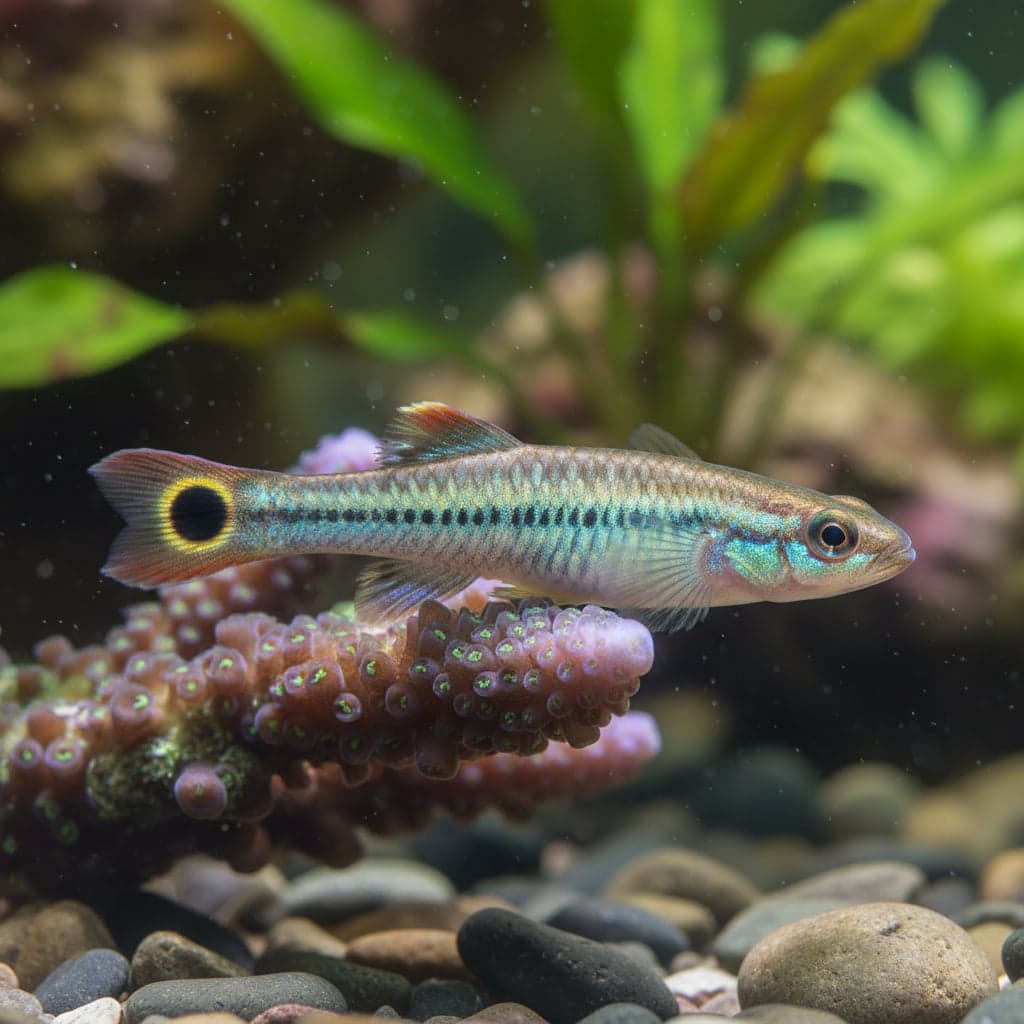
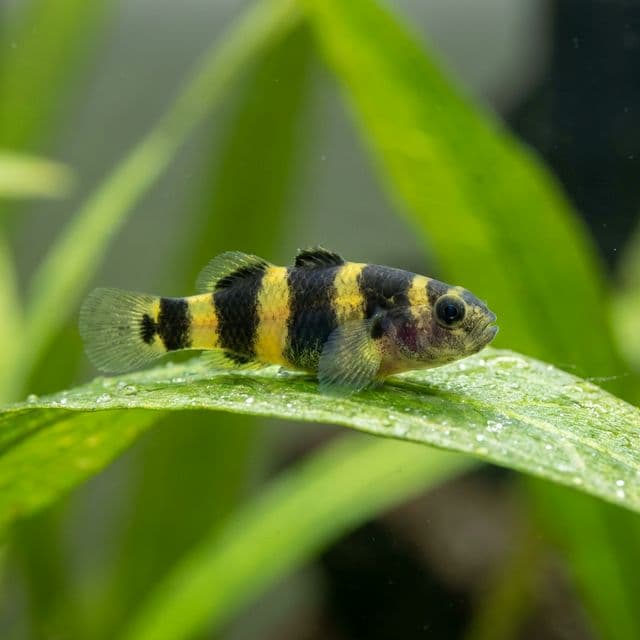
The Crazy Fish, scientifically known as Butis butis, is a captivating species hailing from the family of mudskippers and is renowned for its distinctive appearance and intriguing behavior. This unique fish can be easily identified by its elongated body adorned with vibrant colors ranging from bright greens to blues and yellows. The Crazy Fish features large eyes and oversized pectoral fins, which allow it to 'walk' on land and navigate through its complex aquatic environments with ease. This remarkable ability, combined with its striking visual appeal, has made the Crazy Fish a favorite among both novice and experienced aquarists, who are eager to add a touch of the extraordinary to their marine displays.
In the aquarium hobby, the Crazy Fish holds significant importance due to its adaptability and fascinating characteristics. It encourages enthusiasts to recreate its natural environment, thus promoting biodiversity and conservation awareness. Its unique behavior—often described as playful and quirky—brings an entertaining element to any aquarium setup, capturing the attention of viewers and sparking curiosity about aquatic ecosystems. As a relatively hardy species, the Crazy Fish showcases resilience in varying conditions, making it an exciting project for aquarists committed to providing appropriate care and a stimulating habitat.
Natural Habitat & Origin
The Crazy Fish is predominantly found in the brackish and freshwater systems of Southeast Asia, specifically in the coastal regions of India, Bangladesh, and Myanmar. Its preference for estuarine environments means it thrives in areas where fresh and saltwater intermingle. The Crazy Fish typically inhabits shallow waters, mangroves, and mudflats, where it forages for food and avoids predators. These environments are characterized by slow-moving currents and abundant plant life, making it vital that aquarists aim to replicate such settings to enhance the wellbeing of their Crazy Fish.
The waters the Crazy Fish inhabits often feature blackwater characteristics, resulting from decomposed organic matter imparting tea color to the water. This type of environment commonly has low light levels, soft, acidic water with high organic content, and varied substrates, such as mud and sand. Understanding these natural conditions can help aquarium owners in providing the ideal habitat for their Crazy Fish, thus promoting their health and happiness.
Care Requirements
To ensure the optimal care of Crazy Fish, maintaining appropriate water parameters is fundamental. The ideal pH of their aquarium should range from 6.5 to 7.5, with a temperature between 24°C to 30°C (75°F to 86°F) and a water hardness of 5 to 15 dGH. A minimum tank size of 75 gallons is recommended, as this allows for ample swimming space and room for territorial behavior. Given their affinity for complex environments, the tank setup should include a fine-grained substrate such as sand or mud, which aids their natural digging instincts.
For lighting, a low to moderate intensity is preferable, allowing for shadowy areas mimicking their natural habitat. Adding live or artificial plants will not only enhance the aesthetic appeal but also provide hiding places and breeding grounds, making the Crazy Fish feel secure. Incorporating driftwood and rocky formations will enrich the tank's structure, enabling the fish to exhibit their unique behaviors such as climbing and exploring outside the water.
Diet & Feeding
The Crazy Fish is primarily carnivorous; however, it exhibits omnivorous tendencies in a well-rounded diet. In captivity, they thrive on a mix of high-quality foods including premium flakes, pellets, frozen foods like bloodworms and brine shrimp, and tasty live foods such as daphnia and small crustaceans. Regularly providing a varied diet can prevent nutritional deficiencies and promote robust health.
It is recommended to feed the Crazy Fish 2-3 times a day, offering small amounts of food that can be consumed in a short period. Once or twice a week, aquarists can introduce plant matter such as blanched vegetables or spirulina, catering to their omnivorous diet and contributing to their overall well-being.
Behavior & Temperament
The behavior of Crazy Fish is both fascinating and complex. These fish are known for their active and curious nature, often seen exploring their surroundings, which makes them an engaging species in the aquarium. While they are not particularly schooling fish, they do benefit from the presence of tank mates and can exhibit social behavior. Territorial displays may emerge, especially in male specimens, particularly during breeding seasons.
Vertical placement in the tank is also a notable aspect of the Crazy Fish's behavior, as they tend to linger in the mid to upper levels, utilizing their pectoral fins for stability. To prevent conflicts, especially among males, it is essential to provide ample space and hiding spots to encourage natural behavior and reduce aggression levels.
Tank Mates
Finding compatible tank mates for Crazy Fish can be challenging due to their territorial nature and potential aggression during breeding. Recommended companions include medium-sized peaceful fish such as Rainbowfish, Gouramis, and certain catfish species that can coexist without aggression. It's crucial to avoid smaller fish, as they may be viewed as prey.
Species to avoid include overly aggressive or fin-nipping fish like Cichlids, and those that occupy the same vertical space, as these can lead to conflict. Additionally, creating a well-planned community with enough swimming space and hiding spots will ensure a harmonious environment for the Crazy Fish and its companions.
Breeding
Breeding Crazy Fish in captivity can be rewarding but requires specific conditions for successful spawning. Generally, they are best bred in separate breeding tanks to encourage safe and peaceful conditions. A breeding setup should include stable water parameters—similar to their established environment—along with additional hiding spots and substrate suitable for laying eggs.
The spawning process often occurs on flat surfaces, where females will lay adhesive eggs that males fertilize shortly after. Post-spawning care typically involves removing parents from the breeding tank to prevent egg predation. The eggs generally hatch within 24-48 hours, and the fry should be fed infusoria or fine powdered foods until they grow larger and can accept larger prey.
Common Health Issues
Like many aquarium species, the Crazy Fish may face health challenges, including common diseases such as Ich (Ichthyophthirius multifiliis), fin rot, and skin flukes. Ich can often be identified by white spots on the fish’s body, while fin rot presents as frayed or disintegrating fins. To prevent these issues, maintaining clean water, monitoring parameters, and undertaking regular tank hygiene practices are crucial.
Furthermore, introducing new fish should be approached with care, ideally involving a quarantine period to prevent disease transmission. Regular health checks, balanced diets, and a stress-free environment can also contribute to enhancing the immune system of the Crazy Fish, ensuring a long and vibrant life in your aquarium.