Crimson Loach: Schistura sp. Crimson
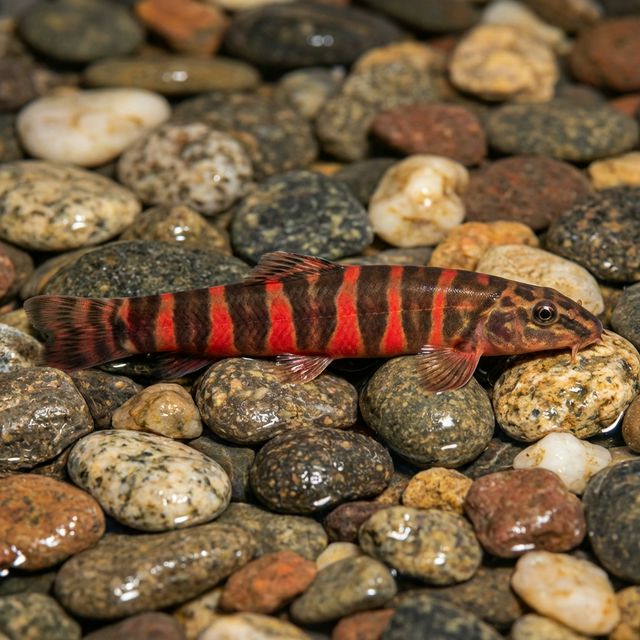
A small, brilliantly colored hillstream loach with red/crimson bands.

Schistura sp. Crimson
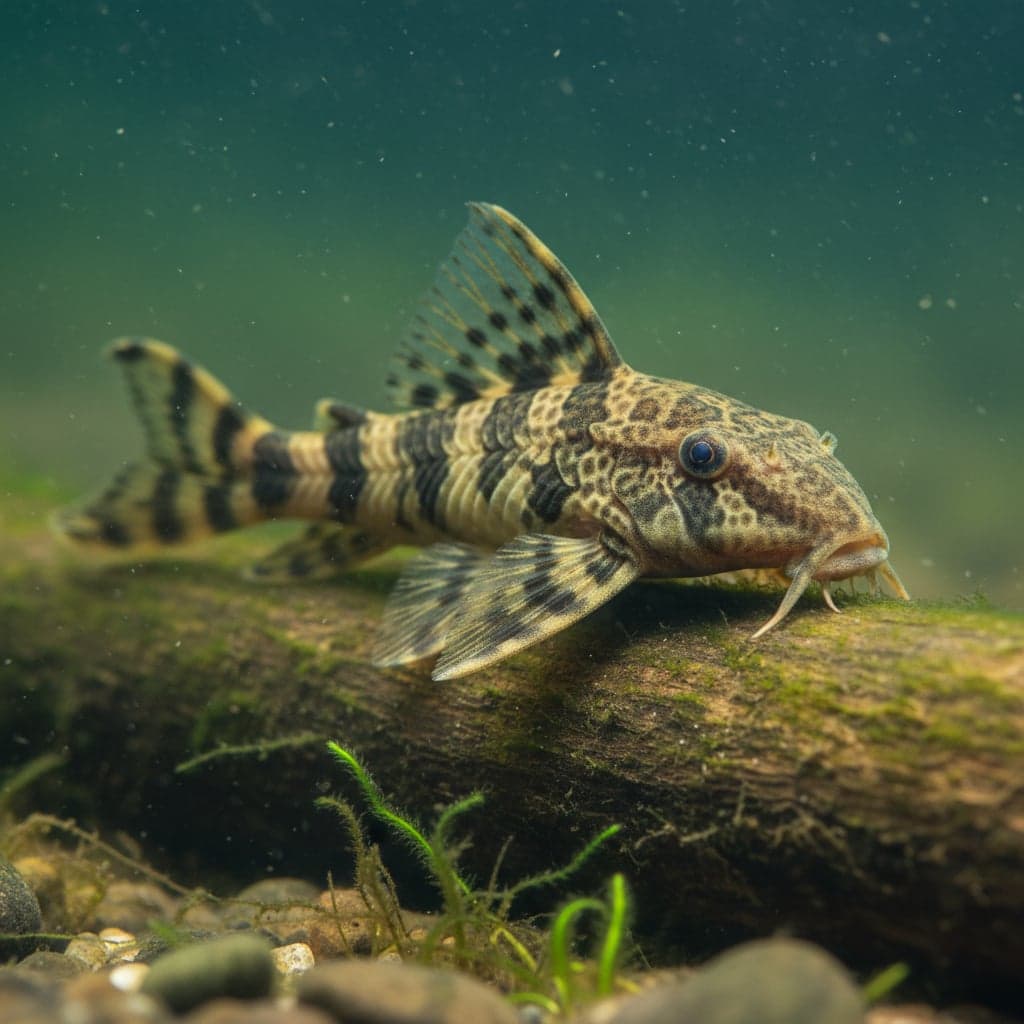
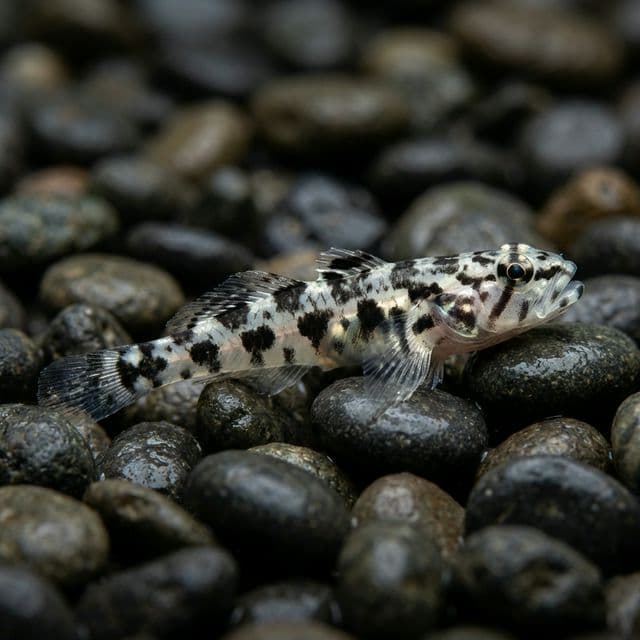
The Schistura sp. Crimson, commonly known as the Crimson Loach, is a captivating freshwater fish that has gained popularity among aquarium enthusiasts for its striking coloration and lively nature. This loach showcases a vibrant mix of red, orange, and black patterns that can brighten any aquatic setup. Measuring up to 4 inches in length, its elongate body is complemented by a delicate pair of whiskers, which add to its visual charm. The Crimson Loach is not only admired for its aesthetic appeal but also for its engaging behavior, as it is an active swimmer that explores the substrate and interacts with its environment, making it a delightful addition to home aquariums.
In the aquarium hobby, the Schistura sp. Crimson has become significant due to its unique beauty and somewhat rare availability. This species symbolizes the need for sustainable practices in freshwater fish procurement and conservation. As fish keepers become increasingly aware of their ecological impact, the demand for ethically sourced livestock like the Crimson Loach highlights the broader environmental considerations within the aquarium trade. Its presence in the aquarium community promotes responsible ownership and habitat preservation, which is crucial for maintaining biodiversity.
Natural Habitat & Origin
The Schistura sp. Crimson is native to the streams and rivers of Southeast Asia, particularly in countries like Vietnam and Laos. These regions are characterized by their lush landscapes and rich biodiversity. The Crimson Loach thrives in clear, fast-moving waters with rocky substrates, where it finds ample hiding places among stones and vegetation. The water conditions in its natural habitat typically feature neutral to slightly acidic pH levels, moderate temperatures ranging between 24°C to 28°C (75°F to 82°F), and soft to moderately hard water.
This fish inhabits slightly shaded areas created by overhanging vegetation and riverbanks, which contributes to the blackwater conditions found in some local ecosystems. The natural habitat serves as a vital resource for the Crimson Loach, providing it with the necessary elements for feeding, shelter, and breeding. Mimicking these environmental conditions in home aquariums is essential for the well-being of this species.
Care Requirements
To ensure the health and vitality of the Schistura sp. Crimson, it is crucial to maintain specific water parameters. The ideal pH for this species ranges from 6.0 to 7.5, with a temperature between 24°C to 28°C (75°F to 82°F). The water hardness should fall within the range of 5 to 15 dGH, promoting an overall environment that favors their natural lifestyle. Regular water changes and quality monitoring are essential to provide optimal living conditions.
When setting up an aquarium for the Crimson Loach, consider a minimum tank size of 20 gallons, which allows for adequate swimming space and territory. The substrate should be comprised of smooth gravel or sand, facilitating ease of movement and digging behavior. Incorporating plenty of hiding spots using natural decorations like rocks, driftwood, and dense plants will provide the safety and comfort the loach desires. Lighting should be moderate, as these fish prefer a dimly lit environment similar to their natural habitat, supplemented by floating plants to diffuse light and create shaded areas.
Diet & Feeding
The Schistura sp. Crimson is primarily an omnivore, displaying a diverse palate that can be catered to with a well-rounded diet. In captivity, this loach thrives on a combination of quality flake foods, high-protein pellets, frozen foods, and occasional live food treats. While they consume commercial foods, offering a variety of earthworms, bloodworms, Daphnia, and small crustaceans can help mimic their natural feeding behavior and enhance their coloration.
It is essential to feed them multiple small meals throughout the day rather than one large feeding to prevent overcrowding in their digestive systems. Additionally, providing plant matter such as blanched vegetables or algae wafers can contribute to their overall nutritional balance and satisfaction, helping to fulfill their dietary needs while also maintaining their activity levels.
Behavior & Temperament
The behavior of the Schistura sp. Crimson is key to its appeal in the aquarium hobby. These loaches are relatively social and do well in small groups, displaying schooling behavior that enhances their confidence. Unlike many other loach species, the Crimson Loach exhibits a moderate level of curiosity and playfulness, often burrowing in the substrate and exploring their surroundings. While generally peaceful, they may defend their territory against similarly sized or more aggressive tank mates if provoked.
In terms of tank placement, the closer these loaches can be kept toward the tank bottom, where they can interact with the substrate, the better. They are naturally inclined to remain near the floor of the aquarium, searching for food or hiding among rocks and plants. Providing adequate bottom space free of obstructions enhances their quality of life and allows for more natural behavior.
Tank Mates
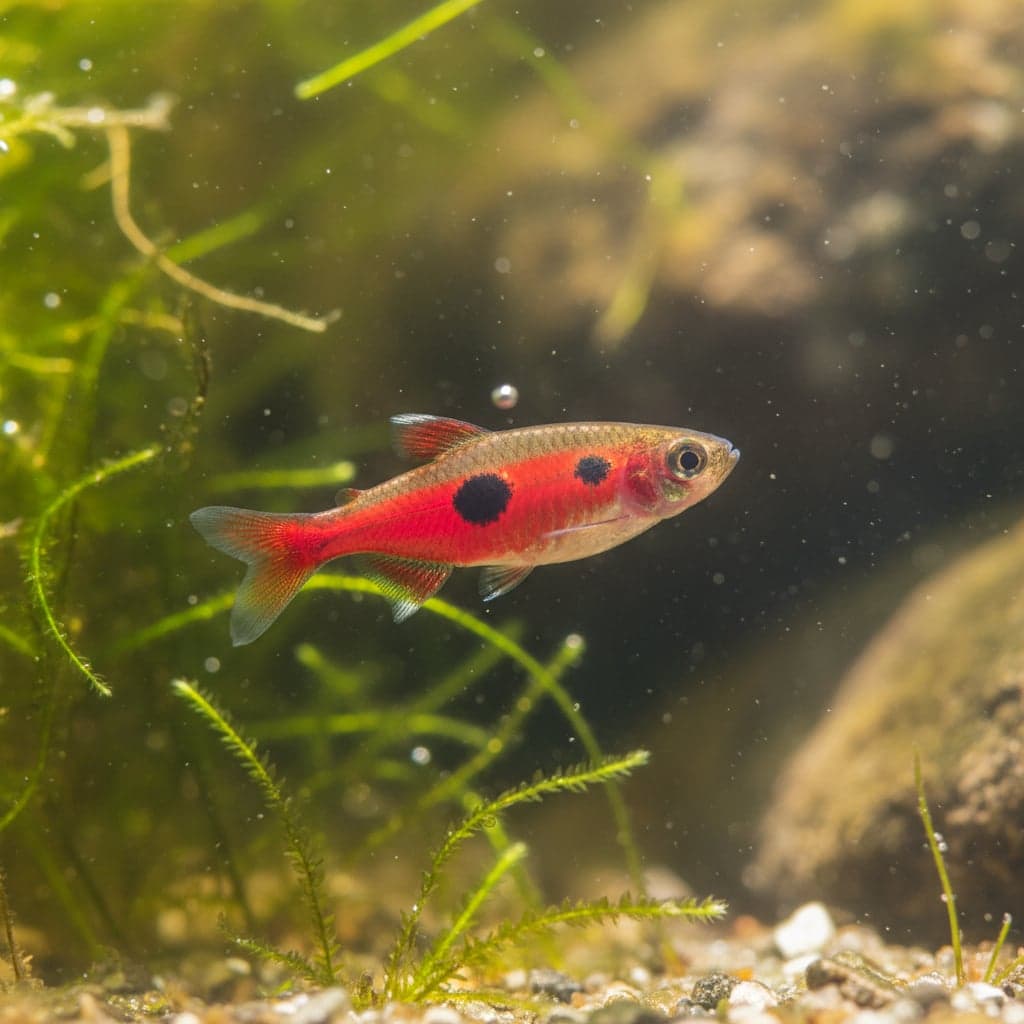
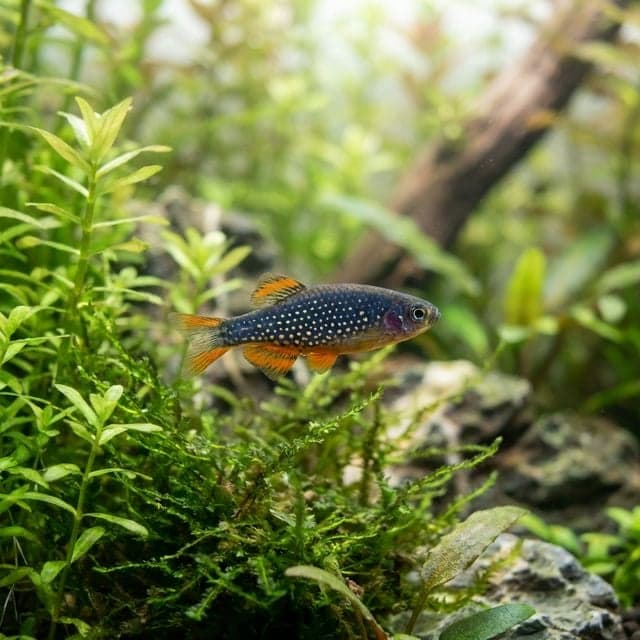
When selecting tank mates for the Schistura sp. Crimson, it is essential to choose species that share similar water parameters and behavior. Compatible tank mates include smaller community fish such as neon tetras, rasboras, and microdevario species, which harmonize well with the loach's temperament. Additional suitable companions can include other loach species, gouramis, and peaceful barbs, provided that the tank is appropriately sized to reduce territorial disputes.
Conversely, avoid housing the Crimson Loach with larger or overly aggressive fish, which could stress or bully this loach. Avoid species such as cichlids, larger catfish, and aggressive minnows, as these could lead to an unsuitable environment for the loach. Proper selection of tank mates, along with ample hiding spaces, creates a harmonious aquatic community that benefits all inhabitants.
Breeding
Breeding the Schistura sp. Crimson in captivity has proven to be challenging for many aquarists. However, it is not impossible with the right conditions. These fish typically spawn during the rainy season in their natural habitat, which can be mimicked in captivity through gradual temperature changes and enhanced water flow. For successful breeding, provide a separate breeding tank with soft, slightly acidic water and add fine-leaved plants or spawning mop to encourage egg laying.
Once the females are ready, males will engage in courtship displays involving rapid swimming and gentle nudging. After spawning, it is crucial to remove adult fish, as they may consume the eggs or fry. The eggs hatch within 24 to 48 hours, and the fry can be fed infusoria or finely crushed flakes until they are large enough to consume more substantial food. Careful monitoring and maintenance of water quality during this phase are vital for the successful rearing of young loaches.
Common Health Issues
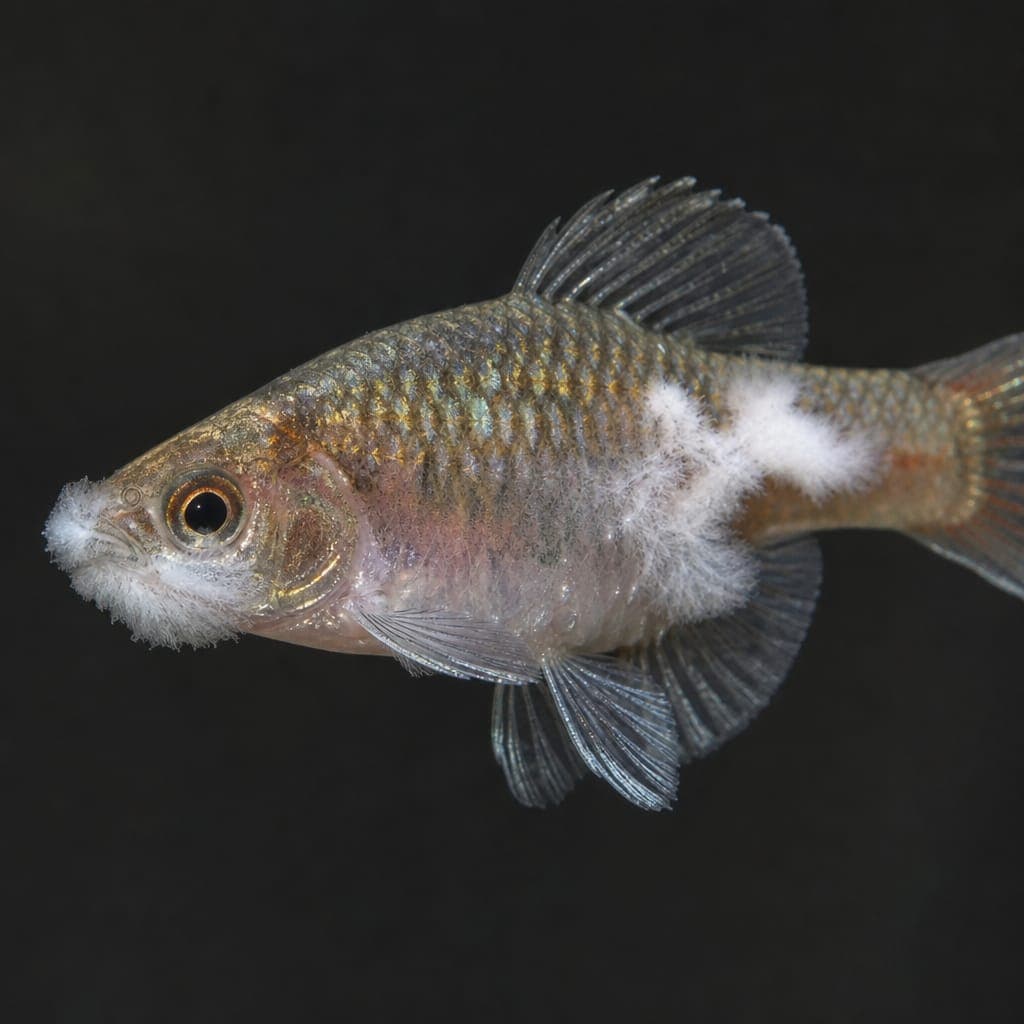
The Schistura sp. Crimson is generally a hardy fish but may be prone to certain health issues common within freshwater tanks. These include ich (white spot disease), fin rot, and various forms of fungus and bacterial infections. Preventive measures such as maintaining excellent water quality, ensuring proper tank conditions, and providing a balanced diet can significantly reduce the risk of disease.
Regular observation of tank inhabitants is vital to catch any health issues early. Quarantine new arrivals and practice routine tank maintenance, such as regular water changes and substrate cleaning, to promote a healthy environment. If health problems arise, quick isolation and treatment with appropriate medications can help prevent outbreaks and ensure the longevity of the Crimson Loach in your aquarium.