Cuckoo Catfish: Synodontis multipunctatus
A Tanganyikan catfish famous for its cuckoo-like breeding strategy – it tricks mouthbrooding cichlids into raising its young.
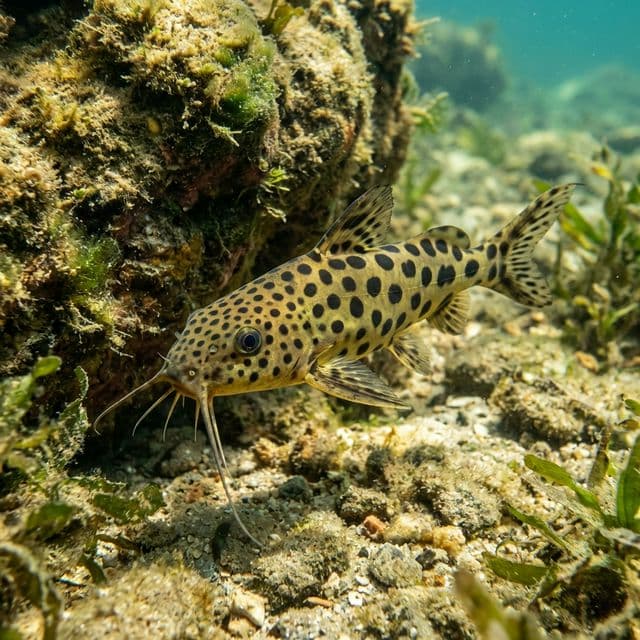
Cuckoo Catfish
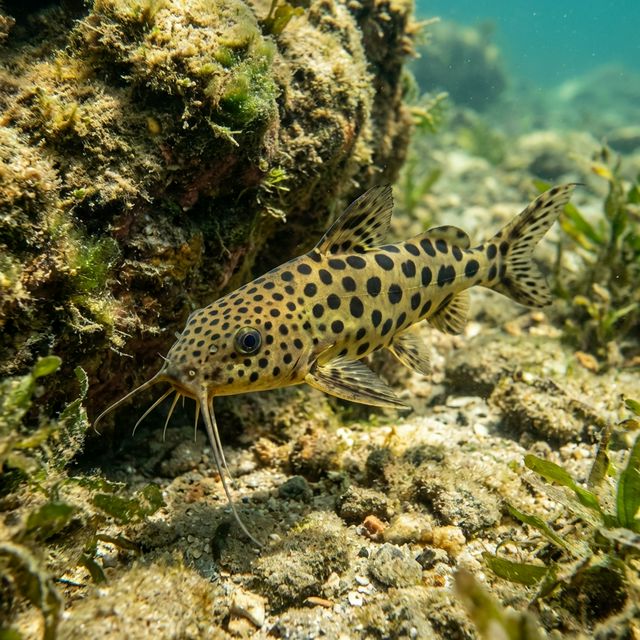
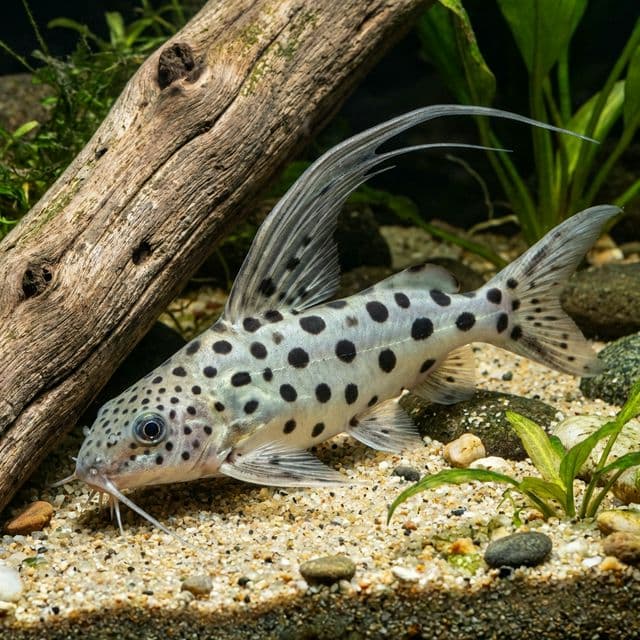
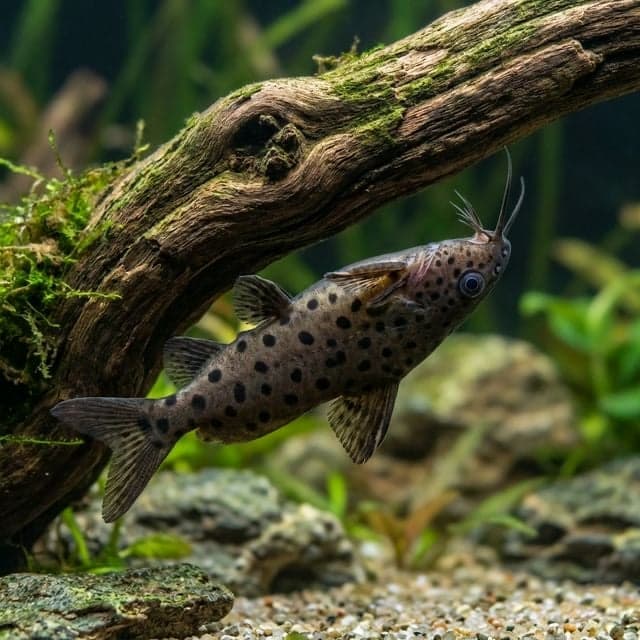
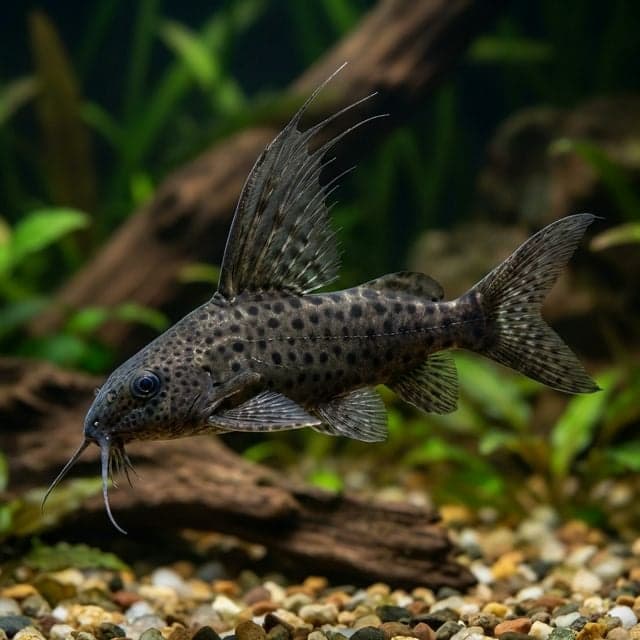
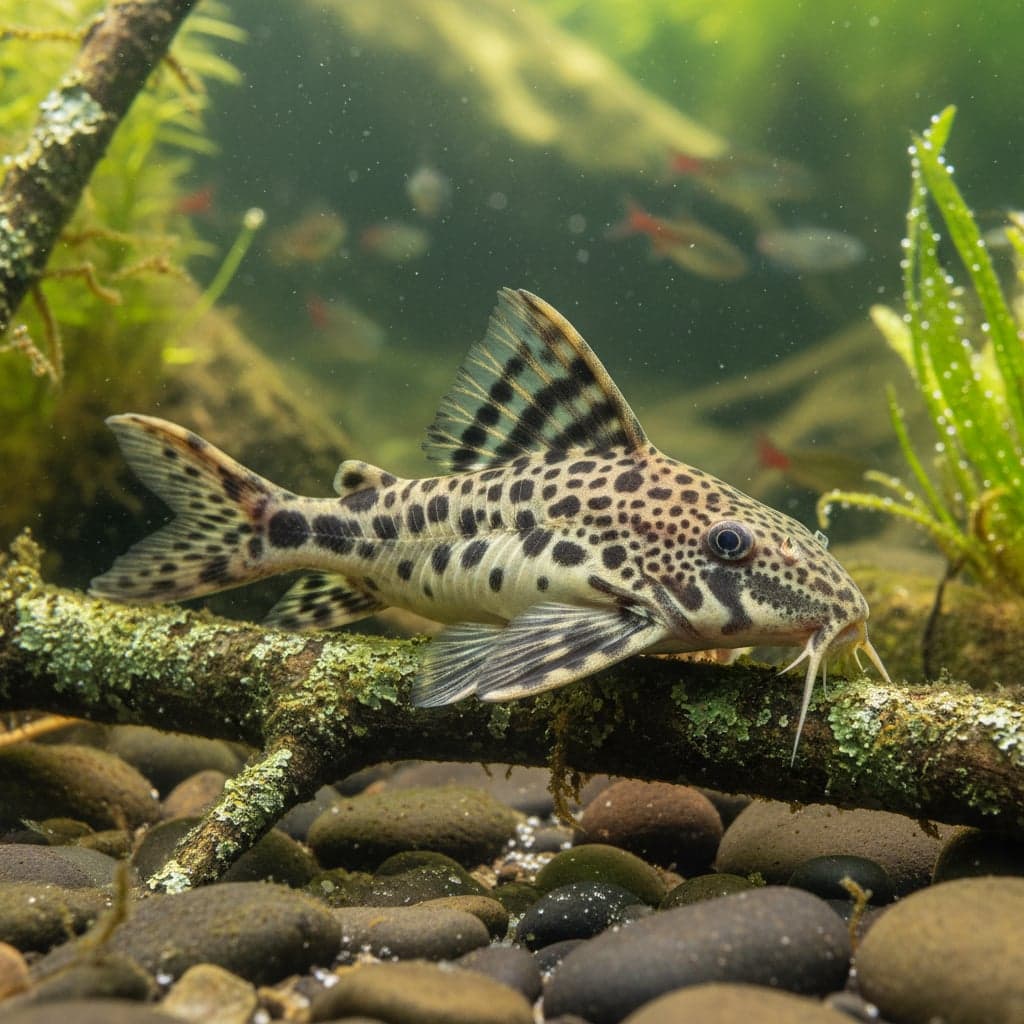
The Cuckoo Catfish, scientifically known as Synodontis multipunctatus, is a fascinating addition to the freshwater aquarium. Renowned for its striking appearance, this fish displays a unique body pattern consisting of numerous black spots on a silvery-white body, which adds a visually captivating element to any aquascape. The Cuckoo Catfish is not only popular for its aesthetic appeal but also for its fascinating breeding behaviors, which mirror that of a cuckoo bird. This distinctive feature adds depth to understanding the species, making it an intriguing choice for both novices and experienced aquarists.
In the aquarium hobby, the Cuckoo Catfish holds significant importance due to its unique social behaviors and adaptability. Its peaceful temperament makes it a great community fish, while its unusual breeding practices offer a glimpse into the biodiversity of the African waters from which it hails. Its presence in an aquarium is sure to spark conversations, as aquarists enjoy observing its interactions with both tank mates and the environment.
Natural Habitat & Origin
The Cuckoo Catfish is indigenous to the waters of Africa, primarily found in the lakes and rivers of the Congo Basin, including Lake Tanganyika and Lake Malawi. These habitats are characterized by rich, biodiversity, often featuring dark, turbid waters with a mix of both soft and hard substrates. The fish thrives in slightly acidic to neutral waters, making it an integral part of the ecosystem, where it plays a role in the nutrient cycle.
Primarily found in shallower regions amidst rocks and submerged vegetation, the Cuckoo Catfish's natural environment is typically populated with other species, making it a social fish by nature. The aquarist should strive to replicate these conditions, utilizing elements that mimic its native habitat to provide the best environment for this species in captivity.
Care Requirements
To ensure a thriving environment for the Cuckoo Catfish, maintaining optimal water parameters is crucial. Ideal conditions include a pH range of 6.5 to 7.5, a temperature of 72°F to 82°F (22°C to 28°C), and soft to moderately hard water (3 to 15 dGH). This species appreciates stable water conditions, so regular monitoring and maintenance are critical for their health and well-being.
The tank setup for Cuckoo Catfish should feature a minimum tank size of 30 gallons to allow adequate swimming space and to accommodate their social nature. It is advisable to use a substrate that mimics their natural environment, such as sand or fine gravel, along with plenty of hiding spots created by rocks, caves, and driftwood. Low to moderate lighting is preferred, with floating plants included to diffuse light and create a more inviting atmosphere.
Diet & Feeding
The Cuckoo Catfish is an omnivore, which allows for a varied diet that can include a mix of high-quality pellets, flakes, frozen, and live foods. To maintain their health, it is recommended to provide a balanced diet that includes spirulina-based foods, bloodworms, brine shrimp, and sinking pellets that cater to both their herbivorous and carnivorous tastes.
Feeding should be done multiple times a day in small portions to prevent any food wastage and ensure proper nutrition. Being opportunistic feeders, they will often scavenge on leftovers from other fish, so ensuring a diverse diet is key to optimal growth and health.
Behavior & Temperament
In terms of behavior, the Cuckoo Catfish is known for its peaceful and social nature. They prefer to live in groups of at least three to six individuals, as this promotes their innate schooling behavior and reduces stress. Although generally non-aggressive, males can display dominance during breeding or territory establishment, but this is often resolved with mild displays.
The Cuckoo Catfish tends to swim at various levels within the aquarium, often favoring the mid to bottom parts, where they feel secure among hiding spots. It is also important that they have ample space to explore, as they appreciate an enriched environment that mimics the complex habitats they naturally inhabit.
Tank Mates
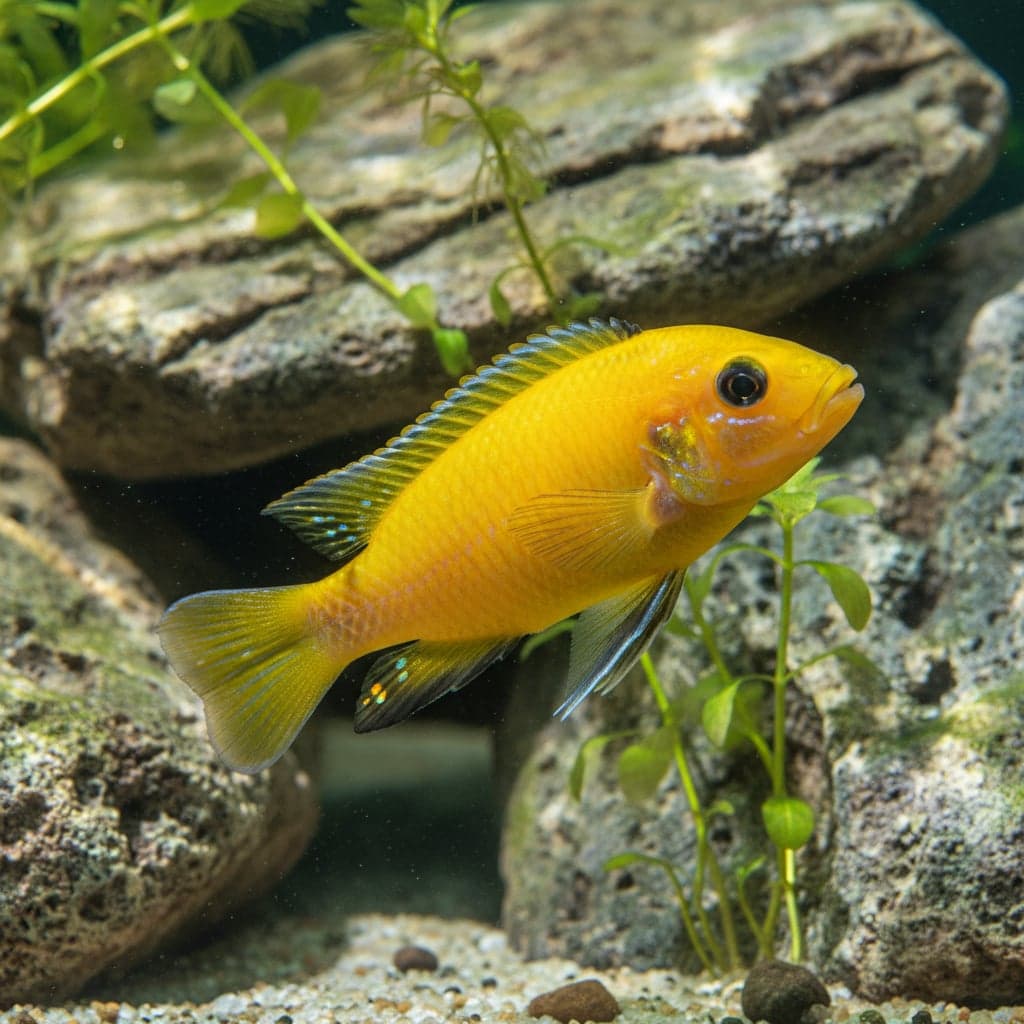
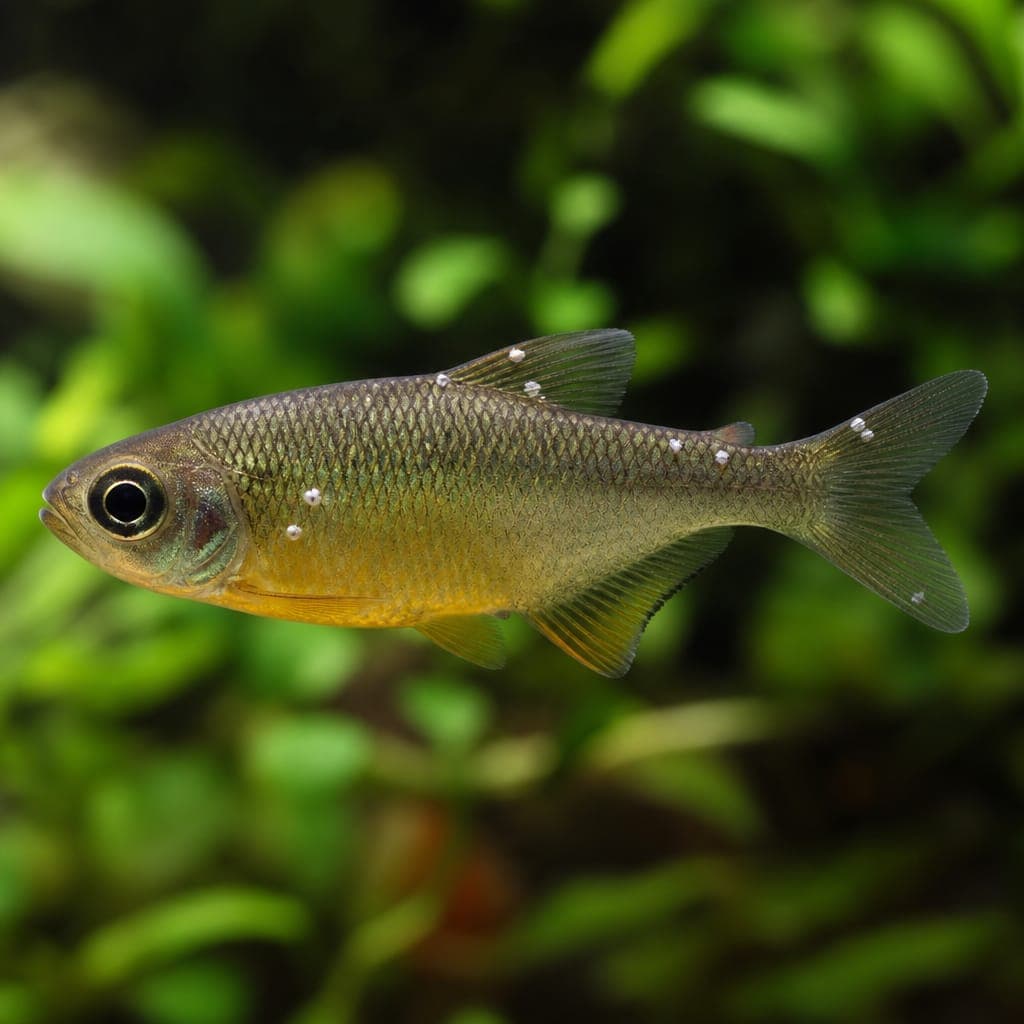
When selecting tank mates for the Cuckoo Catfish, it is important to consider species that share similar water parameters and temperament. Compatible tank mates include peaceful community fish such as Tetras, Rasboras, and various species of Gouramis. Larger catfish species, as well as Mbuna cichlids, can also coexist well with the Cuckoo Catfish.
However, it's best to avoid keeping them with overly aggressive species or those known for fin-nipping, such as certain cichlids and Barbs. Given their peaceful demeanor, creating a community environment with various compatible fish will lead to a harmonious aquarium setup.
Breeding
Breeding the Cuckoo Catfish in captivity can be a rewarding endeavor, although it can require specific conditions. In their natural habitat, they exhibit a brood parasitic behavior by laying their eggs in the nests of mouthbrooding species, particularly cichlids. To replicate this in an aquarium setting, providing a suitable breeding setup is crucial.
To encourage breeding, the aquarium should have a separate breeding area with plenty of hiding spots and places for potential hosts, such as caves or ceramic pots. The water temperature needs to be raised slightly to around 80°F (27°C), and soft, slightly acidic water conditions will aid in the overall egg-laying process. With the right conditions, Cuckoo Catfish can successfully breed, contributing to the cycling of newcomers in the aquarium.
Common Health Issues
Cuckoo Catfish are generally hardy, but they can be susceptible to common freshwater fish diseases such as ich (Ichthyophthirius multifiliis) and various forms of fin rot. Maintaining optimal water quality and conditions is crucial in preventing these ailments.
Regular tank maintenance, including water changes and monitoring for signs of illness, can mitigate many health issues. Additionally, ensuring a stress-free environment with appropriately sized tank mates will significantly reduce the likelihood of health complications, fostering a long and healthy life for these intriguing fish.