Cutter's Blue Eye Cichlid: Cryptoheros cutteri
A small, attractive Central American cichlid with brilliant blue eyes. Peaceful for a CA cichlid.
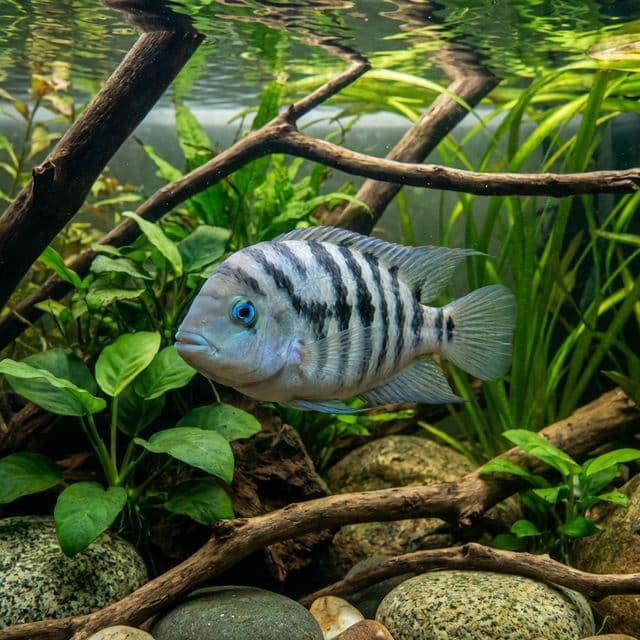
Cutter's Blue Eye Cichlid
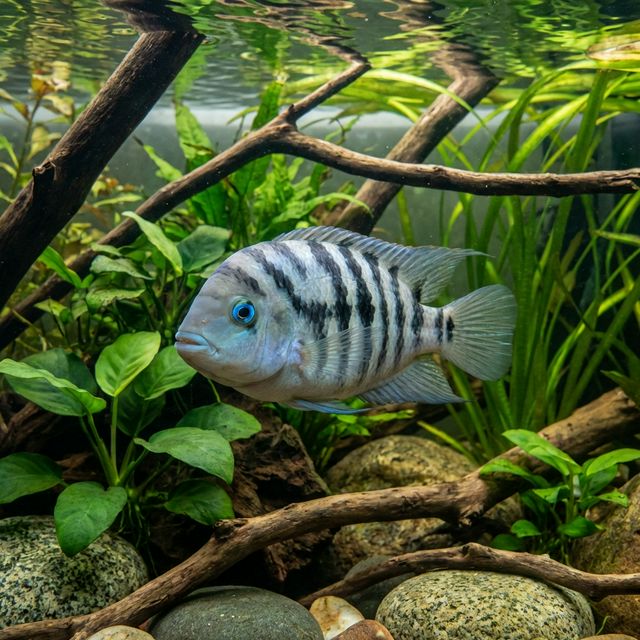
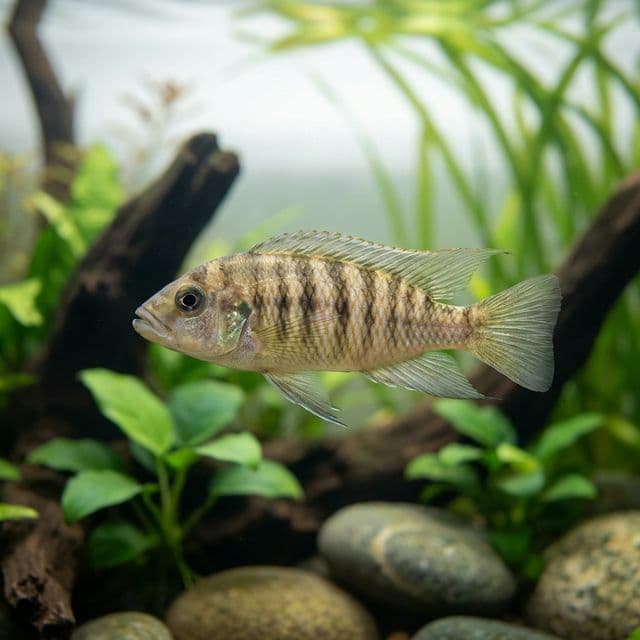
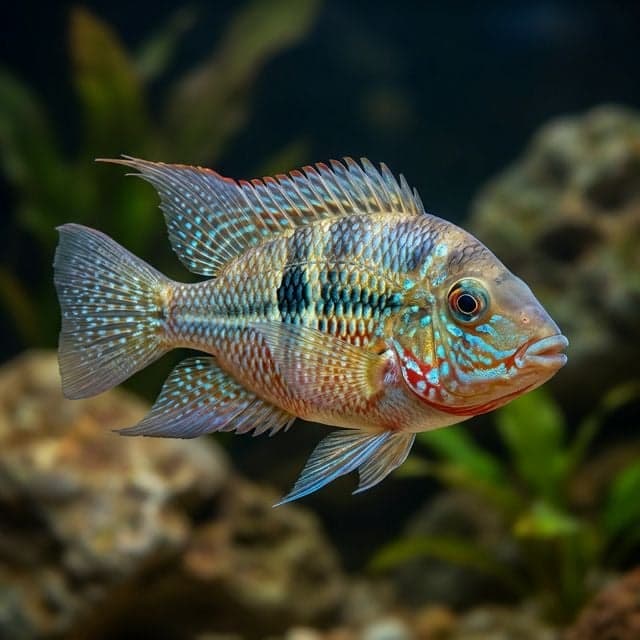
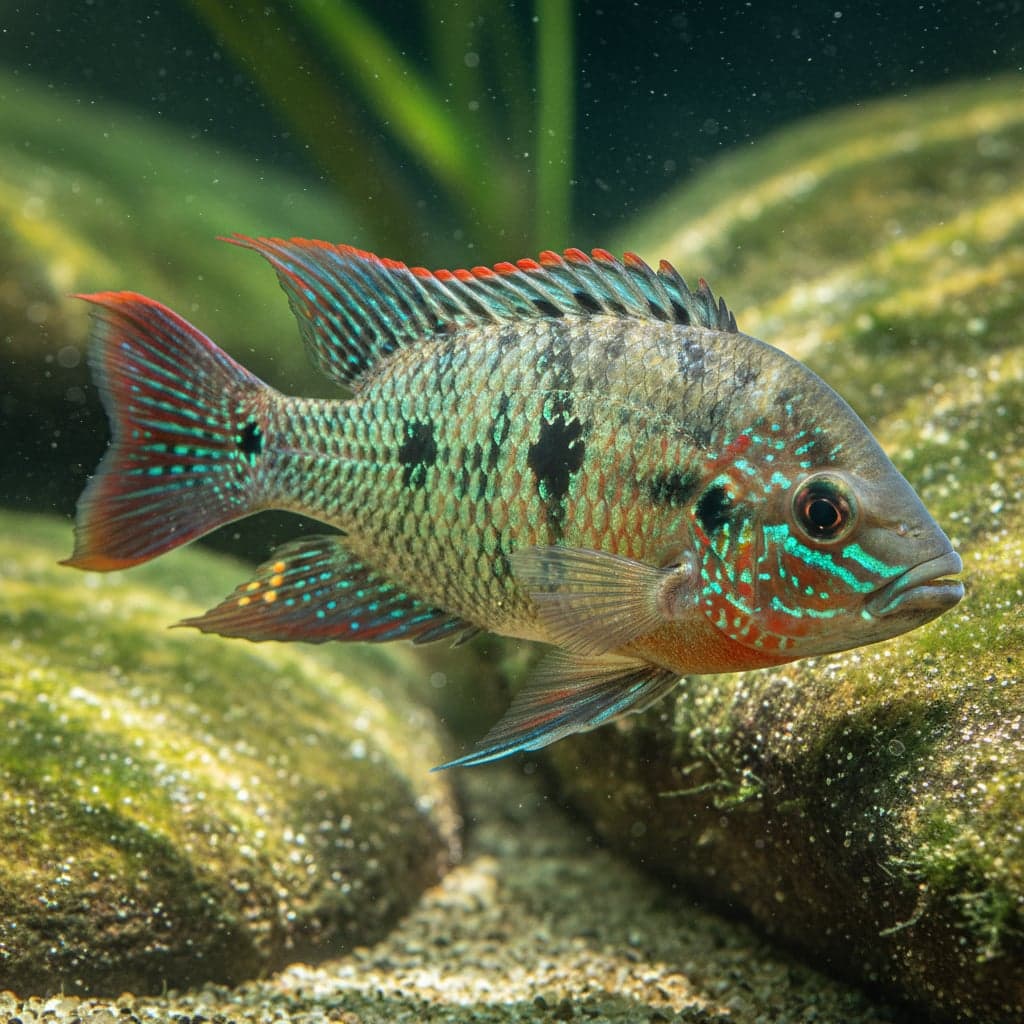
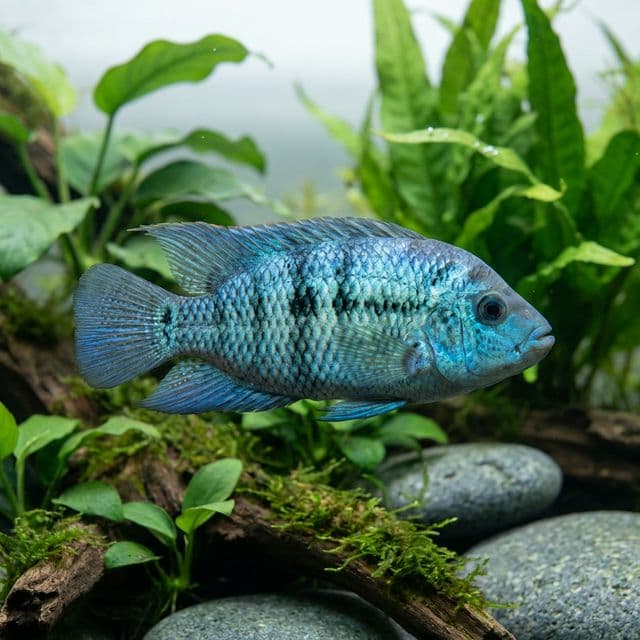
The Cutter's Blue Eye Cichlid, scientifically known as Cryptoheros cutteri, is a striking freshwater fish native to Central America, particularly found in the rivers and lakes of Nicaragua and Costa Rica. Renowned for its vibrant color, the Cutter's Blue Eye Cichlid features a stunning array of deep blues and turquoise hues that make it a visually appealing addition to any aquarium. Its name is derived from the beautiful blue iris surrounding its eye, which stands out against its generally pale body. In the aquarium hobby, this species is highly prized not just for its aesthetic value but also for its engaging behaviors and captivating personality, making it a favorite among both novice and experienced aquarists.
Beyond its visual appeal, the Cutter's Blue Eye Cichlid holds significant cultural and ecological importance. This species plays a vital role in its natural habitat, often found in shallow waters where it contributes to the local ecosystem's biodiversity. The remarkable adaptability and unique social behaviors of this cichlid have garnered interest among aquarists and researchers alike, fostering a greater appreciation for Central American cichlids and their conservation. In aquariums, they exhibit dynamic interactions, adding personality and life to community tanks, and making them a valuable asset to the fishkeeping community.
Natural Habitat & Origin
Cutter's Blue Eye Cichlid originates from the lush freshwater systems of Central America, primarily in Nicaragua and parts of Costa Rica. This species thrives in a variety of freshwater environments, often found in slow-moving rivers, lakes, and ponds that feature sandy bottoms and rocky outcrops. They prefer areas with ample hiding spots, typically among submerged vegetation, where they find shelter and breeding grounds. The water in these habitats is commonly clear to slightly stained due to the presence of organic matter, indicating a preference for clearer waters as opposed to heavily tannin-stained blackwater, which can affect visibility but also enrich habitat biodiversity.
Environmental factors such as temperature and water chemistry significantly influence the health and well-being of the Cutter's Blue Eye Cichlid, indicating their natural habitat's influence on their care in captivity. This fish is typically found in waters with a pH of around 6.5 to 8.0, with temperatures ranging from 75°F to 80°F (24°C to 27°C). Understanding their natural habitat helps aquarists replicate the conditions necessary for optimal growth, breeding, and overall health.
Care Requirements
To ensure the well-being of your Cutter's Blue Eye Cichlid, it is crucial to replicate the optimal conditions found in their natural habitat. They thrive in aquariums that maintain a stable pH level of 6.5 to 8.0 and a temperature range of 75°F to 80°F (24°C to 27°C). The water hardness should ideally be between 5 to 15 dGH to promote successful growth and breeding.
In terms of tank setup, a minimum size of 30 gallons is recommended to provide adequate swimming space and territory for the cichlids. The substrate can include fine gravel or sand, allowing for natural digging behaviors. Incorporating plenty of hiding spots using rocks, caves, and driftwood is beneficial, as this not only mimics their natural environment but also helps reduce stress in these territorial fish. Lighting should be moderate, as they prefer well-lit areas but also need shaded environments to retreat to, typically facilitated by the arrangement of live plants or decorations.
Diet & Feeding
Cutter's Blue Eye Cichlids are omnivorous, requiring a varied and balanced diet to thrive in captivity. Their diet should consist of high-quality commercial cichlid flakes or pellets designed to meet their nutritional needs. In addition to dried options, it is also essential to include a range of frozen or live foods to replicate their natural feeding habits. Offerings such as brine shrimp, bloodworms, and daphnia are excellent for enhancing their diet and promoting vibrant coloration.
To maintain the health and vitality of your Cutter's Blue Eye Cichlid, ensure that you feed them once or twice a day, providing only as much food as they can consume in a few minutes. Remember to vary their diet regularly to include green foods like spirulina or blanched vegetables, which can also help support overall health and encourage better coloration.
Behavior & Temperament
Cutter's Blue Eye Cichlids are known for their lively and engaging behavior, which can significantly enhance the dynamics of an aquarium. They are generally territorial fish, especially during breeding periods, and may exhibit aggression towards other species or even tank mates that infringe on their territory. Therefore, while they can coexist with other fish, it's important to choose companions carefully to minimize stress and aggression.
In terms of social behavior, Cutter's Blue Eye Cichlids prefer to establish small groups and display interesting interactions with each other. They tend to occupy the middle to lower areas of the tank, making use of caves and rocky formations as hiding places. Observing their interactions can be truly captivating, as they display a range of behaviors from courting rituals to territorial displays, adding depth and interest to a well-planned aquarium setup.
Tank Mates
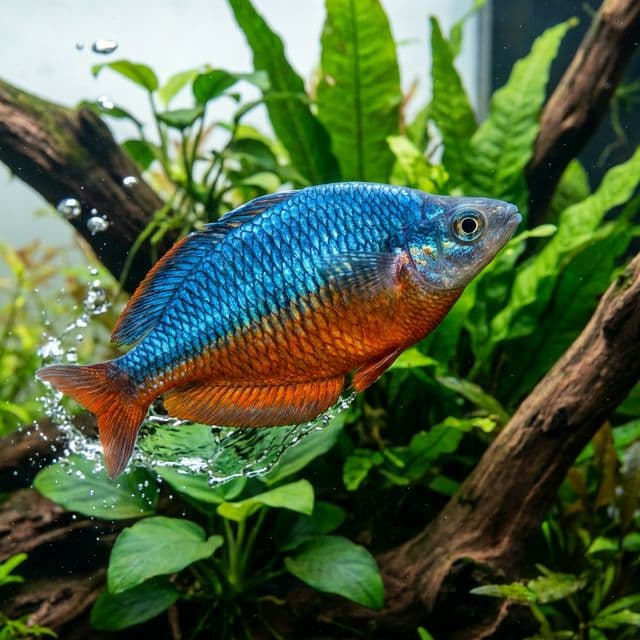
Selecting the right tank mates for your Cutter's Blue Eye Cichlid is crucial for maintaining harmony in the aquarium. Compatible species include other similarly sized Central American cichlids, such as the Convict Cichlid (Amatitlania nigrofasciata) or the Firemouth Cichlid (Thorichthys meeki), which have similar temperaments and can share a territory without excessive aggression. Additionally, larger Danios, Rainbowfish, and certain types of Plecos are suitable companions, provided they are fast enough to avoid any potential aggression.
However, it is essential to avoid smaller fish species, as they may become targets for stress or aggression from Cutter's Blue Eye Cichlids. Also, avoid keeping them with overly aggressive or extremely docile species, as this can lead to an imbalance in the tank's social dynamics. Ensuring suitable tank mates helps create a thriving aquatic community where each species can coexist peacefully.
Breeding
Breeding Cutter's Blue Eye Cichlids in captivity can be an exciting and rewarding experience. These cichlids exhibit biparental care, with both male and female taking active roles in parenting. To encourage spawning, provide a breeding tank of at least 20 gallons with stable water parameters; ensure the pH is around 7.0 to 8.0, with a temperature range of 78°F to 82°F (26°C to 28°C). Incorporating flat surfaces such as slate or smooth stones can serve as ideal spawning sites.
During the breeding process, the female will lay eggs, usually on a flat surface, and both parents will guard and aerate the eggs until they hatch, which typically occurs within 2 to 5 days. After the eggs hatch, it is advisable to provide ample hiding spaces for the fry, as they can be targets of aggression from the adults if the tank is too small. As the fry grow, they can be fed with finely crushed flake food or infusoria until they are large enough to consume larger feeds.
Common Health Issues
Like all aquarium fish, Cutter's Blue Eye Cichlids may be susceptible to certain health issues. Common diseases include ich (Ichthyophthirius multifiliis), fin rot, and bacterial infections. Maintaining stable water quality, avoiding overcrowding, and quarantining new fish are the most effective preventative measures. A varied diet and plenty of hiding spots further reduce stress-related illness in this territorial cichlid.