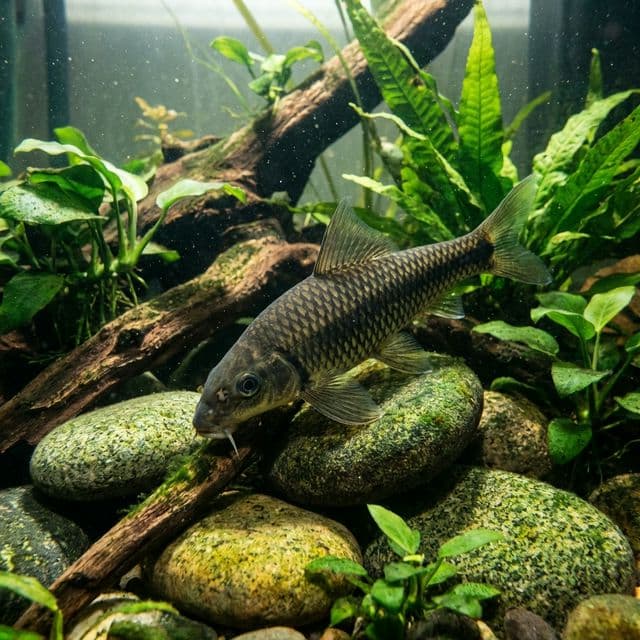
Dadio: Neochela dadiburjori
A tiny, golden nano fish from India. Peaceful and active surface swimmer.

Dadio
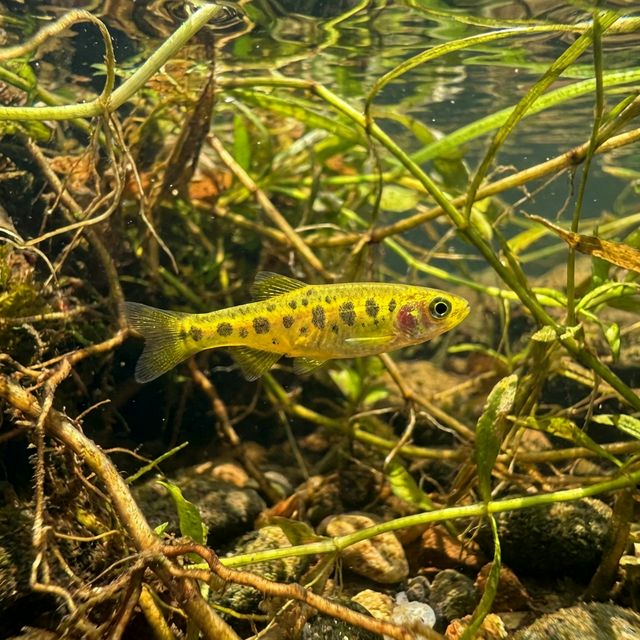
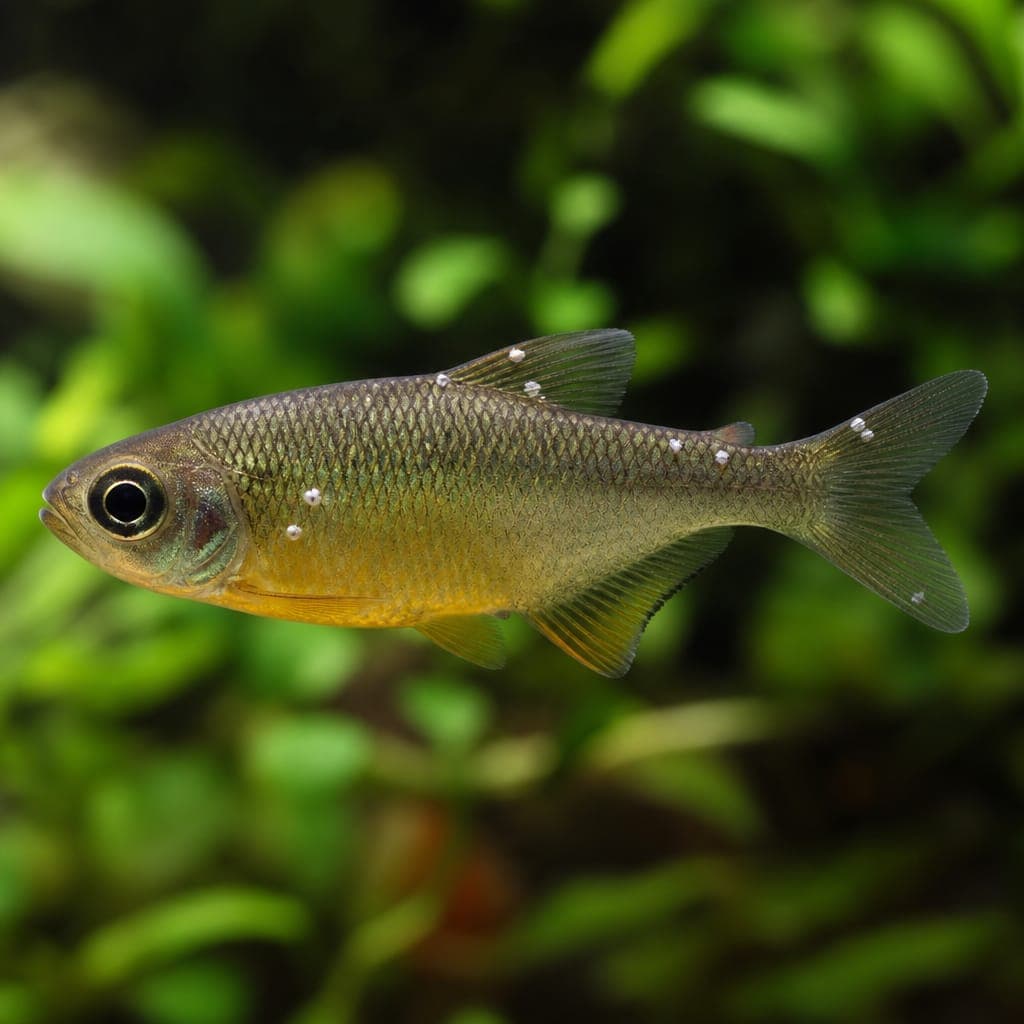
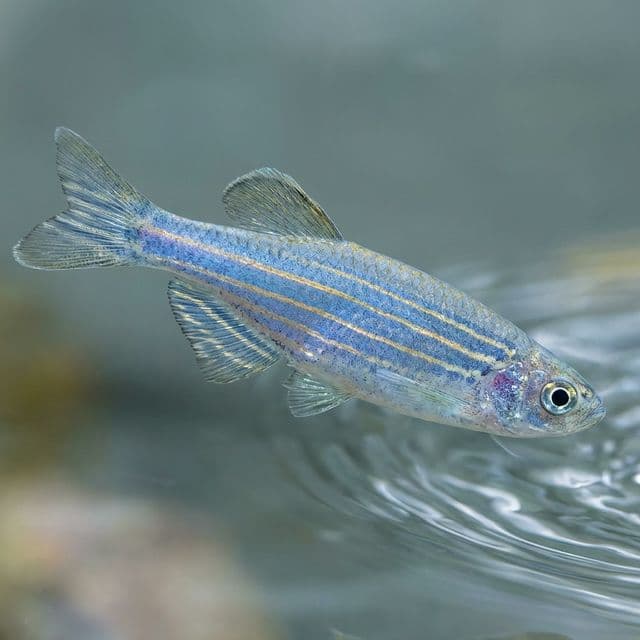
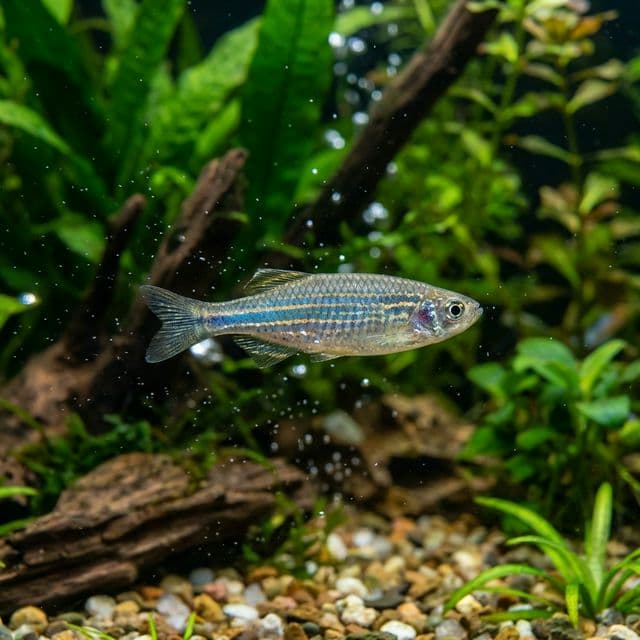
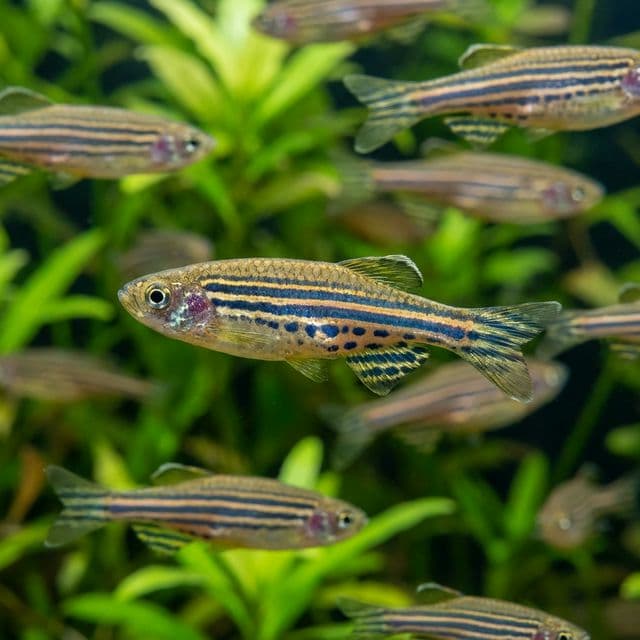
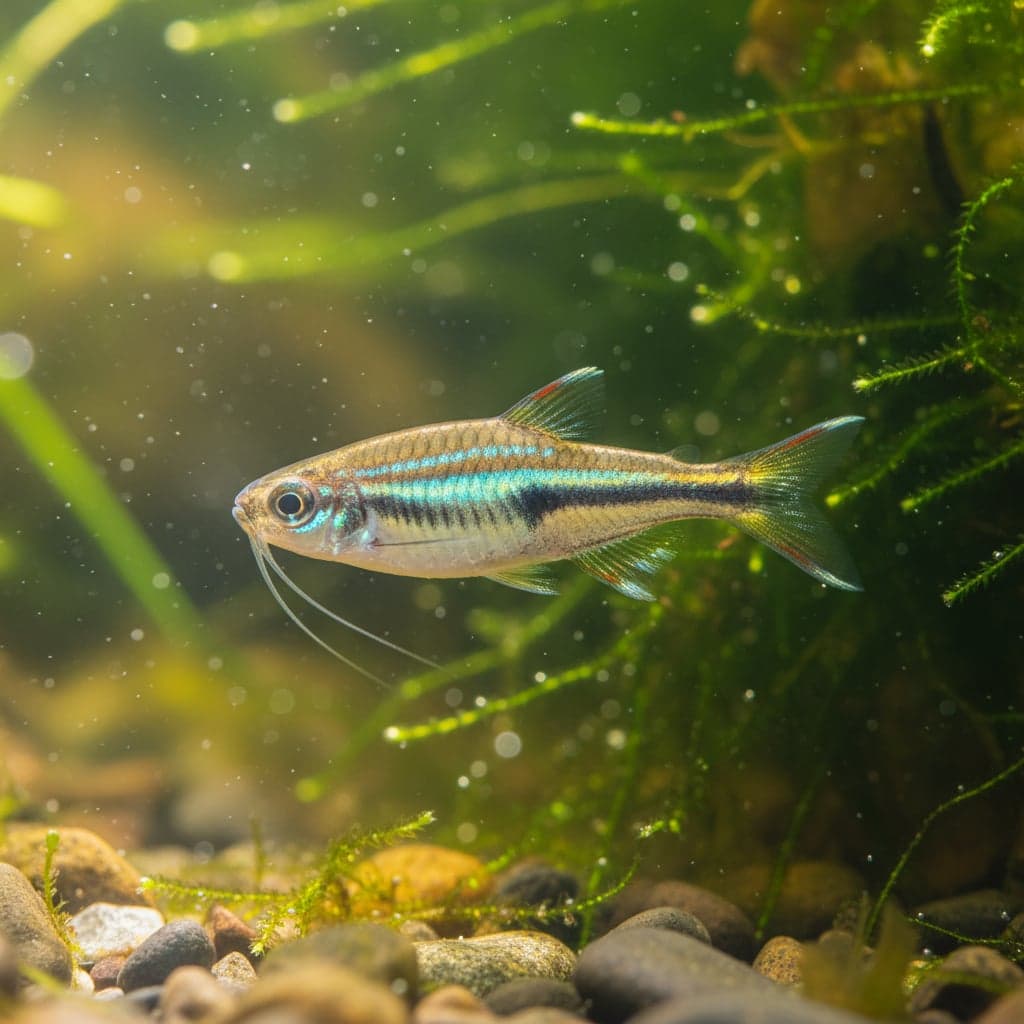
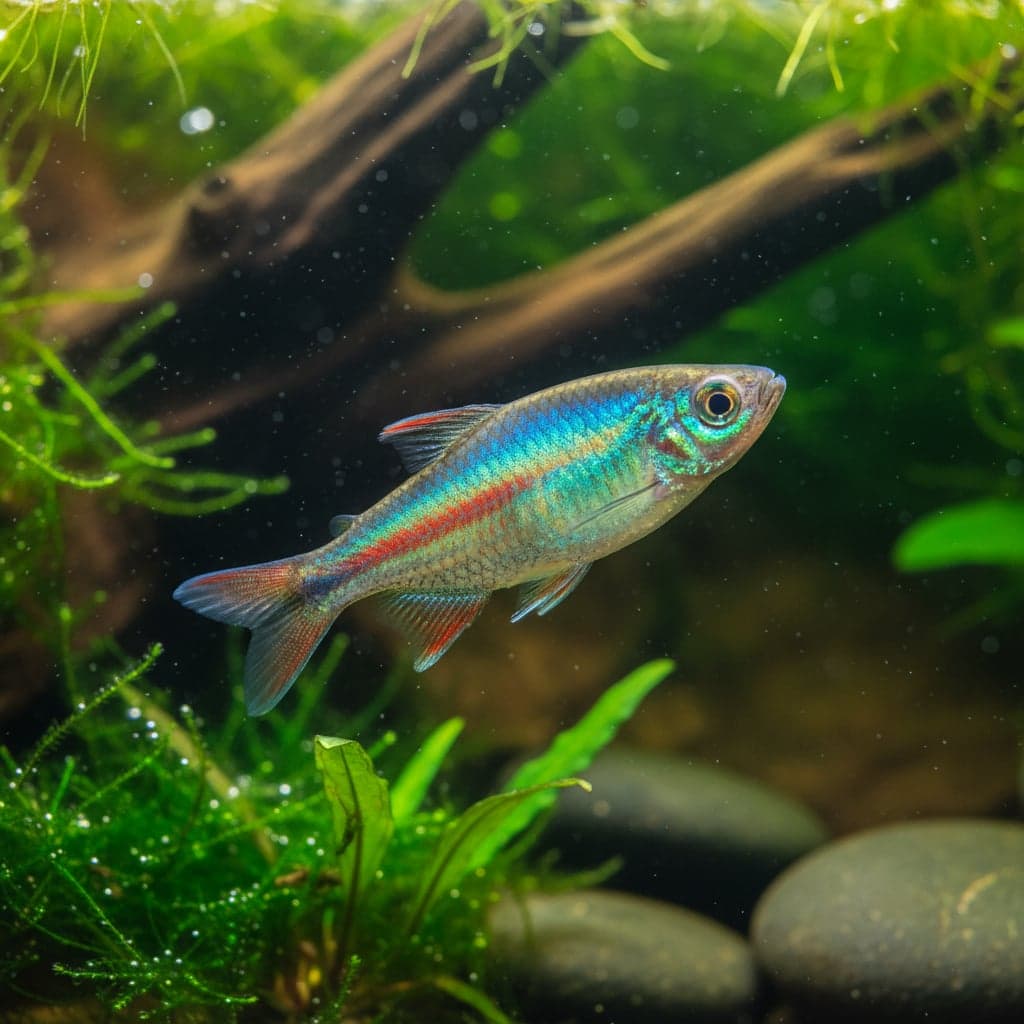
The Dadio, scientifically known as Neochela dadiburjori, is an enchanting freshwater fish that captivates the eyes of aquarists with its delicate and vibrant coloration. Characterized by its elongated, somewhat flattened body, the Dadio showcases a mosaic-like pattern of iridescent blue and yellow markings against a light gray or golden base. These striking aesthetics not only enhance the visual appeal of any aquarium but also make it a favorable choice among hobbyists seeking to create an eye-catching biotope. With its unique appearance and animated swimming behavior, the Dadio serves as a captivating focal point that adds life to community tank setups.
In terms of significance within the aquarium hobby, the Dadio is not just prized for its beauty. It holds importance as an indicator of biodiversity and ecological health in its natural habitat. As a member of the family Cyprinidae, the Dadio thrives in well-balanced aquatic ecosystems, making it essential to understand and maintain its specific care requirements in captivity. By fostering appreciation for species like the Dadio and supporting responsible aquarium practices, aquarists can contribute to conservation efforts and promote the sustainable use of aquatic resources.
Natural Habitat & Origin
The Dadio hails from the freshwater streams and rivers of northeastern India, particularly in the states of Assam and Meghalaya. Its natural habitat is typically characterized by slow-moving waters with ample vegetation and submerged structures, providing cover and foraging opportunities. These environments are often nutrient-rich, fostering a diverse array of algae and small invertebrates that form the Dadio’s primary diet.
In terms of water type, the Dadio resides in clearwater systems, generally exhibiting low to moderate hardness levels. The waters are typically acidic to neutral in pH, often ranging between 6.0 to 7.5. The presence of leaf litter and decaying plant matter is typical in its habitat, contributing to the slightly tannin-stained waters that these fish are accustomed to. Understanding these environmental conditions is vital for replicating a suitable habitat in an aquarium setting.
Care Requirements
To provide optimal care for the Dadio, aquarists should aim for a well-maintained aquarium that mimics its natural environment. The minimum tank size recommended is 20 gallons, allowing enough space for schooling and exploring. The substrate should be soft, such as fine sand or small gravel, to prevent injury during foraging.
Lighting should be subdued to replicate the natural dappled light of a stream; using floating plants can also help diffuse light and create shade. For plant selection, consider adding a variety of live aquatic plants, like Java moss or Anubias, which not only provide hiding spots but also contribute to the overall aesthetic of the tank. Maintaining stable water parameters is crucial: pH levels should ideally be between 6.0 to 7.5, temperatures should range from 22°C to 28°C (72°F to 82°F), and hardness should be kept between 5 to 15 dGH.
Diet & Feeding
The Dadio is considered an omnivorous species, feeding on a varied diet that includes small aquatic invertebrates, plant matter, and algae in the wild. In captivity, it is essential to provide a balanced diet to promote health and vibrancy. High-quality flake food can serve as a staple, but it should be supplemented with a variety of other foods.
Offering small pellets, frozen food (such as brine shrimp and bloodworms), and live food like daphnia or small earthworms can enhance their diet and ensure proper nutrition. Feeding should occur multiple times a day in small amounts, allowing time for the fish to consume everything and prevent water quality issues.
Behavior & Temperament
Dadio fish exhibit lively and active behavior, making them a joy to observe in an aquarium setting. They are gregarious creatures, displaying strong schooling habits. It is recommended to keep them in groups of at least five to enhance their comfort and reduce stress levels. When housed in appropriate group sizes, they tend to display less aggression and are more engaged in natural behaviors.
While generally peaceful, the Dadio can show territorial tendencies if kept in too small of a space or when competing for resources, especially during feeding. They typically occupy the mid to upper levels of the water column, exhibiting a playful swimming style, often darting in and out of plants and decorations.
Tank Mates
When selecting tank mates for the Dadio, it is critical to consider the peace-loving nature of this species. Ideal companions include small to medium-sized peaceful fish like Tetras, Rasboras, and Danios. Loaches and small catfish can also provide interesting interactions without dominating the space.
However, larger or aggressive species such as Cichlids and certain Barbs should be avoided, as they may harass or prey upon the Dadio. Additionally, take note not to house them with fin-nippers, which can cause stress and injury.
Breeding
Breeding the Dadio in captivity can be a rewarding experience for aquarists looking to propagate this species. For successful spawning, a separate breeding tank should be set up, ideally containing soft, slightly acidic water. The presence of fine-leaved plants or spawning mops will provide suitable surfaces for the female to lay her eggs.
Before breeding, it's important to condition the fish with a varied diet of high-quality live foods for several weeks. After a successful mating process, which may involve the male displaying courtship behaviors, the female will lay eggs in clusters. Remove the adult fish after spawning to prevent them from eating the eggs. The eggs typically hatch in 2 to 4 days, after which the fry will require small food like infusoria or crushed flakes until they are larger.
Common Health Issues
Like many freshwater fish, Dadio can be susceptible to various health problems if not properly cared for. Common ailments include Ich (Ichthyophthirius multifiliis), fin rot, and dropsy. Ensuring stable water parameters and maintaining a clean environment can help prevent these issues.
Regular maintenance, including water changes and monitoring for signs of stress or illness, is crucial. Quarantine new arrivals before adding them to the main tank to limit the spread of potential pathogens. Additionally, providing a varied diet and reducing overcrowding can also help bolster their immune systems and minimize health risks.