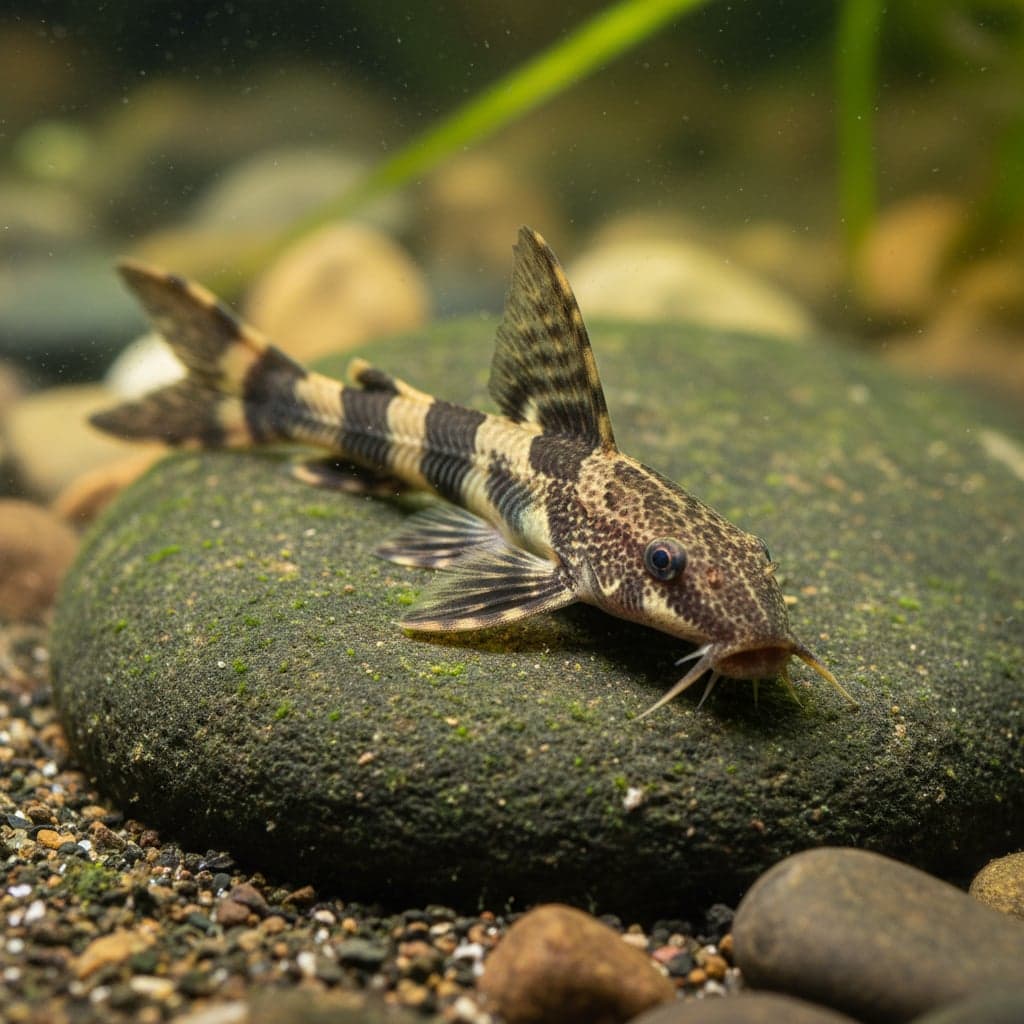
Darter Tetra: Characidium spp.
Bottom-dwelling tetras that hop between surfaces like darters. Unique in the tetra world.

Darter Tetra
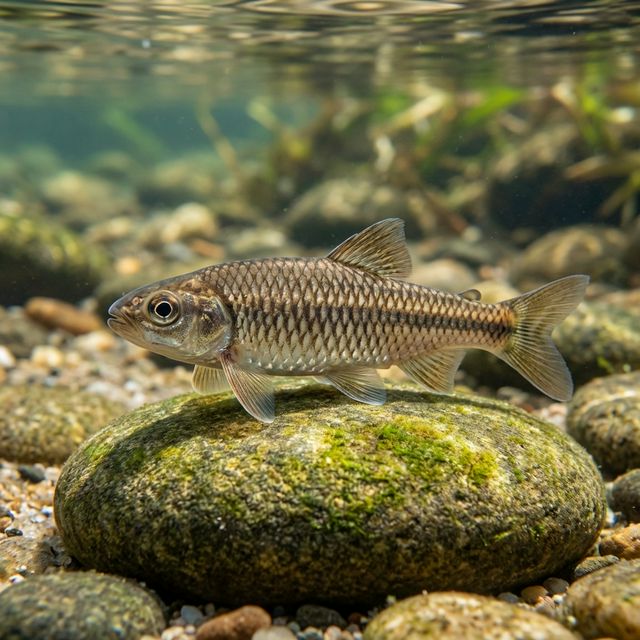
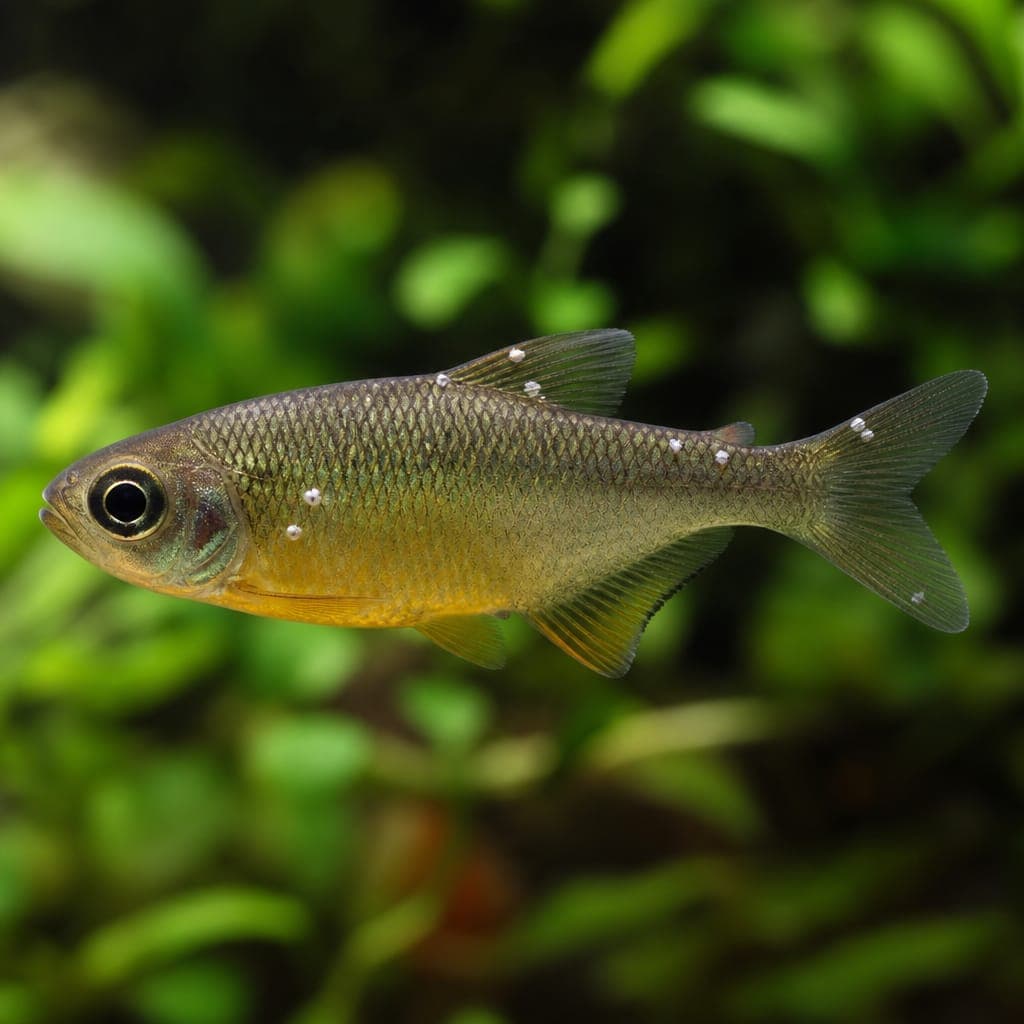
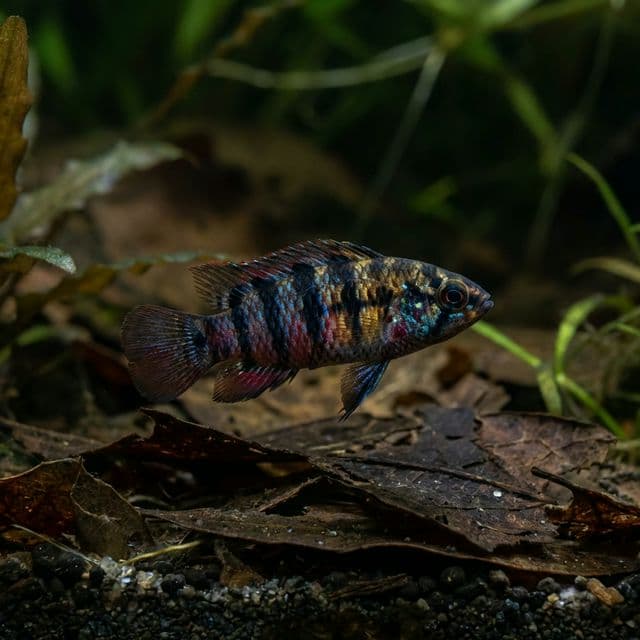
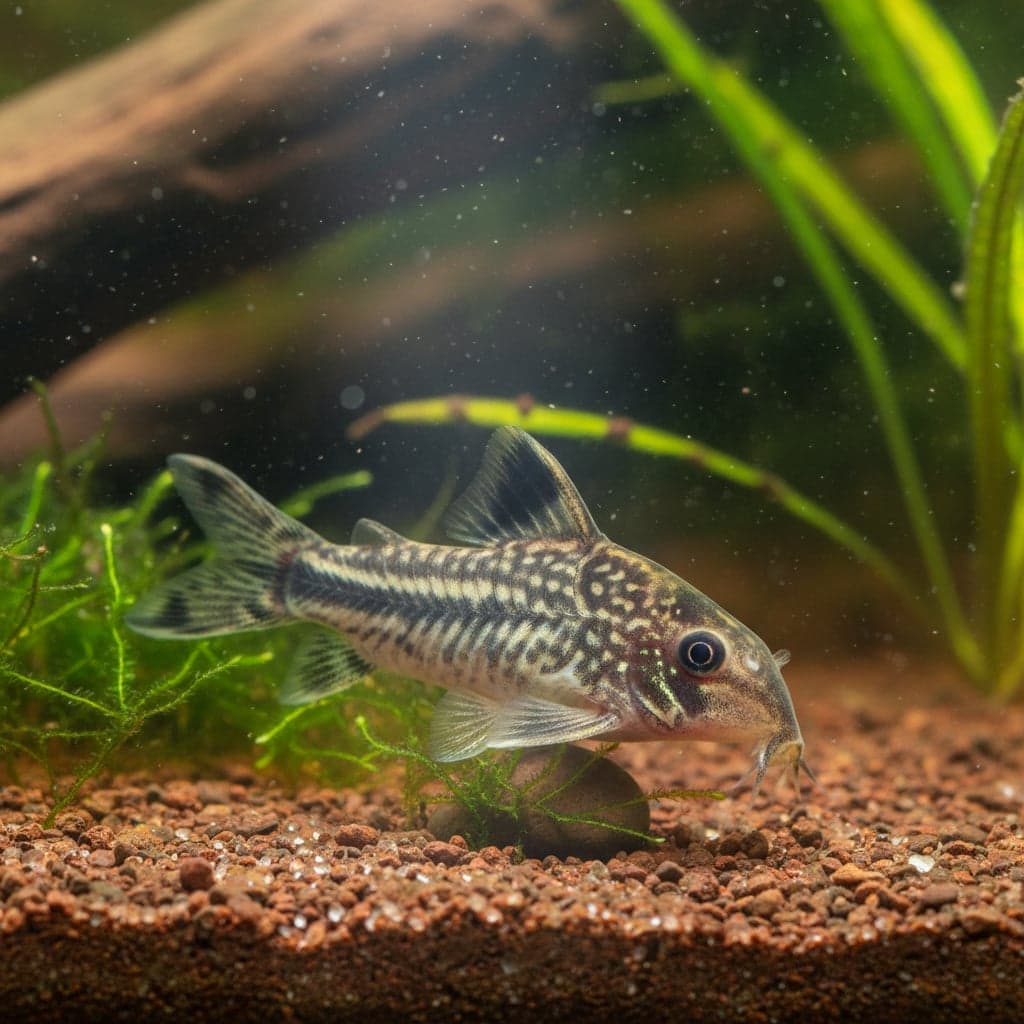
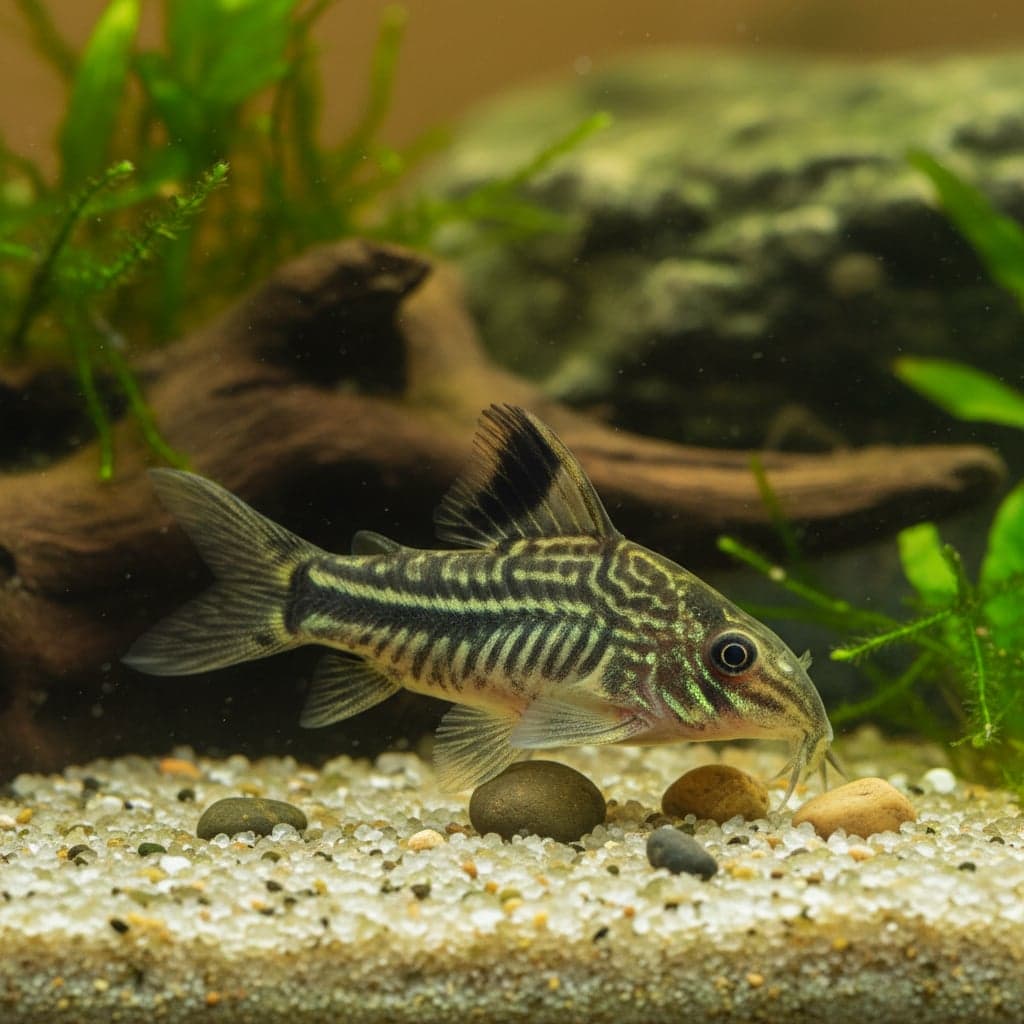
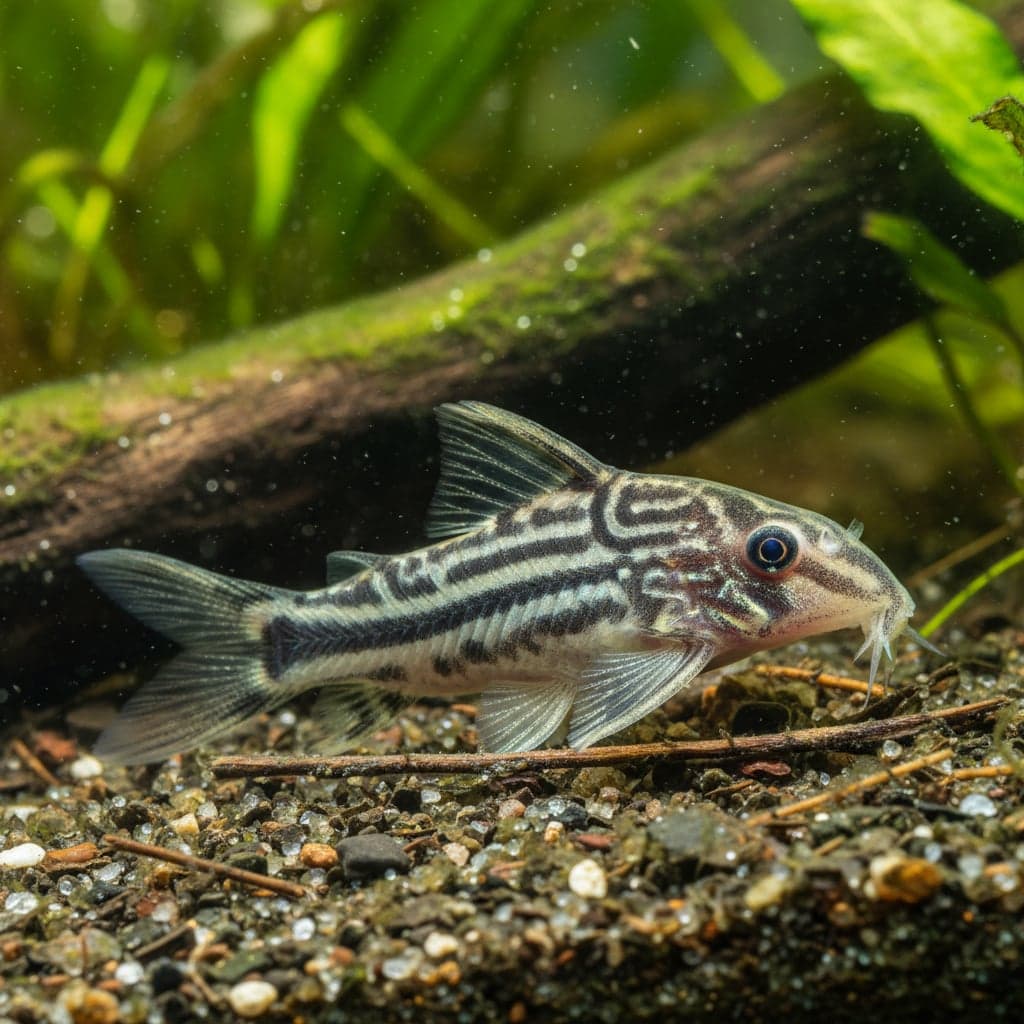
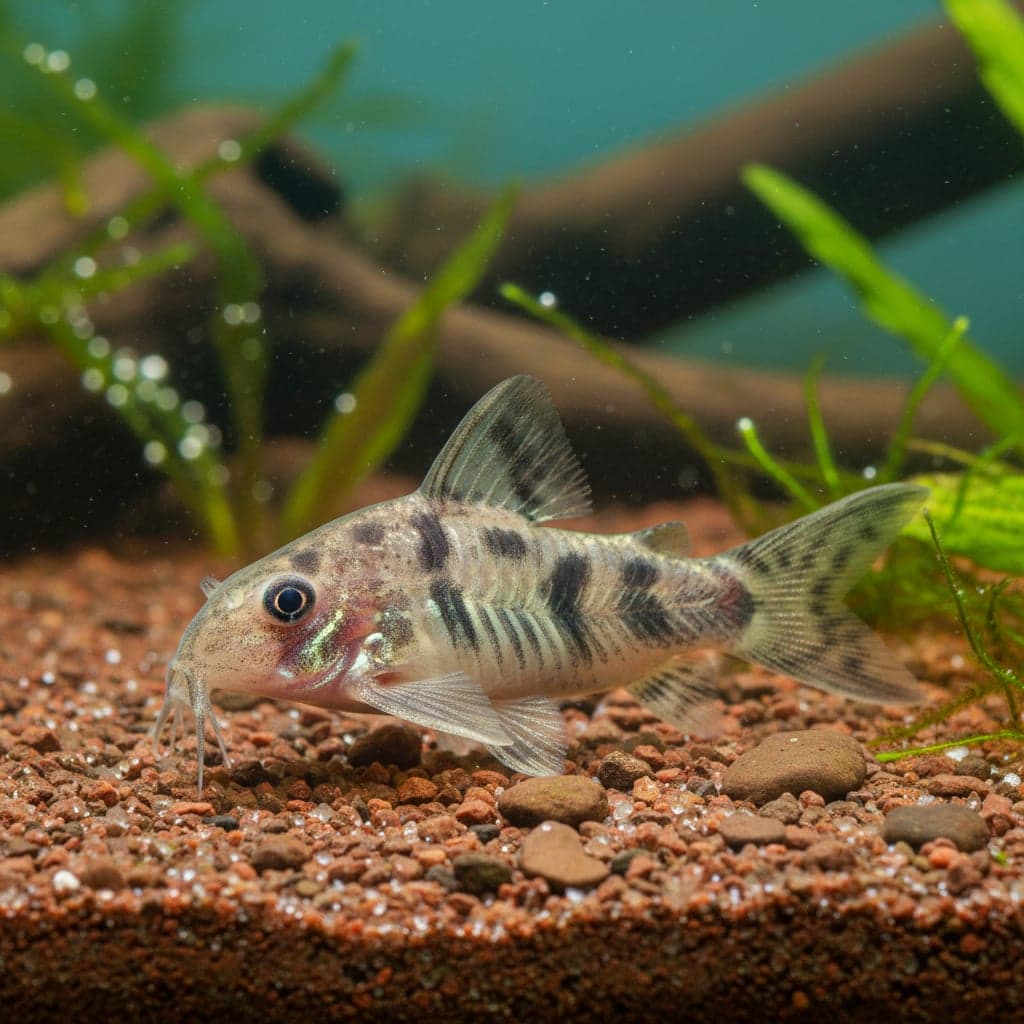
The Darter Tetra, belonging to the genus Characidium, is a sought-after species in the aquarium hobby due to its unique appearance and captivating behavior. These small, fascinating fish are native to South America, particularly inhabiting the slow-moving or stagnant waters of rivers and streams. They boast an array of vivid colors, typically showcasing shades of greenish-yellow to olive and are often adorned with striking blue iridescent markings. Their elongated bodies and darting movements add an element of dynamism to aquariums, making them a delightful addition for aquarists eager to enhance their underwater landscapes. In addition to their visual appeal, Darter Tetras are valued for their hardy nature, which allows them to adapt well in various freshwater environments, increasing their popularity among beginner and experienced aquarists alike.
In the aquarium setting, the Darter Tetra is recognized for its intriguing behavior, often exhibiting a curious and somewhat playful demeanor. Rather than simply occupying the middle ground of the tank, these fish frequently dart around, showcasing their energetic nature, which offers an engaging display for viewers. This active behavior, combined with their stunning coloration, makes Darter Tetras a fantastic focal point in community tanks. As social creatures, they thrive best in groups, reinforcing their status as an essential species in maintaining a vibrant aquatic ecosystem, fostering interactions that benefit both the fish and their environment.
Natural Habitat & Origin
Darter Tetras originate from the temperate regions of South America, particularly found in the river systems of Brazil and Venezuela. Their natural habitats encompass a variety of freshwater environments, including areas with dense vegetation in slow-moving, shallow waters, where they can often be seen darting among aquatic plants and leaf litter. The waters they inhabit are typically characterized as clear to slightly tinted, with low pH levels due to the presence of organic matter breaking down in the environment. Blackwater conditions, where the water takes on a tea-like color from dissolved tannins, are commonly found in their habitats, providing soft, acidic conditions that are ideal for these small fish.
In their natural environment, Darter Tetras rely on the rich biodiversity surrounding them, feeding on insect larvae, small crustaceans, and other tiny organisms that thrive in these lush, sheltered ecosystems. The environmental context—characterized by plenty of hiding spots and stable water parameters—plays a crucial role in their development and behavioral patterns, helping aquarists to replicate these conditions to ensure health and longevity in captivity.
Care Requirements
Successfully caring for Darter Tetras requires attention to specific water parameters and tank setup to recreate their natural habitat. The ideal water conditions for these fish are a pH range of 5.5 to 7.0, a temperature between 22°C to 28°C (72°F to 82°F), and a water hardness of 2-10 dGH. Maintaining stable conditions is crucial, as sudden changes can stress these fish and lead to health issues.
For tank setup, a minimum tank size of 20 gallons is recommended to provide ample space for swimming and social interactions. A well-planted aquarium with plenty of hiding spots—like driftwood, rocks, and dense foliage—serves as a suitable habitat, mimicking their natural environment. Soft, sandy substrate is preferable, allowing for a natural feel, while subdued lighting enhances their vibrant colors and promotes plant growth, creating a more comfortable atmosphere for the Darter Tetras.
Diet & Feeding
Darter Tetras are omnivorous, thriving on a diverse diet that includes high-quality flake food, micro-pellets, and small frozen or live foods. A mix of protein-rich options such as brine shrimp, daphnia, and bloodworms proves beneficial, encouraging healthy growth and vibrant coloration. It's recommended to feed them several times a day in small portions, ensuring that the food is consumed within a few minutes to prevent contamination of the tank. By offering a varied diet, aquarists can stimulate natural foraging behavior and promote optimal health.
In addition to quality commercial foods, incorporating greens like spirulina-based flakes can help provide essential nutrients. Given their natural feeding habits in the wild, varying their diet keeps Darter Tetras engaged and active, promoting a well-rounded and dynamic aquarium experience.
Behavior & Temperament
Darter Tetras are inherently social and exhibit strong schooling behavior, needing to be kept in groups of at least six to feel secure and exhibit natural behaviors. In a well-planned environment, they will engage in playful displays, swimming throughout the tank but are generally non-aggressive towards their tank mates. While they can occasionally show territorial tendencies during breeding season, they are not known to be overly aggressive, making them suitable for community tanks.
These fish tend to occupy the middle and upper levels of the aquarium, often darting between plants and structures in the tank. This vertical placement underscores the importance of providing ample swimming space, as well as ensuring that the habitat includes devices and decorations that cater to their need for hiding and exploration.
Tank Mates
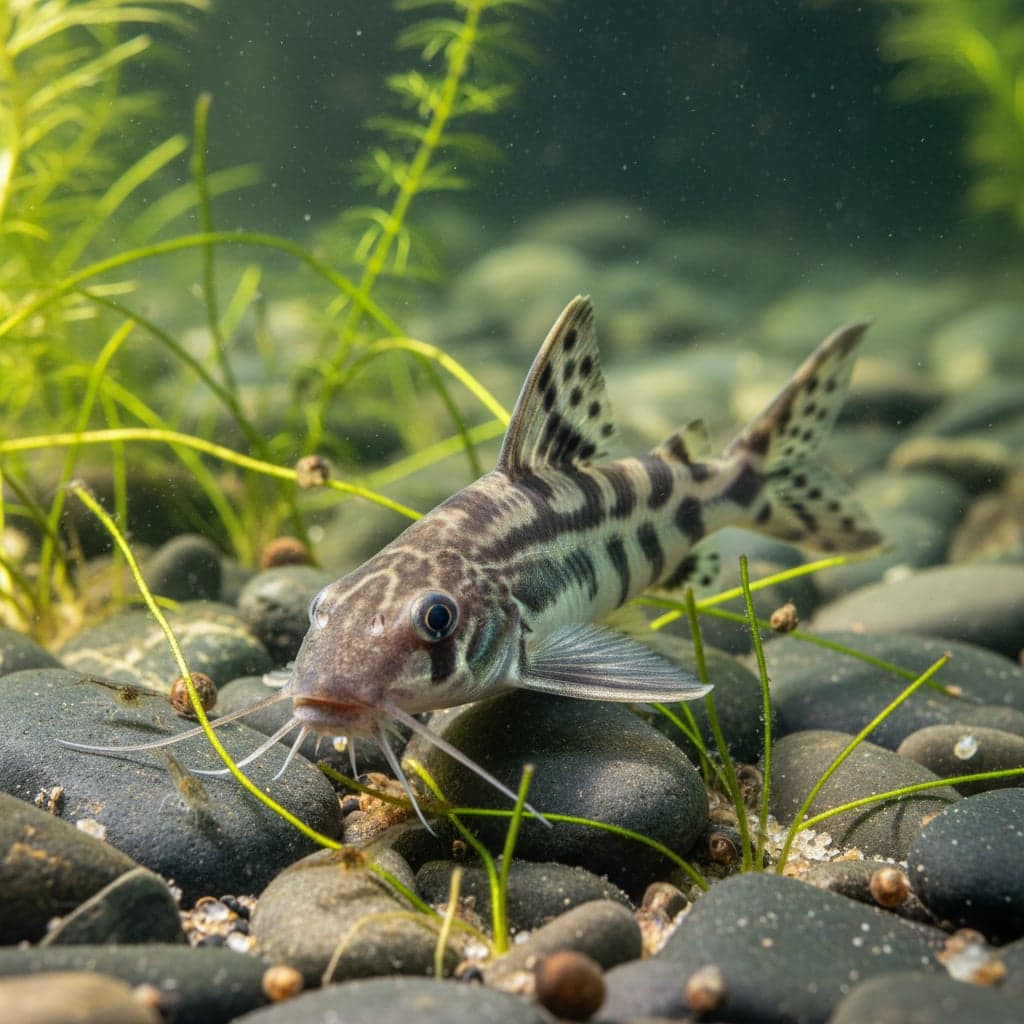
When selecting tank mates for Darter Tetras, compatibility is key to maintaining a peaceful aquarium environment. Ideal companions include other small, peaceful fish such as neon tetras, rasboras, and small catfish like Corydoras. These species share similar environmental and dietary needs, promoting a harmonious living space. Additionally, bottom-dwellers like otocinclus or shrimp can thrive alongside Darter Tetras without triggering aggression.
However, certain species should be avoided to reduce the risk of stress or aggression. Larger or more aggressive fish, such as cichlids, can pose a threat due to their size or territorial behavior. Additionally, fin-nipping species should be avoided, as they may cause stress and injury to the more delicate Darter Tetras.
Breeding
Breeding Darter Tetras successfully in captivity requires careful attention to environmental conditions. They are considered substrate spawners, meaning they prefer to lay eggs on aquatic plants or other surfaces. To encourage breeding behavior, it is essential to mimic their natural conditions by providing dim lighting and a well-planted tank layout. The water parameters should be slightly modified to encourage spawning; aim for a temperature of around 26°C (79°F), with a pH between 6.0 and 6.5.
During the breeding process, the males will display courtship behaviors, including chasing and showing off their colors to attract females. Once a female is ready to spawn, she will deposit eggs on the foliage, and the male will subsequently fertilize them. After spawning, the adults should be removed to prevent them from eating the eggs. With proper care and attention, fry will typically hatch within 24 to 36 hours, and they can be fed infusoria or finely crushed flake food as they grow.
Common Health Issues
Darter Tetras, while generally hardy, can be susceptible to specific health issues that every aquarist should be aware of. Common ailments include ich (white spot disease), fin rot, and various parasitic infections. Regular water changes and maintaining stable parameters can significantly reduce the risk of these health issues. It's essential to ensure that any new fish are quarantined before introduction to avoid introducing diseases into the established aquarium.
To promote overall well-being, monitoring for signs of stress, such as changes in eating habits, unusual swimming behaviors, or faded colors, is crucial. Implementing good husbandry practices such as regular water changes, stable soft acidic parameters, and a proper school will greatly reduce disease risk. Quarantine newcomers and offer a varied diet of micro foods and quality flakes. Watch for white spots, frayed fins, or faded colour, and treat promptly. With attentive care, Darter Tetras remain lively mid-water schoolers for years in a densely planted, soft-water aquarium.