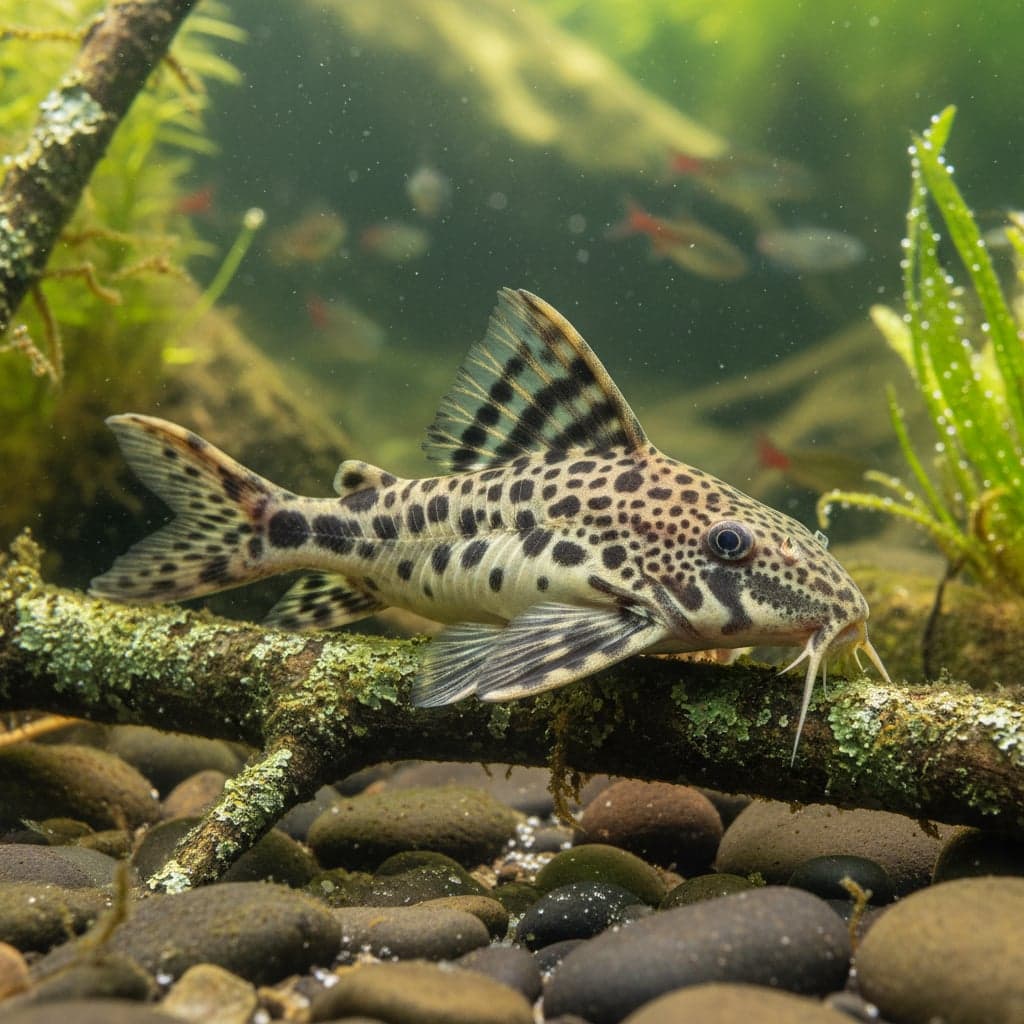
Decorated Catfish: Synodontis decorus
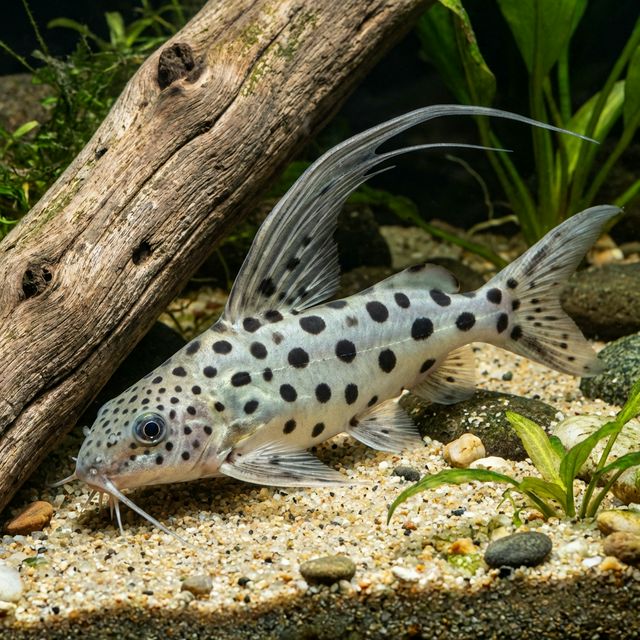
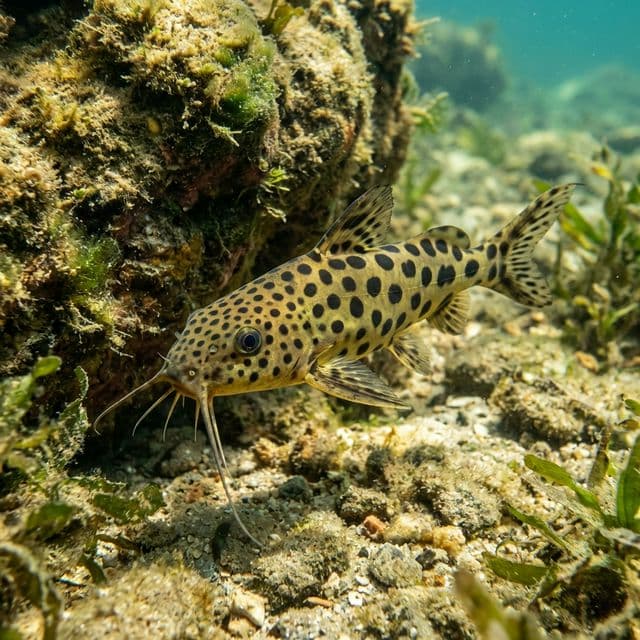
A stunning Synodontis with a tall, flag-like dorsal fin and bold spotted pattern.
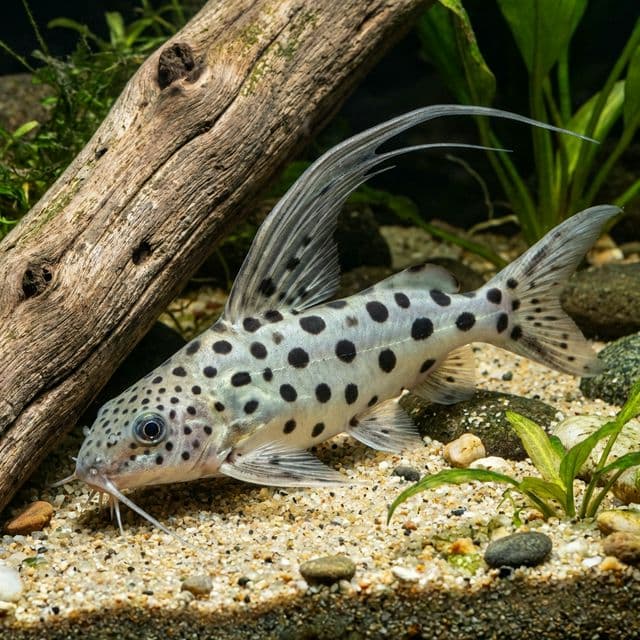
Decorated Catfish
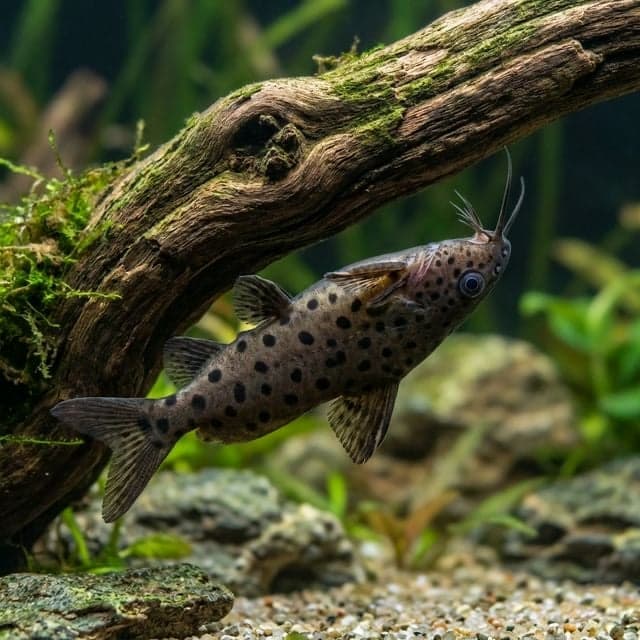
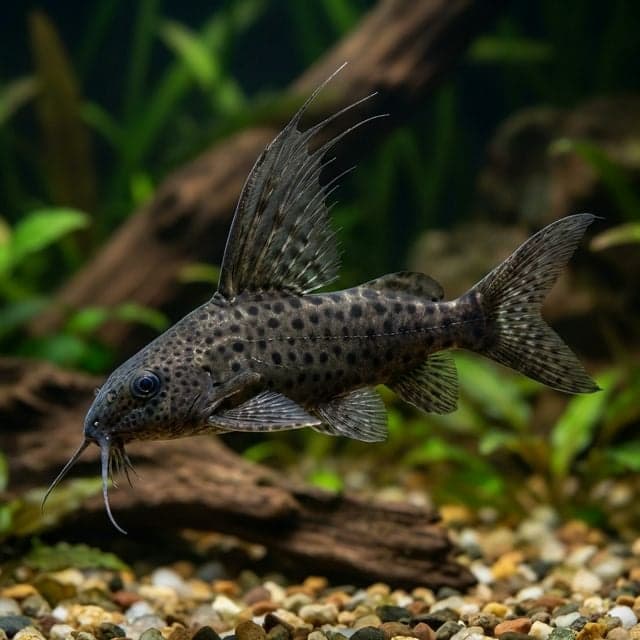
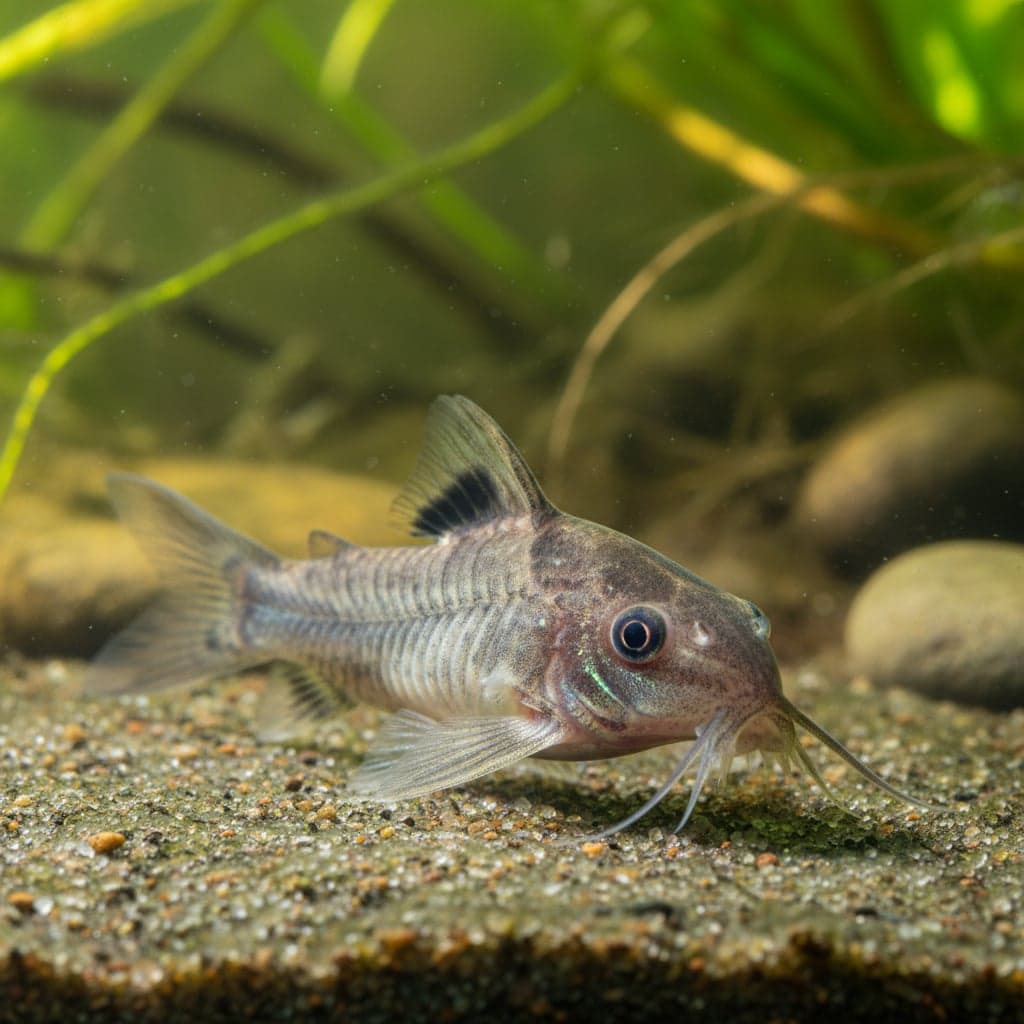
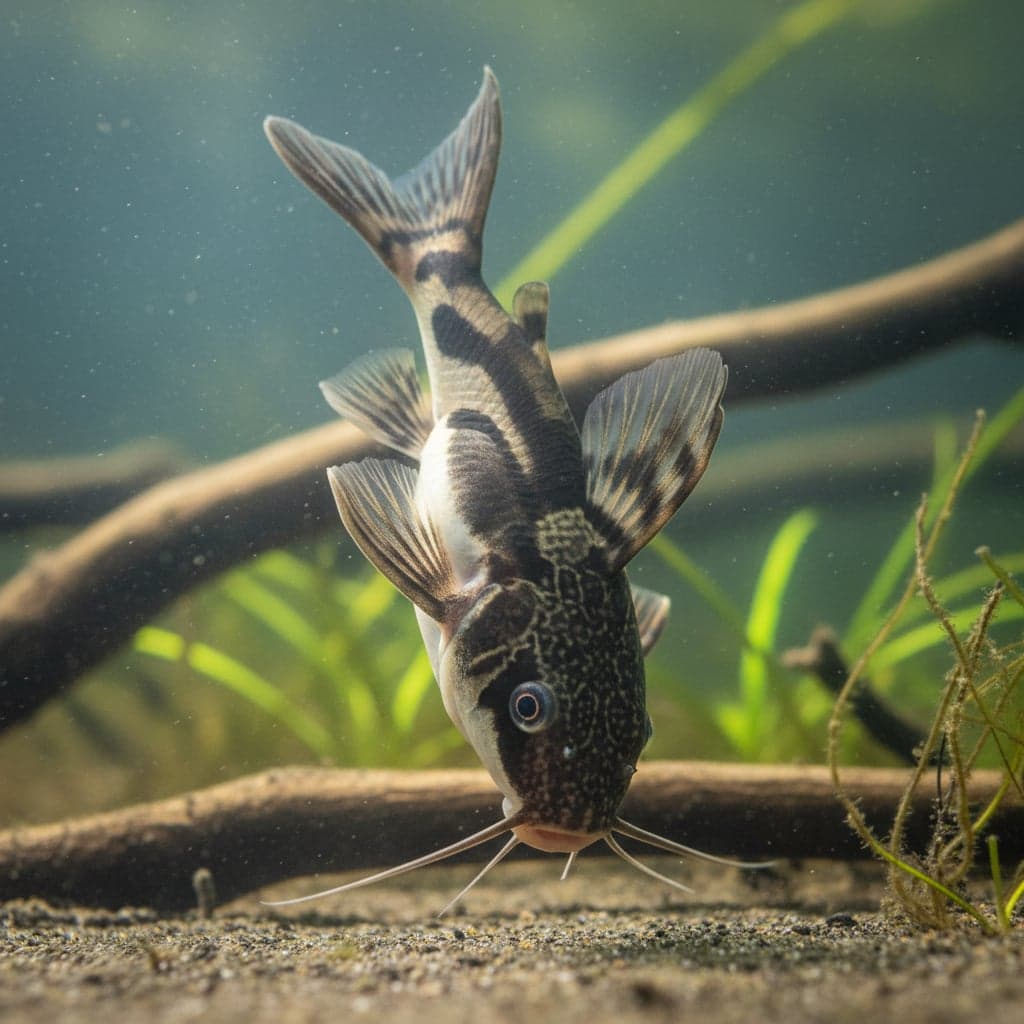
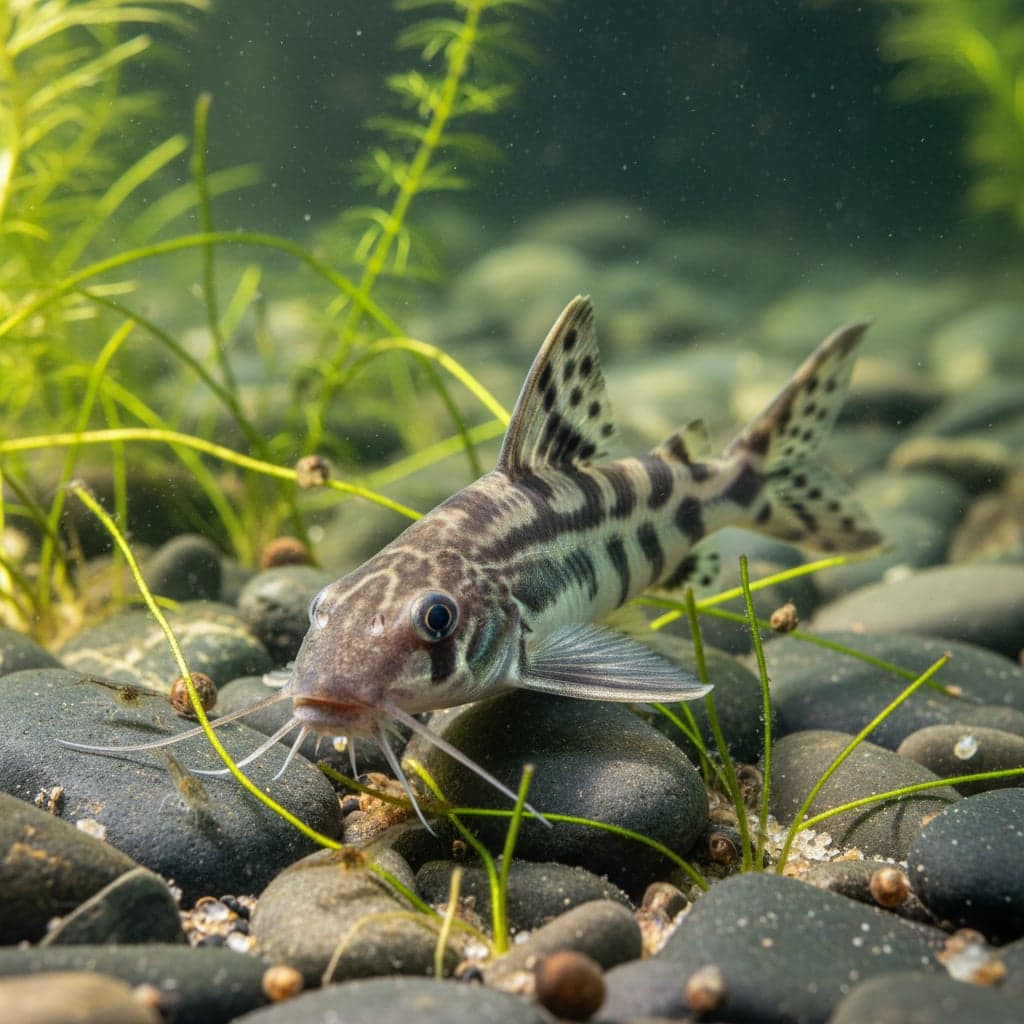
The Decorated Catfish, scientifically known as Synodontis decorus, is a captivating freshwater species native to the river systems of Central Africa, particularly the Congo River Basin. With its distinctively patterned body and prominent barbels, this species exhibits a remarkable appearance that enchants aquarists and fish enthusiasts alike. Its elongated, laterally compressed body is adorned with dark spots on a light-colored background, providing a striking contrast that makes it a visual highlight in any aquarium setup. This catfish is not only appreciated for its aesthetic charm but also for its role in maintaining the ecological balance within its habitat.
In the aquarium hobby, the Decorated Catfish has gained popularity due to its unique behavior and interactive nature. Known for its playful antics, this species is primarily nocturnal, often engaging in foraging activities and exploring its surroundings during the night. These characteristics add an element of intrigue to community tanks, making them an excellent choice for both novice and experienced aquarists looking to create dynamic aquatic displays.
Natural Habitat & Origin
The Decorated Catfish hails from the rich river systems of Central Africa, primarily the Congo Basin. This region showcases a diverse range of waterways, from slow-moving streams to larger rivers, characterized by soft, dark, and tannin-stained waters typically associated with blackwater habitats. These environments offer a myriad of hiding spots, such as submerged logs, leaf litter, and dense aquatic vegetation, which are essential for species like the Decorated Catfish that thrive in complex ecosystems. The natural habitat conditions include low light levels and a slightly acidic to neutral pH, which are crucial for its well-being and overall health.
In the wild, the Decorated Catfish is commonly found in areas with a sandy or muddy substrate, which facilitates natural behaviors like burrowing and foraging. The warm temperatures of their native waters, typically ranging between 24 to 28 degrees Celsius (75 to 82 degrees Fahrenheit), further accentuate the need for aquarists to replicate similar conditions in a captive environment to ensure optimal health and longevity.
Care Requirements
To successfully keep a Decorated Catfish, it is vital to monitor specific water parameters closely. The ideal pH level for this species ranges from 6.0 to 7.5, with a water temperature maintained between 24°C to 28°C (75°F to 82°F). The hardness of the water should ideally be soft to moderately hard, registering between 5 to 15 dGH. When setting up the aquarium, it is recommended to opt for a minimum tank size of 75 gallons to accommodate this catfish's territorial nature and swimming requirements.
In terms of tank setup, creating a naturalistic environment is key to keeping Decorated Catfish thriving. Soft, sandy substrates are preferable for their bottom-dwelling habits, punctuated with plenty of hiding spots such as driftwood, caves, and various decorations. Moderate lighting is ideal, simulating the dimly lit habitats they are accustomed to in the wild. Additionally, incorporating live plants can enhance the aesthetic appeal and provide shelter, but it is essential to ensure that the fish does not uproot them during their explorations.
Diet & Feeding
The Decorated Catfish is an omnivorous species, possessing a diverse diet that can consist of both plant and animal matter. In captivity, they readily accept high-quality flake food, sinking pellets specifically designed for bottom feeders, and a mix of frozen or live foods such as brine shrimp, bloodworms, and daphnia. It's advisable to provide a variety of foods to maintain their health and vibrancy, including occasional vegetable matter like blanched zucchini or spinach to cater to their herbivorous tendencies.
Feeding should occur two to three times a day in small portions to prevent overfeeding and ensure that all fish in the tank have access to food. Due to their bottom-feeding nature, introducing food at different parts of the aquarium can facilitate natural foraging behaviors, keeping your Decorated Catfish engaged and active.
Behavior & Temperament
The Decorated Catfish exhibits unique social behavior that can be characterized by its semi-aggressive temperament. Although they are not inherently aggressive, they tend to establish a hierarchy within their group if kept in a larger community. It is recommended to house them in shoals of three to six individuals to promote natural social interactions. However, caution should be exercised when choosing tank mates, as their semi-aggressive tendencies may lead to territorial disputes with similarly sized or more docile species.
In terms of vertical placement in the tank, Decorated Catfish are primarily bottom dwellers but can also be observed exploring mid-water levels in search of food. Their nocturnal nature means they are most active during the evening and night, adding an exciting aspect to community tanks when the lights dim.
Tank Mates
When selecting tank mates for the Decorated Catfish, it is essential to consider the fish's temperament and habitat needs. Compatible species include peaceful cichlids such as the Kribensis, various types of tetras, and other calm catfish species. Additionally, larger species like the Rainbowfish and certain types of barbs can coexist harmoniously due to their active nature and higher resilience.
Species to avoid include overly aggressive or territorial fish like some central African cichlids, fin-nippers such as certain species of tetra, and smaller fish that might become potential prey. Ensuring that all tank inhabitants have enough space and hiding places can significantly reduce stress and aggression within the community.
Breeding
Breeding the Decorated Catfish in captivity can be a challenging but rewarding endeavor, as they are not typically known for being prolific breeders in aquarium settings. Successful spawning usually occurs when the fish are conditioned with a high-quality diet and experience optimal water conditions. In general, breeding behavior is initiated with the male displaying courtship behaviors, which may include darting and nudging the female.
For breeding, a separate breeding tank of at least 30 gallons is recommended, with slightly warmer temperatures (around 28°C or 82°F) and a pH toward the acidic side (6.0 to 6.5). Floating spawning materials, such as fine-leaved plants or spawning mats, can be added to encourage egg-laying. After the eggs have been fertilized, it is advisable to remove the adult fish to prevent them from eating the eggs and fry. With proper care, the eggs will hatch in approximately three to five days, and the fry can be fed specially prepared foods suitable for their growth.
Common Health Issues
While the Decorated Catfish is relatively hardy, like all fish, it can be prone to certain health issues. Common diseases affecting this species include ich (Ichthyophthirius multifiliis), fin rot, and bacterial infections. Regular tank maintenance, including water changes, ensuring optimal water parameters, and maintaining a clean substrate are essential for preventing these issues.
Moreover, stress from overcrowding or incompatible tank mates can lead to health problems. To mitigate risks, monitor fish behavior and health diligently, and quarantine any new arrivals before introducing them to the main tank. Additionally, providing varied nutrition and maintaining stability in tank conditions can significantly enhance the resilience of your Decorated Catfish, promoting a healthy and vibrant lifestyle.