The Denison Barb: Sahyadria denisonii
Also known as the Roseline Shark. A stunning, torpedo-shaped fish with a striking red stripe. A premium showpiece for larger planted aquariums.
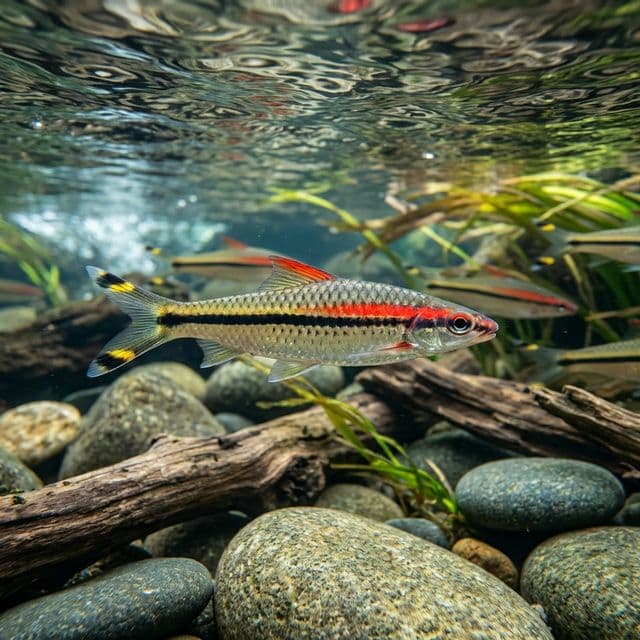
Denison Barb
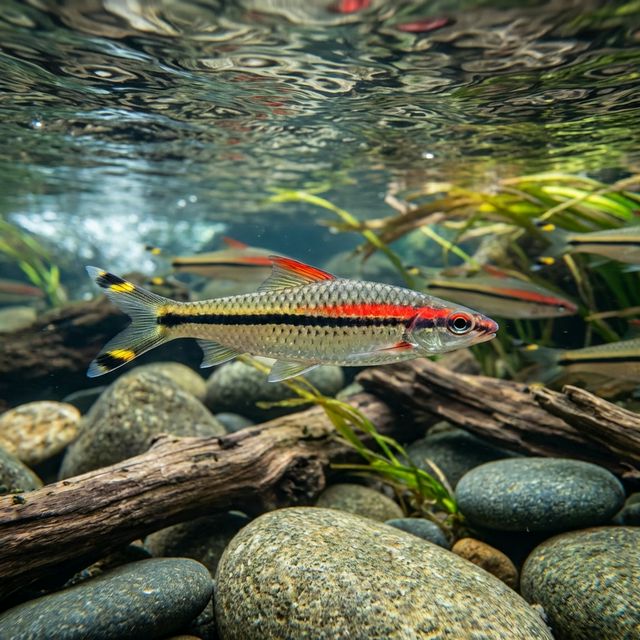
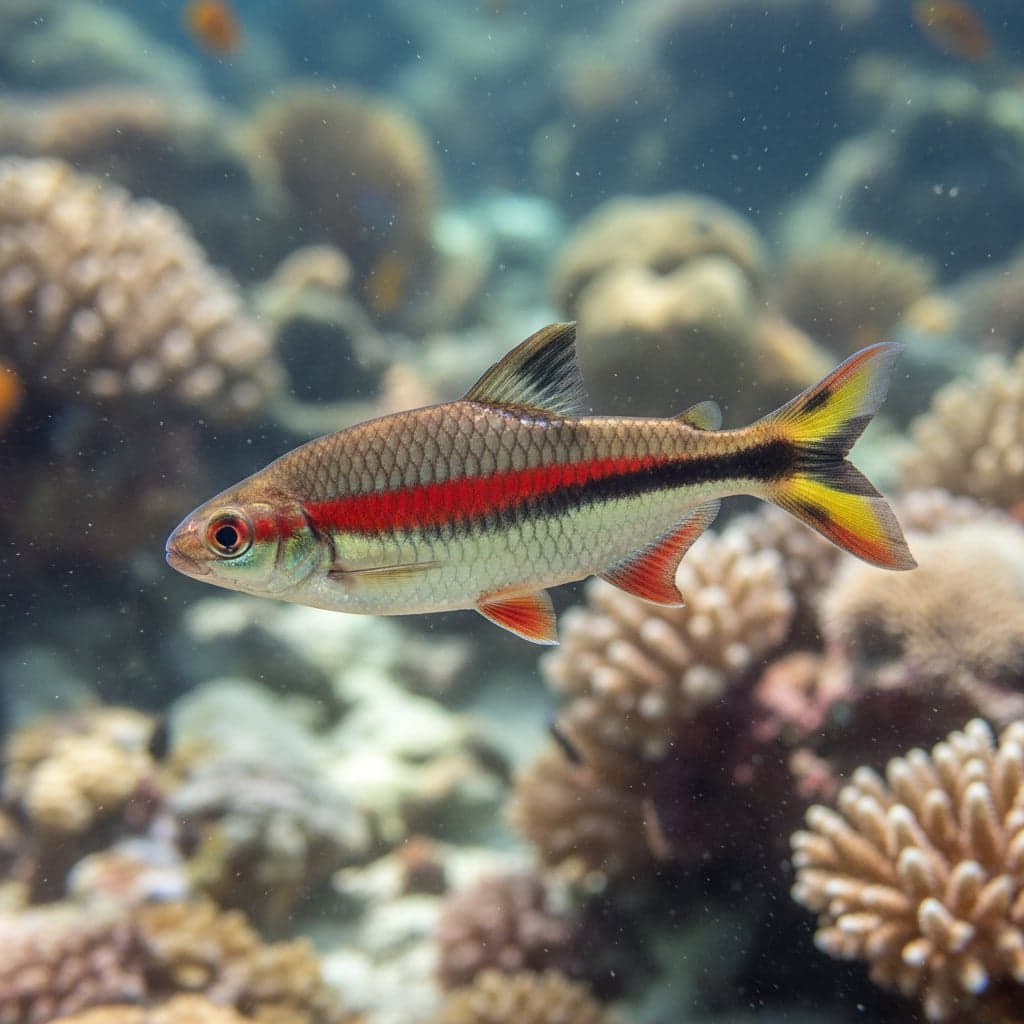
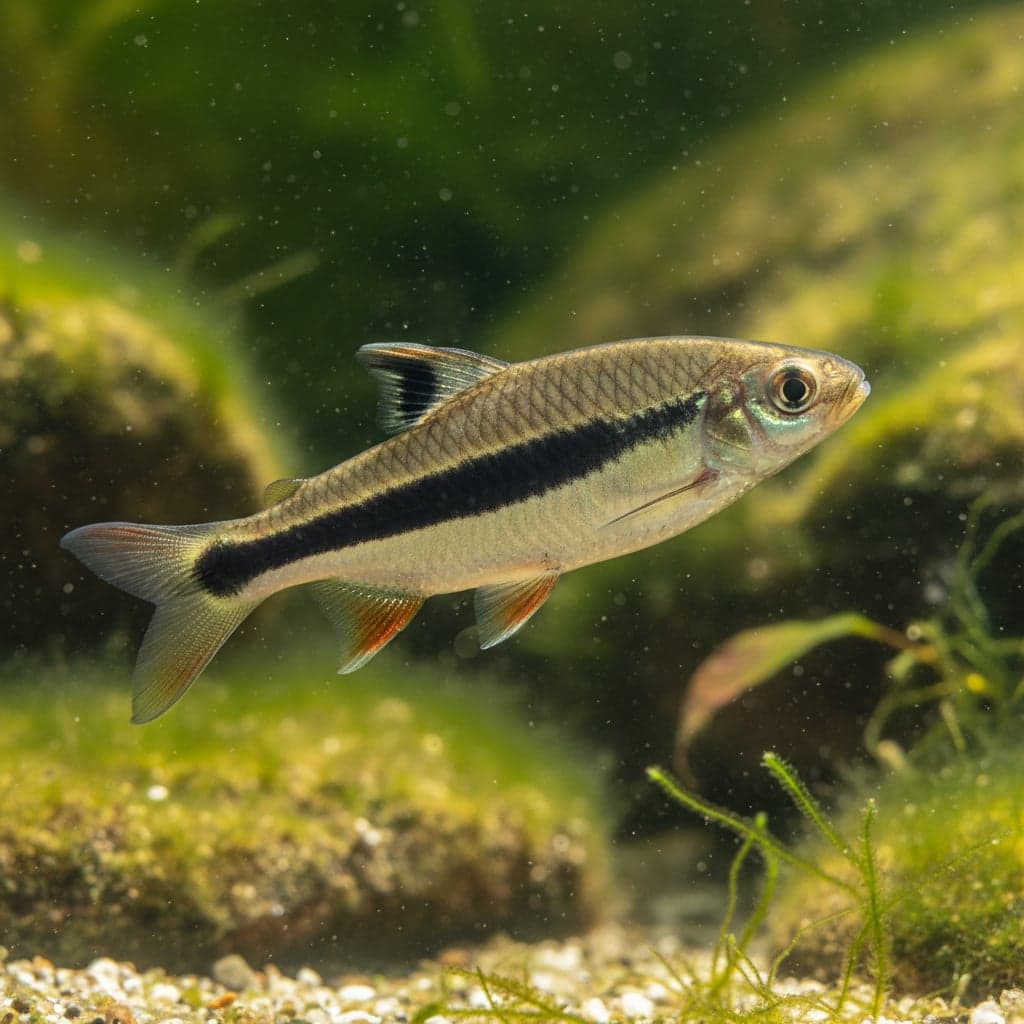
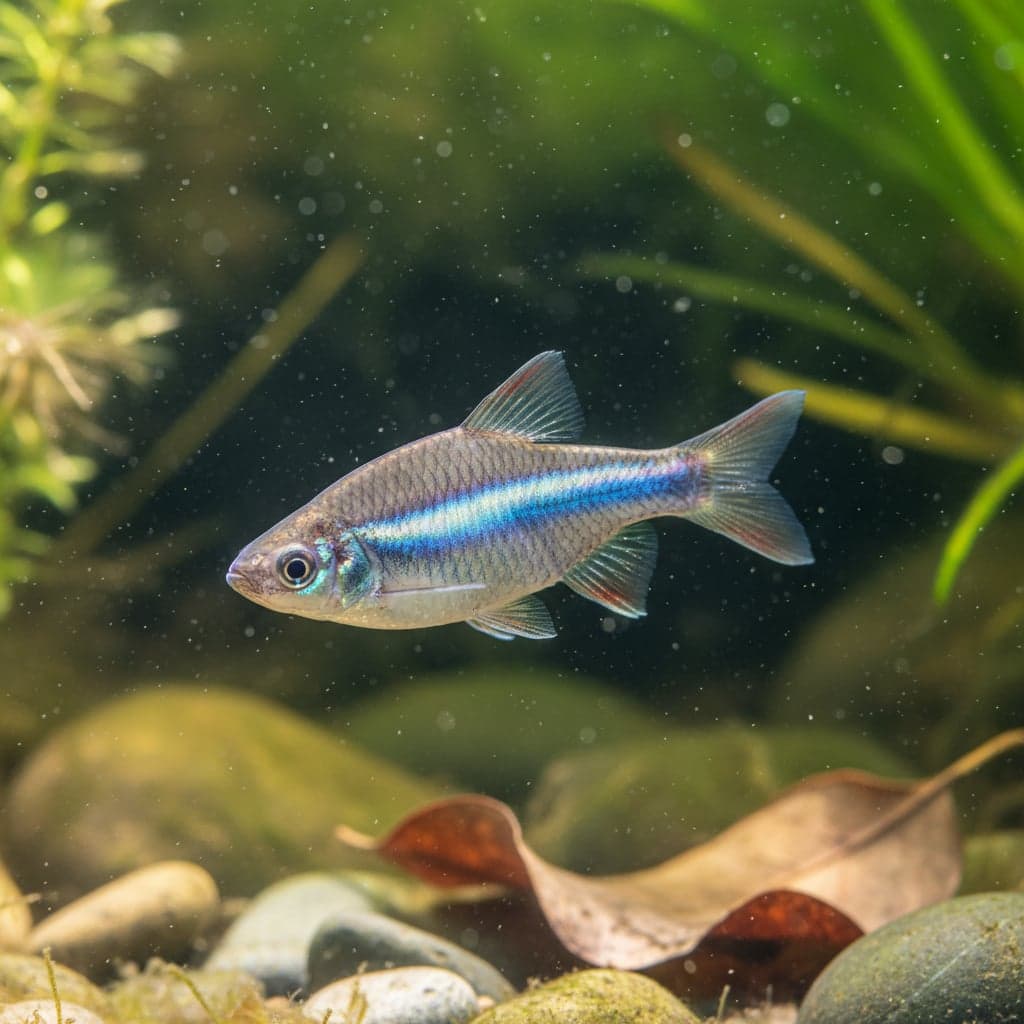
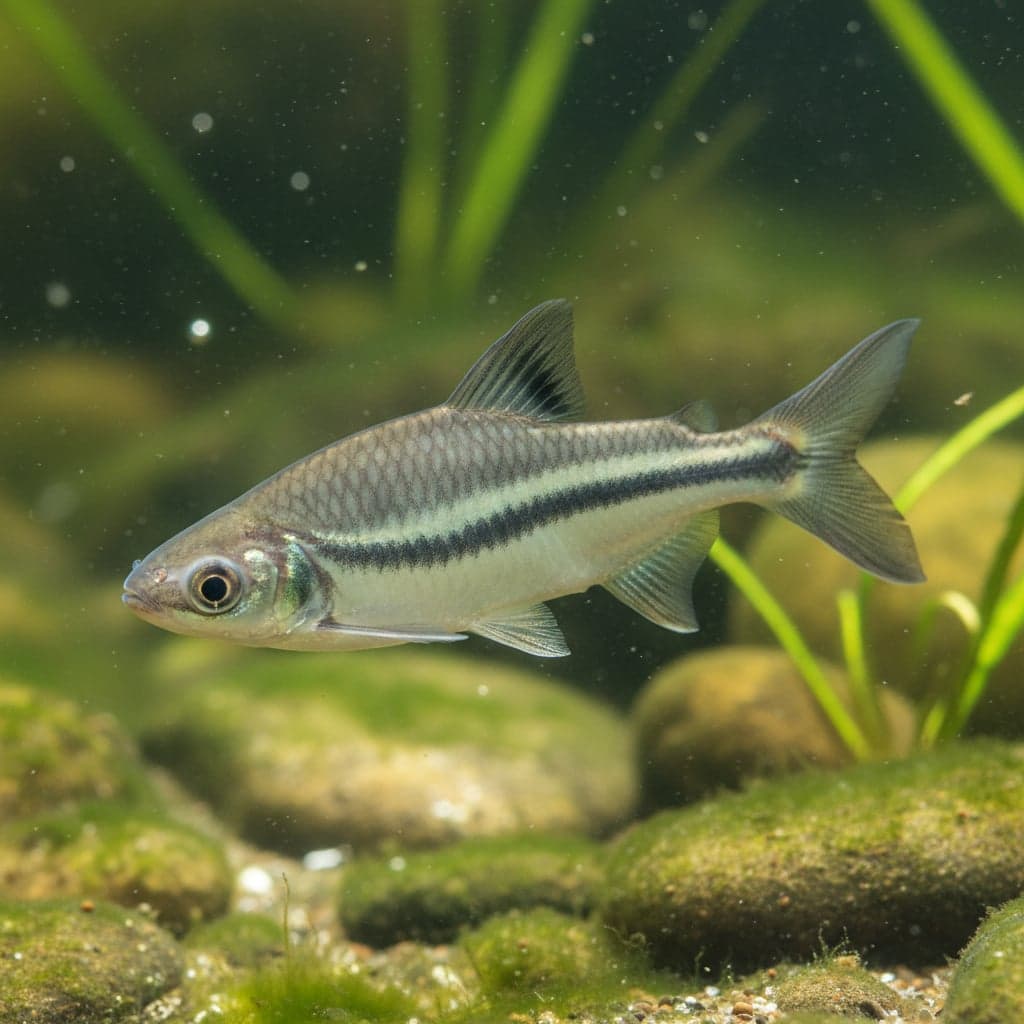
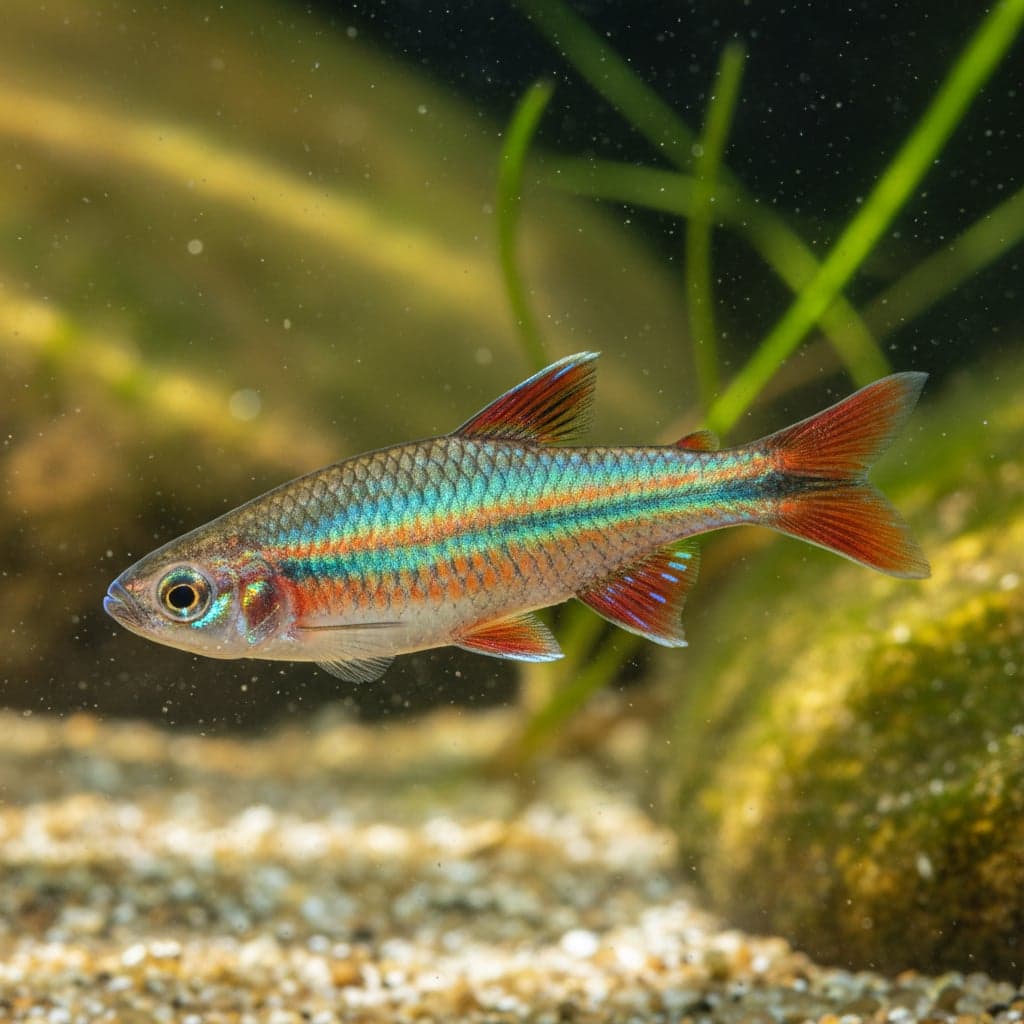
The Denison Barb, also known scientifically as Sahyadria denisonii, is a striking freshwater fish that has captivated aquarium enthusiasts with its vibrant coloration and active swimming behavior. Native to the rivers of India, particularly the Western Ghats, this species exhibits a remarkable combination of rich reds, blues, and silvers, which contribute to its popularity in the aquarium trade. These fish are typically characterized by their elongated bodies adorned with a distinctive horizontal black stripe and shimmering scales, making them not only visually appealing but also a dynamic addition to community tanks. Their lively antics and schooling nature add to the allure, as they dart around aquariums in small groups.
In the aquarium hobby, the Denison Barb holds significance not only for its aesthetic appeal but also for its ecological value and ease of care when provided with the right environment. This fish acts as an ambassador for freshwater biodiversity, reminding aquarists of the importance of preserving natural habitats. It thrives in a well-structured tank setup and can showcase its enchanting colors when kept in conditions that mimic its native ecosystem. This combination of beauty, behavior, and ecological importance establishes the Denison Barb as a must-have species for both novice and experienced aquarists alike.
Natural Habitat & Origin
The Denison Barb hails from the freshwater rivers of the Western Ghats in India, a designated UNESCO World Heritage site known for its rich biodiversity. This region features humid, tropical climates and stable water conditions that greatly influence the characteristics of the Denison Barb’s native habitat. The newtwater streams and rivers where these fish are found typically have clear water, often with moderate to high current flows. The presence of submerged vegetation, rocky substrates, and shade provided by overhanging trees creates a diverse ecosystem that supports their natural existence and contributes to their fascinating coloration.
Environmental conditions in their native habitat include a pH level ranging from 6.5 to 7.5, with water temperatures generally between 22°C to 28°C (72°F to 82°F). These factors, coupled with adequate oxygenation from flowing waters, contribute to the health and well-being of the Denison Barb. The protection of their habitat is crucial as they are currently listed as endangered in the wild due to habitat degradation and pollution, highlighting the importance of responsible aquarium practices.
Care Requirements
When it comes to maintaining Denison Barbs in an aquarium, specific water parameters are essential for optimal health. It is recommended to maintain a pH level between 6.5 and 7.5 and a temperature range of 22°C to 28°C (72°F to 82°F). The hardness of the water should ideally be set between 5 to 15 dGH. As a species that thrives in well-oxygenated environments, aquarists should also consider incorporating a high-quality filtration system to replicate their natural habitat.
The minimum tank size for keeping Denison Barbs is 75 gallons, as they are active swimmers that require ample space to roam and school. Substrate choice can vary, but fine gravel or sand is often recommended to mimic their natural riverbed environment. For tank setup, include plenty of live plants, driftwood, and open swim areas to allow for shelter and free movement. A moderate lighting setup enhances the colors of these barbs while not overwhelming their natural instincts, creating a visually pleasing environment that promotes their natural behaviors.
Diet & Feeding
The Denison Barb is classified as an omnivore, thriving on a varied diet that reflects its natural feeding behavior. In captivity, these fish will readily consume high-quality flakes and pellets designed for community fish, as well as frozen or live foods like brine shrimp, bloodworms, and daphnia. Offering a diverse diet not only ensures their nutritional needs are met but also enhances their vibrant colors and overall health.
To promote optimal growth and coloration, it is advisable to provide small portions 2-3 times a day, ensuring that uneaten food is removed after a few minutes to maintain water quality. Varietal feeding is essential; including green foods such as spirulina or blanched vegetables like zucchini can also be beneficial, contributing to a balanced diet and encouraging natural grazing behaviors that simulate their diet in the wild.
Behavior & Temperament
Denison Barbs are known for their active and sociable nature, making them an exciting species to observe in an aquarium setting. They are schooling fish that thrive best when kept in groups of at least five to six individuals, which will not only reduce stress but also enhance their willingness to display natural behaviors. Their schooling habit is characterized by swift, fluid movements as they navigate the tank, which can sometimes create a dazzling display of colors as sunlight catches their scales.
Despite their playful demeanor, Denison Barbs are peaceful fish, exhibiting low levels of aggression towards one another and other species. They tend to inhabit the middle to upper layers of the aquarium, where they swim freely. It is essential for aquarists to ensure that should any aggressive or territorial fish occupy the same space, they could potentially disrupt this harmonious schooling behavior.
Tank Mates
Selecting compatible tank mates is crucial for maintaining a harmonious aquarium environment. Ideal companions for Denison Barbs include other peaceful shoaling fish such as Tetras, Rasboras, and smaller Gouramis. These species tend to share similar water requirements and social behavior, thus promoting a balanced ecosystem. Avoid pairing Denison Barbs with overly aggressive or large fish that may perceive them as competition or prey, such as Cichlids, larger Catfish, or aggressive Barbs.
It is best to avoid keeping Denison Barbs with fish that are too slow-moving or timid, as their energetic nature might intimidate tank mates that do not share the same level of activity. A balanced community tank that incorporates a variety of species while considering the Denison Barb’s requirements will ensure a thriving fish environment that benefits all inhabitants.
Breeding
Breeding Denison Barbs in captivity can be achieved with some preparation and the right conditions. They are known to spawn at dawn, where females will scatter eggs among the plants or spawning substrates. To encourage breeding behavior, establishing a separate breeding tank equipped with fine-leaved plants such as Java Moss or spawning mops is recommended. This setup provides a safe environment for eggs to adhere without being consumed by adult fish, as Denison Barbs are known to eat their own eggs if left unprotected.
Conditions that promote successful breeding include maintaining slightly cooler water temperatures (around 20°C to 24°C or 68°F to 75°F) and ensuring high water quality with substantial water movement to simulate their natural spawning conditions. Additionally, a healthy diet high in protein should be provided leading up to breeding to enhance the health and readiness of both males and females.
Common Health Issues
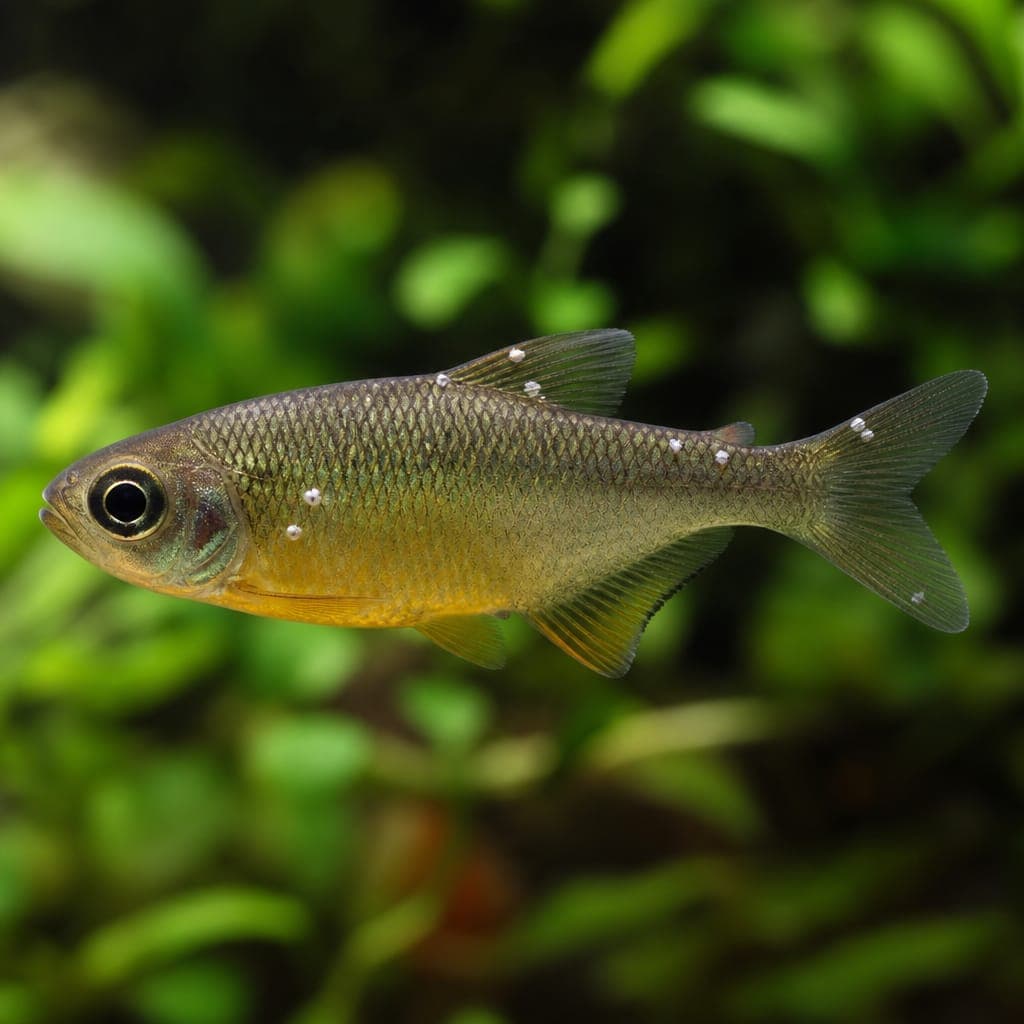
While Denison Barbs are generally hardy fish, they can be prone to certain health issues, particularly if their water conditions are not carefully monitored. Common diseases include Ich (ick), fin rot, and bacterial infections. Maintaining pristine water quality, stable temperature, and proper tank maintenance are vital preventative measures against these ailments.
Regularly observing your fish for any changes in behavior or appearance will facilitate early detection and treatment of health issues. Quarantining any new fish before introduction, along with ensuring that your aquarium is not overstocked, will help reduce stress and illness within the tank. Regular water changes and the use of high-quality filtration equipment further supports a healthy environment for Denison Barbs.