Diamond Barb: Hypsibarbus pierrei
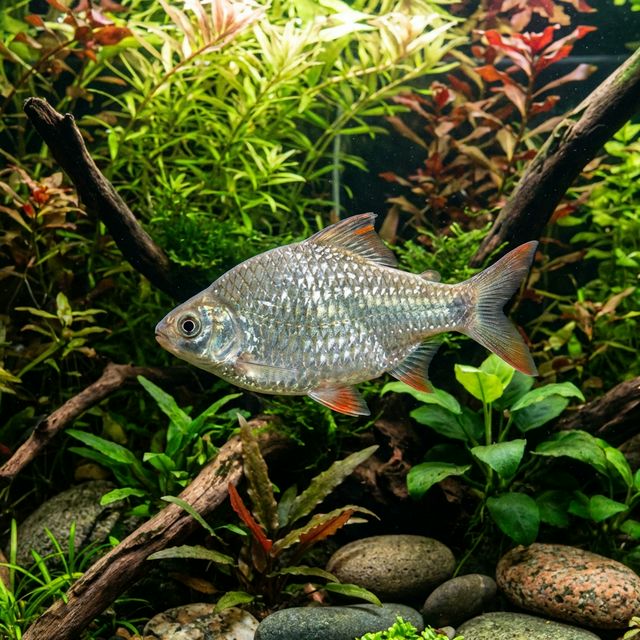
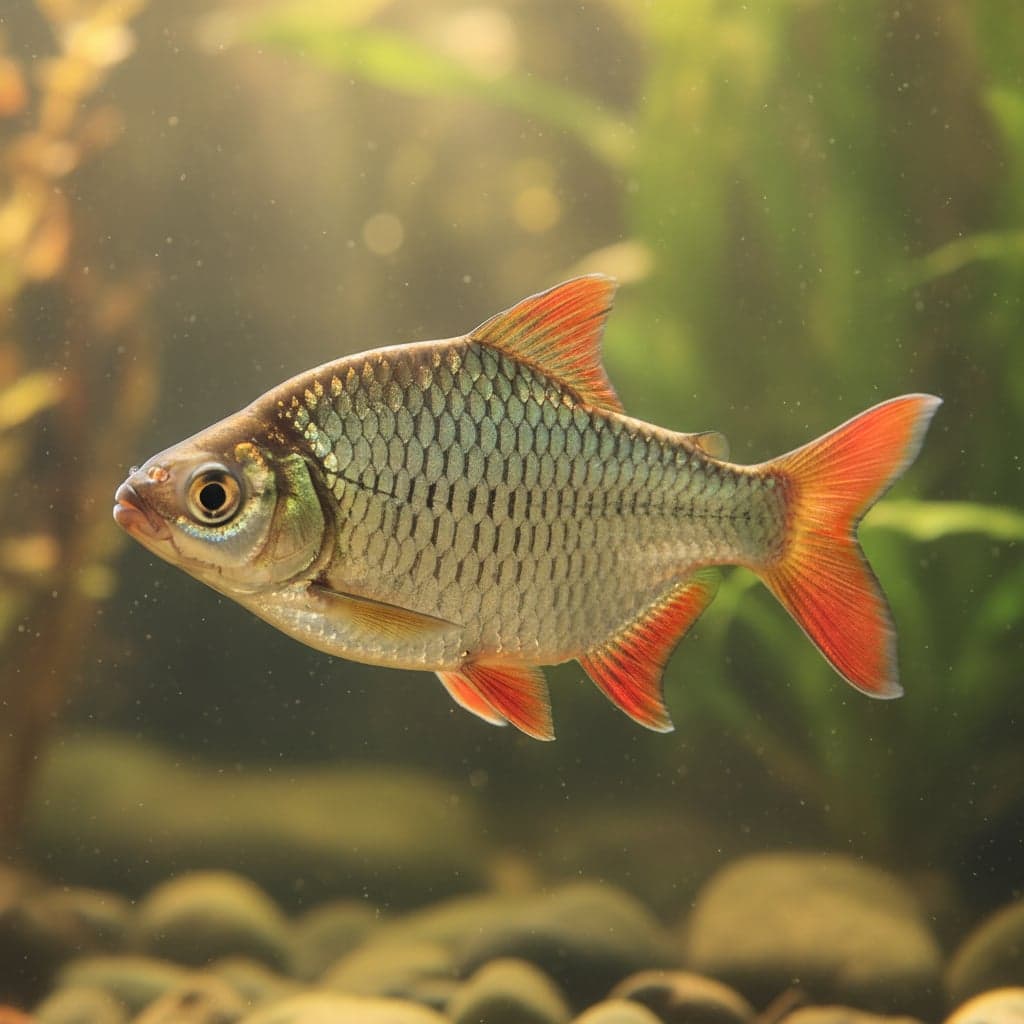
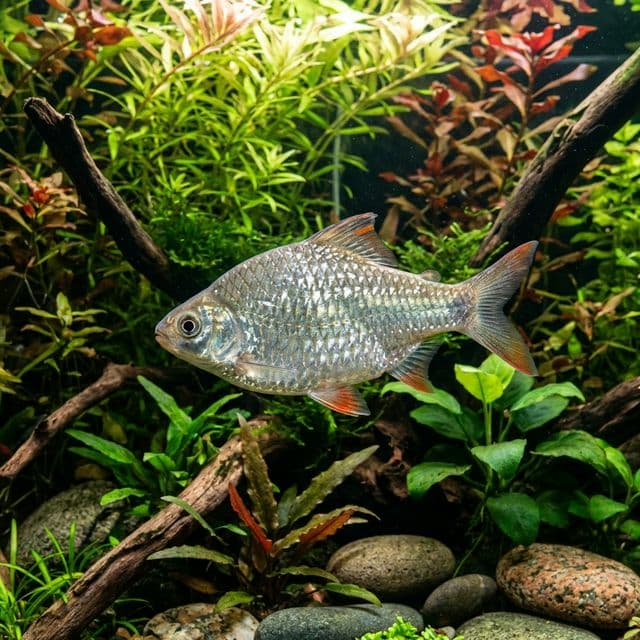
A large, active barb with diamond-shaped scales that shimmer in the light.
Diamond Barb
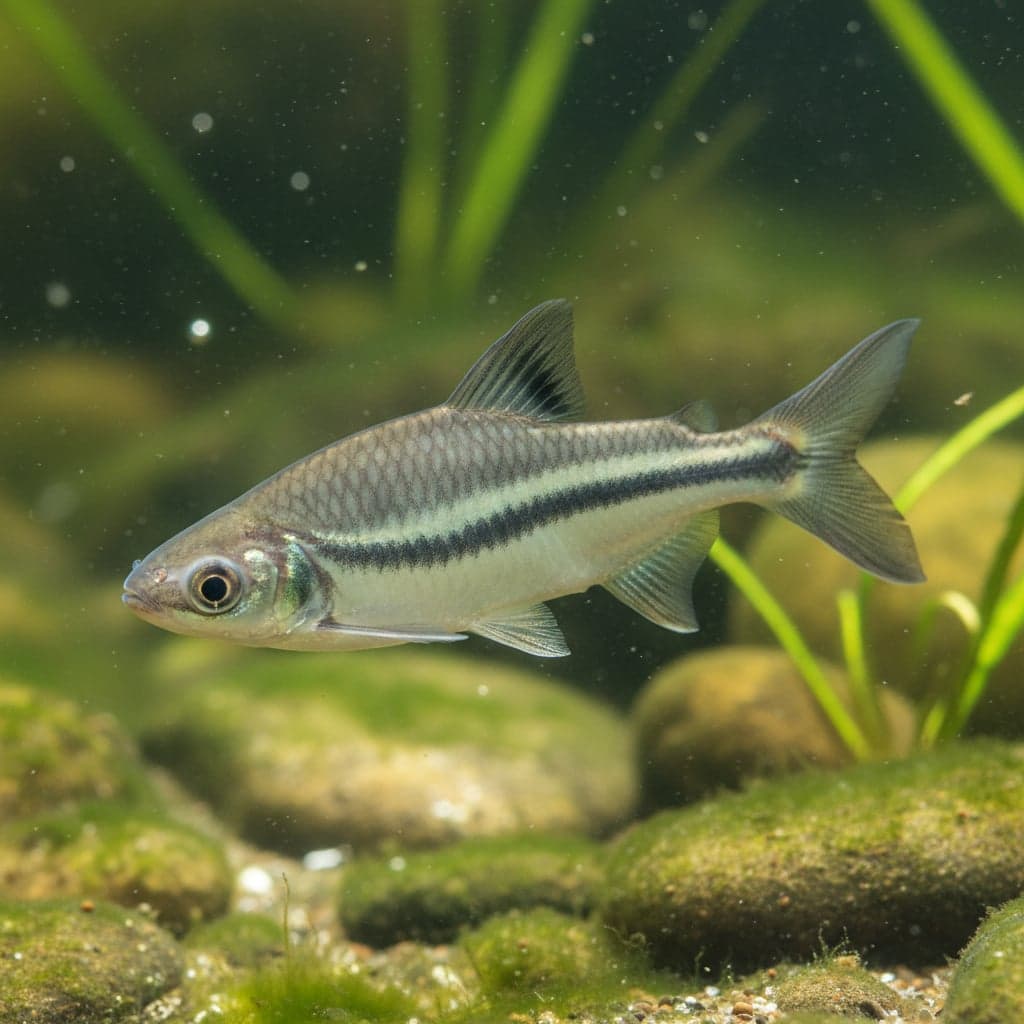
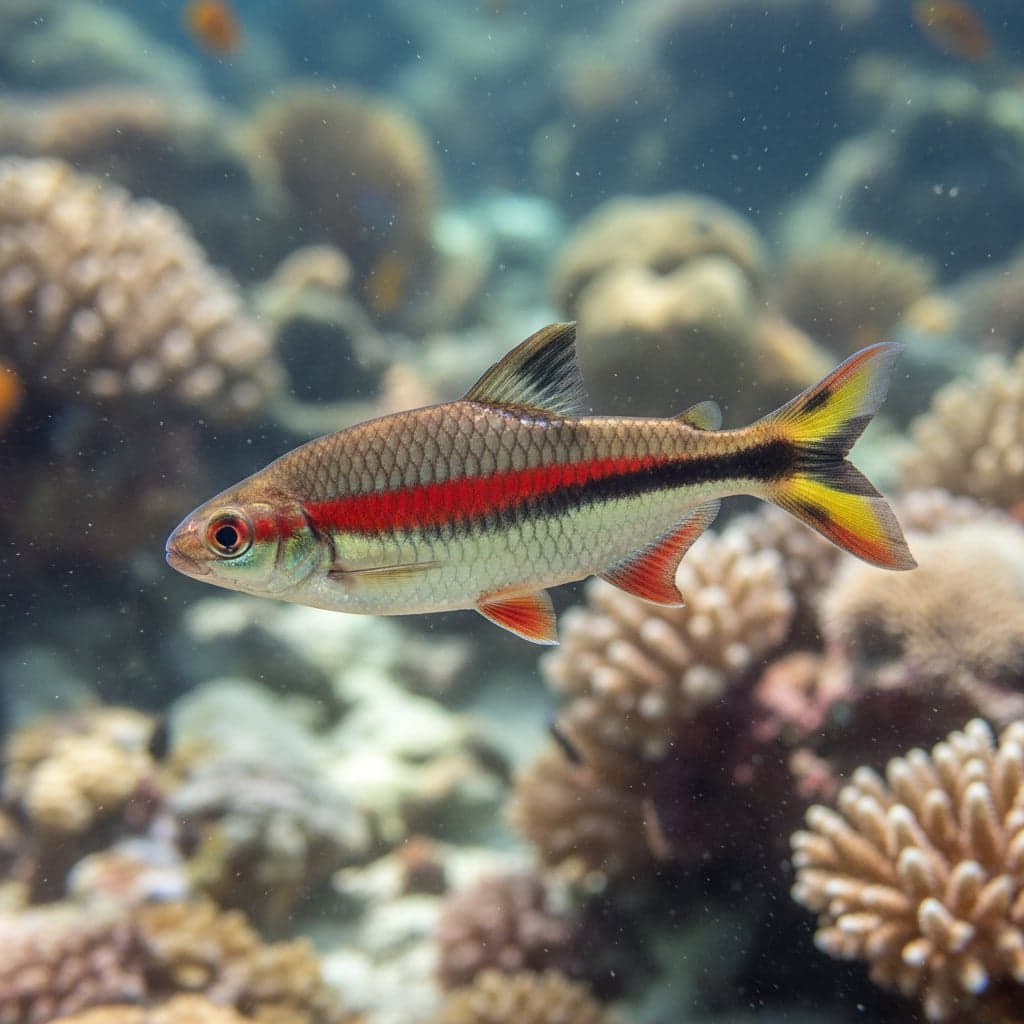
The Diamond Barb, scientifically known as Hypsibarbus pierrei, is a visually stunning freshwater fish native to Southeast Asia. With its striking coloration—a combination of glimmering silver bodies adorned with vibrant yellow and red highlights—the Diamond Barb brings an exceptional aesthetic to any aquarium. Its name reflects its diamond-shaped scales, which shimmer under light, making it a favorite choice among aquarists looking to enhance their aquatic displays. This fish is not only beautiful but also represents a significant part of local ecology in its native habitats, which contributes to its popularity within the aquarium hobby.
In the aquarium trade, the Diamond Barb stands out due to its relatively peaceful nature and compatibility with a range of tank mates. It exhibits an active, playful demeanor, often seen darting around plants and decorations. As a shoaling species, keeping them in groups of six or more enhances their natural behaviors and visual appeal. Consequently, they have earned a reputation for being a delightful addition to both community and planted tanks, making them a staple choice for both novice and experienced aquarists alike.
Natural Habitat & Origin
Diamond Barbs are predominantly found in the rivers and streams of Southeast Asia, particularly in regions of Laos, Cambodia, and Thailand. They inhabit a variety of freshwater environments, typically favoring clear or slightly turbid waters that flow within forested areas. The natural habitats are often characterized by a mix of sandy substrates, submerged roots, and dense vegetation. The water in these regions tends to be soft to moderately hard, with a slightly acidic to neutral pH, usually ranging from 6.0 to 7.5. Understanding their natural habitat is crucial for replicating appropriate conditions in captivity, allowing these fish to thrive and exhibit their natural behaviors.
Care Requirements
To ensure the health and happiness of your Diamond Barbs, it is essential to provide them with suitable water parameters and tank conditions. The optimal water temperature for Diamond Barbs ranges from 24°C to 28°C (75°F to 82°F), with a pH of 6.0 to 7.5 and a hardness of 5 to 15 dGH. A minimum tank size of 75 liters (20 gallons) is recommended for a group of six or more individuals to reduce stress and establish social structures. The substrate should consist of fine sand or small gravel that mimics their natural riverbed environment.
For the tank setup, ensure ample swimming space while incorporating plenty of hiding places using plants, driftwood, and rocks. This will provide the Diamond Barb with a diverse habitat that encourages exploration. Moderate lighting is ideal to simulate their natural conditions, and plants such as Java fern and Cryptocoryne are excellent choices for maintaining a natural aesthetic. Regular water changes and a properly functioning filtration system will help maintain a stable and healthy aquatic environment.
Diet & Feeding
As omnivores, Diamond Barbs thrive on a diverse diet that supports their active metabolism. In captivity, they accept a variety of food sources, including quality flake foods, small pellets, and frozen or live foods such as brine shrimp and daphnia. High-quality flakes or pellets should serve as the staple diet, with supplemental feedings of frozen or live foods to provide essential nutrients. Offering a range of foods not only ensures balanced nutrition but also enhances their coloration and vigor. Regular feeding in small portions, two to three times a day, can lead to optimal health and condition.
Behavior & Temperament
Diamond Barbs are known for their lively and sociable behavior, making them an excellent choice for community tanks. They are schooling fish that prefer being in groups of six or more, which provides them with a sense of security and encourages natural behaviors. In terms of aggression, Diamond Barbs are generally peaceful but may exhibit territorial displays during breeding seasons. They occupy various levels in the aquarium, often found swimming in the mid and upper regions, while occasionally exploring near the substrate. Their energetic nature makes them a joy to observe, as they thrive in well-established environments with adequate swimming space and hiding spots.
Tank Mates
When selecting tank mates for Diamond Barbs, consider their peaceful disposition and social nature. Ideal companions include smaller, non-aggressive species such as Neon Tetras, Corydoras Catfish, Guppies, and Rasboras. They also coexist well with other barbs, livebearers, and smaller cichlids, as long as the tank is spacious enough to accommodate varying swimming patterns. However, avoid pairing Diamond Barbs with overly aggressive or fin-nipping species, such as larger cichlids or aggressive barbs, which could cause stress or injury. Ensuring a balanced community will allow for a harmonious aquarium environment that benefits all inhabitants.
Breeding
Breeding Diamond Barbs in captivity requires attention to specific conditions that mimic their natural spawning environment. To encourage breeding, maintain water temperatures between 24°C to 26°C (75°F to 79°F) and provide a separate breeding tank with gentle filtration. The breeding tank should feature fine-leaved plants or spawning mops, as Diamond Barbs prefer to lay eggs among vegetation. With proper conditioning through a varied diet rich in high-quality protein, both males and females will exhibit vibrant colors and increased activity during breeding.
When the female is ready, she will scatter a few hundred eggs among the plants, which typically hatch within 24 to 36 hours. It is advisable to remove adult Diamond Barbs post-spawning to prevent them from eating the eggs. The fry can be fed infusoria or finely crushed flake food until they reach a suitable size for more substantial food options. Successful breeding and raising of fry require patience and a keen eye for maintaining optimal water quality and feeding routines.
Common Health Issues
Diamond Barbs are generally hardy fish but can be susceptible to a few common health issues if not properly cared for. Some of the diseases they may encounter include ich, fin rot, and various parasitic infections. To prevent these ailments, maintain optimal water conditions through regular tank maintenance, including water changes and filtration. Quarantine new additions to the tank to reduce the risk of introducing pathogens, and monitor the overall health of the fish regularly. A well-balanced diet will bolster their immune systems, helping them resist common diseases and ensuring a vibrant, lively aquarium.