Double Orange Spot Torpedo Rasbora: Pectenocypris korthausae
A slender, torpedo-shaped nano fish with two orange spots. Rare in the hobby.
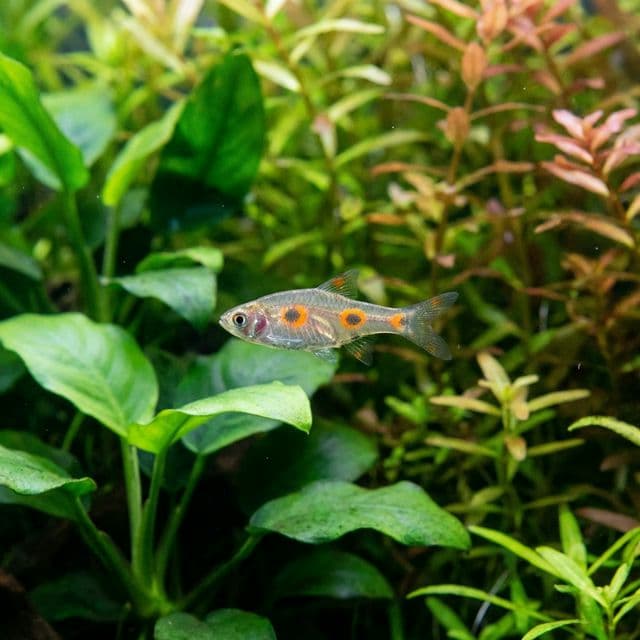
Double Orange Spot Torpedo Rasbora
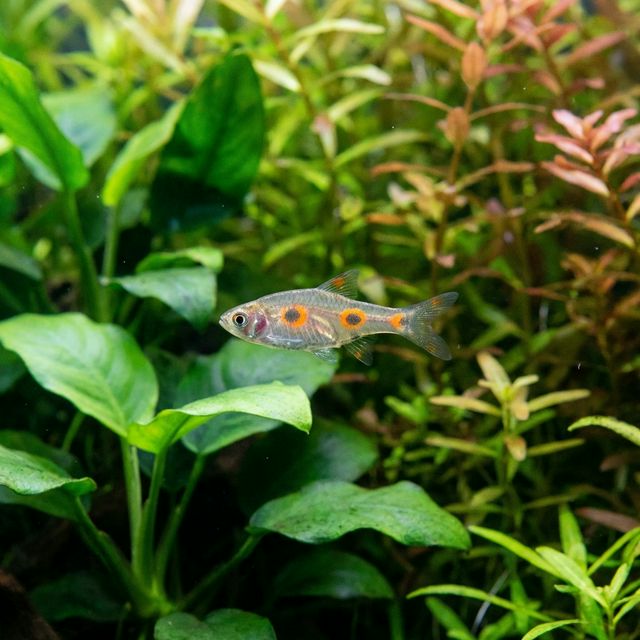
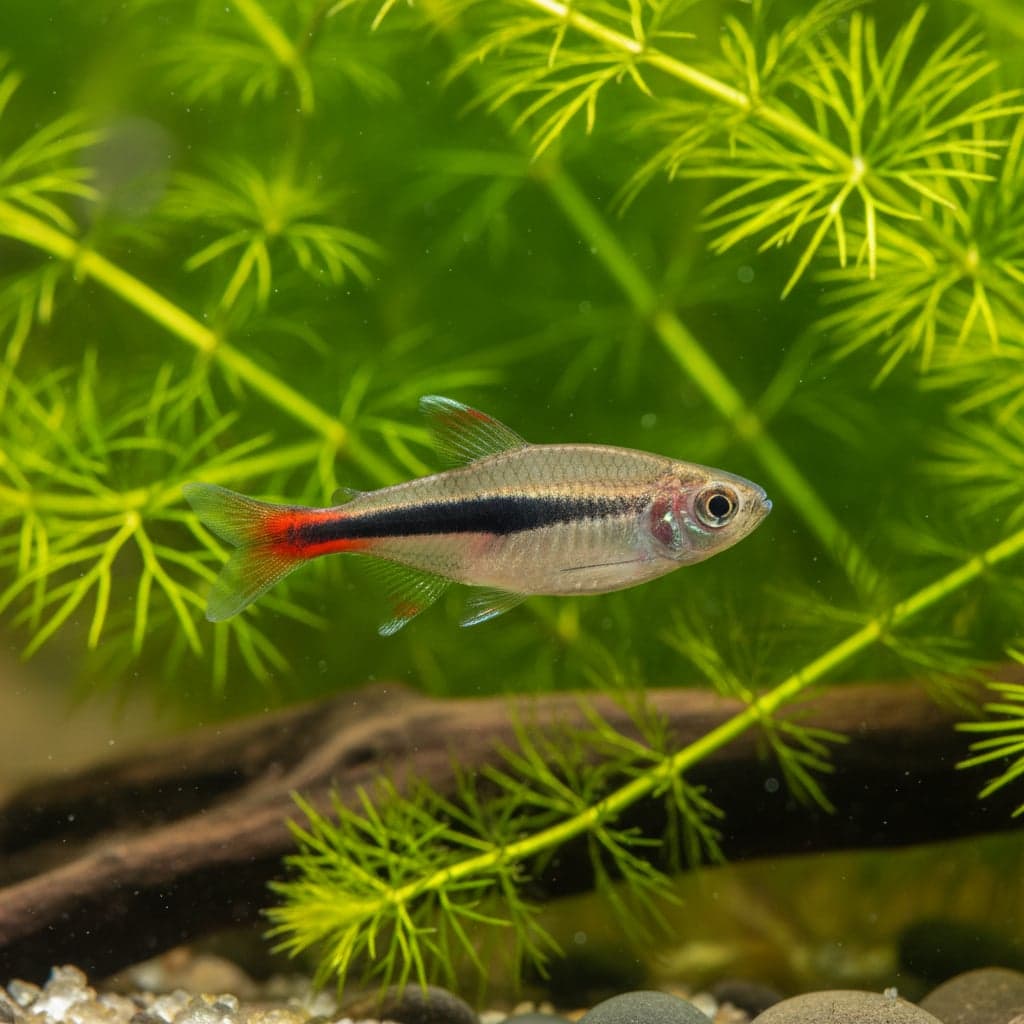
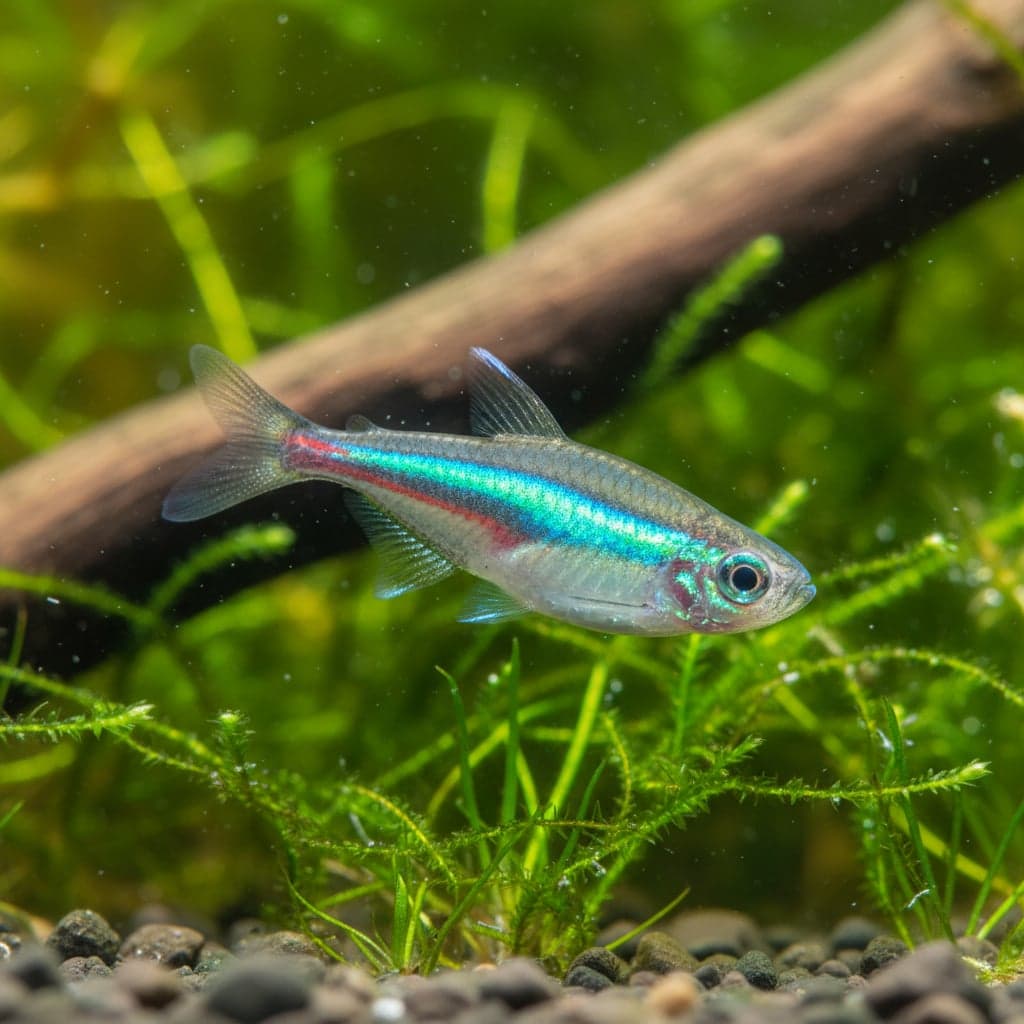
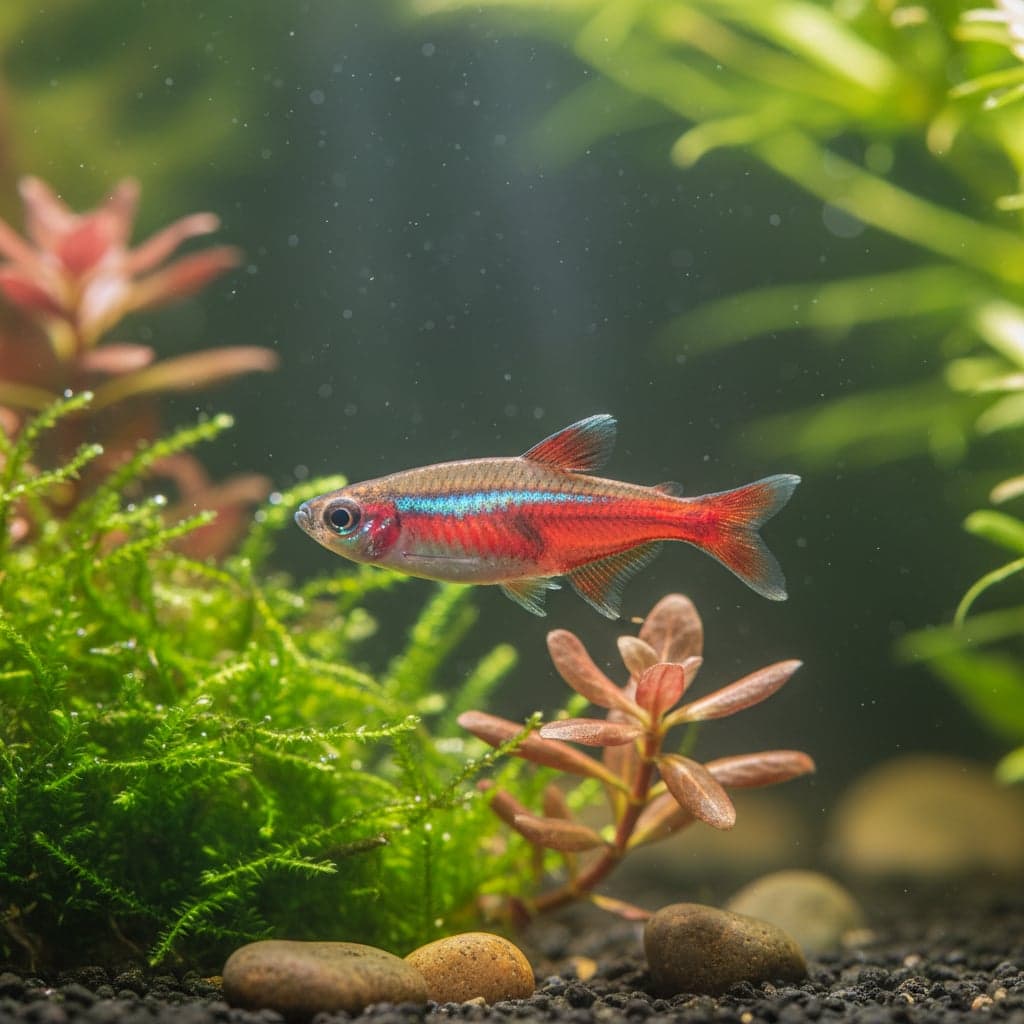
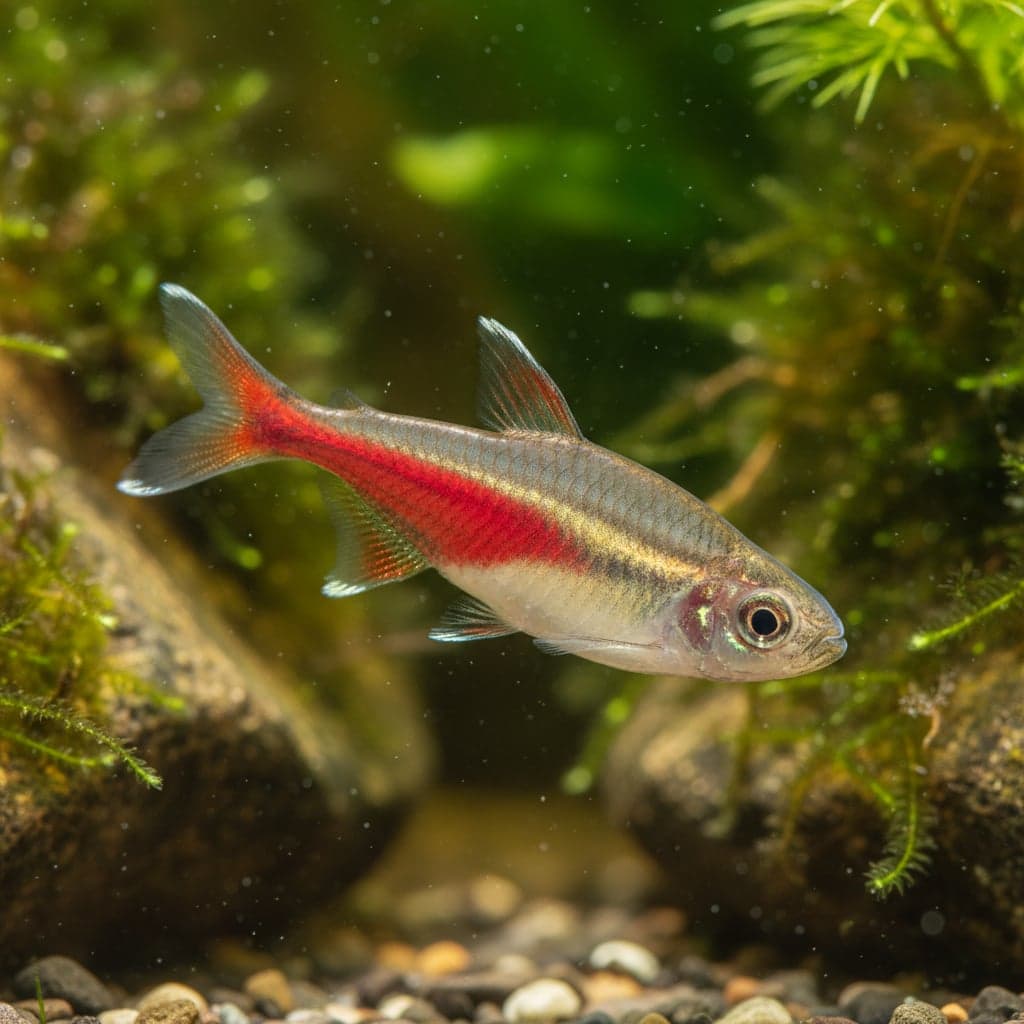
The Double Orange Spot Torpedo Rasbora, scientifically known as Pectenocypris korthausae, is a captivating freshwater fish that has gained immense popularity among aquarists due to its striking appearance and unique swimming style. This small-bodied fish is characterized by its vibrant orange spots that dot its torpedo-shaped body, providing a magnificent contrast against its modulated olive-green or brownish base color. Adult specimens typically reach about 1.6 inches (4 cm) in length and display a characteristic slender shape that allows them to dart gracefully through the water. The appeal of the Double Orange Spot Torpedo Rasbora is enhanced by its peaceful demeanor and active swimming patterns, making it a delightful addition to any community tank setup.
In the aquarium hobby, the Double Orange Spot Torpedo Rasbora is valued not only for its aesthetic charm but also for its contribution to a harmonious community tank environment. Their calm behavior and schooling nature encourage a lively yet serene aquatic display. As a species that thrives when kept in groups, they exhibit stunning shoaling patterns that are mesmerizing to observe. This makes them an excellent choice for novice and experienced aquarists alike, adding a dynamic element to planted and biotope-themed setups.
Natural Habitat & Origin
The Double Orange Spot Torpedo Rasbora is native to the freshwater streams and rivers of Southeast Asia, particularly located within the boundaries of Borneo, Indonesia. Here, they thrive in slow-moving waters characterized by very soft, acidic conditions, a feature that many aquarists strive to replicate. The natural habitat typically includes peat swamps and forested streams where the water is stained with tannins from decaying leaf litter and organic matter, resulting in a darkwater environment. These conditions nurture a diverse ecosystem where the Double Orange Spot Torpedo Rasbora demonstrates its natural behaviors and adaptations.
In their wild environment, these fish are often found amidst dense plant cover and submerged root structures, which provide refuge from predators and facilitate breeding behaviors. The combination of densely vegetated areas and dim lighting is crucial for their natural comfort and stress management, making it essential for hobbyists to recreate these elements in captivity to ensure the overall health of the fish.
Care Requirements
To successfully keep the Double Orange Spot Torpedo Rasbora, specific care requirements must be met. Optimal water parameters include a pH range of 5.5 to 7.0, a temperature between 75°F to 82°F (24°C to 28°C), and water hardness levels of 1 to 10 dGH. Achieving these conditions is crucial for replicating their natural habitat and ensuring their well-being.
In terms of tank setup, a minimum tank size of 20 gallons is recommended to provide ample swimming space for a small school of at least six individuals. The substrate should consist of fine sand or dark gravel to mimic their natural environment, while the addition of various live plants like Java moss, Anubias, and floating plants will help create cover and enhance the aesthetic of the aquarium. Dim lighting is also suggested to facilitate the fish's comfort and help them exhibit their beautiful colors.
Diet & Feeding
The Double Orange Spot Torpedo Rasbora is classified as an omnivore, with a diet primarily comprising small insects, crustaceans, and plant matter in their natural habitat. In an aquarium setting, it’s crucial to offer a varied diet to ensure their health and vibrancy. High-quality flake foods, micro-pellets, and frozen foods such as daphnia, brine shrimp, and bloodworms are excellent nutritional options. Additionally, supplementing their diet with live foods can enhance their color and overall vitality. It is recommended to feed them small amounts 2-3 times a day, ensuring that uneaten food is removed to maintain water quality.
Behavior & Temperament
The Double Orange Spot Torpedo Rasbora is characterized by its peaceful and social behavior, thriving in small schools of six or more individuals. These fish exhibit fascinating schooling dynamics, often darting and looping together in a synchronized manner. Their non-aggressive nature makes them suitable for community tanks, where they can coexist with other similar-sized species. They prefer to occupy the mid to upper levels of the aquarium but will occasionally venture into lower regions, especially when foraging for food.
Maintaining a stable, stress-free environment is essential for their mental well-being, as sudden changes in water parameters or tank conditions can lead to stress and health issues.
Tank Mates
When selecting tank mates for the Double Orange Spot Torpedo Rasbora, it is important to consider other peaceful species that share similar water parameter needs. Suitable companions include small tetras (such as Neon Tetras and Ember Tetras), rasboras, small corydoras catfish, and peaceful guppies.
Species to avoid include larger or more aggressive fish such as cichlids, barbs, or fish known for fin-nipping traits, as these can stress or harm the Double Orange Spot Torpedo Rasbora. Choosing peaceful, non-territorial fish will enhance the chances of maintaining a harmonious community aquarium.
Breeding
Breeding the Double Orange Spot Torpedo Rasbora in captivity can be a rewarding experience though it requires specific conditions. Successful spawning typically occurs in soft, slightly acidic water with a pH of around 6.0 and a temperature between 78°F and 80°F (26°C to 27°C).
For breeding, it’s advisable to set up a dedicated breeding tank equipped with a spawning mop or fine-leaved plants where eggs can be deposited. After a short courtship display, the females will scatter their eggs among the plants or mop, and it's important to separate the adults after spawning, as they may consume the eggs. The eggs will typically hatch within 24 to 36 hours, and the fry should be fed infusoria or finely crushed flakes until they grow large enough for more substantial food.
Common Health Issues
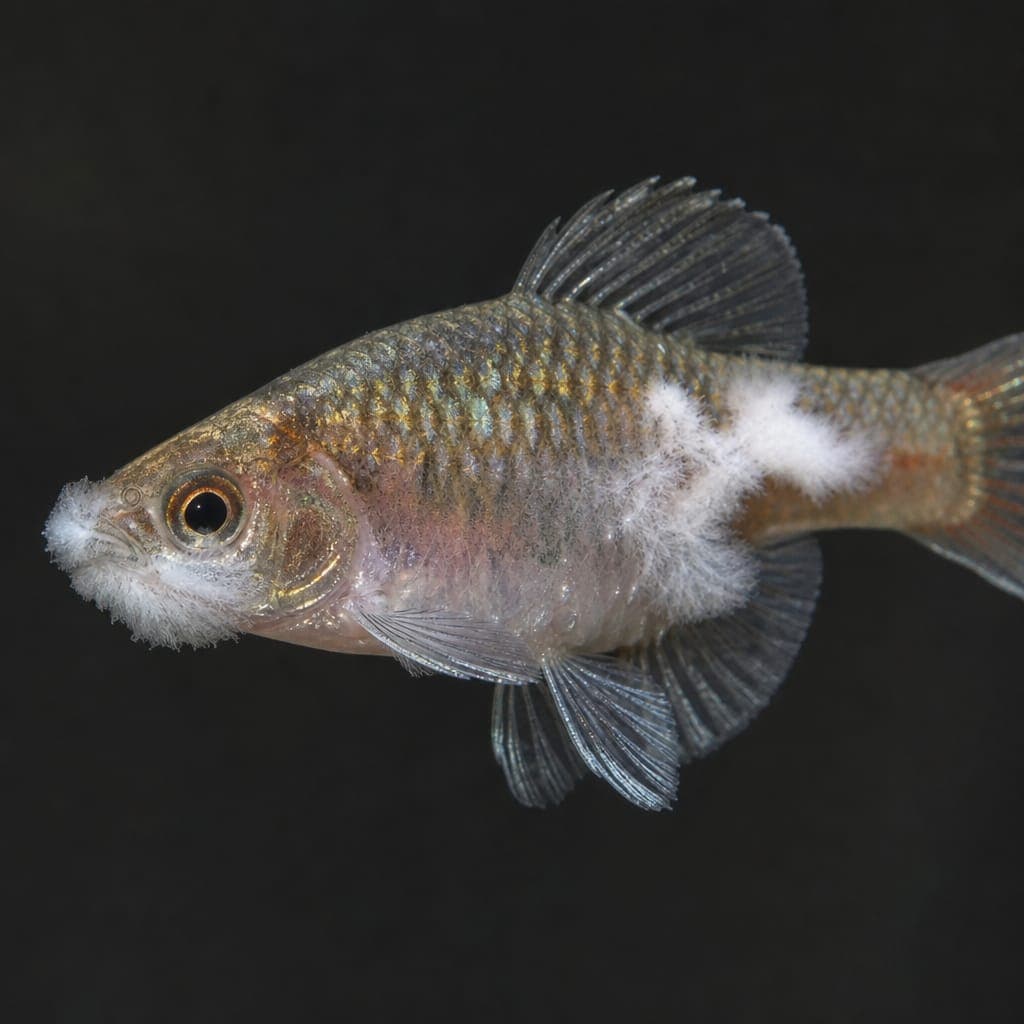
The Double Orange Spot Torpedo Rasbora is generally a hardy species; however, they can be susceptible to specific health issues. Common diseases include ich (white spot disease), fungal infections, and fin rot, often exacerbated by poor water quality or stress.
Prevention is key; ensuring consistent water quality through regular maintenance, monitoring parameters, and performing frequent water changes will minimize the risk of health issues. Keeping the aquarium clean, avoiding overcrowding, and avoiding sudden changes in water chemistry will also support the overall health of these esteemed fish. Regular observation of your fish will enable early detection of any health problems, ensuring timely intervention and care.