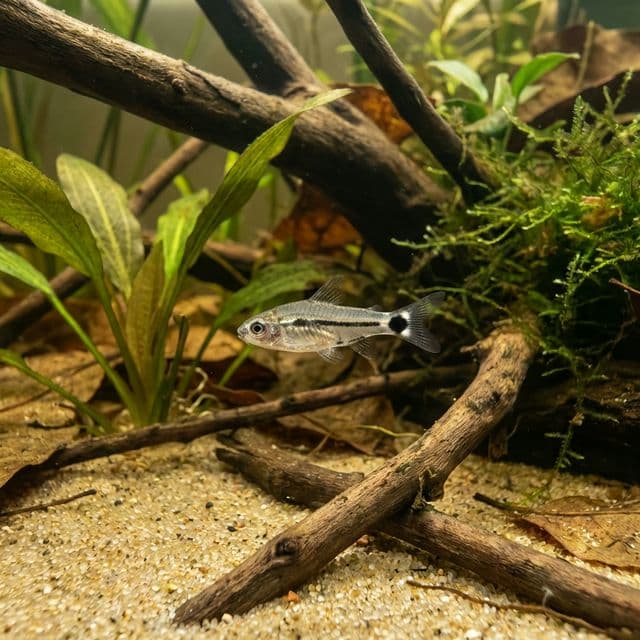
Draped Fin Barb: Oreichthys crenuchoides
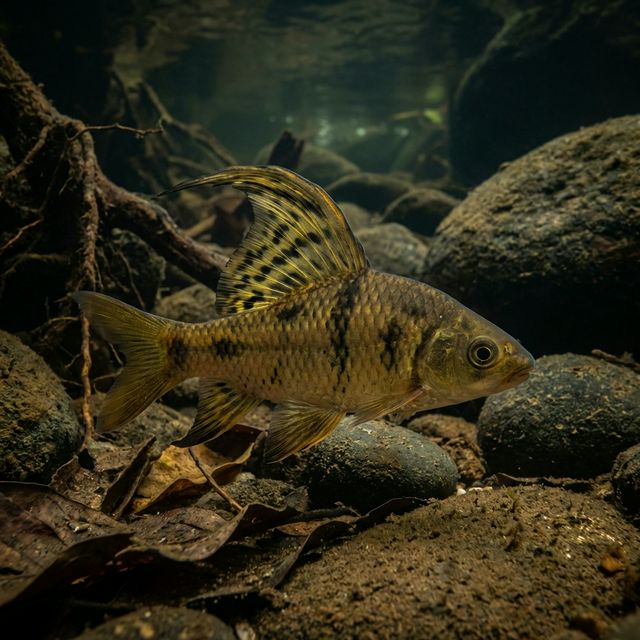
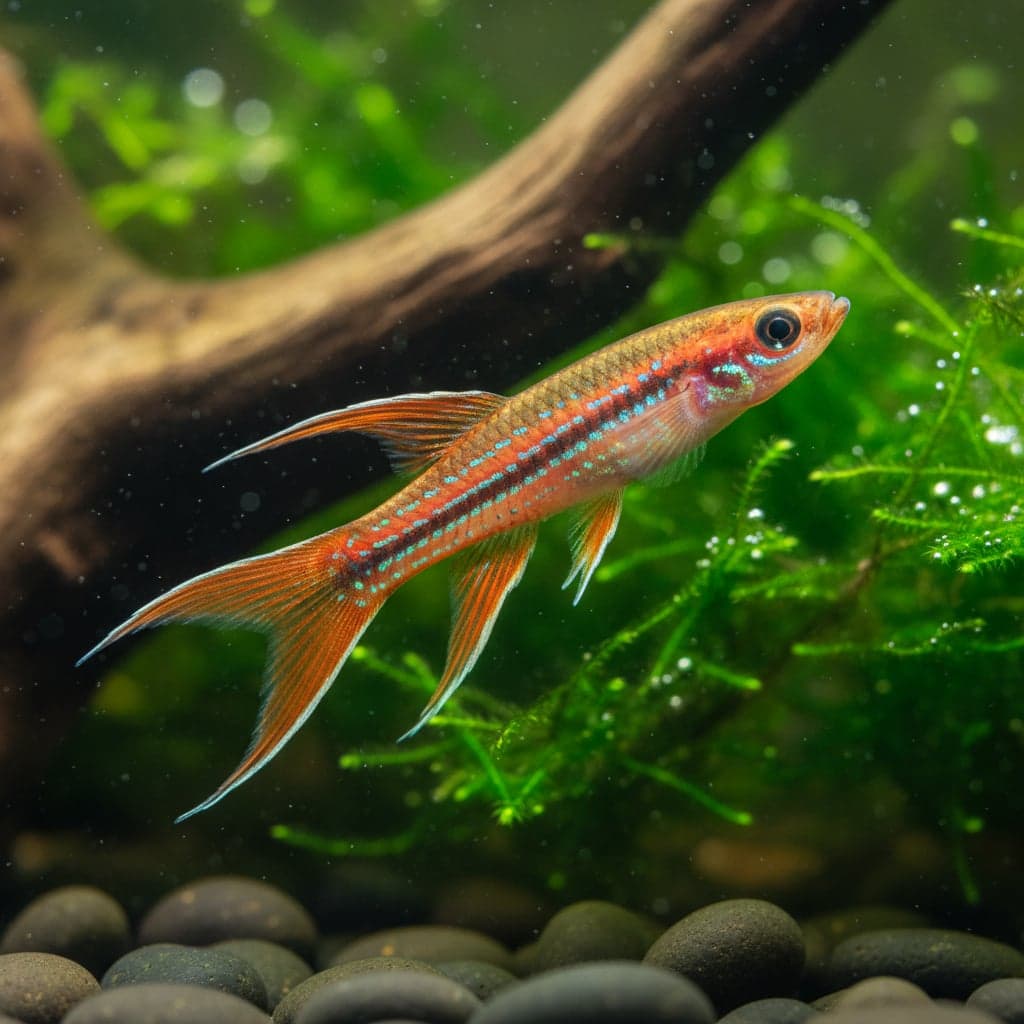
Males have a stunning, elongated dorsal fin. A rare and underappreciated nano fish.
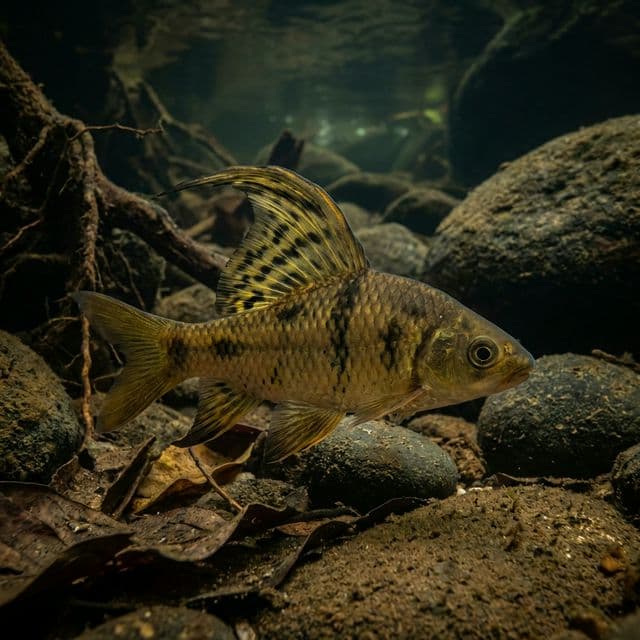
Draped Fin Barb
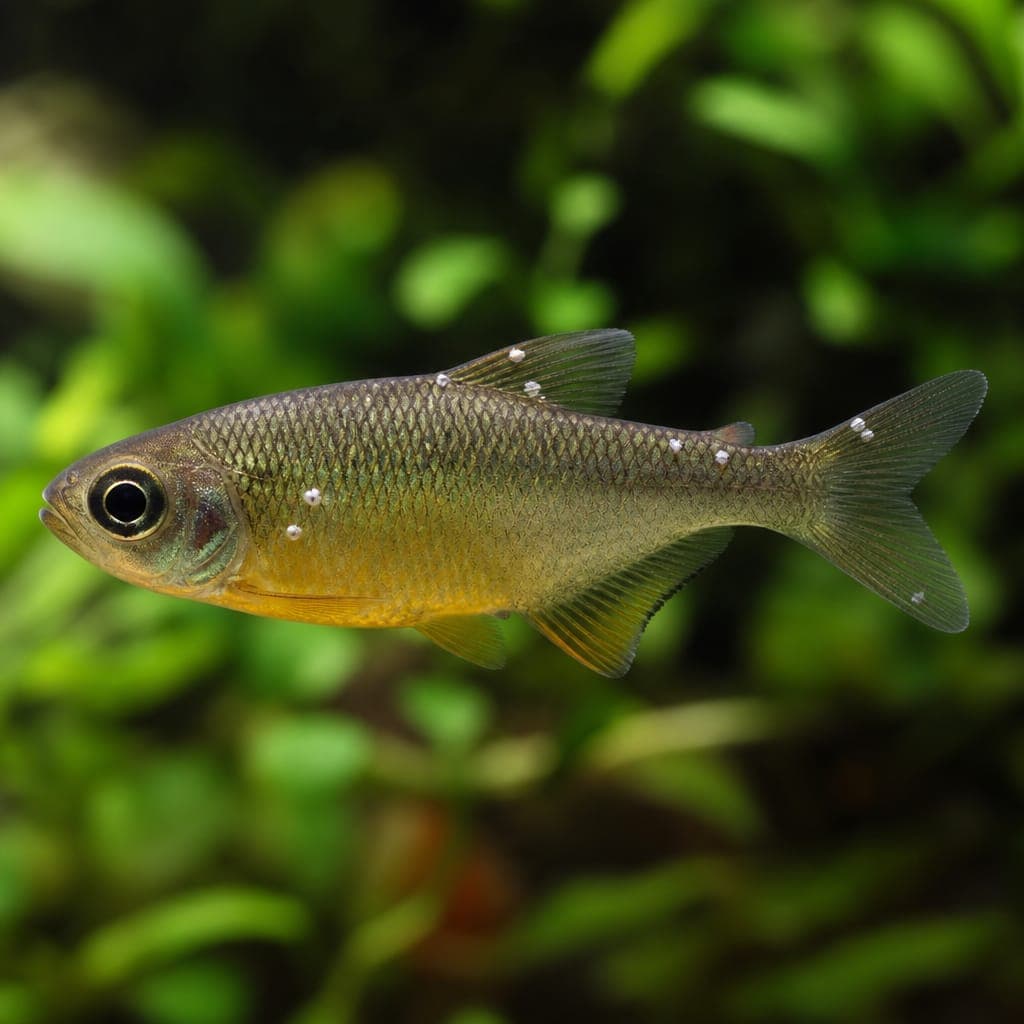
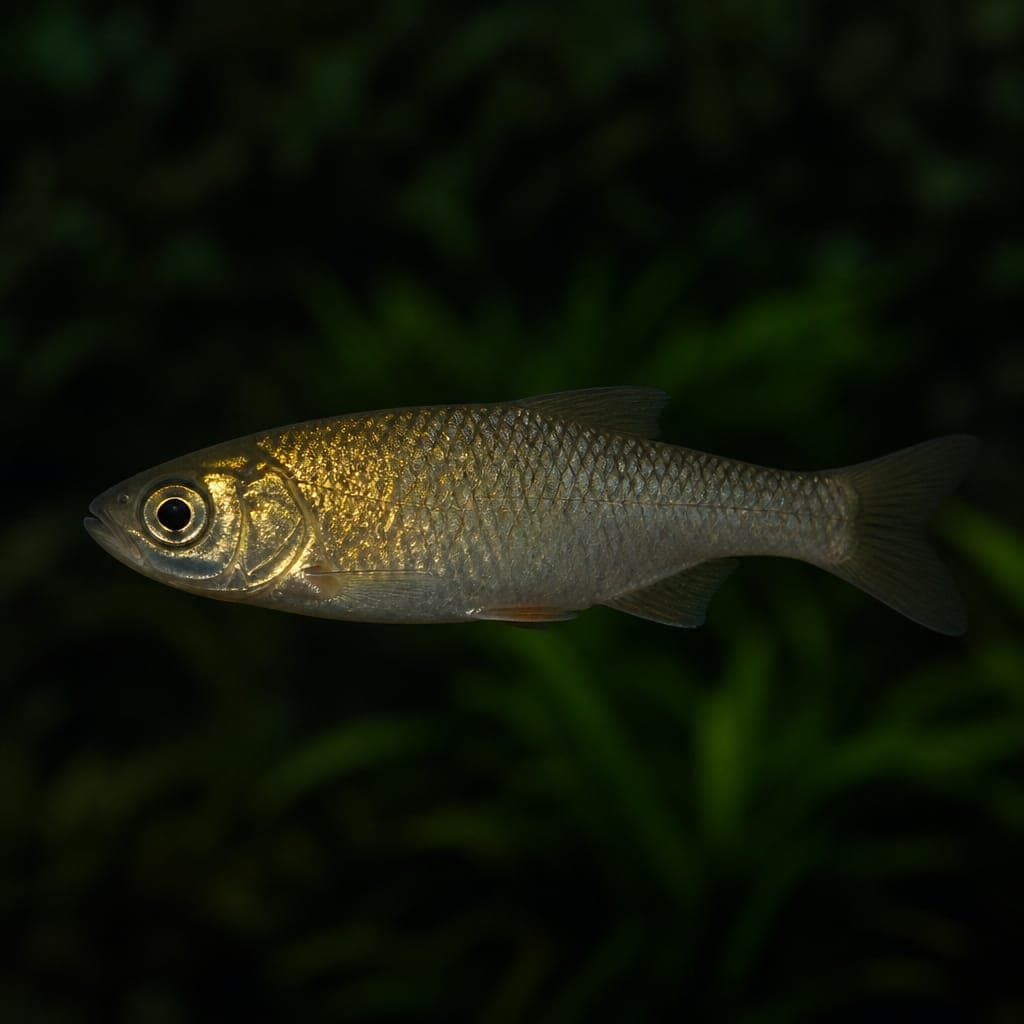
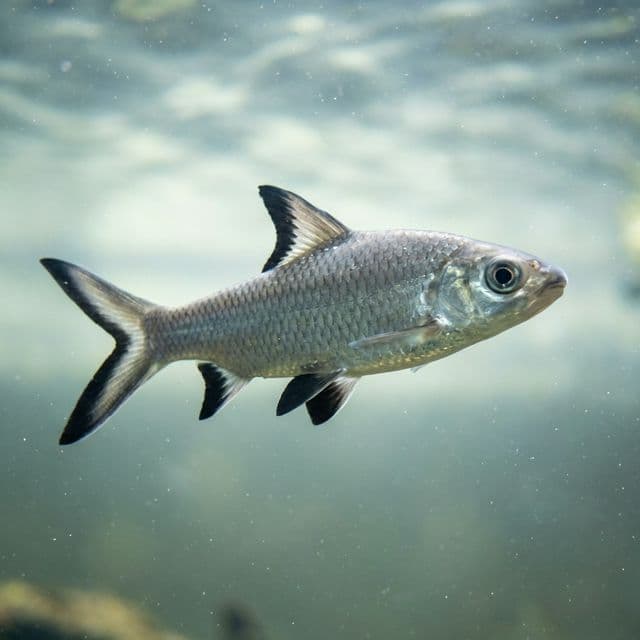
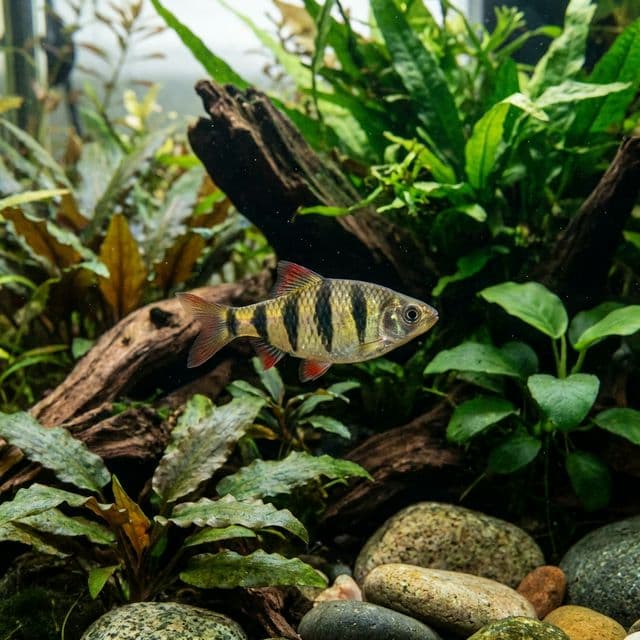
The Draped Fin Barb, scientifically known as Oreichthys crenuchoides, is a captivating freshwater fish native to Southeast Asia, particularly found in the waterways of Thailand and Myanmar. Known for its eye-catching appearance, this small barb features elongated fins that gracefully sweep through the water, resembling delicate drapes, hence the name. The body is often adorned with attractive colors, ranging from shades of gold and silver to subtle hints of green, making it a popular choice among aquarium enthusiasts. The Draped Fin Barb not only offers visual appeal but also plays a significant role in the biodiversity of the aquatic ecosystems it inhabits.
In the aquarium hobby, the Draped Fin Barb is celebrated for its interactive nature and lively demeanor. While they may be diminutive in size, their spirited behavior and peaceful temperament allow them to thrive in community tanks. These fish are known to engage in fascinating social interactions and often display intriguing courtship behaviors, which adds further value to their role in home aquariums. Their adaptability and ease of care also contribute to their popularity, making them a preferred species for both novice and seasoned aquarists alike.
Natural Habitat & Origin
The Draped Fin Barb is indigenous to the freshwater streams and rivers of Southeast Asia. Specifically, it is predominantly found in the rivers of Thailand, Myanmar, and parts of Malaysia. These fish thrive in slow-moving waters rich in detritus and organic matter, typically characterized as clear or slightly stained (blackwater) environments. The natural habitat often features dense vegetation, submerged roots, and leaf litter, creating a complex ecosystem that provides ample hiding spots and foraging opportunities.
In their native waters, Draped Fin Barbs are often found in schools, where they can utilize the cover provided by aquatic plants to evade predators. The chemical composition of their environment typically involves soft, slightly acidic to neutral water with a pH of around 6.0 to 7.5. As such, they have adapted to these specific parameters, which play a vital role in their overall health and wellbeing.
Care Requirements
To ensure that Draped Fin Barbs thrive in an aquarium setting, certain water parameters should be closely monitored. Ideally, the tank should maintain a temperature range of 24°C to 27°C (75°F to 81°F) and a pH level between 6.0 and 7.5. Additionally, water hardness should remain relatively low, ideally between 5 to 15 dGH.
For optimal tank setup, a minimum aquarium size of 20 gallons is recommended to accommodate a small school of these fish, generally consisting of six or more for social interaction. A sandy or fine gravel substrate mimics their natural environment, while the inclusion of live plants, driftwood, and rocks provides essential hiding places and encourages natural behaviors. Moderate lighting is preferred to replicate their native conditions, helping to foster a more natural and comfortable habitat.
Diet & Feeding
The Draped Fin Barb is an omnivorous species that enjoys a balanced diet to support its active lifestyle. In captivity, they thrive on high-quality flakes and pellets, which should form the basis of their diet. Additionally, incorporating frozen or live foods such as brine shrimp, daphnia, and bloodworms can provide essential nutrients and stimulate their natural foraging instincts. Offering a variety of foods will not only enhance their colors but also promote overall health and vitality.
Feeding should occur two to three times daily, with small portions to prevent overfeeding and maintain water quality. Observing their eating habits can help aquarists ensure that all individuals in the tank are receiving adequate nutrition, as some may initially be shy around more dominant tank mates.
Behavior & Temperament
Draped Fin Barbs are characterized by their peaceful demeanor and active disposition. They are social fish that thrive in groups, exhibiting schooling behavior that provides both safety and stimulation. When kept in schools of six or more, they display more natural behaviors, including nuanced social interactions and playfulness.
In terms of their vertical placement, Draped Fin Barbs are generally found swimming in the middle to upper levels of the aquarium, where they feel most comfortable. Their low aggression levels make them suitable for community tanks, although occasional skirmishes may occur if kept with overly aggressive or territorial species.
Tank Mates
When selecting compatible tank mates for Draped Fin Barbs, it is essential to consider their peaceful nature. Ideal companions include other small to medium-sized fish such as Tetras, Rasboras, and peaceful Gouramis. Snails and shrimp can also coexist harmoniously with Draped Fin Barbs, particularly if they are kept in well-planted tanks that provide ample shelter.
Species to avoid include larger predatory fish and aggressive species such as Cichlids or certain types of barbs, as they may harass or outcompete the Draped Fin Barb for food and space. Additionally, keeping them in groups helps mitigate any competitive behaviors, ensuring a more serene aquarium environment.
Breeding
Breeding Draped Fin Barbs in captivity can be a rewarding experience with the right conditions in place. Spawning typically occurs in well-planted breeding tanks where the water is kept slightly cooler, around 22°C to 24°C (72°F to 75°F), and with a pH level of 6.0 to 6.5. These fish are substrate spawners, meaning they prefer to lay their eggs among plants or on clean surfaces.
To encourage breeding, provide fine-leaved plants such as Java Moss or spawning mops, as these offer an ideal site for egg laying. Once the eggs are laid, it is advisable to remove the parents to prevent them from consuming their offspring. The eggs typically hatch within 24 to 48 hours, with fry requiring infusoria or powdered fry food until they are large enough to accept finely crushed flakes.
Common Health Issues
Draped Fin Barbs, like many freshwater fish, can be susceptible to certain health issues, including ich (Ichthyophthirius multifiliis), fin rot, and velvet disease. Maintaining proper water parameters and ensuring good tank hygiene can significantly reduce the risk of these diseases. Regular water changes, ensuring a balanced diet, and monitoring for signs of stress or illness are crucial preventive measures.
Additionally, observing their behavior can help in the early detection of health problems. If any signs of illness are noted, such as unusual swimming patterns or visible lesions, immediate action should be taken to isolate affected individuals and treat the water with appropriate medications or remedies. Regularly scheduled health checks will also aid in early identification, promoting a longer, healthier life for your Draped Fin Barbs.