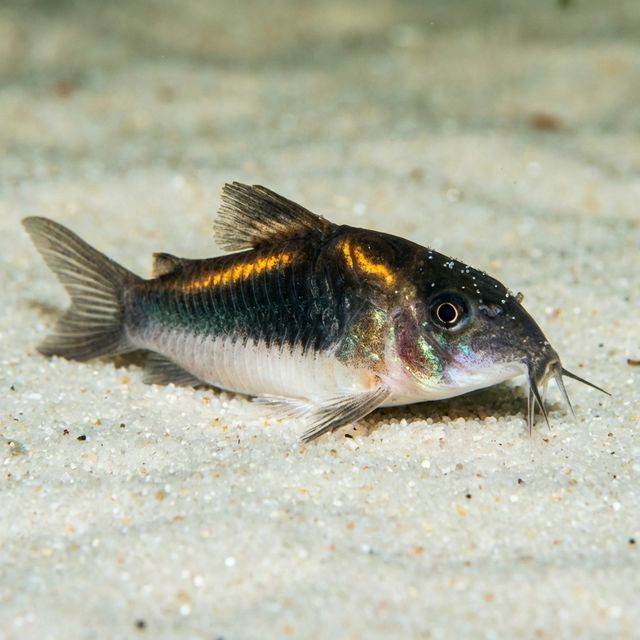
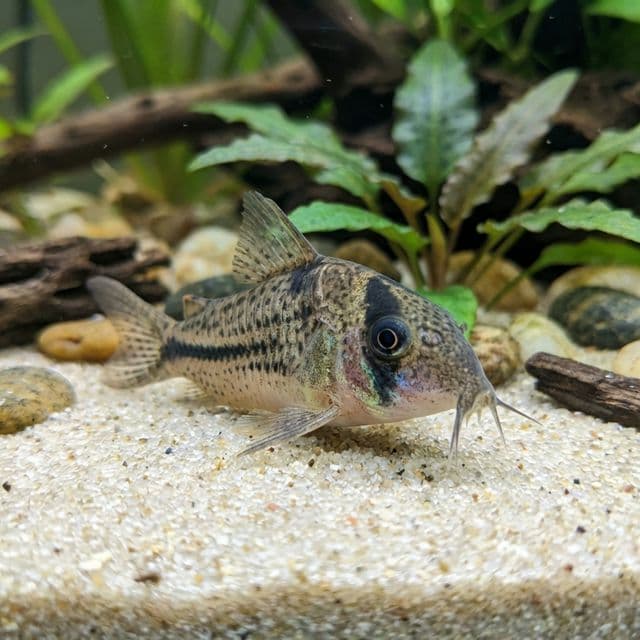
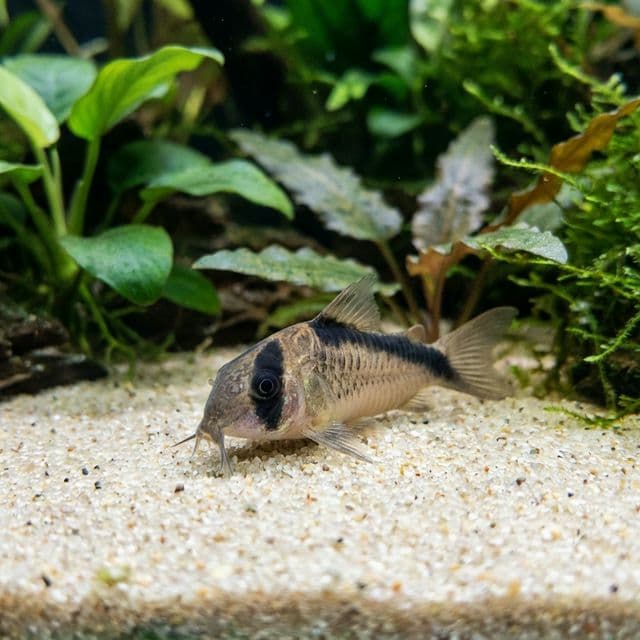
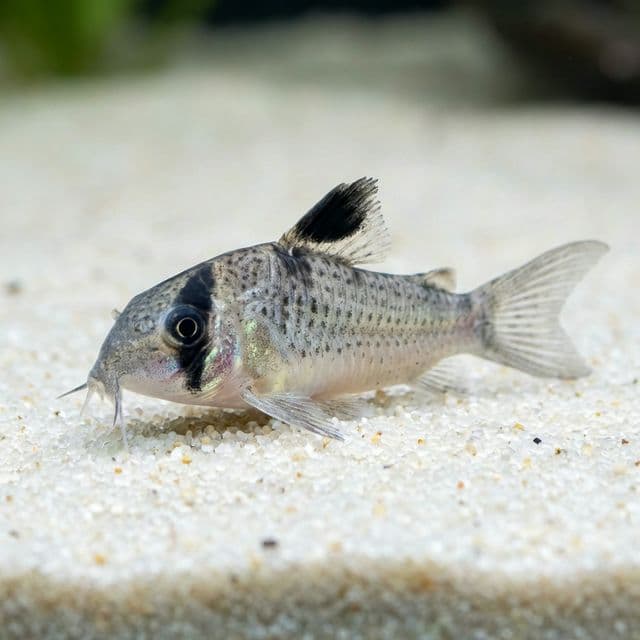
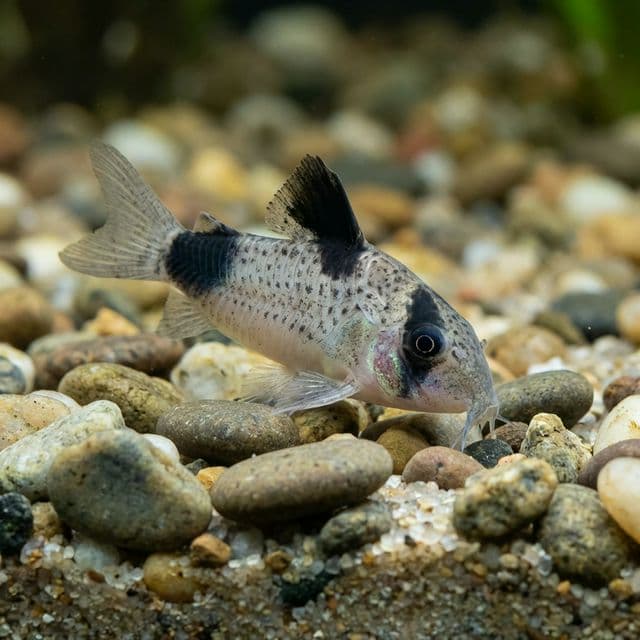
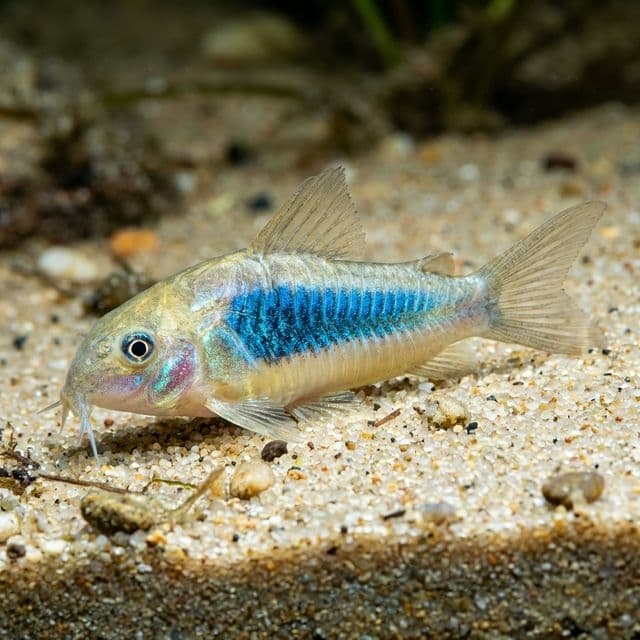
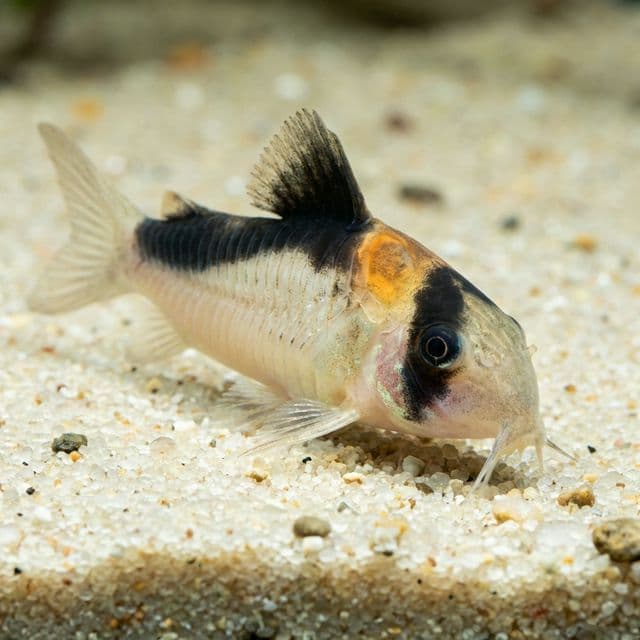
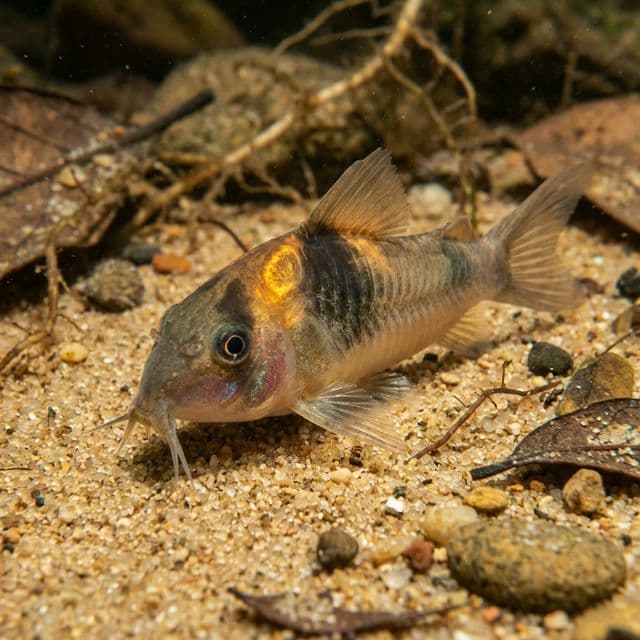
Duplicate Cory: Hoplisoma duplicareum
Named because it closely resembles other similar corydoras. A peaceful shoaler.
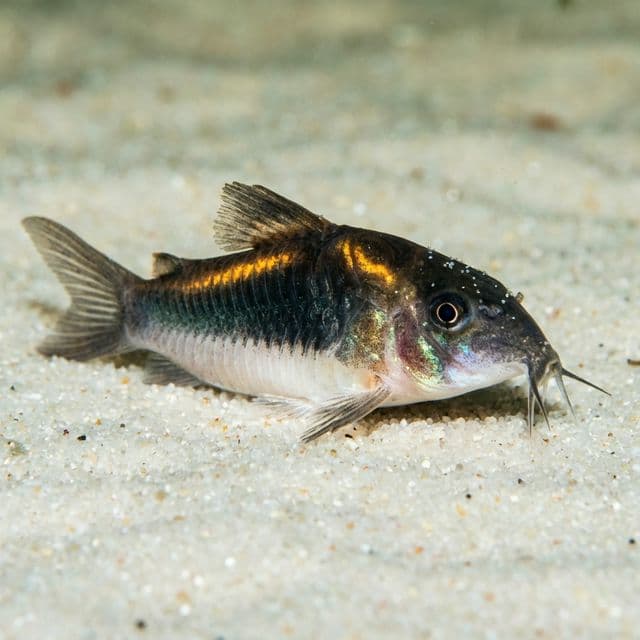
Duplicate Cory
The Duplicate Cory, scientifically known as Hoplisoma duplicareum, is a captivating freshwater fish that has gained popularity among aquarists for its unique appearance and engaging behavior. With its striking coloration comprising shades of green, brown, and subtle gold, it stands out in any aquarium setup. These fish possess a streamlined body shape and distinctive patterns that resemble a mosaic of colors, making them visually appealing. Their curious nature and playful demeanor add an engaging dynamic to community tanks, further increasing their desirability in the aquarium hobby.
In addition to their aesthetic value, Duplicate Corys hold a significant place in the aquarium hobby due to their compatibility with various tank mates and their hardiness, making them suitable for both novice and experienced aquarists. They are primarily found in small groups in the wild, which contributes to their social nature, encouraging the building of a lively, interactive community in aquariums. As they are bottom-dwellers, they also serve an essential role in maintaining substrate cleanliness, contributing to ecosystem health in aquarium environments.
Natural Habitat & Origin
The Duplicate Cory originates from the river basins of South America, particularly within the Amazon basin. These fish inhabit slow-moving rivers, streams, and flooded areas characterized by a blackwater environment teeming with organic material and vegetation. The waters they thrive in are typically soft and acidic, enriched with tannins from leaf litter, which play a crucial role in providing cover as well as a breeding ground for various microorganisms. This environment not only supports their diet—comprised largely of detritus and small invertebrates—but also shapes their overall health and behavior, making it essential for aquarists to replicate these conditions in captivity.
Care Requirements
To ensure optimal health and well-being for Duplicate Corys, maintaining the right water parameters is vital. Ideal conditions include a pH range of 6.0 to 7.5, a water temperature of 24°C to 28°C (75°F to 82°F), and moderate hardness levels between 2 to 12 dGH. When setting up the tank, a minimum size of 20 gallons is recommended to provide ample swimming space. For substrate, a soft, sandy bottom will prevent damage to their sensitive barbels, while providing a comfortable habitat. Incorporating natural decor, such as driftwood, rocks, and plants like Java moss and Cryptocoryne, will not only create hiding spots but also replicate their natural habitat.
Lighting should be moderate to low, mimicking the dappled sunlight that penetrates through the canopy in their wild habitat. Proper filtration is also crucial to maintain water quality, as Duplicate Corys prefer clean environments. Frequent water changes, approximately 25% weekly, are advised to ensure optimal living conditions.
Diet & Feeding
The Duplicate Cory is an omnivorous species, requiring a varied diet to thrive. Their dietary needs can be fulfilled with high-quality sinking pellets or flakes specifically designed for bottom-feeders. Supplementing their diet with occasional frozen foods, such as brine shrimp or bloodworms, will provide additional protein. For those who enjoy live feeding, options like daphnia can also stimulate their natural foraging behavior. It's essential to feed them small amounts multiple times a day, ensuring that all food is consumed within a short period to prevent water quality deterioration.
Behavior & Temperament
Duplicate Corys exhibit a peaceful demeanor and are highly social creatures. They thrive in schools of six or more, where they establish hierarchy and engage in a range of playful interactions. Known for their bottom-dwelling nature, these fish tend to hover near the substrate, scavenging for food and interacting with one another. They are generally non-aggressive; however, due to their small size, they may be timid when kept with overly boisterous tank mates. It is essential to provide them with ample hiding places and open swimming space, as they often prefer occupying the lower sections of the tank.
Tank Mates
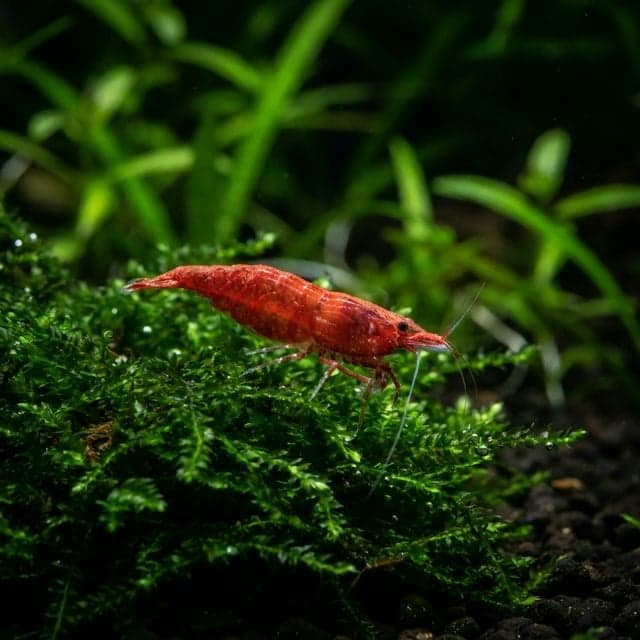
When selecting tank mates for Duplicate Corys, choose other peaceful species that occupy different levels of the aquarium. Ideal companions include other Corydoras species, tetras, rasboras, and dwarf gouramis. They can coexist well with shrimp and some smaller species of snails, enhancing a diverse community. However, species such as aggressive cichlids or larger fish that may view them as food should be avoided, as their tranquil nature makes them vulnerable to aggression. Ensuring a balanced mix of inhabitants will contribute positively to the overall aquarium environment.
Breeding
Breeding Duplicate Corys in captivity requires the right conditions and attention to detail. To encourage spawning, maintain pristine water quality with slightly cooler temperatures of about 22°C to 24°C (72°F to 75°F) and a pH of around 6.0. Breeders should provide a designated breeding area with fine-leafed plants or spawning mops where females can lay eggs. Groups of female and male Duplicate Corys should be introduced, as the males will perform a courtship dance to entice the females. Once spawning occurs, the adults should be removed after a few hours to prevent them from eating the eggs. With optimal conditions, the eggs will hatch in approximately 3 to 5 days, transitioning the fry to a diet of infusoria before they are gradually weaned onto crushed flakes.
Common Health Issues
Like any aquarium inhabitant, Duplicate Corys are susceptible to certain health issues. Common ailments include ich (Ichthyophthirius multifiliis), fin rot, and various parasitic infections. Preventative measures include maintaining proper water conditions, avoiding overcrowding, and ensuring a balanced diet. Regular observation for unusual behaviors, such as excessive scratching against objects or changes in appetite, can help detect problems early. Further, maintaining a clean tank and isolating any sick fish can prevent the spread of diseases, ensuring a healthy aquarium environment for all inhabitants.