Dusky Jawfish
A 10cm jawfish that builds a rubble-lined burrow and hovers above it. Needs a deep mixed substrate, a tight lid, and peaceful tank mates.

Dusky Jawfish
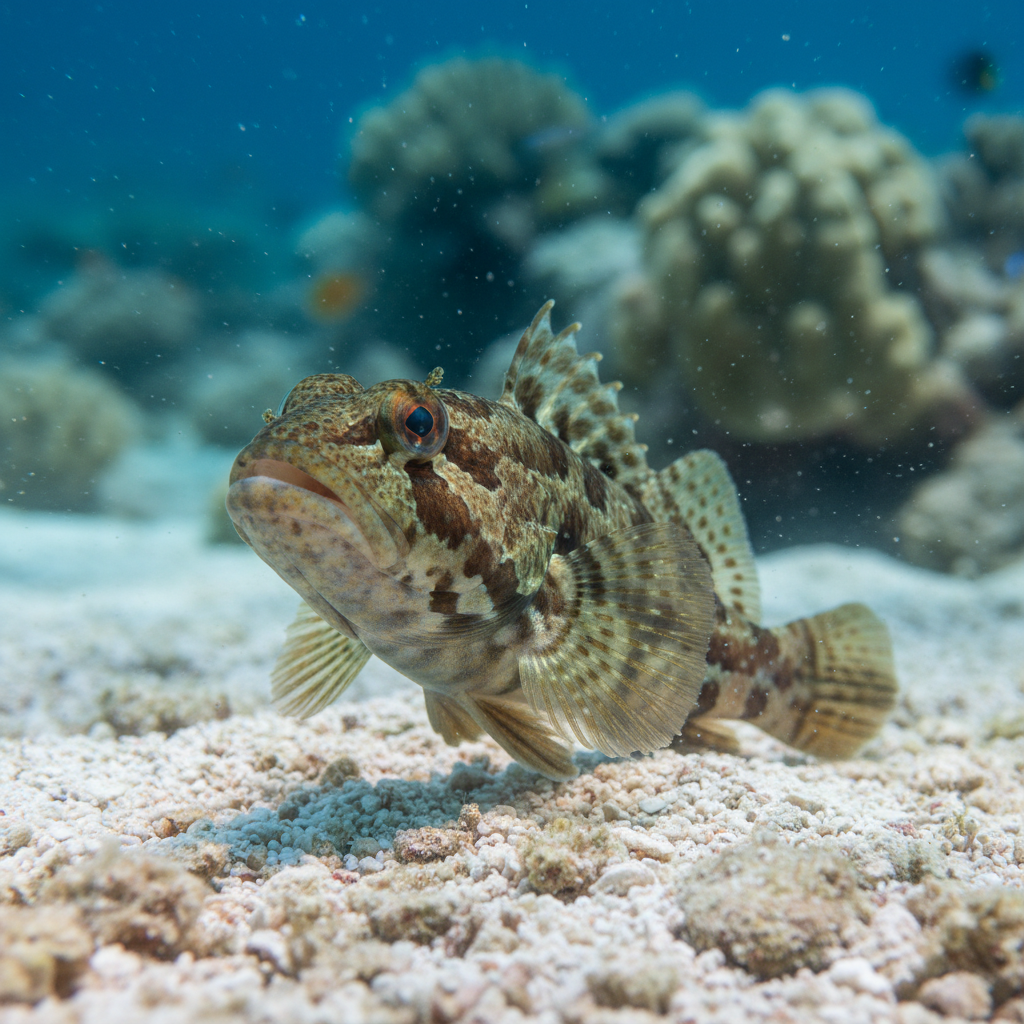
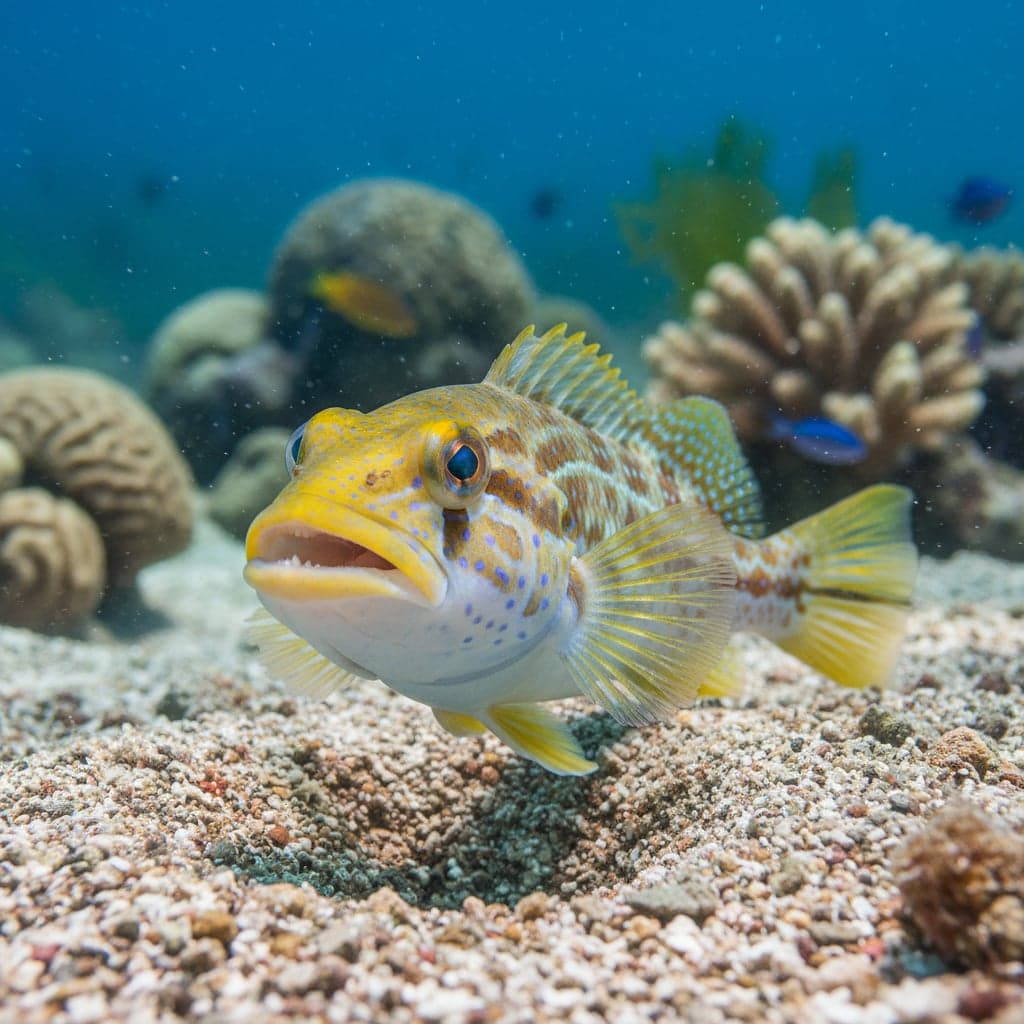
The Dusky Jawfish, scientifically known as Opistognathus whitehursti, is a captivating marine species that has gained significant popularity among aquarists in recent years. This fish is distinguished by its striking coloration, characterized by a gradient that transitions from a deep, dusky blue to bright yellow at the fins, which makes it visually appealing for both seasoned and novice hobbyists. With its large, expressive eyes and characteristic jaw structure, the Dusky Jawfish captivates anyone who gazes upon it in an aquarium setting. These fish are not only beautiful but also offer a dynamic and engaging presence, showcasing interesting behaviors that add life to any underwater landscape.
In the aquarium hobby, the significance of the Dusky Jawfish extends beyond its aesthetic value. This species plays an important role in reef ecosystems, where it often acts as a substrate-dweller, creating burrows and contributing to the physical structure of its environment. The specialized adaptations of the Dusky Jawfish, including its pectoral fin configuration, allow it to thrive in rocky seabeds while displaying an intriguing lifestyle that involves rapid burrowing and peeking out to observe its surroundings—a behavior that brings a unique charm to aquariums. As aquarists seek to recreate natural habitats, understanding the Dusky Jawfish's traits becomes crucial for fostering a healthy and stimulating environment.
Natural Habitat & Origin
The Dusky Jawfish is native to the warm, tropical waters of the Caribbean Sea, specifically residing around the Bahamas, Cuba, and parts of Florida. These fish are typically found inhabiting shallow reef environments, where they prefer sandy substrates interspersed with rocky formations. The natural habitat of the Dusky Jawfish features clear, well-oxygenated waters that allow for adequate light penetration, facilitating the growth of essential algae and microorganisms that support the ecosystem's cycle. These shallow environments typically experience moderate wave action, which plays a vital role in nutrient distribution and overall water quality.
In terms of environmental context, the Dusky Jawfish thrives in areas rich in biodiversity, which underscores the importance of healthy coral reef systems. As they create burrows within the sandy substrate, they not only find refuge from predators but also engage in crucial interactions with the ecosystem, such as aerating the sand and supporting a variety of microorganisms. Understanding the natural habitat of the Dusky Jawfish is essential for aquarists aiming to replicate its conditions and ensure a thriving environment within home aquariums.
Care Requirements
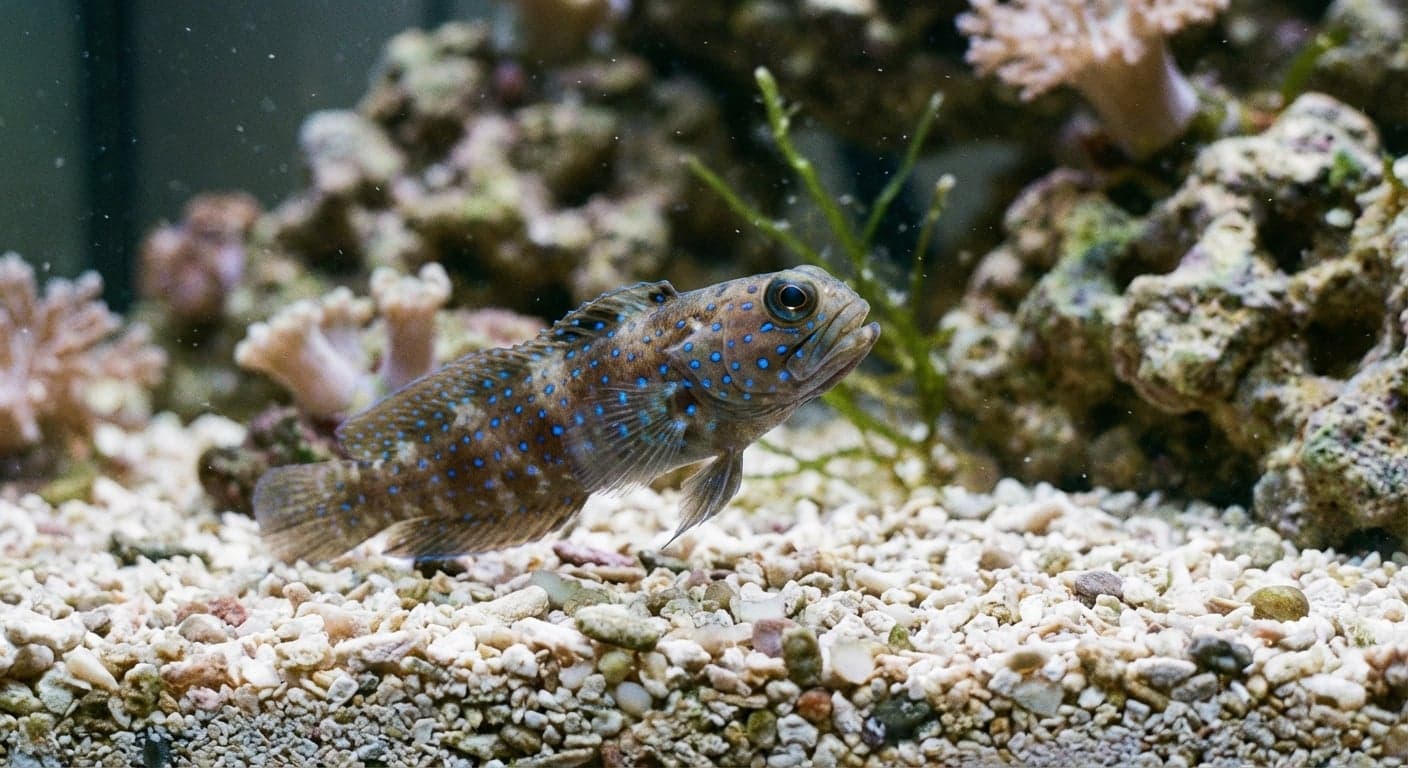
To successfully maintain a Dusky Jawfish in captivity, attention to specific water parameters is crucial. They thrive in a pH range of 8.1 to 8.4, with a temperature maintained between 75°F to 82°F (24°C to 28°C). Furthermore, the recommended water hardness lies between 8 to 12 dKH, ensuring optimal mineral content necessary for their health. As for tank size, a minimum of 120 litres (32 gallons) is advisable for this 10cm Opistognathus — provide deep mixed substrate for its rubble burrow and a tight-fitting lid, since jawfish are notorious jumpers. A sandy substrate is ideal, allowing the fish to dig and create their burrows, which are essential for their behavioral health.
In terms of lighting, a moderate level is recommended to simulate their natural environment, allowing for the growth of necessary algal cover without causing stress. Companion plants can be included, but they should be planted away from the fish's designated burrowing areas to prevent disturbance. Additionally, including plenty of rocky structures or coral elements will enhance the fish's comfort and mimic its natural habitat.
Diet & Feeding
The Dusky Jawfish is predominantly carnivorous but can also be classified as an opportunistic omnivore, thriving on a varied diet. In the wild, their diet consists of small crustaceans, microalgae, and detritus, making it important to replicate this dietary diversity in captivity. It is recommended to provide a balanced combination of high-quality flakes or pellets, along with periodic offerings of frozen or live foods like brine shrimp, mysis shrimp, and other small aquatic organisms. Feeding should be done multiple times a day in small portions, allowing the fish to hunt and forage, which is critical to their natural behavioral patterns.
By incorporating a diverse diet into their feeding regimen, aquarists can enhance the health and coloration of the Dusky Jawfish, ensuring that it flourishes in the aquarium setting. Additionally, providing a variety of food types helps promote optimal growth and prevents nutritional deficiencies.
Behavior & Temperament
Dusky Jawfish exhibit a unique and engaging behavior, often characterized by their tendency to dig and retreat into their burrows, a behavior that is essential for their safety and comfort. They are generally peaceful fish but can display territoriality when establishing their burrows or feeding territory. While they do not necessarily require schooling, offering them the opportunity to socialize with their own species can enrich their environment and provide stimulation.
Within the tank environment, the Dusky Jawfish tends to inhabit the lower regions, frequently seen peeking out of their burrows or darting in and out to explore their surroundings. This vertical placement complements their natural behavior, as they feel safest when they can quickly retreat into their sand burrows. While they may exhibit mild aggression towards similar-sized fish, especially during breeding, they typically coexist well with other species that respect their territory.
Tank Mates
When selecting tank mates for the Dusky Jawfish, it is essential to consider species that respect their burrowing behavior and do not compete heavily for the same niche. Suitable tank mates include peaceful reef fishes such as small gobies, blennies, and certain types of damselfish. Clownfish and some wrasse species can also coexist harmoniously, provided they are not overly aggressive.
Conversely, it is advisable to avoid pairing the Dusky Jawfish with larger or more aggressive fish species, such as groupers or angelfish that may pose a threat to their safety. Additionally, bottom-dwelling species that compete for burrowing territory can lead to conflicts. Ensuring a balanced community where each species has its space and foraging areas will create a thriving ecosystem in your aquarium.
Breeding
Breeding Dusky Jawfish in captivity can be a rewarding challenge, as their spawning behavior is somewhat unique. These fish are known to be monogamous, forming pairs that may bond for life. Breeding typically occurs in the early mornings or late evenings, being stimulated by changes in water temperature or lighting. To encourage breeding, it's important to recreate stable, pristine water conditions with a calcium-rich environment and moderate water flow.
To facilitate spawning, provide ample substrate for burrowing, which can be made up of fine sand, as well as flat surfaces where eggs can be laid. Following the spawning process, the male Dusky Jawfish takes on the role of guarding the fertilized eggs, exhibiting protective behaviors that include fanning them with his fins to maintain oxygenation. Observing the rearing of fry can add to the excitement of keeping these captivating fish, although it often requires careful management of tank conditions to ensure their survival.
Common Health Issues
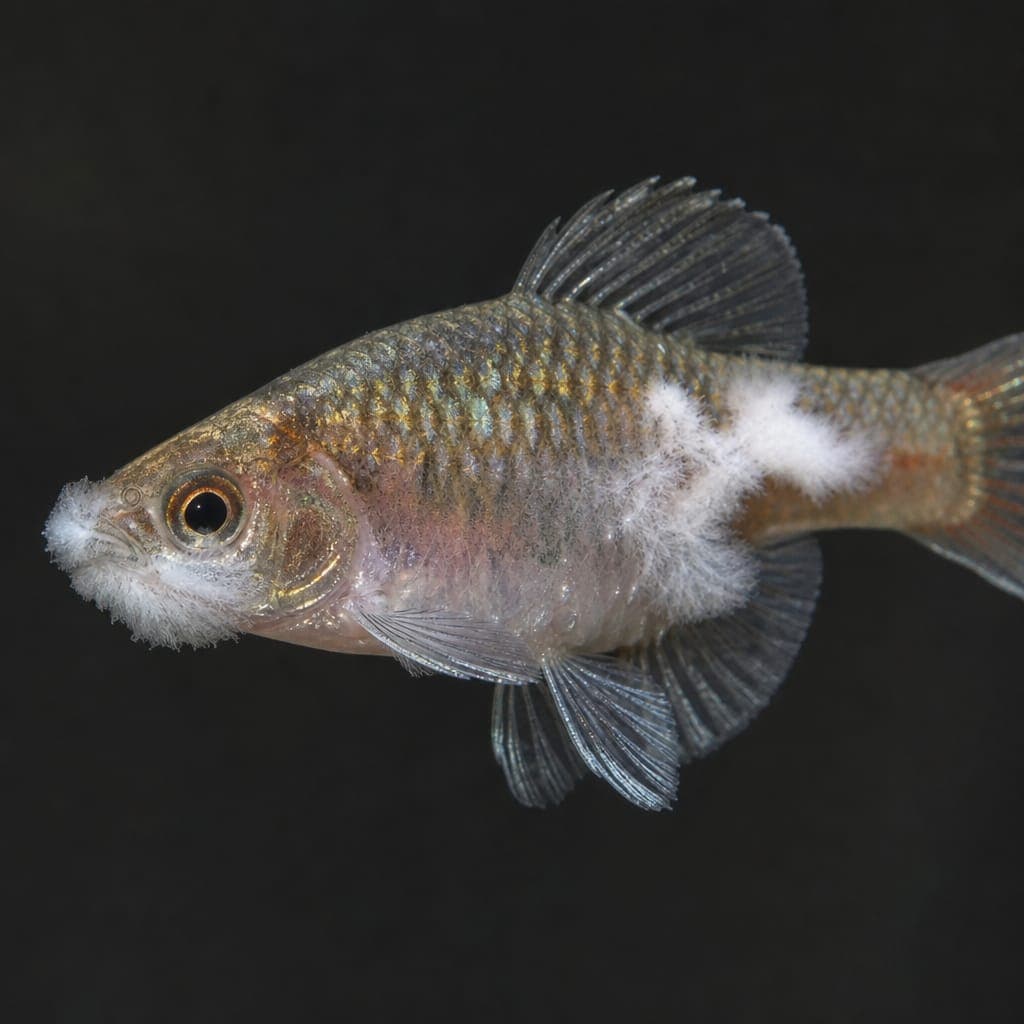
Like many aquarium species, the Dusky Jawfish may be susceptible to various health issues, including ich (Ichthyophthirius multifiliis), unexplained stress-related illnesses, and fungal infections. Maintaining optimal water quality through regular monitoring and maintenance can significantly reduce the risk of encountering these problems. Additionally, providing a balanced diet and a secure burrow further support immunity against common aquarium pathogens. Quarantine new arrivals, keep parameters stable, and avoid aggressive tank mates that force them from their holes. Watch for white spots, rapid breathing, faded colour, or refusal to leave the burrow, and treat promptly in quarantine. A deep sand bed, stable salinity, and varied meaty foods keep Dusky Jawfish healthy, curious, and securely established for years.