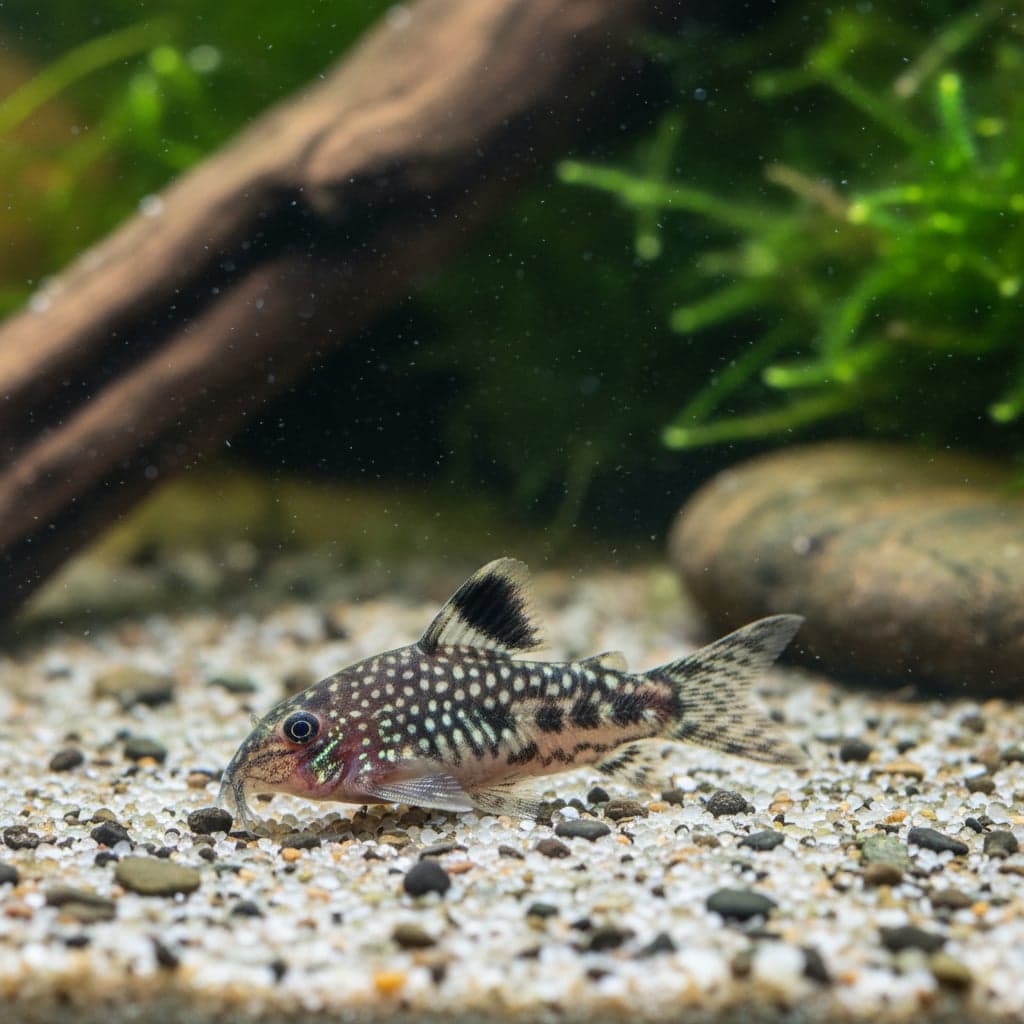
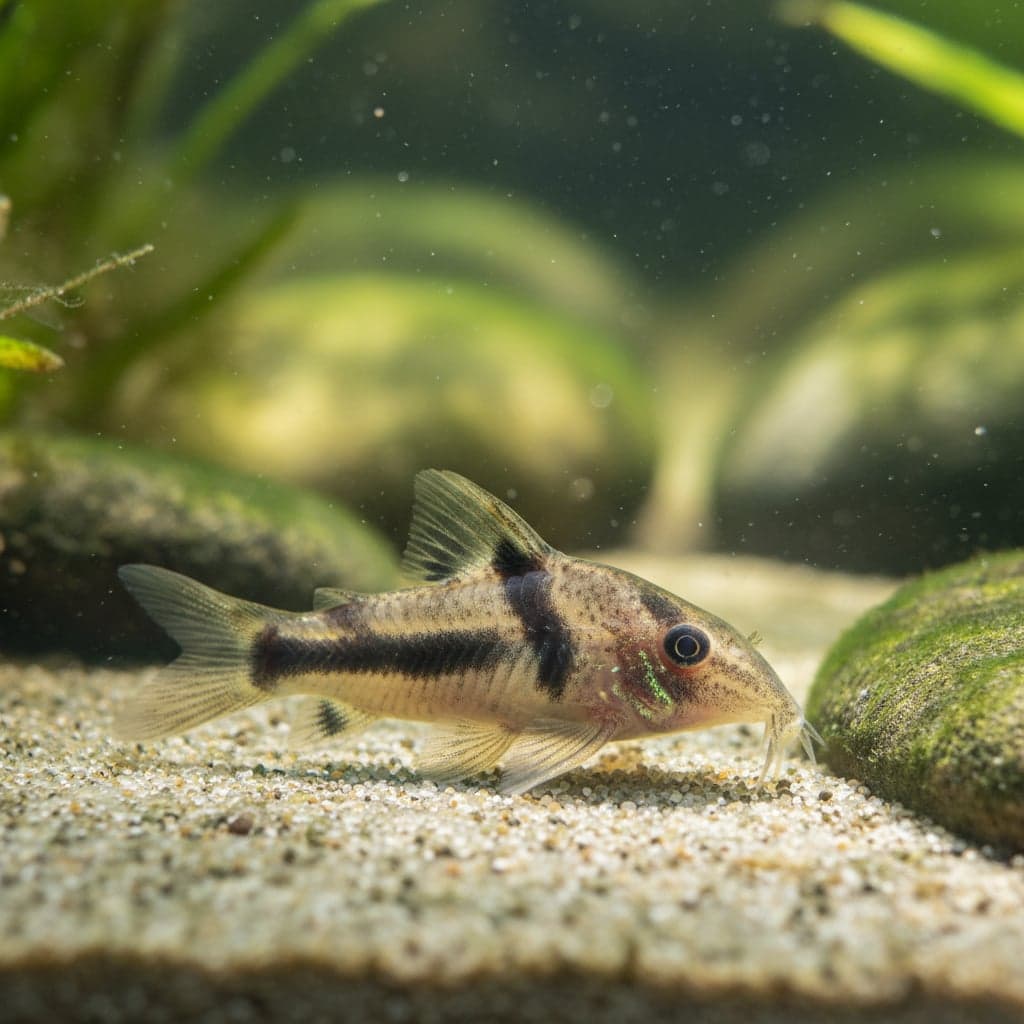
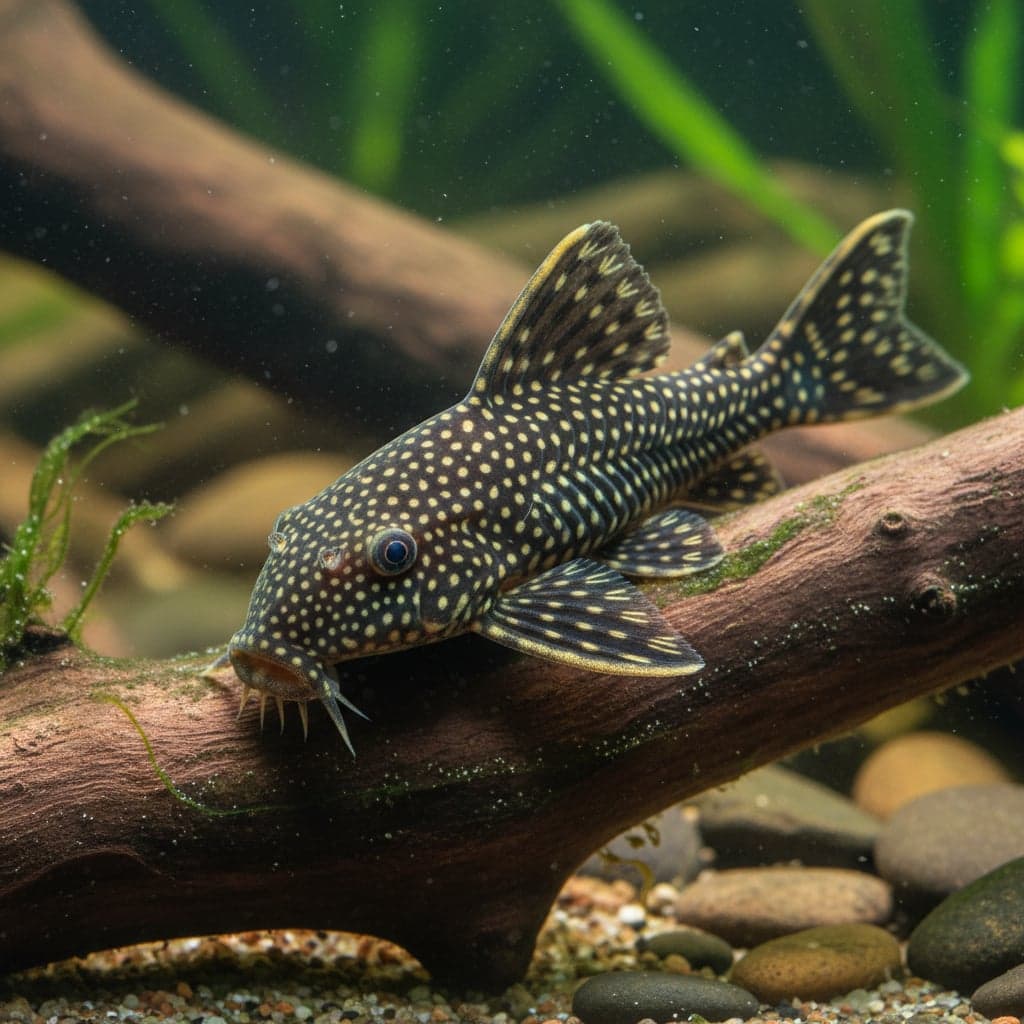
Dwarf Anchor Catfish: Erethistes jerdoni
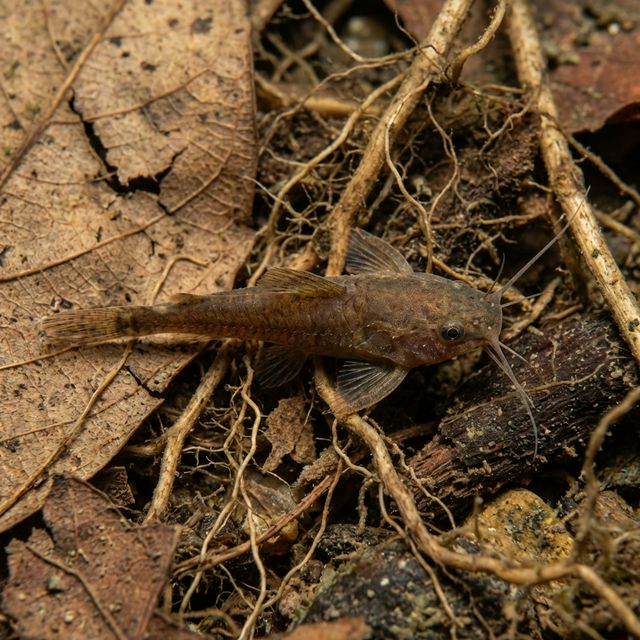
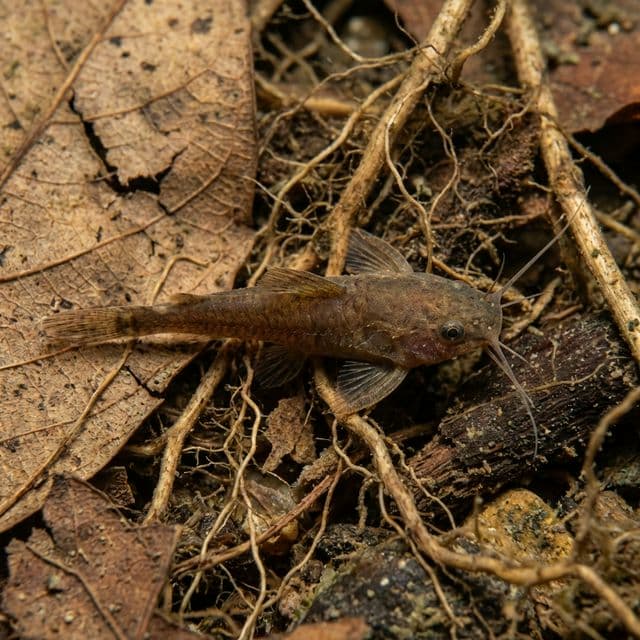
An impossibly tiny catfish that looks like a dead leaf. Nearly invisible in the aquarium.
Dwarf Anchor Catfish
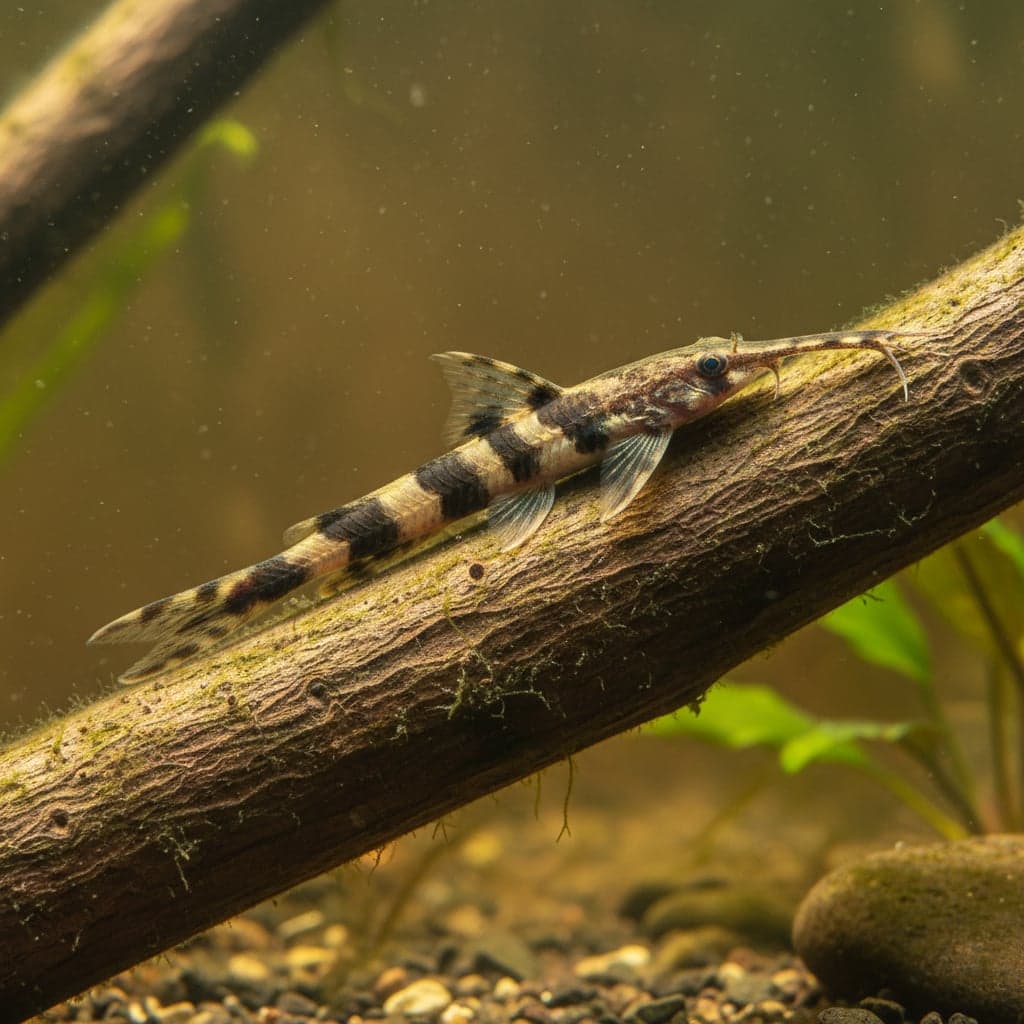
The Dwarf Anchor Catfish, scientifically known as Erethistes jerdoni, is a captivating species native to the freshwater rivers and streams of South Asia, particularly in India and surrounding regions. This small, bottom-dwelling catfish is loved by aquarists for its unique shape and appearance. Dwarf Anchor Catfish are characterized by their slender bodies, which can reach up to 1 inch (2.5 cm) in length, and their distinctive, elongated dorsal fin that resembles an anchor. Their colors range from muted browns and greens, making them well-camouflaged in their natural habitats. This combination of visual appeal and intriguing behavior has made them a popular choice for both novice and experienced fish keepers.
In the aquarium hobby, Dwarf Anchor Catfish hold significance not just for their aesthetic qualities but also for their role in biotope aquariums. They thrive in environments that mimic their natural habitats, which include plenty of hiding places among rocks and plants. Their relatively peaceful demeanor makes them an excellent addition to community tanks, where they can contribute to the overall ecosystem of the aquarium while being interesting to observe due to their unique behaviors.
Natural Habitat & Origin
The Dwarf Anchor Catfish is primarily found in the river systems of India, particularly in the northeastern states. This region features a diverse array of aquatic environments, from slow-moving streams to densely vegetated wetlands. The waters they inhabit are often soft and acidic, typically with a pH ranging between 6.0 and 7.5. These fish prefer blackwater habitats, where decomposing organic materials enrich the water with tannins, giving it a tea-like coloration. Such conditions contribute to the Dwarf Anchor Catfish's acclimatization, providing a natural setting that promotes their health and well-being.
The environmental context of their natural habitat plays a crucial role in their care in aquariums. In the wild, Dwarf Anchor Catfish roam the substrate, sifting through detritus and searching for food. They prefer still or gently flowing waters with ample cover from vegetation and submerged structures. This naturalistic setting should be emulated as closely as possible in captivity to ensure the fish's comfort, health, and stress reduction.
Care Requirements
To successfully keep Dwarf Anchor Catfish, water parameters must be carefully monitored and maintained. Ideal water conditions include a temperature range of 72°F to 78°F, a pH of around 6.5 to 7.0, and water hardness of 2 to 10 dGH. As bottom dwellers, they require a minimum tank size of 20 gallons to provide adequate space for swimming and foraging. A soft substrate such as fine sand or smooth gravel is recommended to mimic their natural habitat while allowing them to sift through it comfortably.
In terms of tank setup, creating a heavily planted environment with plenty of hiding spots will help these catfish feel secure. Consider using driftwood, rocks, and dense vegetation to create nooks and crannies. Moderate lighting is acceptable, as Dwarf Anchor Catfish are not particularly light-sensitive; they thrive better in dimly lit conditions that resemble their shadowy natural waters. Regular maintenance, including water changes and filter cleaning, is critical for keeping a healthy environment.
Diet & Feeding
Dwarf Anchor Catfish are omnivores and have a varied diet that reflects their natural foraging behaviors. They primarily feed on detritus, small invertebrates, and organic matter. In the aquarium, a balanced diet can be achieved by providing high-quality flakes and pellets specifically formulated for bottom feeders. Supplementing their diet with frozen or live foods, such as bloodworms, brine shrimp, and daphnia, will ensure they receive essential nutrients and variety.
Feeding should be conducted in moderation, with multiple small meals throughout the day rather than one large feeding. It’s important to observe their feeding to ensure each fish is able to access food, as they may be outcompeted by larger tank mates. Providing a diverse diet will promote overall health, vibrancy, and help sustain their activity levels.
Behavior & Temperament
Dwarf Anchor Catfish are generally peaceful and shy, making them well-suited for community tanks. They exhibit social behavior in small groups, preferring to be kept in pairs or small schools of four to six individuals. These catfish typically occupy the lower levels of the aquarium and enjoy exploring their environment, often sifting through the substrate in search of food. While they are not aggressive towards their tank mates, they may become territorial if space is limited or if kept with overly aggressive species.
In terms of vertical placement, Dwarf Anchor Catfish are primarily bottom dwellers but may occasionally swim higher in the water column when foraging. They thrive in environments where they can feel secure; thus, it is essential to provide ample hiding spots and territories within the aquarium.
Tank Mates
When considering compatible tank mates for the Dwarf Anchor Catfish, opt for gentle, non-aggressive species that share similar habitat preferences. Suitable tank mates include:
- Small tetras (e.g., Neon Tetra, Ember Tetra)
- Rasboras
- Endler's Livebearers
- Other small catfish like Corydoras species
- Peaceful community fish such as Guppies and Platies
Species that should be avoided include larger, aggressive fish that may intimidate or harass the Dwarf Anchor Catfish, such as Cichlids and larger barbs. Additionally, predatory fish that could view the catfish as food should also be excluded from the tank, ensuring a harmonious living environment for all inhabitants.
Breeding
Breeding Dwarf Anchor Catfish in captivity can be a rewarding experience, though it requires specific conditions to be successful. These fish are known to exhibit spawning behaviors in the presence of clean, soft water and well-planted tanks. A separate breeding tank with a capacity of at least 10 gallons, low water movement, and dense vegetation or spawning mops is recommended for encouraging breeding behavior.
The female will lay eggs on flat surfaces or in the vegetation, and it is advisable to remove the parents after spawning to prevent them from eating their young. The eggs typically hatch within 3-5 days, and once free-swimming, the fry can be fed with infusoria or specialized fry food. Maintaining optimal water conditions and being attentive to the needs of both the parents and the fry will enhance the chances of successful breeding.
Common Health Issues
While generally hardy, Dwarf Anchor Catfish can be susceptible to common freshwater fish diseases. The most frequent health issues include ich (Ichthyophthirius multifiliis) and fin rot, which often arise from poor water quality or stress. Preventative measures include maintaining stable water parameters, performing regular water changes, and avoiding overcrowding in their habitat.
Additionally, ensuring a diverse and balanced diet keeps the immune system strong, reducing the likelihood of disease. Always monitor fish behavior for any signs of distress or illness, and promptly address water quality or health concerns to maintain a thriving aquarium environment for your Dwarf Anchor Catfish.