Dwarf Barb: Pethia phutunio
A tiny, subtly attractive barb from India. Great nano fish.
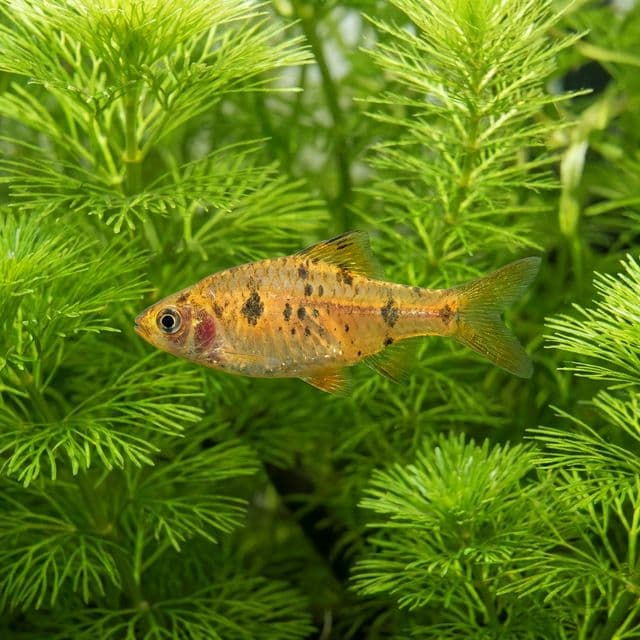
Dwarf Barb
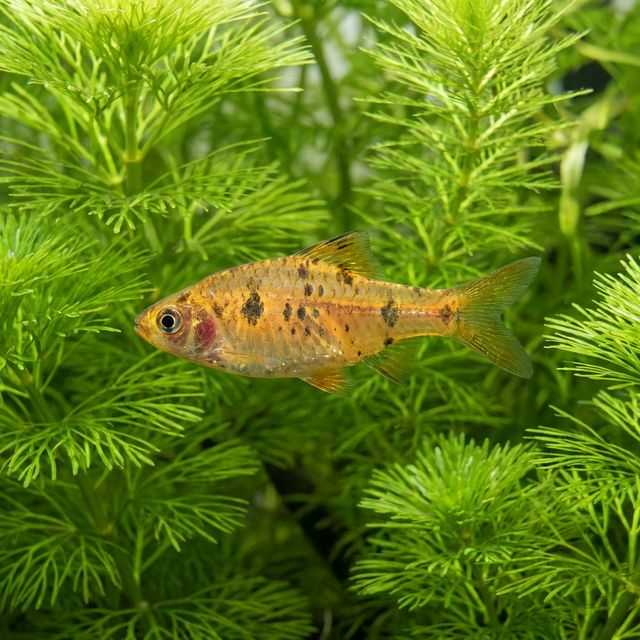
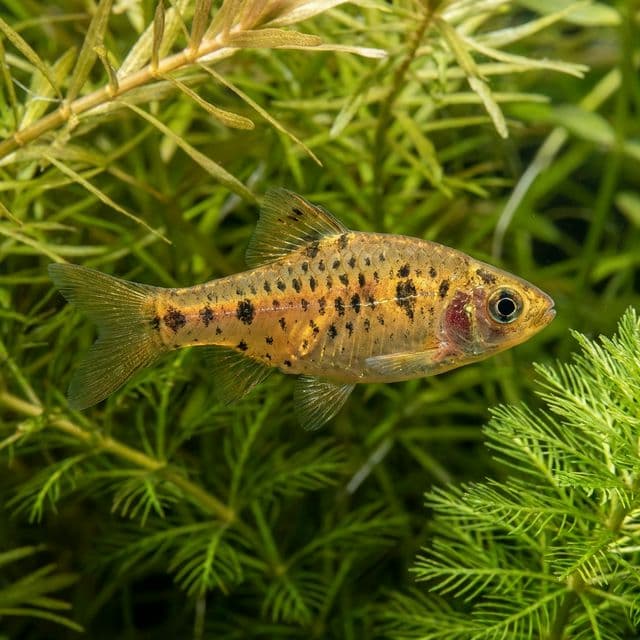
The Dwarf Barb, scientifically known as Pethia phutunio, is a petite, vibrant fish that has gained considerable popularity among aquarium enthusiasts. Characterized by its small size, seldom exceeding two inches in length, this species features a striking palette of iridescent hues, showcasing shades of orange, red, and yellow accented by darker vertical bands. This captivating coloration is not only visually enticing but also adds dynamism to community tanks, making the Dwarf Barb a favored choice for aquarists seeking to enhance their aquatic landscapes.
In the aquarium hobby, the Dwarf Barb holds significant value, not only for its striking appearance but also for its peaceful disposition and active nature. These fish thrive in schools, as they exhibit remarkable social behaviors that charm observers. Their lively swimming patterns and social interactions contribute to a vibrant tank environment, making them ideal for community setups. Enthusiasts appreciate the Dwarf Barb not just for its beauty, but for its relative ease of care, making it an excellent option for both novice and experienced aquarists alike.
Natural Habitat & Origin
The Dwarf Barb originates from the freshwater bodies of Southeast Asia, specifically the regions encompassing Thailand and Myanmar. It primarily inhabits streams, rivers, and small tributaries, where it thrives in slow-moving, shallow waters. The Dwarf Barb is often found in areas with dense vegetation, using the cover of plants and roots to evade predators and search for food. The natural waters they occupy are typically soft, acidic, and enriched with organic matter, creating a unique blackwater environment that influences their coloration and behavior.
In their native habitats, Dwarf Barbs are often exposed to a range of environmental conditions. The gentle flow of the water, coupled with a patterned substrate of gravel and sandy patches, offers a rich and diverse ecosystem for these fish. The presence of decaying leaves and woody debris provides not only shelter but also a breeding ground for microorganisms that serve as a food source. Understanding these natural conditions is vital for aquarium keepers to replicate the ideal environment for the Dwarf Barb in captivity.
Care Requirements
To ensure the health and well-being of Dwarf Barbs, careful attention must be paid to water parameters. The recommended range for water pH is between 6.0 and 7.5, with a temperature ideally maintained between 24°C to 28°C (75°F to 82°F). The hardness level should be kept between 5 and 15 dGH. This range mirrors their natural habitat, promoting optimal health and activity levels. Additionally, routine water changes and filtration are crucial to maintain water quality, as Dwarf Barbs are sensitive to poor water conditions.
For housing Dwarf Barbs, a minimum tank size of 20 gallons is recommended, providing ample swimming space for a school of these active fish. The substrate should be soft, such as fine gravel or sand, to mimic their natural environment. Incorporating plenty of live plants, driftwood, and ornamental hiding spots not only enhances the aesthetic of the aquarium but also creates a stimulating environment for the fish. Moderate lighting is advisable, as this complements plant growth and helps maintain a balanced ecosystem.
Diet & Feeding
The Dwarf Barb is an omnivore, benefiting from a varied diet that includes high-quality flakes, small pellets, and live or frozen food. A balanced diet should consist of a mix of plant-based foods and protein sources, such as bloodworms, brine shrimp, and daphnia. It is essential to feed smaller particles to accommodate their diminutive size and to promote healthy growth. Providing a diet rich in vegetable matter, such as spirulina or blanched vegetables, will ensure well-rounded nutrition and vibrant coloration.
Feeding should occur two to three times per day, delivering only what the fish can consume within a few minutes to prevent overfeeding and maintain water quality. To stimulate natural foraging behavior, sinking pellets can be introduced, encouraging the Dwarf Barbs to search through the substrate.
Behavior & Temperament
Dwarf Barbs are known for their sociable nature and thrive in schools of at least six to eight individuals. This schooling behavior not only provides security but also enhances their display of natural behaviors, making for an active and entertaining aquarium. Typically peaceful, Dwarf Barbs exhibit minimal aggression toward other fish, although they can become slightly territorial during breeding periods. Their standout behavior includes darting and swimming in midwater levels, often using the vertical space of the tank, which can make their presence quite lively.
In a well-planted aquarium, Dwarf Barbs will often explore their environment, jumping between the plants and utilizing the tank's vertical space. Overall, keeping them in groups promotes a healthy stress-free environment, allowing their natural behaviors to shine.
Tank Mates
Dwarf Barbs are excellent community fish due to their peaceful demeanor, making them ideal companions for a variety of species. Compatible tank mates include small to medium-sized, non-aggressive species such as Neon Tetras, Rasboras, Guppies, and Corydoras Catfish. Additionally, they get along well with other barbs, such as Cherry Barbs and Tiger Barbs, provided they are kept in larger schools to prevent bullying.
However, certain species should be avoided to prevent stress and aggression. Larger, more aggressive fish like Cichlids and fast-swimming predators such as Betta fish can pose a threat to the Dwarf Barb. It is also advisable to avoid overcrowding, which can lead to heightened stress levels and potential health issues.
Breeding
Breeding Dwarf Barbs in captivity can be rewarding, provided the right conditions are met. They are egg scatterers, meaning the female will spread her eggs across the substrate. To facilitate successful spawning, a separate breeding tank should be established with soft, slightly acidic water (pH 6.0 to 6.5). The breeding tank should include spawning mops or fine-leaved plants where the fish can deposit their eggs.
Conditioning the breeding pair with high-quality food for a week prior to spawning can enhance reproductive success. Once the female lays her eggs, it is essential to remove the parents from the tank to prevent them from eating the eggs. The eggs typically hatch within 24 to 48 hours, and the fry can be fed infusoria or powdered fry food until they are large enough to consume finely crushed flakes or baby brine shrimp.
Common Health Issues
Dwarf Barbs are generally resilient, but they can be susceptible to common freshwater diseases such as ich, fin rot, and velvet disease. Preventative measures include maintaining optimal water quality through regular changes and ensuring a stable environment. Stress from overcrowding, poor tank mates, or sudden changes in water parameters can lower their immune response, increasing susceptibility to disease.
To counteract ich, maintaining a stable temperature and ensuring that all tank mates are healthy before introducing new fish is crucial. Regularly examining the fish for signs of distress or disease will help in early intervention. Providing a varied diet will not only promote vibrant coloration but also strengthen the immune system of these beautiful fish.