The Dwarf Chain Loach: Ambastaia sidthimunki
A tiny, active shoaling loach with striking black chain-link patterns. Perfect for smaller community tanks and snail control.
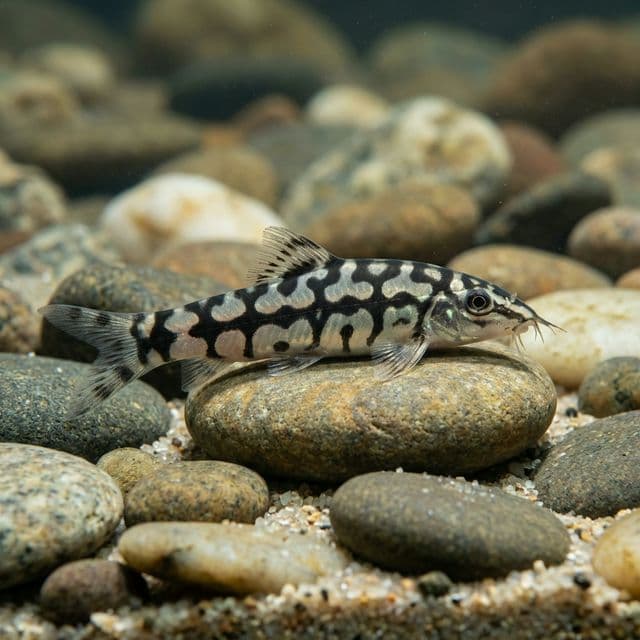
Dwarf Chain Loach
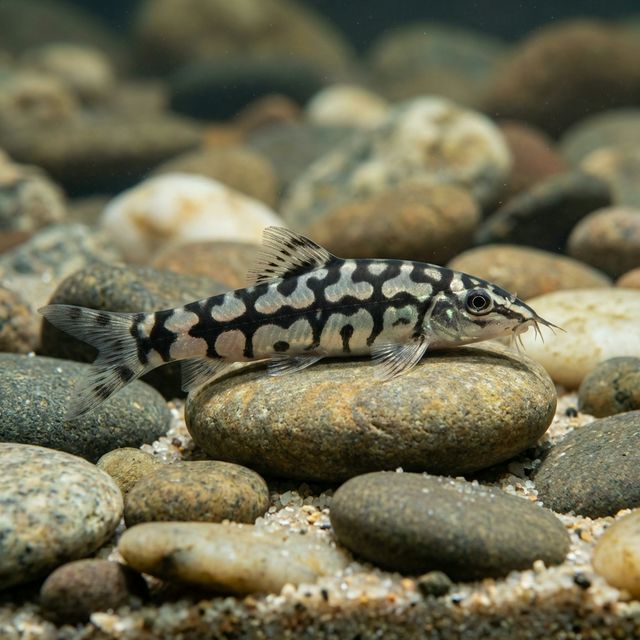
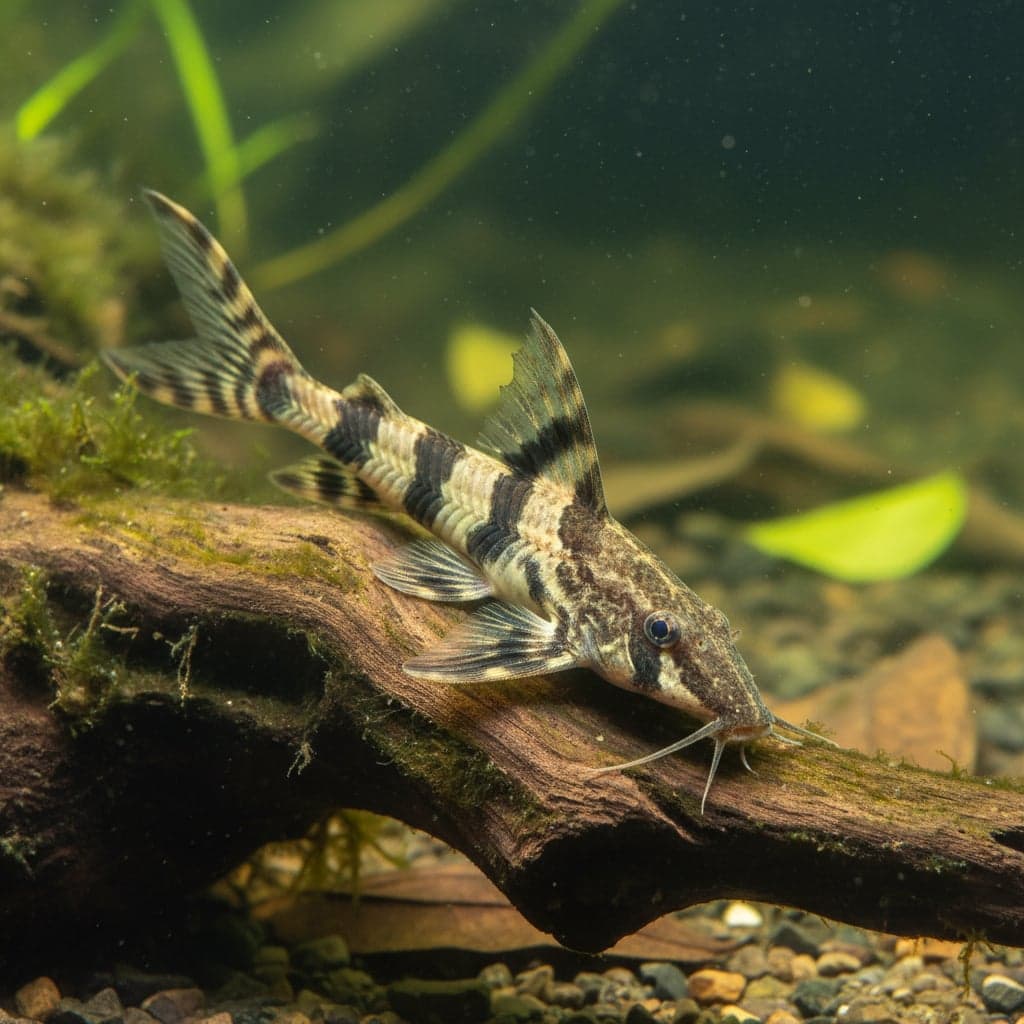
The Dwarf Chain Loach (Ambastaia sidthimunki) is a captivating and colorful freshwater fish that has gained significant popularity among aquarium enthusiasts. This petite loach is characterized by its striking pattern of dark brown or black and golden-yellow chain-like markings, which create a visually stunning appearance that draws attention in any aquarium setup. Growing to an average length of about 2 to 3 inches (5 to 7.5 cm), this fish is perfect for smaller tanks and nano aquariums. Its lively and active nature, coupled with its intriguing physical attributes, makes it a remarkable addition for both novice and experienced aquarists alike.
In the aquarium hobby, the Dwarf Chain Loach holds significance not only for its beauty but also for its fascinating behaviors. This fish is often recognized for its playful antics, as it likes to dig through substrate and explore its environment, showcasing its intelligence and curiosity. Its peaceful temperament makes it an excellent candidate for community tanks, where it can thrive alongside diverse species while also contributing to the biological balance by scavenging leftover food and detritus from the tank floor.
Natural Habitat & Origin
The Dwarf Chain Loach hails from the diverse freshwater ecosystems of Southeast Asia, particularly found in areas such as Thailand and Myanmar. This species thrives in slow-moving rivers, streams, and marshy habitats, often in regions characterized by dense vegetative cover and a soft, sandy substrate. It is typically encountered in blackwater environments where the water is stained with tannins, resulting from decaying plant material and organic matter. Such conditions create an acidic and low-light setting, which are crucial for supporting various flora and fauna, including the Dwarf Chain Loach.
In its natural habitat, the Dwarf Chain Loach is adapted to warm tropical conditions, usually residing in waters with temperatures ranging from 75°F to 82°F (24°C to 28°C). The water is usually soft and slightly acidic, with pH levels between 6.0 and 7.0. Understanding these environmental factors is essential for replicating a suitable aquarium setup that mirrors their native surroundings, ensuring the health and wellbeing of this charming fish in captivity.
Care Requirements
To properly care for the Dwarf Chain Loach, aquarists should aim for a minimum tank size of 20 gallons, as this allows for ample swimming space and hiding spots. As a bottom-dwelling species, the substrate is vital; a fine, soft substrate such as sand or small gravel is recommended to prevent injury while digging. Incorporating caves, driftwood, and dense plants not only enhances the visual appeal of the aquarium but also provides essential cover and territorial boundaries that help reduce stress.
In terms of water parameters, maintaining a temperature range of 75°F to 82°F (24°C to 28°C) is ideal, with a pH level between 6.0 and 7.0 and a hardness of 5 to 15 dGH. Although the lighting does not need to be overly bright, a well-lit aquarium can promote plant growth—plants also provide shade and hiding spots for the loaches. Filtration should be gentle, as strong currents can be stressful for these delicate fish. Regular water changes, along with consistent monitoring of water quality, will ensure optimal living conditions for the Dwarf Chain Loach.
Diet & Feeding
Dwarf Chain Loaches are classified as omnivores, showcasing a diverse palette that includes both plant and animal matter. In captivity, it is essential to provide a varied diet to meet their nutritional needs. High-quality flakes and pellets designed for bottom feeders can serve as staple foods, while additional offerings such as frozen or live foods—like bloodworms, brine shrimp, and daphnia—will enhance their diet and stimulate natural foraging behaviors.
To ensure the well-being of the Dwarf Chain Loach, incorporating sufficient vegetable matter is also advantageous; blanched vegetables like zucchini or spinach can be offered as occasional treats. It's recommended to feed these fish small portions two to three times a day, allowing them to graze throughout the day. This feeding frequency mimics their natural feeding habits and keeps them healthy, active, and engaged in their aquarium ecosystem.
Behavior & Temperament
The Dwarf Chain Loach is generally known for its peaceful and sociable nature, thriving best in small groups of at least four or more individuals. This schooling habit not only enhances their natural behavior but also reduces stress and anxiety by providing companionship. Typically, they are active members of the aquarium, favoring the bottom and mid-level regions, where they can explore and scavenge for food among plants and substrate.
These fish exhibit playful behavior, often seen darting around or engaging in lighthearted interactions with tank mates. Despite their inquisitive nature, Dwarf Chain Loaches are not aggressive; they tend to avoid confrontation and can coexist harmoniously with a variety of peaceful community fish. However, if kept in too small of a group or in isolation, they may become shy or stressed, which emphasizes the importance of keeping them in appropriate social settings.
Tank Mates
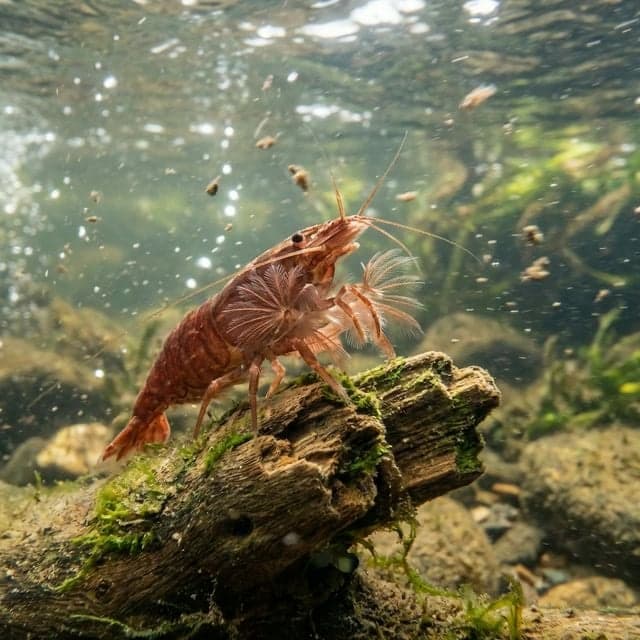
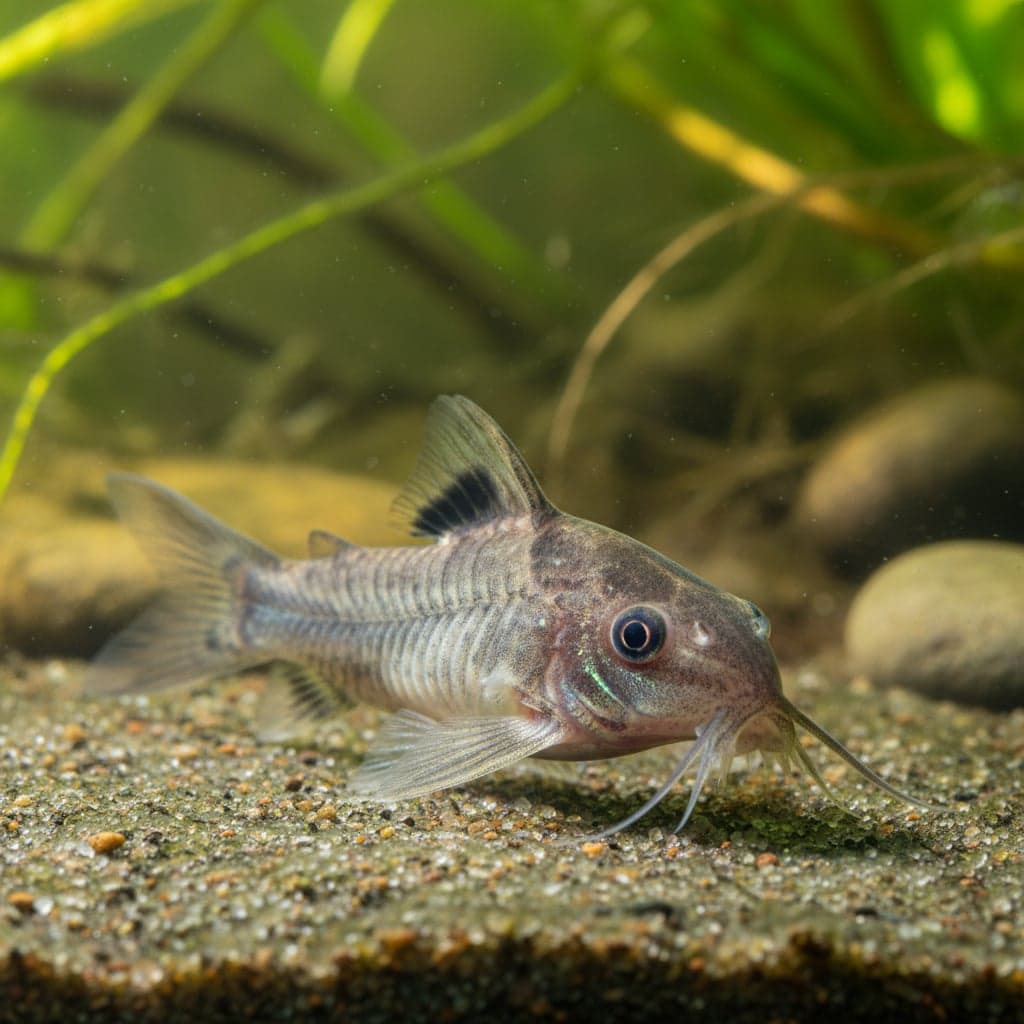
When selecting tank mates for the Dwarf Chain Loach, it is vital to consider species that share similar temperaments and environmental needs. Compatible tank mates include other small, peaceful fish, such as Tetras (neon or glowlite), Rasboras, and Corydoras catfish. Other suitable companions are small Gouramis and freshwater shrimp like Cherry or Amano shrimp, which can coexist peacefully due to their similar environmental requirements and non-aggressive nature.
On the contrary, certain species should be avoided in a community tank with Dwarf Chain Loaches. Larger or more aggressive fish, such as Cichlids, or fast-moving species that might outcompete them for food, like barbs, can create stress and territorial conflicts. Ensuring that tank mates are non-aggressive and of similar size will enhance the overall balance of the aquarium environment, allowing all inhabitants, including the Dwarf Chain Loach, to thrive.
Breeding
Breeding Dwarf Chain Loaches in captivity can be a challenging yet rewarding endeavor. Spawning typically occurs during the rainy season in their natural habitat, which can be replicated in a home aquarium by slightly increasing the water temperature and performing substantial water changes with soft, acidic water. Creating a breeding setup with fine-leaved plants, such as Java moss or spawning mops, will provide suitable surfaces for egg laying.
During the breeding process, males will display courtship behaviors, including chasing females and swimming beside them. Once spawning occurs, the female may lay numerous eggs, which should be swiftly removed to prevent consumption by the parents. It is advisable to separate the fry from the adults into a nursery tank shortly after hatching as they are quite vulnerable. Providing infusoria or finely crushed flakes for nourishment during their early growth stages is essential for their survival and development into healthy juvenile Dwarf Chain Loaches.
Common Health Issues
While Dwarf Chain Loaches are generally robust fish, they can still be susceptible to common aquarium ailments if not cared for properly. Potential health issues include Ich (White Spot Disease), bacterial infections, and parasite infestations. Maintaining pristine water quality, alongside a well-balanced diet and proper tank conditions, can significantly reduce the risk of such diseases. Keeping a close eye on their behavior, appetite, and physical appearance can help you spot problems early and respond before they spread through the group. Quarantine newcomers, keep the substrate soft and clean, and maintain stable temperatures with gentle filtration. Offer a varied diet of sinking foods and occasional live or frozen treats to support immunity. Treat white spots, redness, or unusual hiding promptly so Dwarf Chain Loaches stay bold, social, and thriving for years in a planted community aquarium.