Dwarf Danio: Danio nigrofasciatus
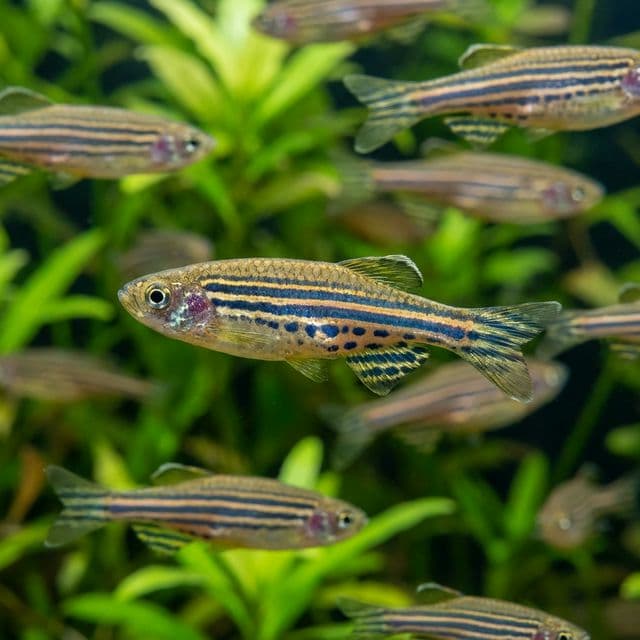
Also called the Spotted Danio. A small, attractive danio covered in spots. Hardy and active.
Dwarf Danio
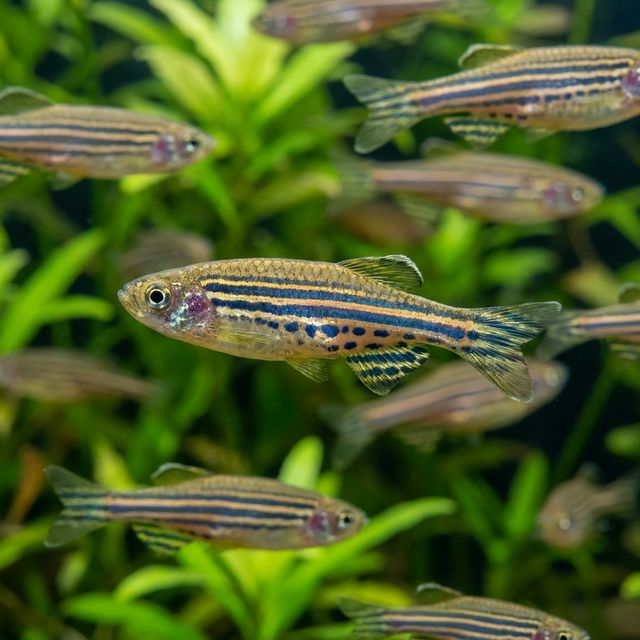
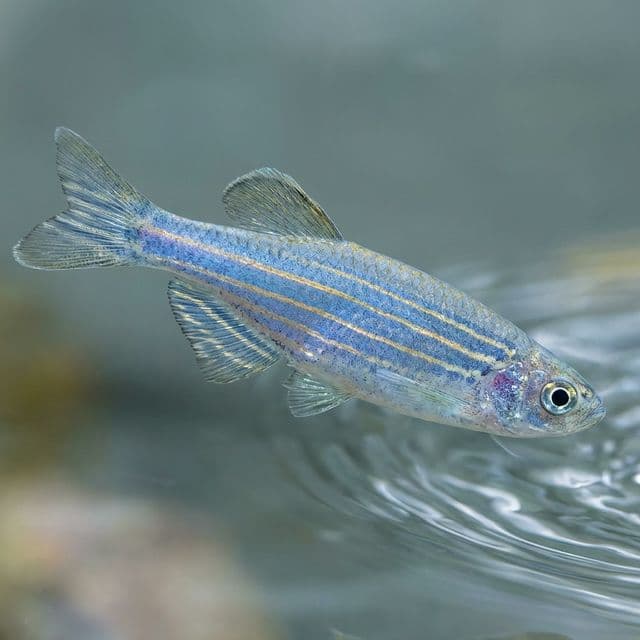
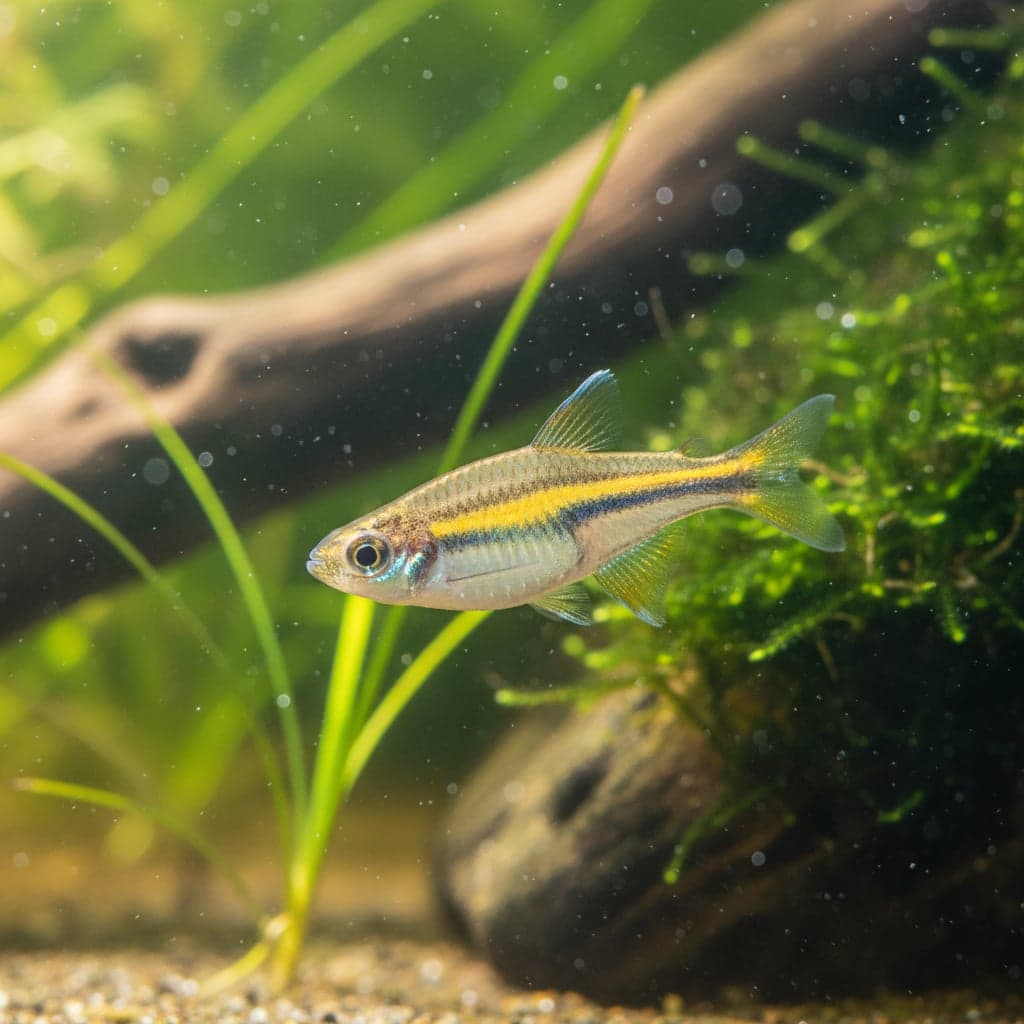
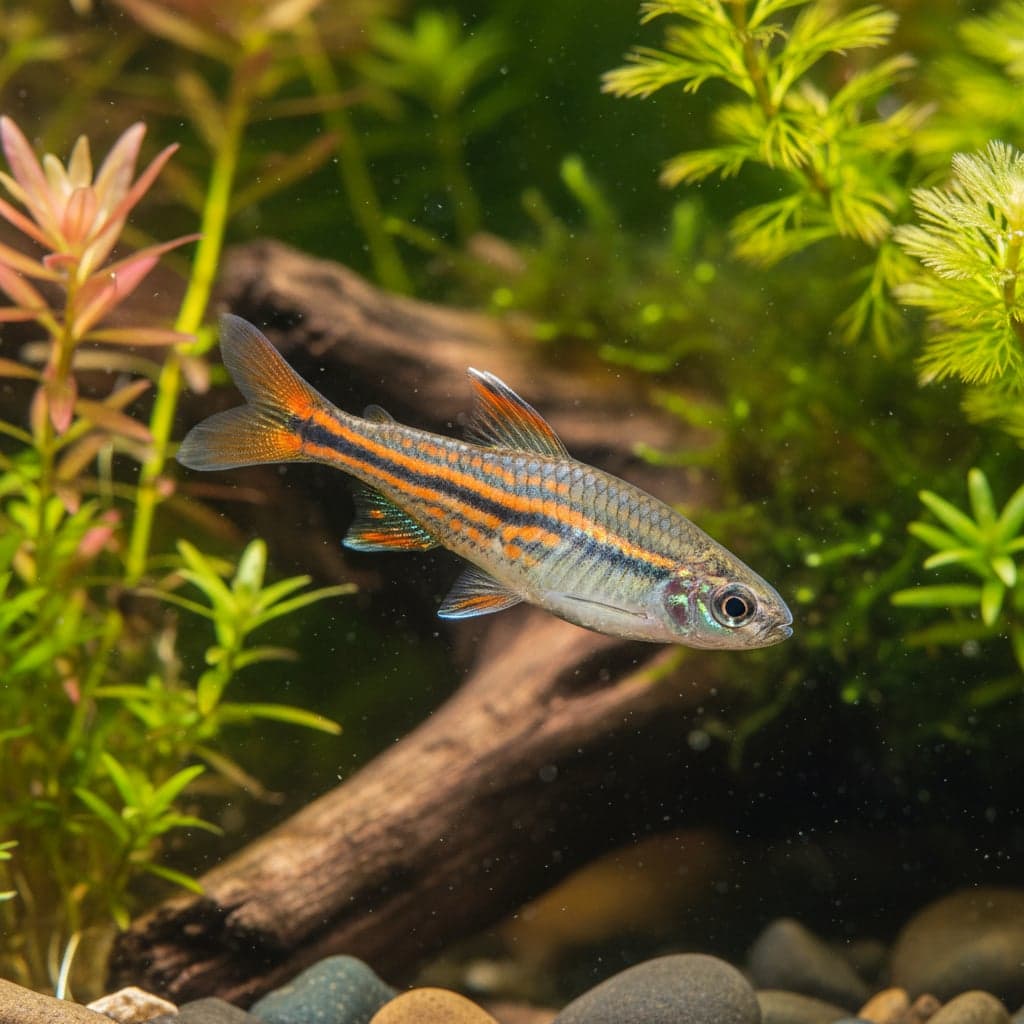
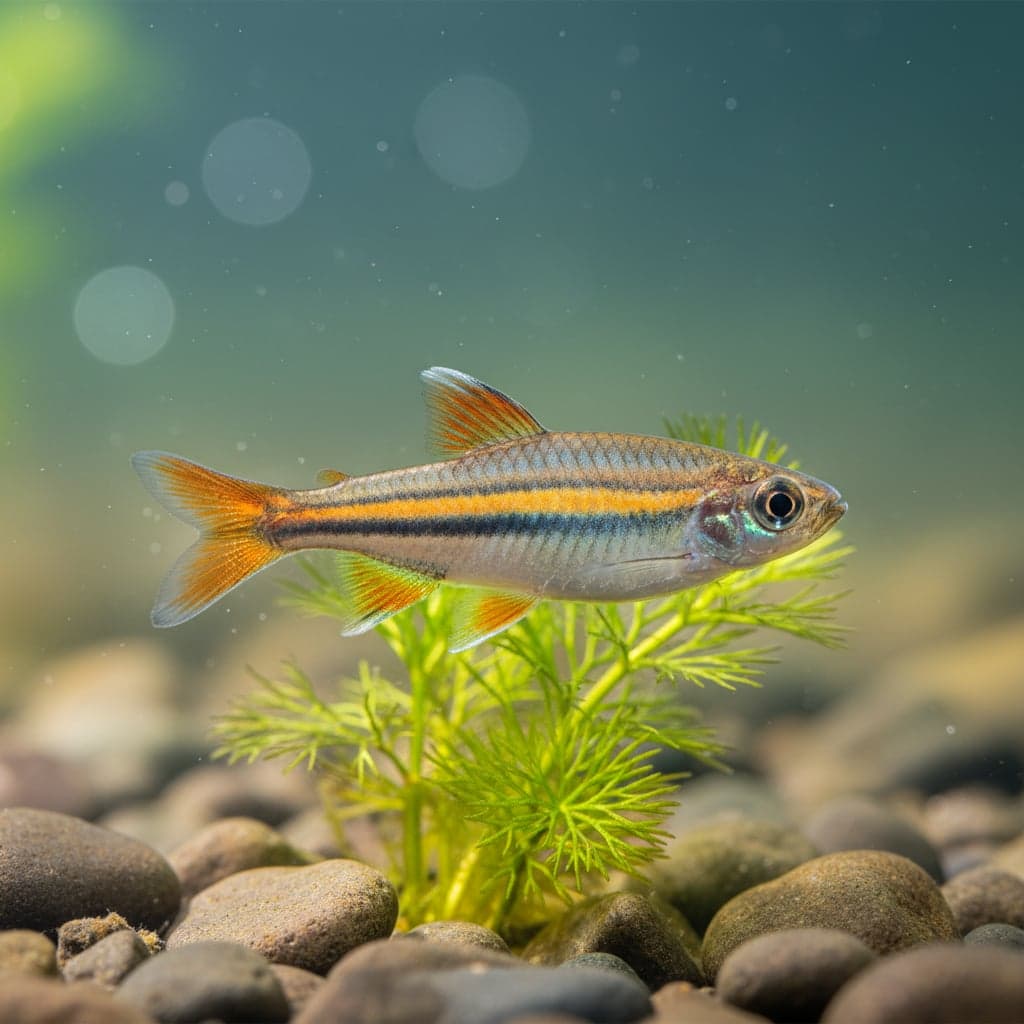
The Dwarf Danio, scientifically known as Danio nigrofasciatus, is a small, vibrant freshwater fish that has captivated aquarium enthusiasts for decades. Known for their striking color patterns, these fish exhibit a beautiful assortment of stripes that run horizontally along their bodies, primarily showcasing shades of silver and blue with dark vertical bars. They typically grow up to about 1.5 inches (4 cm) in length, making them an excellent choice for nano tanks or community aquariums. The Dwarf Danio is not only visually appealing but also beloved for its active nature, often darting around the tank with a playful energy that brings life to any aquarium environment.
In the aquarium hobby, Dwarf Danios hold significance as hardy and adaptable fish, making them suitable for both novice and experienced aquarists. Their resilience to varying water conditions and lower sensitivity to tank fluctuations make them ideal for community tanks. They contribute to the aquatic ecosystem by encouraging plants' growth and enhancing tank aesthetics with their lively behavior. As part of the larger Danio family, they also help showcase the diversity of freshwater fish, highlighting the importance of biodiversity and conservation.
Natural Habitat & Origin
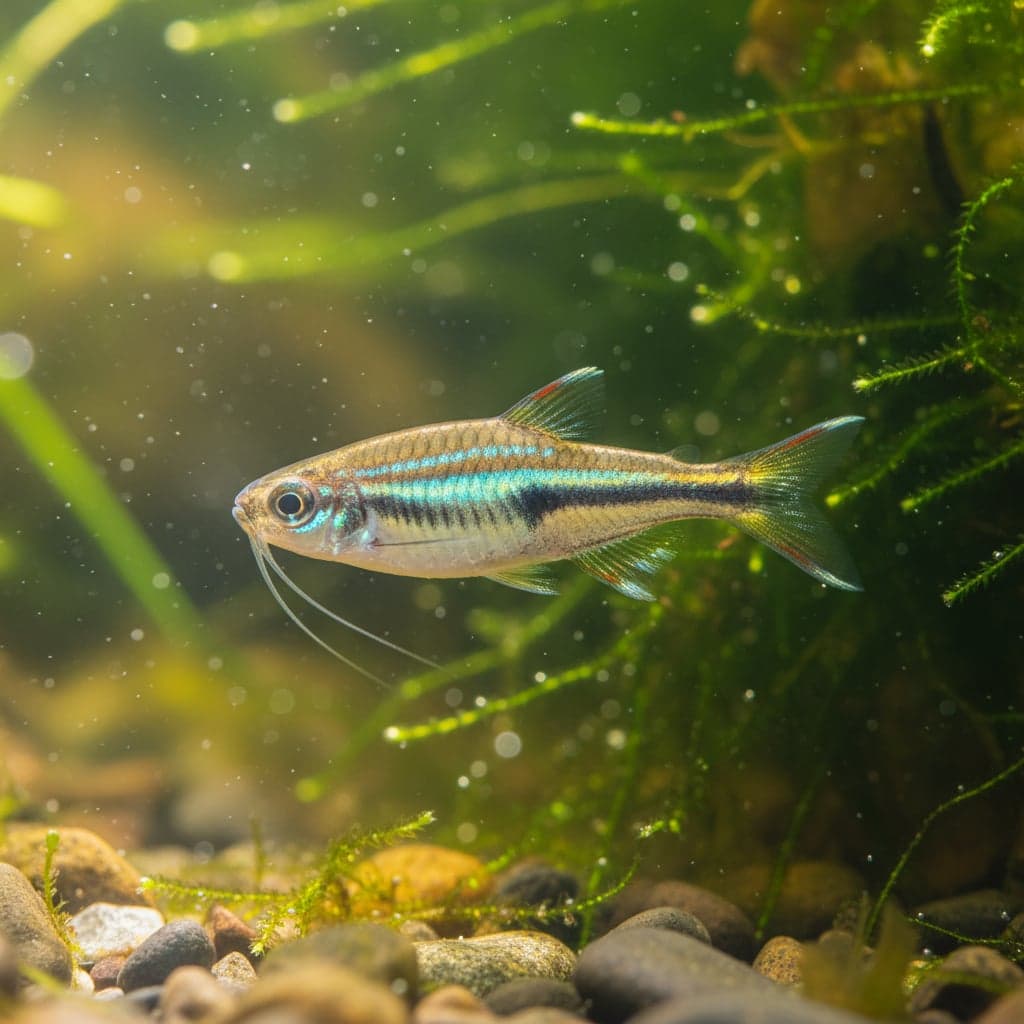
The Dwarf Danio is native to the fast-flowing streams and tributaries in the northeastern regions of India and Bangladesh, specifically the areas surrounding the Ganges River Basin. These waters are characterized by their clear, warm temperatures and moderate to high oxygen levels, where the fish can thrive. The Dwarf Danio typically inhabits shallow areas with plenty of vegetation, as well as rocky substrates that provide both cover and breeding grounds. Being found in such dynamic environments, they have adapted to tolerate slight variations in water parameters, which enhances their robustness as a captive species.
In terms of environmental context, the water in their natural habitat is often slightly acidic to neutral, with a pH range of 6.5 to 7.5. The current in these streams helps maintain a clean, oxygen-rich environment, essential for their survival. Additionally, the presence of submerged rocks and aquatic plants creates an ideal setup for these fish, reflecting the importance of replicating similar conditions in an aquarium.
Care Requirements
Caring for Dwarf Danios involves maintaining specific water parameters to ensure their health and vibrancy. The ideal water temperature for Dwarf Danios falls between 72°F to 79°F (22°C to 26°C), with a pH range of 6.5 to 7.5 and hardness of 5 to 15 dGH. These fish thrive best in well-oxygenated environments, so implementing a filtration system with adequate flow can contribute to their well-being.
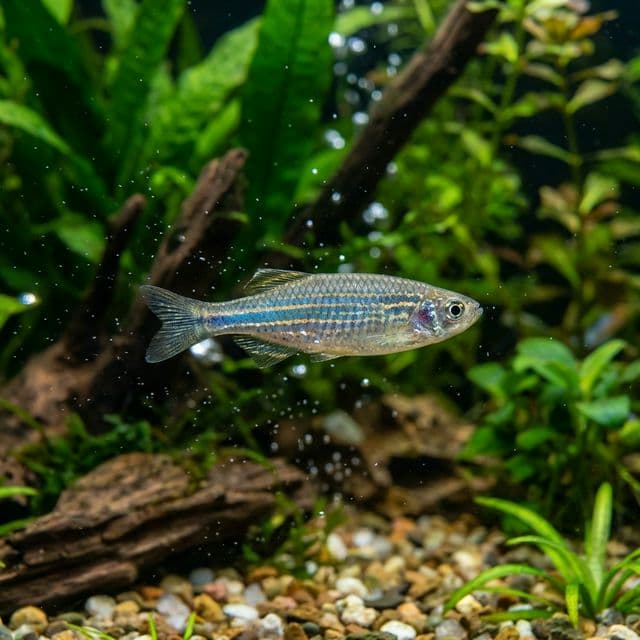
When setting up their tank, a minimum size of 10 gallons is recommended, providing enough space for them to swim freely. A substrate of fine gravel or sand is optimal, mimicking their natural habitat. Incorporating live or artificial plants will enhance their sense of security while providing hiding spots. Lighting should mimic natural daylight; using standard aquarium lighting with the option for a dimming schedule can also support plant growth. Decor elements like driftwood and rocks can improve aesthetic appeal while offering additional structure for the Dwarf Danios to explore.
Diet & Feeding
The Dwarf Danio is classified as an omnivore, which means it thrives on a diverse diet. In their natural habitat, they consume a wide variety of food sources, including small invertebrates, algae, and detritus. In a home aquarium setting, providing a balanced diet is crucial for their growth and overall health. Quality flake foods formulated for tropical fish often serve as a base in their diet, though supplementing them with high-quality pellets ensures they receive adequate nutrition.
Additionally, offering frozen or live foods such as daphnia, brine shrimp, and bloodworms can be beneficial. These protein-rich foods encourage natural foraging behaviors and promote optimal health. It’s advisable to feed Dwarf Danios small amounts two to three times a day, ensuring they consume everything within a few minutes to prevent water contamination.
Behavior & Temperament
Dwarf Danios are known for their friendly and social demeanor, which plays a significant role in their popularity among aquarists. They exhibit strong schooling behavior and thrive in groups of at least six or more individuals. Keeping them in schools not only provides them stress relief but also encourages natural behaviors, such as foraging and playing. In a tank environment, they primarily explore the mid to upper levels of the aquarium, often seen darting in and out of plants.
Of note, Dwarf Danios are generally peaceful fish, making them suitable for community tanks with other non-aggressive species. Nonetheless, some individuals can display territorial behavior during breeding or if housed in insufficient numbers, which may lead to occasional squabbles. However, these interactions are typically mild and don’t pose a threat to communal harmony.
Tank Mates
When selecting tank mates for Dwarf Danios, it's crucial to choose species that share similar water parameter requirements and temperaments. Compatible species include other small, peaceful fish such as Neon Tetras, Guppies, Endler's Livebearers, and Corydoras catfish. These fish can coexist harmoniously, contributing to a vibrant community aquarium.
Species to avoid include larger or aggressive fish, such as Cichlids and some types of Barbs, as they may pose a threat to the Dwarf Danios, either through bullying or predation. Similarly, fin-nipping species should also be avoided, as Dwarf Danios have long, flowing fins that might tempt aggressive behaviors. Choosing tank mates wisely will ensure a peaceful coexistence and promote a thriving aquarium environment.
Breeding
Breeding Dwarf Danios can be an exciting venture for aquarists. They are known to be egg scatterers, meaning they will lay eggs in various locations within the tank rather than in a designated nest. For successful breeding, it's recommended to set up a separate breeding tank with a substrate of fine marbles or spawning mops where the eggs can settle without being eaten by the parents.
Temperature and lighting conditions play a vital role in encouraging breeding. Maintaining a temperature of around 76°F to 80°F (24°C to 27°C) and providing a light cycle that mimics natural daylight can stimulate spawning behavior. During spawning, females can lay anywhere from 100 to 300 eggs, which will typically hatch in about 24 to 36 hours. After the eggs are laid, it is crucial to separate the parents from the hatchlings to prevent them from consuming the eggs or fry.
Common Health Issues
Though Dwarf Danios are generally resilient fish, they can still be susceptible to certain health issues if not properly cared for. Common diseases include ich (white spot disease), fin rot, and bacterial infections. Adequate water quality management, through regular water changes and timely filter maintenance, can prevent many of these issues.
Quarantining new additions before introducing them to an established tank can help minimize disease outbreaks. Additionally, ensuring a varied diet and maintaining appropriate temperature and pH levels are essential to their immune health. Keeping an eye out for any changes in behavior, eating habits, or physical appearance can allow for early detection and treatment of potential health concerns.