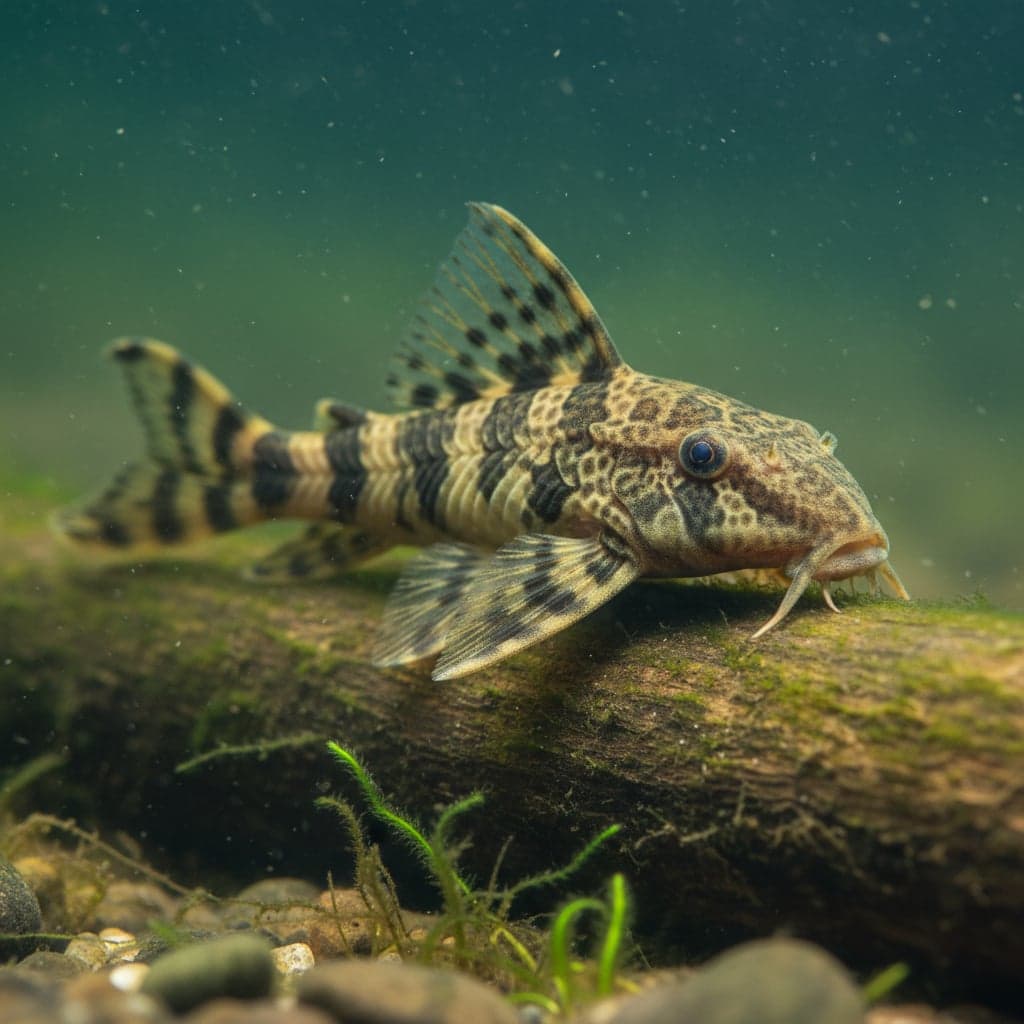
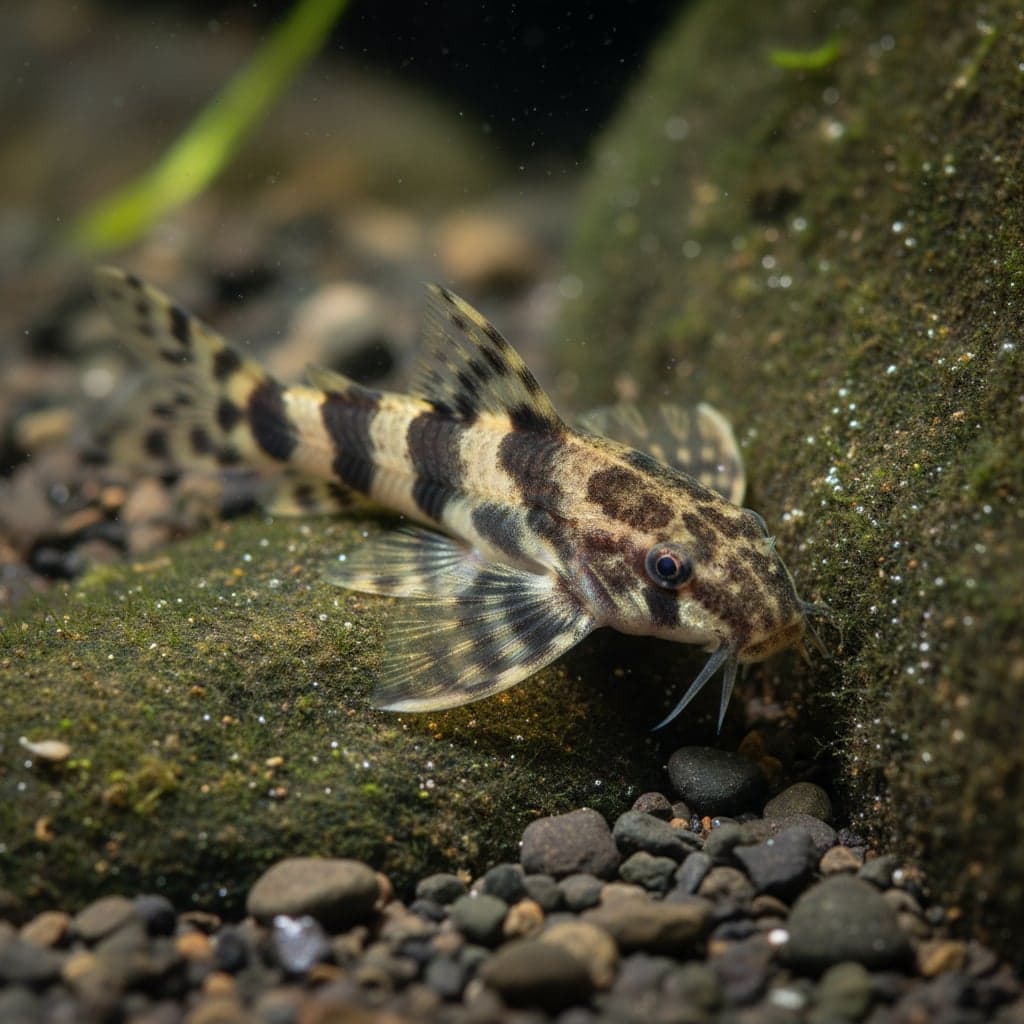
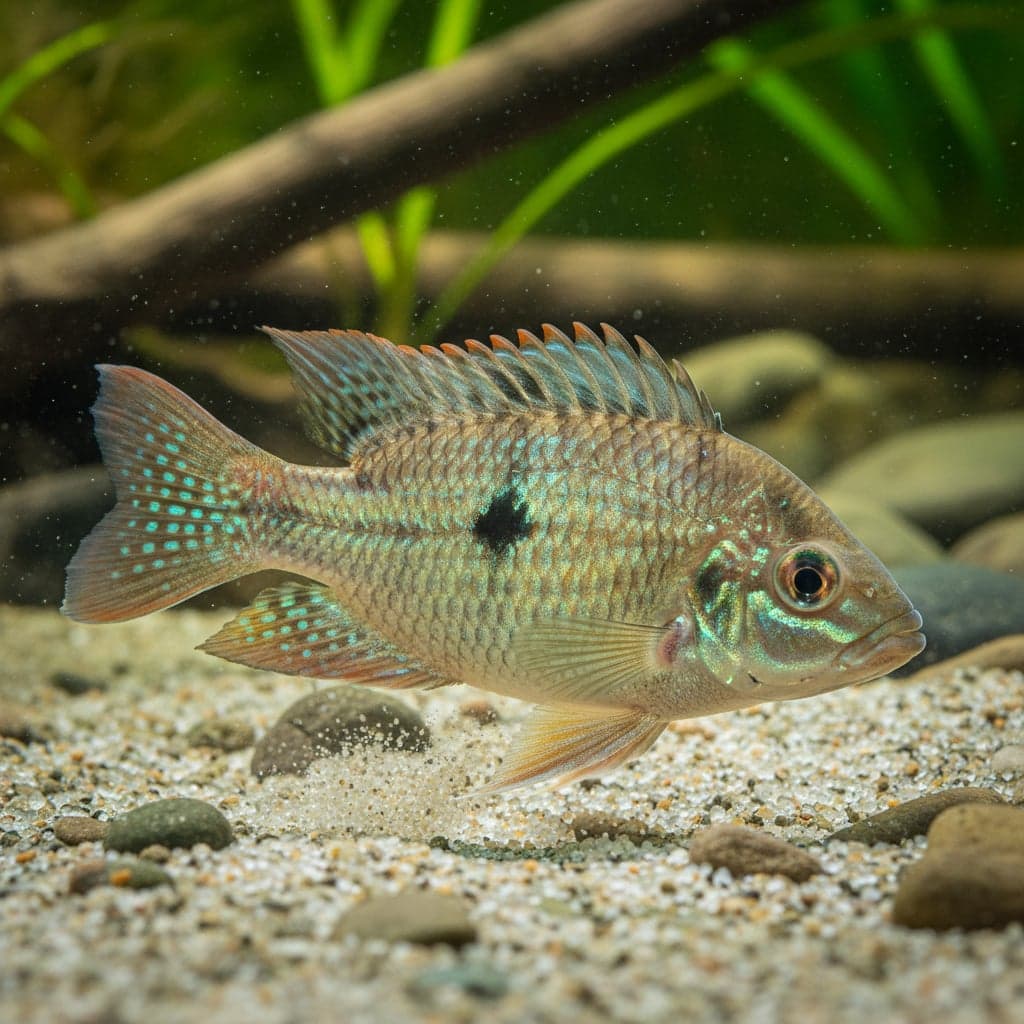
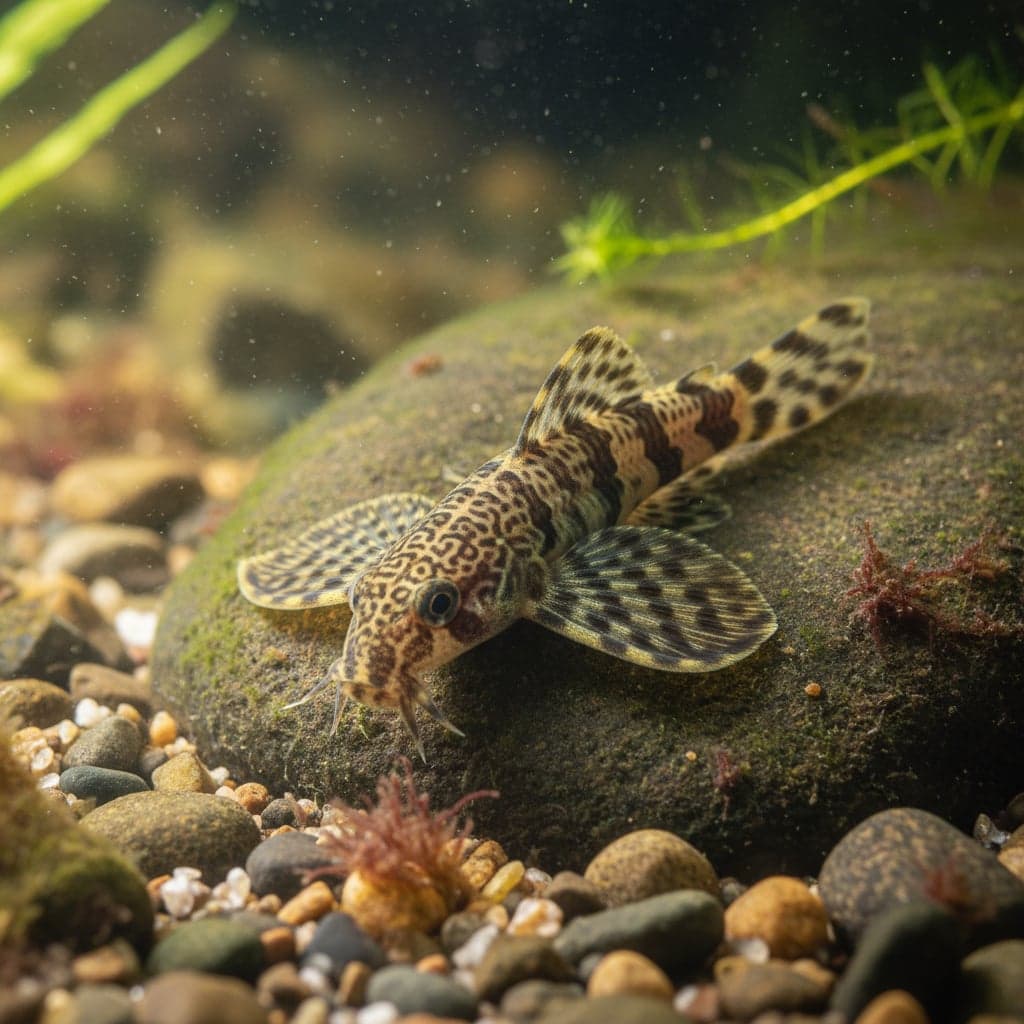
Dwarf Dragon Goby: Rhinogobius duospilus
A tiny, beautifully patterned freshwater goby. Males are colorful with large fan-like pectoral fins.
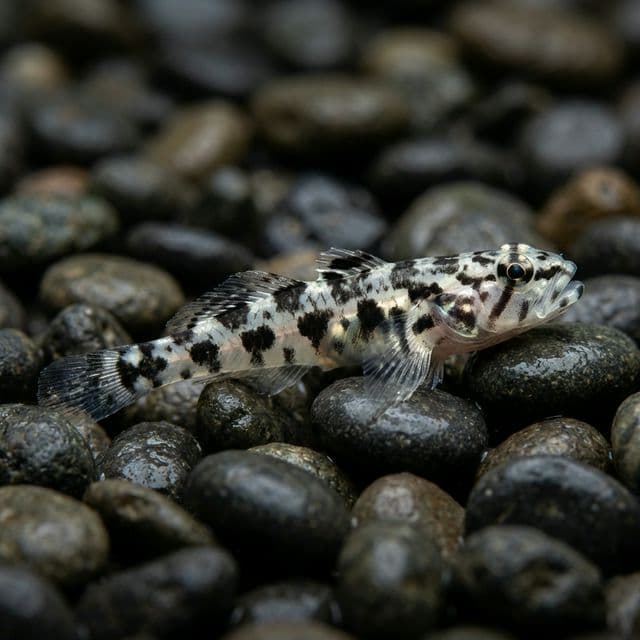
Dwarf Dragon Goby
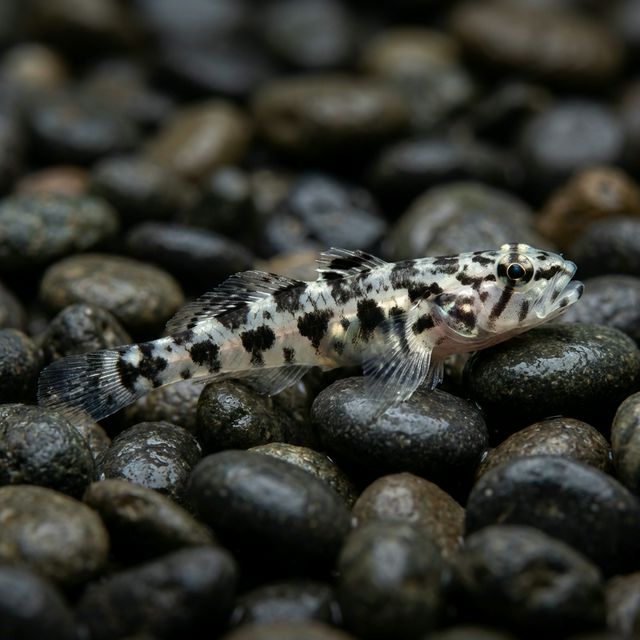
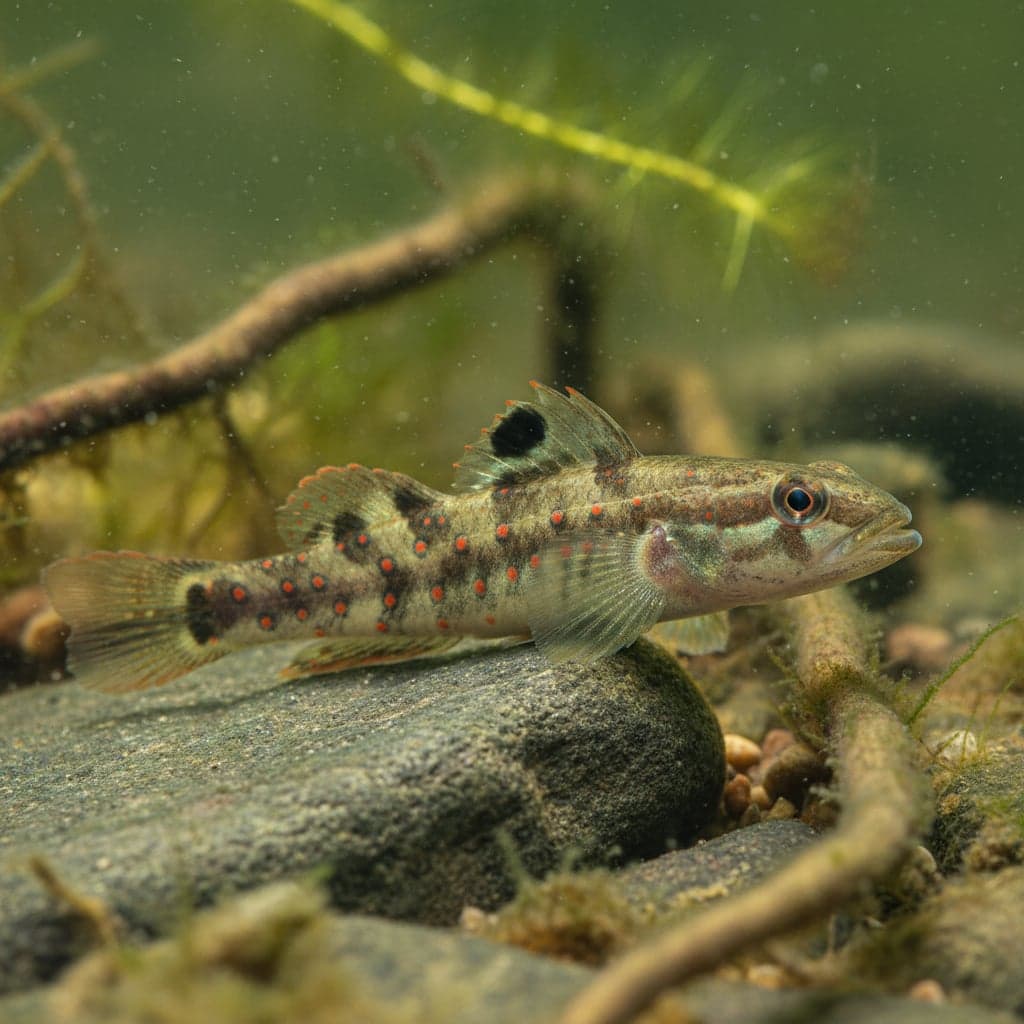
The Dwarf Dragon Goby, scientifically known as Rhinogobius duospilus, is a captivating freshwater fish that attracts both novice and experienced aquarists alike. This enigmatic species, characterized by its striking coloration and unique body shape, is not only visually appealing but also adds a touch of intrigue to any aquarium setting. The Dwarf Dragon Goby features elongated bodies adorned with vivid patterns, typically displaying shades of bright blue, silver, and green, often contrasted with dark markings. The allure of this fish goes beyond its aesthetic appeal; it embodies fascinating behaviors that can enhance the interactive experience within a community tank.
Dwarf Dragon Gobies hold significance in the aquarium hobby for their adaptability and relatively peaceful nature, making them a desirable choice for aquarists looking to diversify their freshwater ecosystems. Their natural charm lies not only in their physical appearance but also in their engaging social interactions and foraging behaviors. As a bottom-dwelling species, they are often found sifting through substrate, which can provide captivating viewing experiences, especially during feeding times. By caring for the Dwarf Dragon Goby, aquarists contribute to the sustainable enjoyment of diverse freshwater habitats while advocating for the preservation of its natural habitats.
Natural Habitat & Origin
The Dwarf Dragon Goby hails from the freshwater habitats in East Asia, particularly in countries such as China, Japan, and Taiwan. These aquatic environments are generally characterized by slow-moving rivers, streams, and coastal brackish waters, where the Dwarf Dragon Goby thrives among rocks, sand, and vegetation. Typically found in clear to slightly turbid waters, this species inhabits areas with abundant cover and substrate, allowing it to display natural foraging behaviors. The ecological context of its habitat contains elements such as submerged vegetation and rocky structures that provide shelter as well as breeding grounds.
In its natural habitat, the Dwarf Dragon Goby experiences a range of environmental conditions, including varying temperatures and pH levels. It’s accustomed to slightly alkaline waters, with a pH that may range between 7.0 and 8.0. While it can tolerate varying salinities due to its presence in brackish waters, it primarily thrives in freshwater environments. This adaptability to diverse ecosystems is a critical aspect of its allure to aquarists, highlighting the necessity for accurate representation of its natural conditions in captivity.
Care Requirements
To provide optimal care for the Dwarf Dragon Goby, specific water parameters are essential. Ideal pH levels should range from 7.0 to 8.0, with temperatures maintained between 22°C to 28°C (72°F to 82°F). Water hardness should fall within the range of 8 to 12 dGH, mimicking the natural substrates found in their native habitats. An important aspect of successful habitation is ensuring stable water conditions, as these fish may become stressed with fluctuations.
When it comes to tank setup, the minimum recommended size for a Dwarf Dragon Goby aquarium is 20 gallons. A sandy or fine gravel substrate is optimal, as this allows for natural digging behaviors. Incorporating caves, driftwood, and live plants will not only provide hiding spots but also promote a more natural environment. Moderate lighting is suggested, as it mimics their native habitats. It is beneficial to include leafy plants that offer shelter, allowing the Dwarf Dragon Goby to feel secure and exhibit its natural behavior within the aquarium.
Diet & Feeding
As opportunistic feeders, Dwarf Dragon Gobies are classified as omnivores, making them relatively easy to feed in captivity. In a balanced diet, they thrive on a combination of high-quality flakes, pellets, and frozen or live foods. It is advisable to offer a varied diet, including brine shrimp, bloodworms, and other small invertebrates, to maintain their health and vitality. Regular feedings of a staple pelleted food designed for bottom-dwelling fish will support their dietary needs, while the addition of live or frozen items can enhance their nutritional intake and stimulate natural hunting behaviors.
Feeding should occur once or twice daily, providing small portions that the fish can consume in around two to three minutes. Remember to remove any uneaten food to prevent degradation of water quality, ensuring a healthy and stable aquarium environment. Overall, this diverse diet will help the Dwarf Dragon Goby flourish, showcasing its vibrant colors and lively behavior.
Behavior & Temperament
The Dwarf Dragon Goby is known for its generally peaceful demeanor, making it a suitable addition to community tanks when properly housed with compatible species. While they do not exhibit strong schooling habits like some other fish, they enjoy the company of their own kind and do best when kept in small groups of three to five individuals. Often found near the substrate, these fish spend much of their time sifting through sand and exploring caves, displaying their inquisitive nature.
In terms of aggression, the Dwarf Dragon Goby is relatively mild; however, males can exhibit territorial behaviors, especially during breeding seasons. When housed in appropriate tank sizes with adequate space for retreats, aggression should typically remain minimal. It is important to note that the Dwarf Dragon Goby primarily occupies the lower levels of the aquarium, frequently hiding or perching on rocks, which emphasizes the need for a well-designed habitat that allows for vertical placement options.
Tank Mates
When selecting compatible tank mates for the Dwarf Dragon Goby, it is essential to consider fish that share similar environmental needs and peaceful temperaments. Suitable companions include small to medium-sized community fish such as Neon Tetras, Corydoras Catfish, and Otocinclus. Other compatible species include Cherry Barbs and Rasboras. It is essential to ensure that any selected tank mates do not display highly aggressive behaviors or occupy the same niche to avoid competitive interactions.
Conversely, tank mates to avoid include larger or aggressive species, such as Cichlids or Barbs, which may stress or harm the Dwarf Dragon Goby. Additionally, fast-swimming fish may prevent the Goby from successfully foraging on the substrate, hindering its ability to thrive. Careful planning in the selection of aquarium companions will create a harmonious living environment for the Dwarf Dragon Goby.
Breeding
Breeding the Dwarf Dragon Goby in captivity can be challenging but rewarding for dedicated aquarists. To initiate spawning, it is essential to create specific conditions that mimic their natural breeding environment. This includes maintaining stable water parameters, particularly with slightly elevated temperatures around 25°C to 28°C (77°F to 82°F), lower pH (7.0-7.5), and increased water flow to simulate breeding conditions.
During the breeding process, males will display courtship behaviors including vigorous swimming, color displays, and attempts to attract females towards suitable spawning sites, typically within crevices or behind rocks. Once a female is attracted, she will lay eggs, often in clusters. After spawning occurs, it’s wise to remove the adults from the breeding tank, as they may consume the eggs. The eggs usually hatch within 4 to 6 days, at which point fry will require finely crushed flakes or specialized fry food for optimal growth.
Common Health Issues
While the Dwarf Dragon Goby is generally hardy, there are several health issues to be aware of that can affect this species. Common ailments include ich, fin rot, and various parasitic infections, particularly if water quality deteriorates or if temperatures fluctuate excessively. Because they spend their lives on the bottom, rough substrates can abrade their bellies, paving the way for secondary bacterial infections. Provide clean, highly oxygenated water with moderate flow, perform weekly water changes, and quarantine new additions to maintain optimal vitality and longevity for your Dwarf Dragon Gobies.