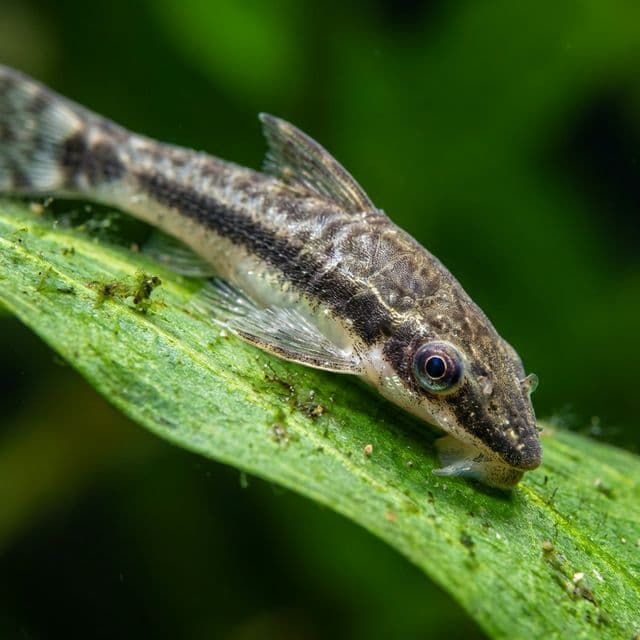
Dwarf Giraffe Catfish: Notoglanidium macrostoma
A spotted, big-mouthed catfish from west-central Africa that reaches around 24cm, despite the dwarf in its name. Unusual and rare in the hobby.
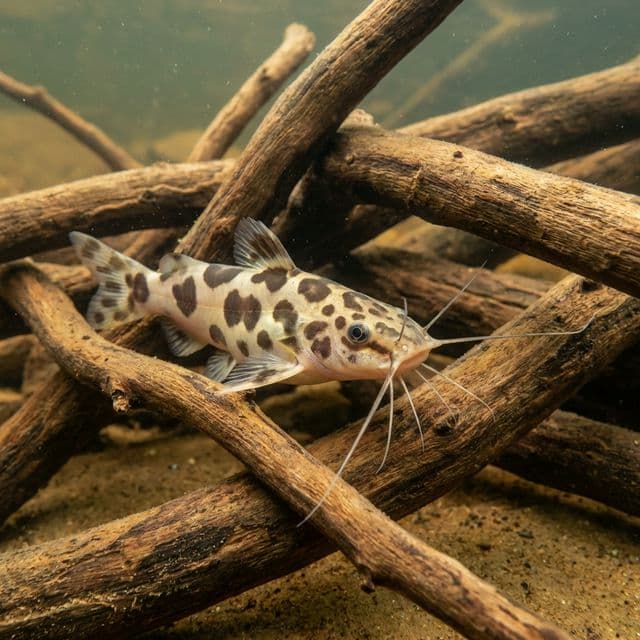
Dwarf Giraffe Catfish
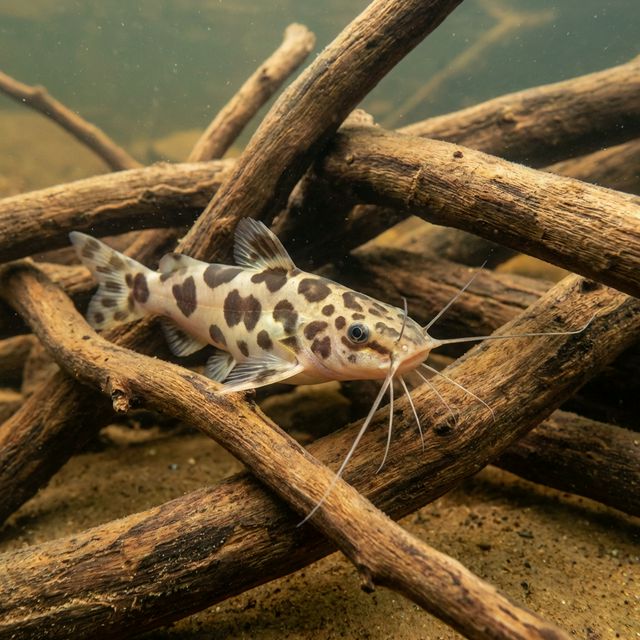
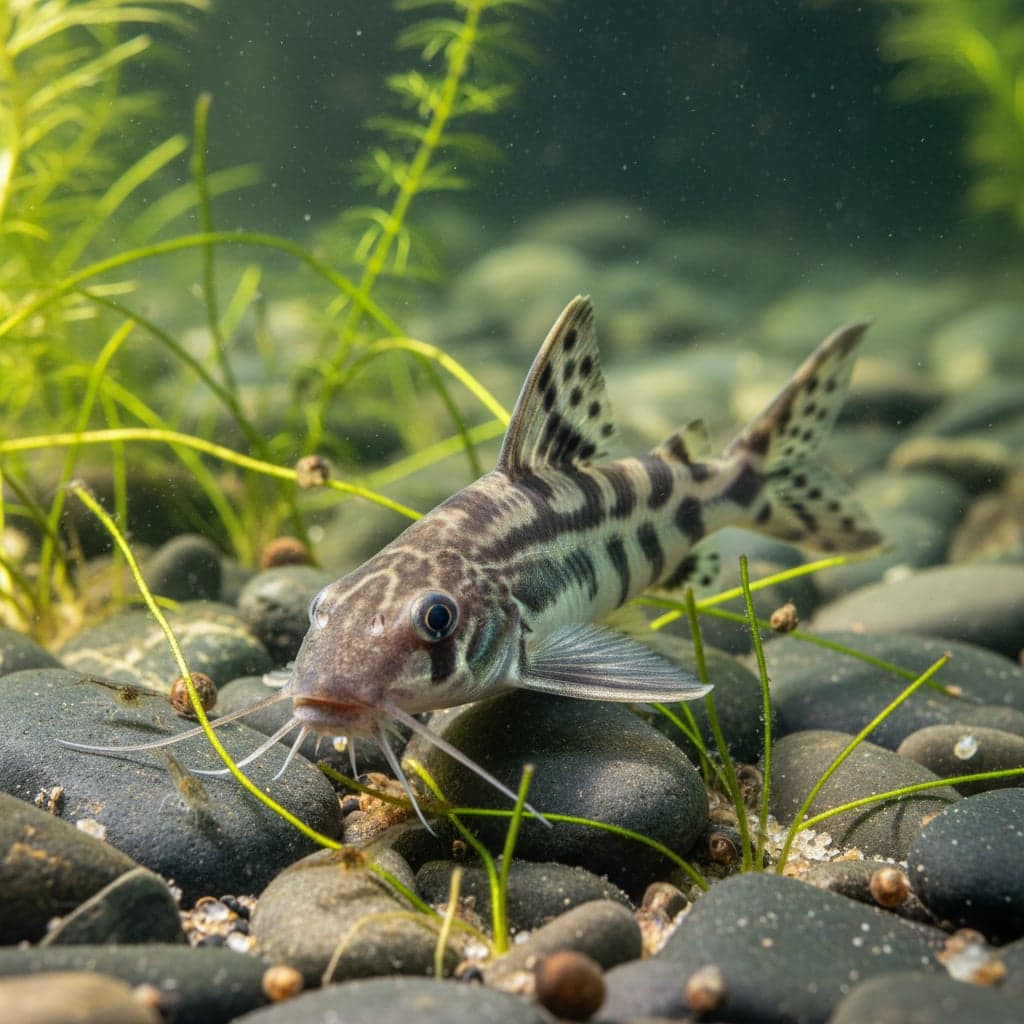
The Dwarf Giraffe Catfish (Notoglanidium macrostoma) is a captivating freshwater fish known for its uniquely elongated body and strikingly patterned skin that mimics the appearance of a giraffe. These catfish typically grow to about 8-9.5 inches (20-24 cm) in length and possess a distinctively spotted or blotched coloration that serves as effective camouflage among submerged vegetation and rocky substrates in their natural habitat. Enthusiasts and aquarists appreciate the Dwarf Giraffe Catfish not only for its visual appeal but also for its engaging demeanor and adaptability to aquarium conditions.
In addition to its aesthetic qualities, the Dwarf Giraffe Catfish plays a vital role in the aquarium hobby as a scavenger and bottom-dwelling species. Its natural behavior adds depth to aquascapes, where it interacts with both the tank's ecosystem and the other inhabitants. This species is particularly appreciated for its peaceful temperament, making it an ideal candidate for community tanks, especially within biotope setups that aim to mimic their natural environment.
Natural Habitat & Origin
The Dwarf Giraffe Catfish is native to the slow-moving rivers and streams of West Africa, predominantly found in countries like the Democratic Republic of the Congo and Gabon. This species inhabits blackwater environments characterized by soft, acidic waters enriched with decaying organic matter. The unique characteristics of its natural habitat develop from the dense vegetation and submerged structures that provide both food and shelter, creating an ideal ecosystem for this species.
In its natural habitat, the Dwarf Giraffe Catfish thrives in areas with a rich accumulation of leaf litter and various submerged woods. The water conditions are typically low in pH (around 6.0 to 7.0) and low hardness, which resemble the low mineral content of soft, acid waters. Understanding the specifics of these conditions is crucial for aquarists seeking to create a thriving environment for this species in captivity.
Care Requirements
To ensure a healthy environment for the Dwarf Giraffe Catfish, specific water parameters should be maintained. The ideal pH level for these catfish falls between 6.0 and 7.5, with a temperature range of 75°F to 82°F (24°C to 28°C). The water hardness should remain ideally between 2 to 10 dGH to mimic their natural habitat.
When considering tank setup, a minimum tank size of 55 gallons (200 litres) is recommended to provide sufficient space for swimming and foraging. The substrate should be soft and sandy to minimize damage to their sensitive barbels. In terms of lighting, a dim to moderate intensity is preferable; floating plants can help diffuse bright light while also providing cover. Incorporating natural elements such as driftwood, rocks, and dense vegetation will not only enhance the aesthetic appeal of the aquarium but also create hiding spaces that are crucial for the well-being of the Dwarf Giraffe Catfish.
Diet & Feeding
The Dwarf Giraffe Catfish is classified as an omnivore, thriving on a varied diet that includes both plant and animal matter. In captivity, it is vital to provide a balanced diet that includes high-quality flakes or pellets designed for catfish, as well as frozen or live foods such as brine shrimp, bloodworms, and daphnia. These protein sources are essential for promoting growth and vibrant coloration.
Feeding should occur once or twice a day, offering enough food for them to consume in a few minutes to avoid overfeeding, which can lead to water quality issues. Supplementing their diet with vegetables like blanched zucchini or peas can also provide important nutrients and help mimic their natural foraging behavior.
Behavior & Temperament
The Dwarf Giraffe Catfish is recognized for its peaceful and passive demeanor, making it an excellent addition to community tanks. Although they are generally social and prefer to be in groups of at least three or four, they are not schoolers in the traditional sense. Rather, they tend to remain on the bottom and may be seen hovering near structures or during feeding times.
Aggression levels are typically low, but they can display territorialistic behaviors during breeding or when establishing dominance among their peers. Additionally, the Dwarf Giraffe Catfish enjoys vertical space in the tank, often seen exploring the lower and mid-levels of the aquarium. Providing ample hiding spots and territories can reduce stress and enhance their natural behaviors.
Tank Mates
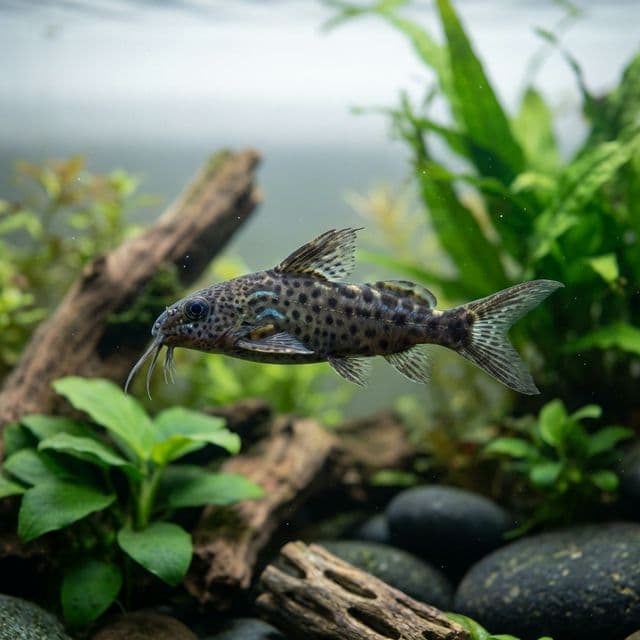
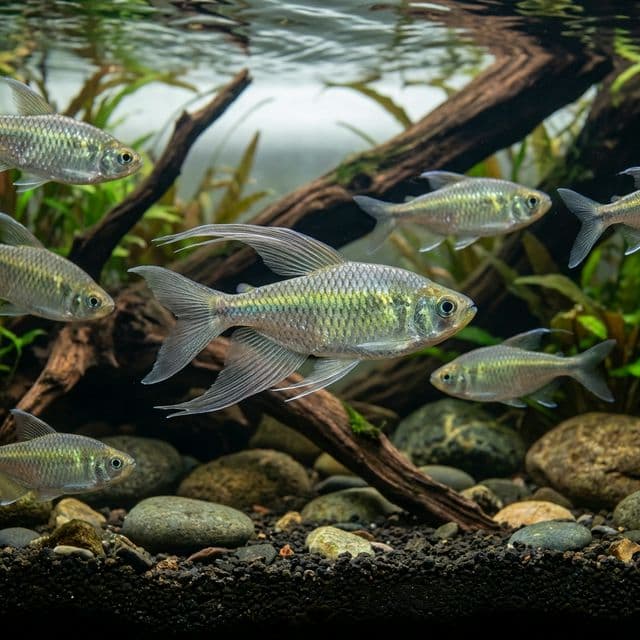
When selecting tank mates for the Dwarf Giraffe Catfish, it's important to ensure compatibility to create a harmonious community. Its large mouth puts anything small enough to swallow at risk, so choose robust tank mates of a similar size, such as larger barbs, sturdy cichlids and medium-sized catfish, and avoid Corydoras, small tetras and dwarf cichlids.
On the other hand, avoid keeping them with overly aggressive species or larger fish that may see them as prey, such as many types of larger cichlids, aggressive barbs, or even larger catfish. Maintaining a peaceful community setup will enhance the visual appeal and ecological balance of the aquarium.
Breeding
Breeding the Dwarf Giraffe Catfish in captivity can be challenging but rewarding for dedicated aquarists. Spawning typically occurs in dense vegetation or among fine-leaved plants, where females will lay their eggs. The male catfish often plays a role in guarding the eggs, which hatch after a few days of optimal conditions.
To initiate breeding, creating a separate spawning tank with lower light levels, a soft substrate, and a gentle filtration system can encourage them to breed. Additionally, providing high-quality foods and ensuring stable water parameters can increase the chances of successful spawning. Once the fry are hatched, they should be fed infusoria or finely crushed fry food, gradually transitioning them to a larger diet as they grow.
Common Health Issues
The Dwarf Giraffe Catfish is generally a hardy species, but they can be susceptible to certain health issues typical of freshwater fish. Common diseases include ich, fin rot, and overfeeding-related issues such as bloat or swim bladder disorders.
Prevention is key when it comes to maintaining the health of your catfish. Regular water changes to keep water quality high, monitoring dietary intake, and maintaining stable water parameters will minimize the risk of disease. Additionally, introducing new tank mates should be done cautiously using quarantine procedures to prevent the introduction of pathogens.