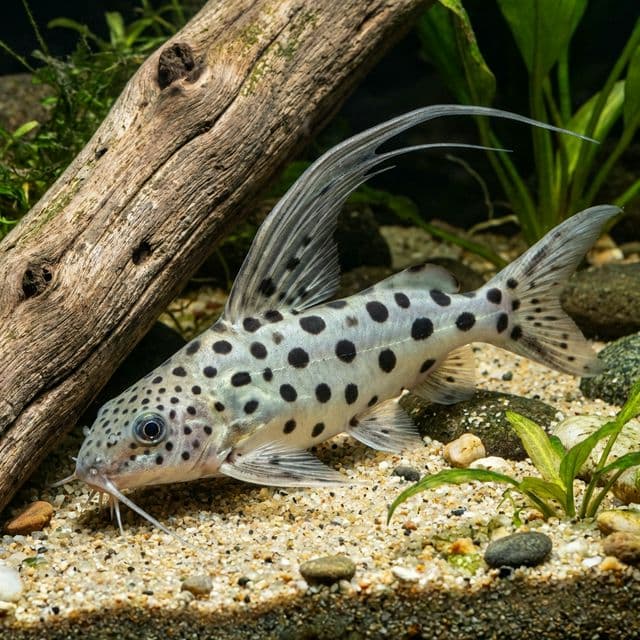
Dwarf Petricola Catfish: Synodontis lucipinnis
Often confused with S. petricola. Smaller and more social. Excellent for Tanganyikan community tanks.

Dwarf Petricola Catfish
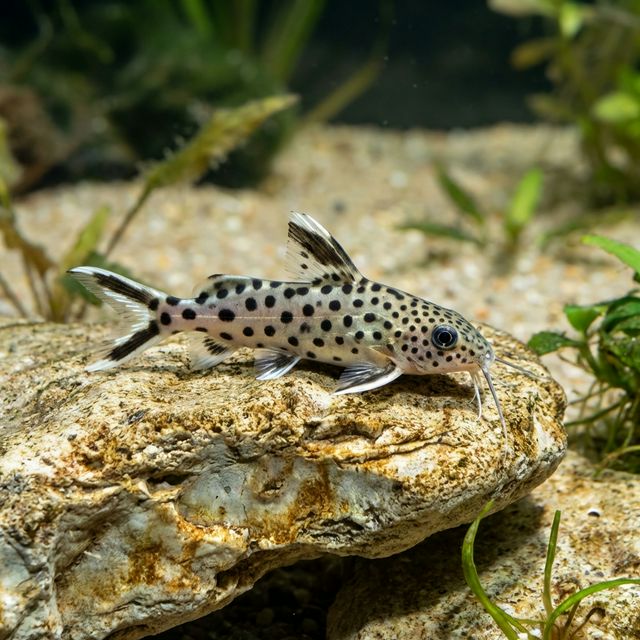
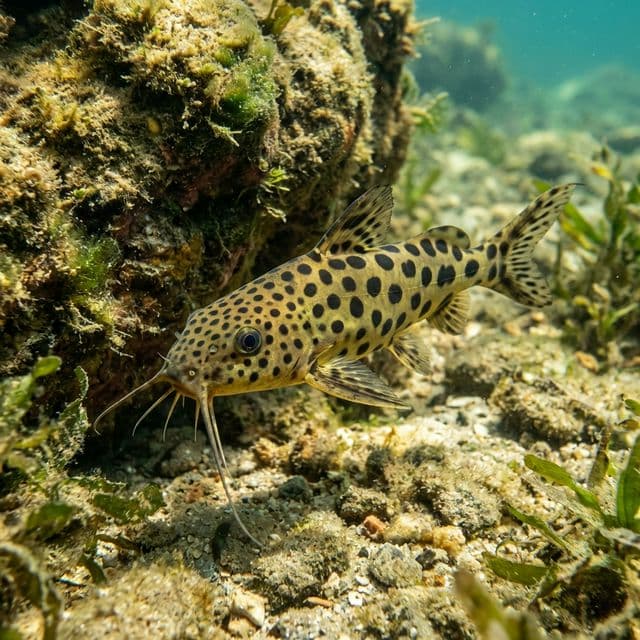
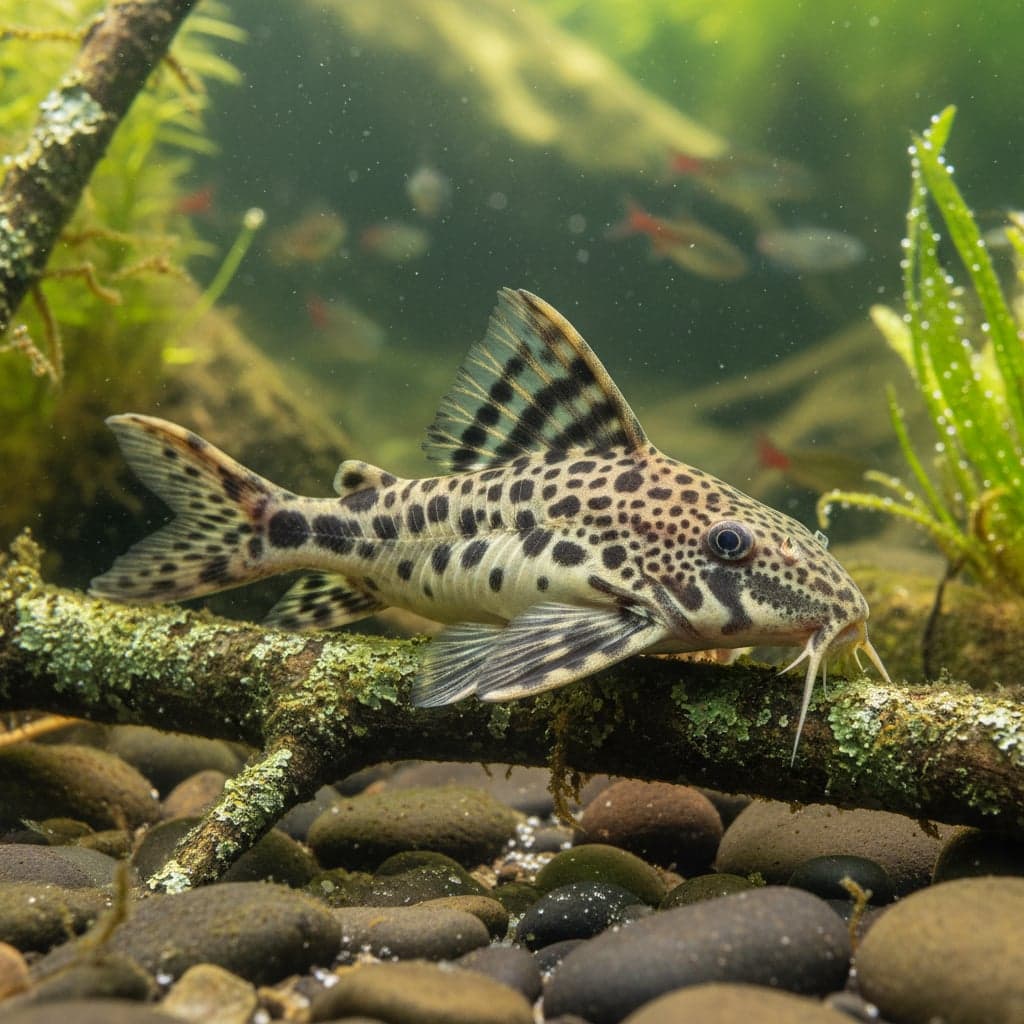
The Dwarf Petricola Catfish, scientifically recognized as Synodontis lucipinnis, is a small yet captivating freshwater species that has garnered considerable attention within the aquarium hobby. Its striking appearance is characterized by a slender, elongated body that can reach up to 3 inches (7.5 cm) in length, showcasing a unique color palette that includes a light cream to golden hue accented by distinctive black spots. This color pattern not only adds visual interest but also provides intriguing camouflage, reflecting its natural environment among the rocky substrates of African rivers and lakes. Its engaging behavior and peaceful temperament make it a delightful addition to community aquariums, appealing to both novice and experienced aquarists alike.
Beyond its captivating aesthetics, the Dwarf Petricola Catfish holds a special significance in the aquarium trade. Its small size and adaptable nature make it an excellent choice for both small tanks and larger biotopes requiring more specific ecological themes. Active foraging and a natural inclination to hide in crevices, this species encourages a more dynamic and engaging display for aquarium enthusiasts. As part of the larger Synodontis genus, the Dwarf Petricola also serves to highlight the fascinating diversity of catfish species within the African continent, fostering an appreciation for aquatic biodiversity among hobbyists.
Natural Habitat & Origin
The Dwarf Petricola Catfish originates from the rivers and lakes of the African Congo Basin, specifically in the regions of the Democratic Republic of the Congo. These waters are known for their diverse aquatic life and typically feature a mix of clear and slightly darkened blackwater environments, where decaying plant matter contributes to the water's coloration. The natural habitat of Synodontis lucipinnis is often characterized by a rocky substrate interspersed with sandy areas and abundant hiding spots among driftwood and vegetation. This unique environmental context not only shapes the fish's behavior and physiology but also underscores its grooming habits, as it seeks out food within these intricate ecosystems.
The water parameters found in its native habitat play a pivotal role in the successful keeping of the Dwarf Petricola Catfish in captivity. The species thrives in slightly acidic to neutral pH levels, typically ranging from 6.5 to 7.5, with temperatures sustained between 75°F and 82°F (24°C - 28°C). These conditions mirror those found in their natural environment, making it crucial for aquarists to replicate these parameters to ensure optimal health and well-being.
Care Requirements
To provide the best care for the Dwarf Petricola Catfish, aquarists should focus on maintaining specific water parameters and creating an appropriate tank setup. Ideal conditions include a stable pH range of 6.5 to 7.5 and a temperature between 75°F and 82°F (24°C - 28°C). The water hardness should ideally be on the softer side, around 5 to 12 dGH, to closely resemble their natural habitat. Regular water changes and filtration will help maintain overall water quality and the health of these engaging fish.
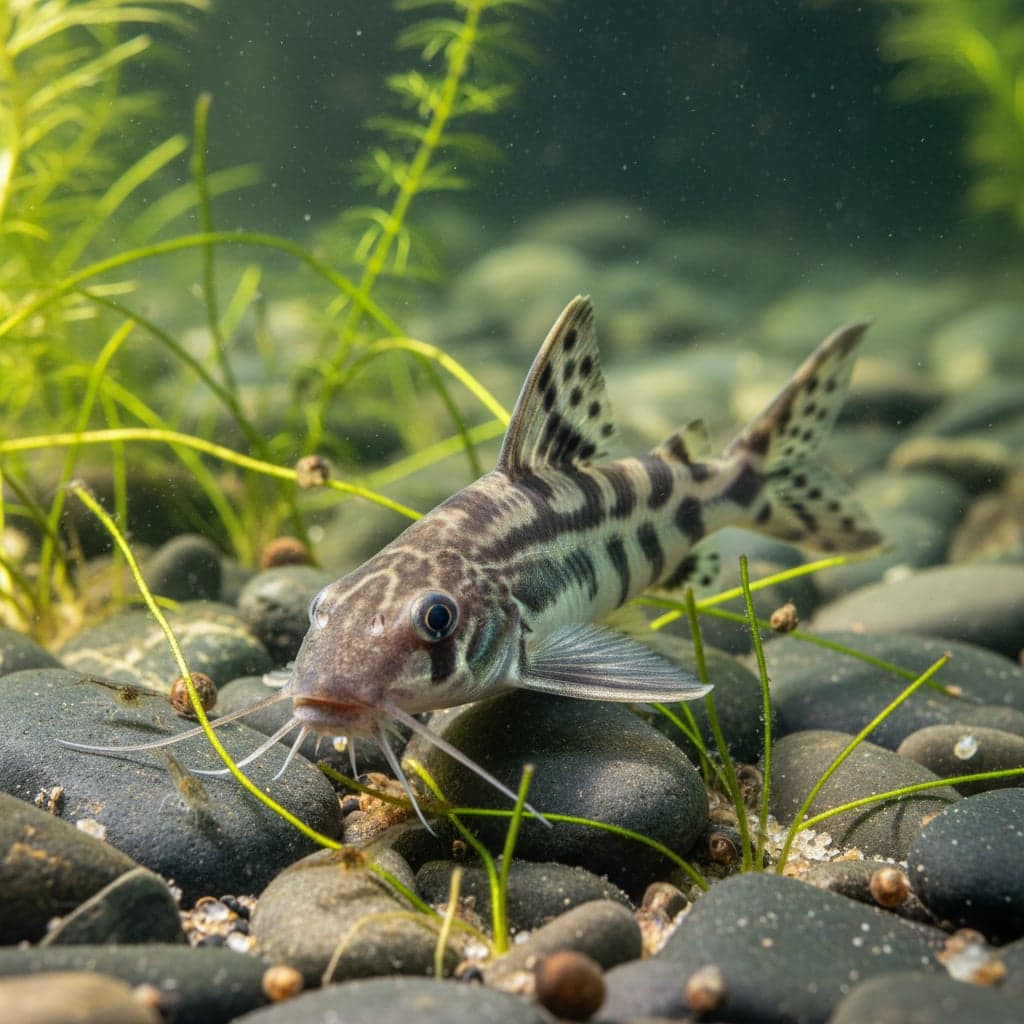
When it comes to tank setup, a minimum tank size of 20 gallons is recommended to accommodate a small group of Dwarf Petricola Catfish comfortably. Aquascaping should focus on creating a natural environment with plenty of hiding spaces. A substrate of fine sand or smooth gravel mimics their natural habitat, while driftwood and rocky structures provide essential retreat areas. Live plants can be incorporated but should not overpower the layout, as these catfish enjoy swimming among the natural elements of their environment. Low to moderate lighting is ideal to emulate the dimly lit conditions of their home waters.
Diet & Feeding
The Dwarf Petricola Catfish is an omnivorous species that thrives on a varied diet. In the wild, it primarily feeds on small invertebrates, plant material, and detritus found in its natural habitats. To replicate this dietary diversity in captivity, aquarists should provide a balanced diet that includes high-quality flake food, sinking pellets, and specially formulated catfish granules. Supplementing their diet with frozen and live foods such as brine shrimp, bloodworms, and daphnia will help enhance their overall coloration and vitality.
Feeding should be approached with care, as the Dwarf Petricola Catfish prefers to forage along the substrate and in the nooks of aquascaping. To ensure that all fish receive adequate nutrition, it is advisable to feed small amounts multiple times a day rather than one large feeding, which will cater to their natural behavior and avoid competition among tank mates.
Behavior & Temperament
The Dwarf Petricola Catfish is known for its peaceful demeanor and sociable nature, making it an excellent addition to community tanks. While these catfish can be shy initially, they become more confident as they acclimate to their environment and are best kept in groups of at least three or four individuals. This schooling habit fosters a more engaging display and allows for their captivating interactions among one another.
In terms of tank placement, the Dwarf Petricola Catfish typically occupies the bottom to mid-level regions of the aquarium. While they tend to stick close to the substrate, it's not uncommon to find them exploring mid-water areas, particularly during feeding times. Their non-aggressive behavior allows them to coexist harmoniously with a variety of species, provided compatible tank mates are selected.
Tank Mates
When considering tank mates for the Dwarf Petricola Catfish, it’s essential to select species that share similar water parameter requirements and have a non-aggressive nature. Compatible tank mates include peaceful community fish such as tetras, rasboras, gouramis, and small cichlids that thrive in similar environments. Other bottom-dwelling species like Corydoras catfish can coexist well, as both offer a dynamic and active environment at varying tank levels.
However, it is imperative to avoid housing the Dwarf Petricola Catfish with aggressive species or those that may outcompete them for food, such as larger cichlids or fast-swimming, boisterous species. Additionally, avoid keeping them with territorial species that may harass them in a confined space, as this could lead to stress and health complications.
Breeding
Breeding the Dwarf Petricola Catfish in captivity can be a rewarding challenge for experienced aquarists. While this species has been bred successfully in home aquariums, creating the right conditions is crucial for stimulating a spawning event. The initiation of breeding typically occurs with a water change, which can mimic seasonal changes in the natural habitat.
To encourage spawning, a separate breeding tank with soft, acidic water (pH around 6.5 and temperature of 76°F to 78°F or 24°C - 26°C) is recommended. Providing a spawning medium such as fine-leaved plants or spawning mats creates a conducive environment for female catfish to lay eggs, which the male will then fertilize. After spawning, the adults should be removed to prevent them from consuming the eggs, which usually hatch within a few days. The fry can be fed with infusoria or powdered fry food until they are large enough to consume finely crushed flakes.
Common Health Issues
The Dwarf Petricola Catfish is generally hardy; however, like many aquarium fish, it can be susceptible to specific health issues. Common ailments include ich, fin rot, and bacterial infections linked to poor water quality or stress. Maintain stable parameters, regular partial water changes, and a balanced diet to prevent outbreaks. Quarantine new arrivals and watch for clamped fins, lethargy, or loss of appetite. Soft substrate protects their barbels, and a calm community setup keeps Dwarf Petricola Catfish active and healthy for years.