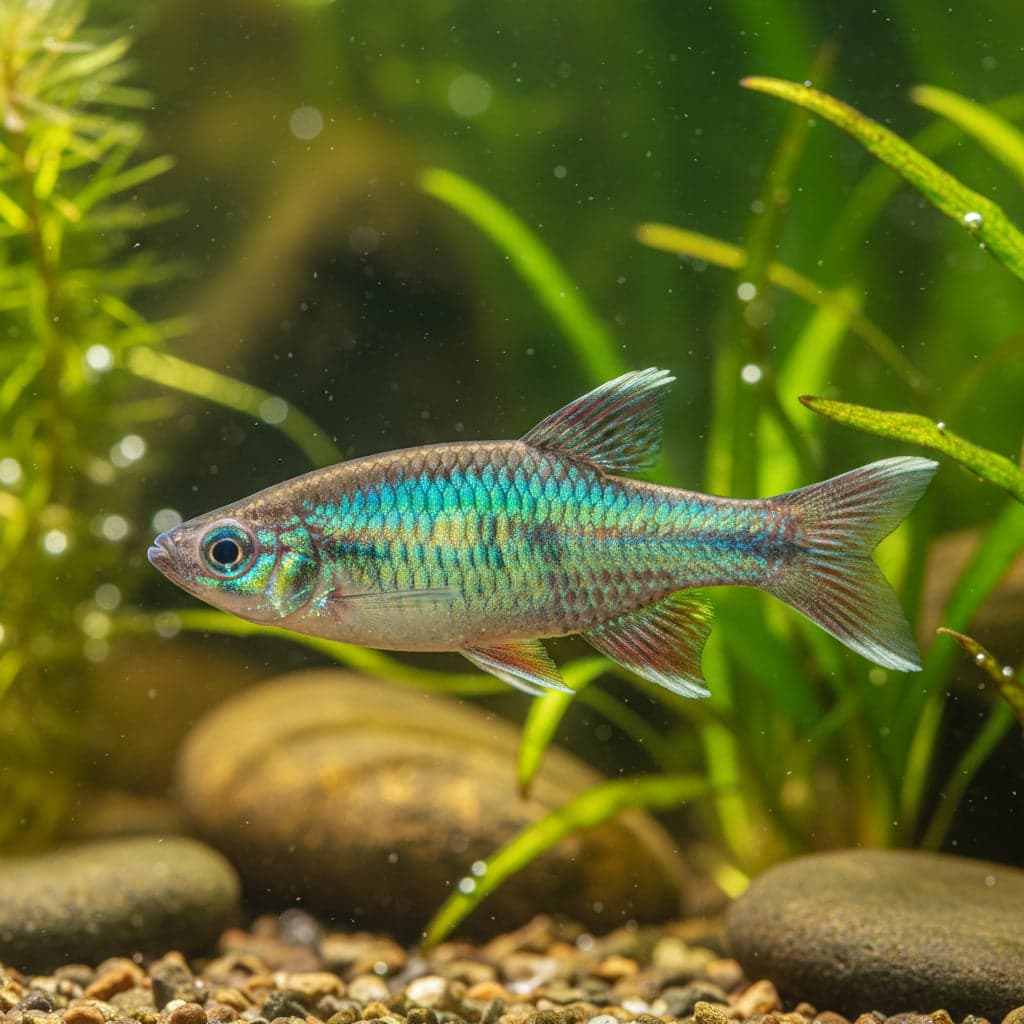
Dwarf Rainbowfish: Melanotaenia maccullochi
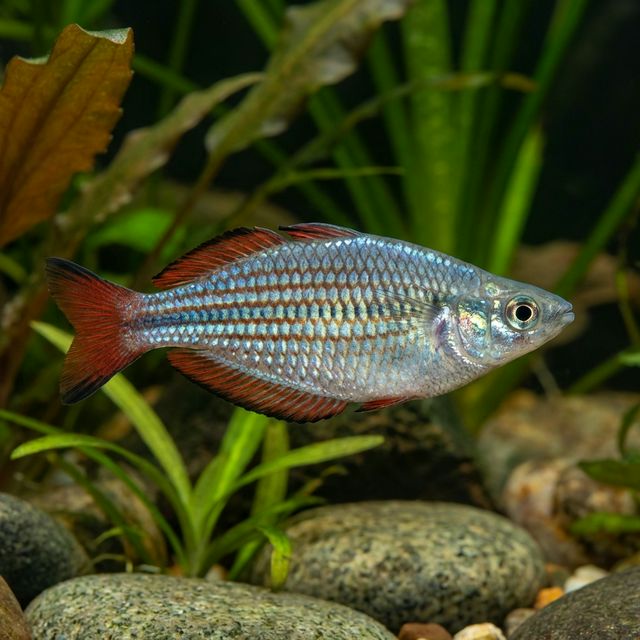
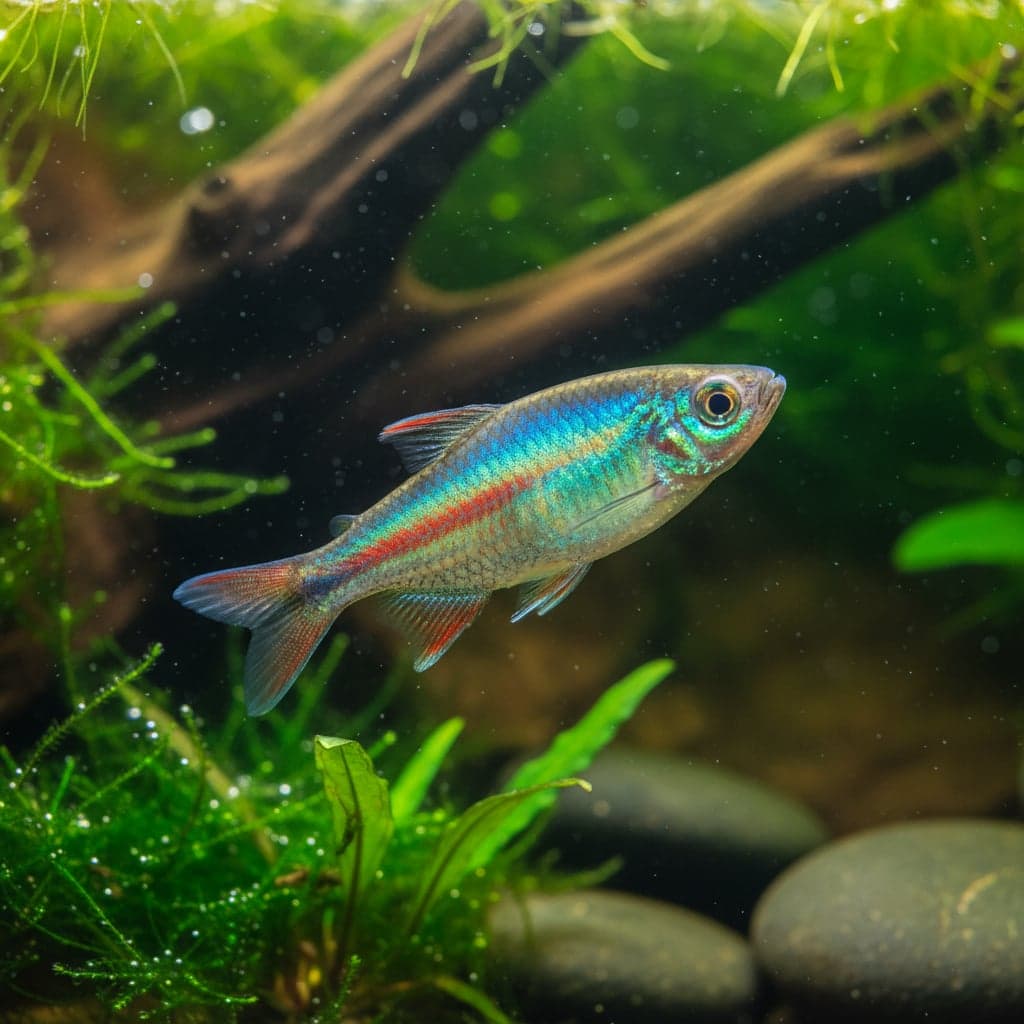
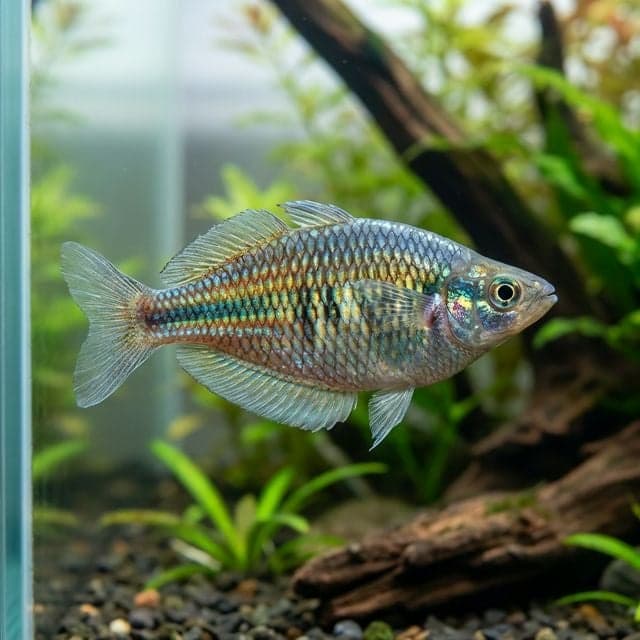
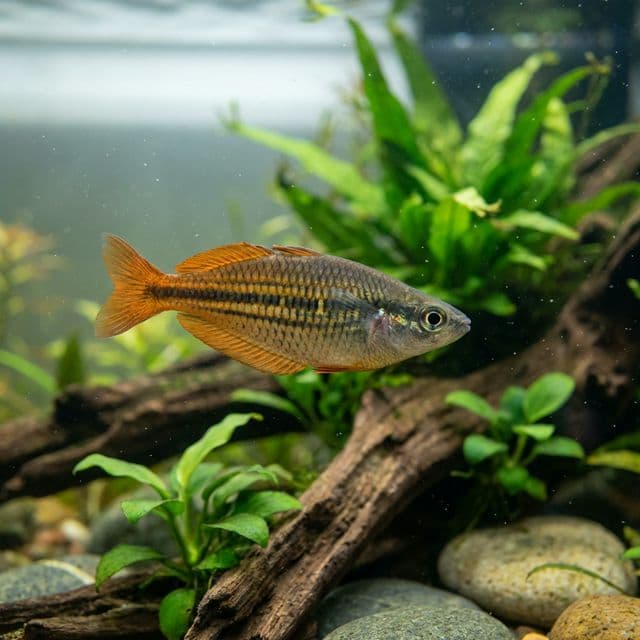
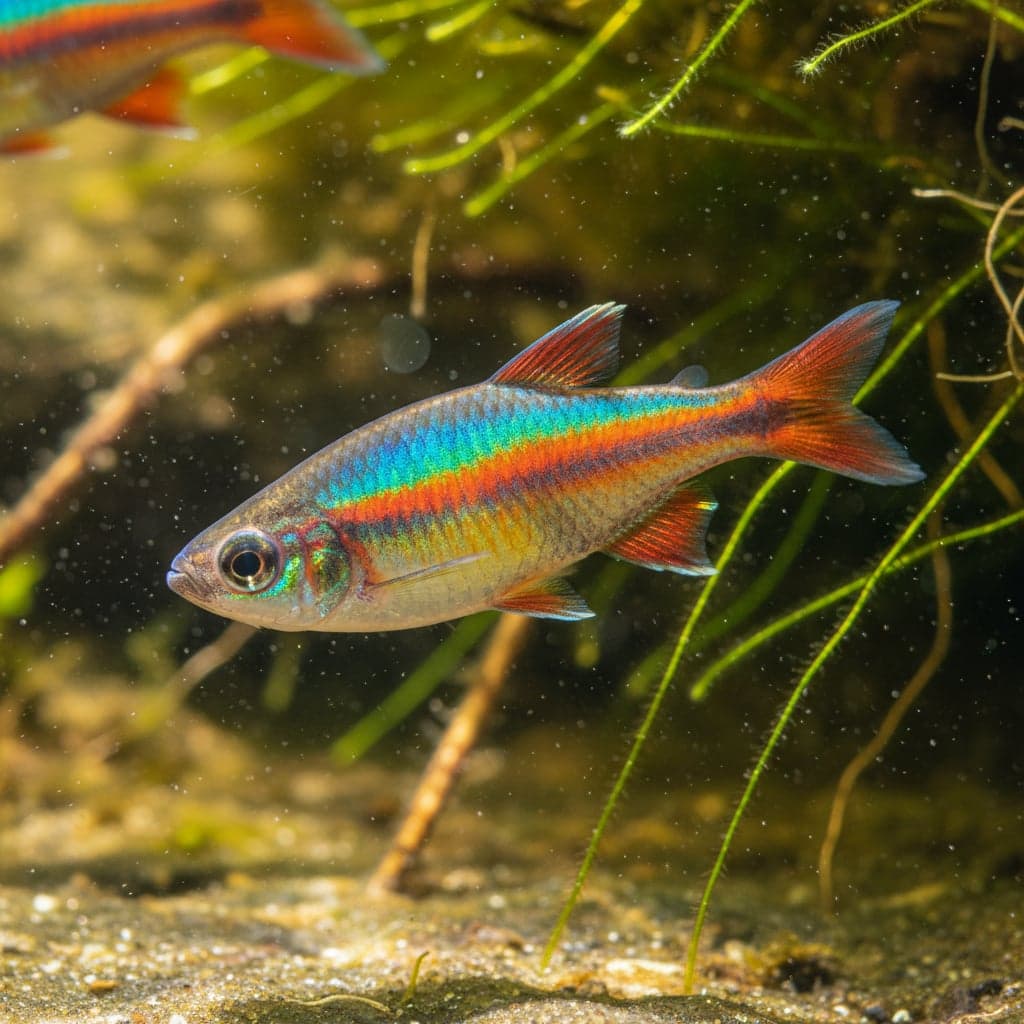
A smaller, hardier rainbowfish. Males are colorful with red stripes on a silver body.
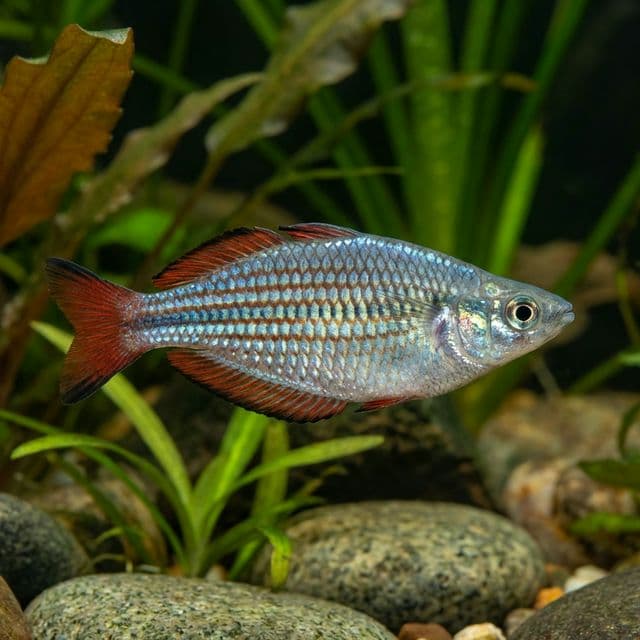
Dwarf Rainbowfish
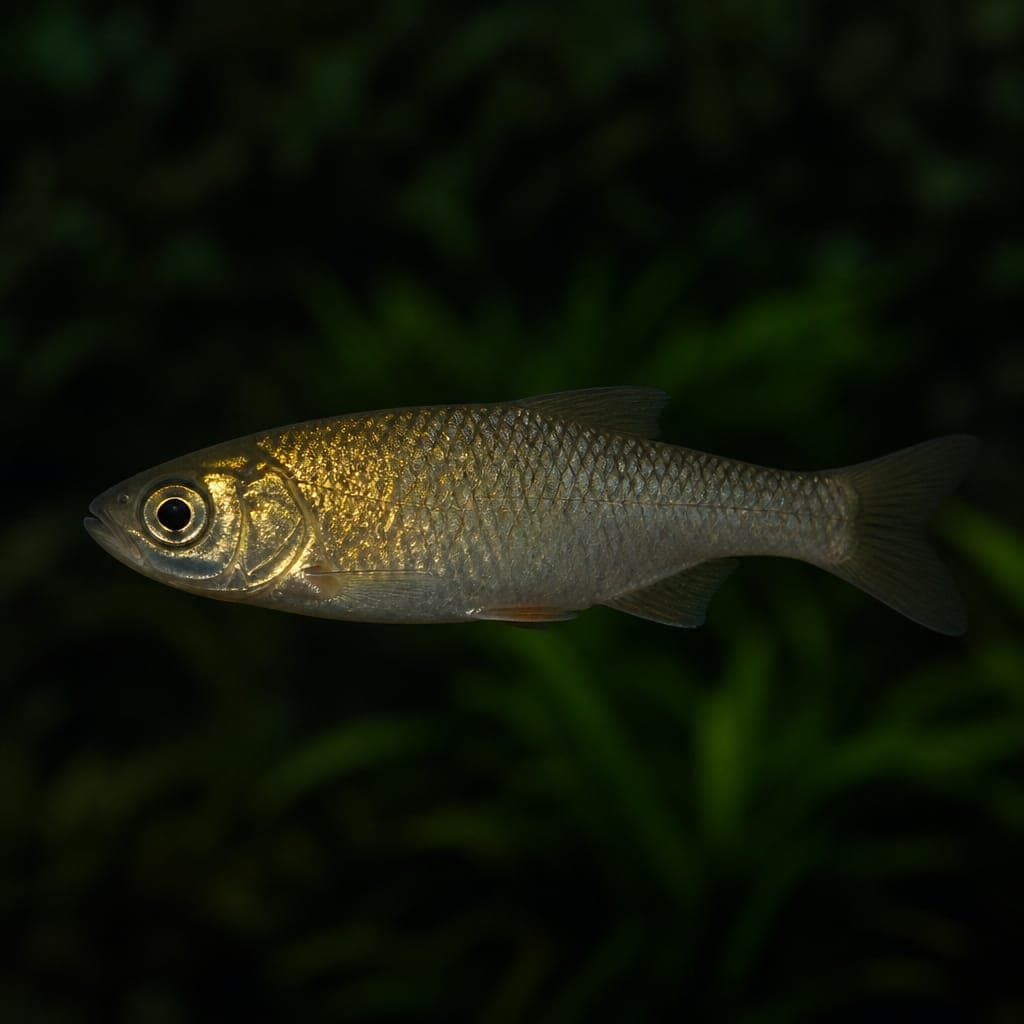
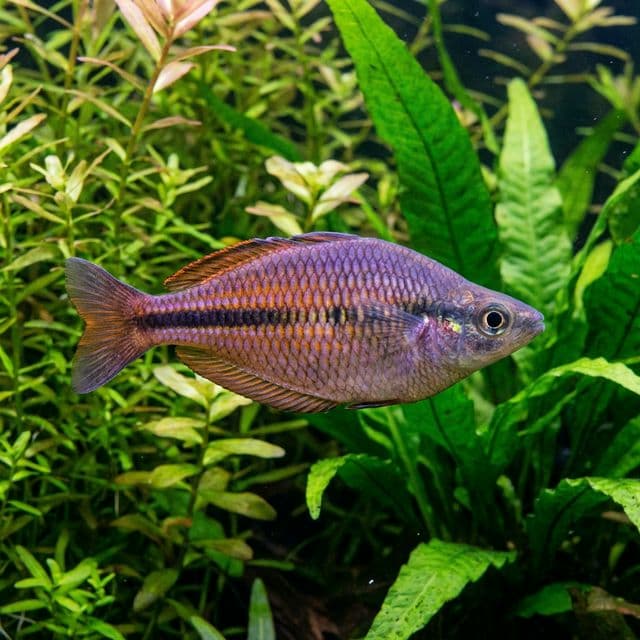
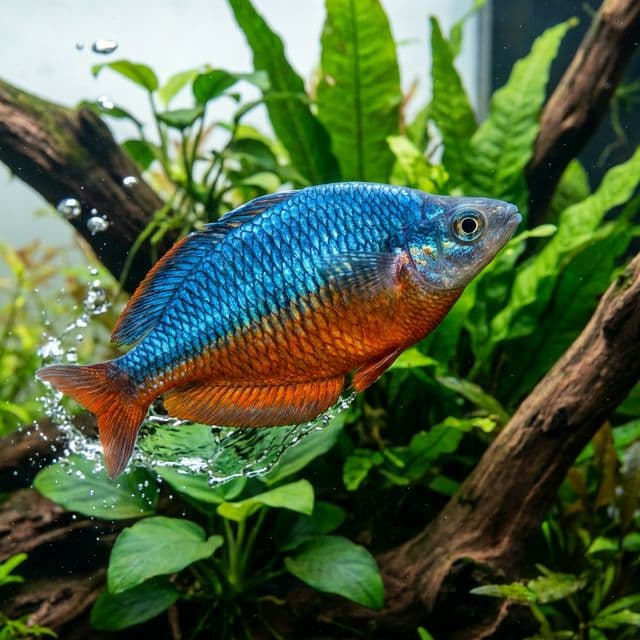
The Dwarf Rainbowfish, scientifically known as Melanotaenia maccullochi, is a stunning, small freshwater fish that belongs to the rainbowfish family, Melanotaeniidae. Native to the pristine waters of New Guinea and the surrounding areas, this species is adored by aquarists for its brilliant colors and lively behavior. The Dwarf Rainbowfish typically showcases a blend of iridescent blues, greens, and yellows, making it a captivating addition to community tanks. These vibrant hues become especially pronounced under appropriate lighting, creating a dazzling display that enhances the visual appeal of any aquarium.
As a species, the Dwarf Rainbowfish holds a significant place in the aquarium hobby due to its peaceful temperament and adaptability. Its small size, usually ranging from 1.5 to 3 inches, makes it an ideal fish for nano aquariums or smaller community setups. Additionally, their schooling behavior adds an enchanting dynamic to tank environments, as they thrive in groups, exhibiting coordinated swimming patterns and social interactions. Their striking coloration and engaging personality have earned them a devoted following among both novice and experienced aquarists.
Natural Habitat & Origin
The Dwarf Rainbowfish hails from the freshwater streams, rivers, and swamps of New Guinea. These habitats are typically characterized by clear, nutrient-rich waters that flow through lush vegetation, providing both shelter and food sources. The ecological context is integral to understanding their needs in captivity, as these fish are accustomed to living in slightly acidic to neutral waters, with dark substrates and ample plant cover, which mimic their natural environment. The presence of leaf litter and organic debris also contributes to the blackwater characteristics often found in their native habitats.
In the wild, Dwarf Rainbowfish are commonly discovered in small groups, darting among the dense vegetation and natural structures that provide refuge from predators. This environmental context not only shapes their behavior but also influences their coloration and health. It is crucial for aquarists to replicate these conditions to ensure the well-being and longevity of Dwarf Rainbowfish in captivity.
Care Requirements
To successfully keep Dwarf Rainbowfish, it is essential to provide specific water parameters conducive to their health. They thrive in temperatures ranging from 72°F to 78°F (22°C to 26°C) and prefer a pH level of around 6.5 to 7.5. Hardness should be maintained at moderate levels, ideally between 5 to 15 dGH. Maintaining these conditions will promote vibrant colors and overall well-being.
In terms of tank setup, a minimum tank size of 20 gallons is recommended for a small school of Dwarf Rainbowfish. The substrate should consist of a soft, dark-colored material, which helps enhance the fish’s colors. Providing ample swimming space is crucial, along with decorations such as live plants, driftwood, and rock formations, which can replicate their natural habitat. Lighting should be moderate to bright, as this will not only encourage plant growth but also bring out the brilliant colors of the Dwarf Rainbowfish.
Diet & Feeding
The Dwarf Rainbowfish is an omnivore, thriving on a varied diet that includes both plant and animal matter. In captivity, they do well with high-quality flake or pellet foods that are specifically formulated for tropical fish. Additionally, supplementing their diet with frozen or live foods such as brine shrimp, daphnia, and bloodworms will enhance their color and health.
It is beneficial to include vegetable-based foods as well, like spirulina flakes or blanched greens, to ensure a well-rounded diet. Feeding should occur 2-3 times a day, with small amounts provided to prevent overfeeding, which can lead to water quality issues.
Behavior & Temperament
Dwarf Rainbowfish exhibit peaceful and social behavior, making them excellent candidates for community tanks. They are best kept in groups of at least six individuals, as they display natural schooling instincts, which not only eases stress but also encourages their lively demeanor. These fish are generally non-aggressive, avoiding confrontation with tank mates; however, they can display territoriality when spawning or during stress.
In terms of vertical placement within the tank, Dwarf Rainbowfish tend to occupy the middle to upper levels of the water column, where they feel secure. Their quirky and playful nature, combined with their schooling habits, makes observing them a delightful experience.
Tank Mates
Dwarf Rainbowfish are compatible with a variety of peaceful fish species, making them suitable for community aquariums. Ideal tank mates include other small to medium-sized fish such as neon tetras, rasboras, danios, platies, and dwarf gouramis. They thrive alongside other nondominant species, ensuring a harmonious aquatic environment.
However, it is important to avoid keeping them with overly aggressive or larger fish, such as cichlids, bettas, or aggressive catfish. These species may bully or prey upon the Dwarf Rainbowfish, leading to stress and potential harm.
Breeding
Breeding Dwarf Rainbowfish in captivity can be a rewarding experience, requiring specific conditions to ensure success. To encourage spawning, a separate breeding tank (approximately 10 gallons) is recommended, equipped with fine-leaved plants or spawning mops where the female can lay eggs. Maintain water parameters similar to their main tank, with soft, slightly acidic water and temperatures slightly elevated to stimulate breeding behavior.
During the spawning process, males often display vibrant colors to attract females, with courtship involving vigorous swimming and chasing. After successful spawning, the adults should be removed to prevent them from consuming their eggs. Within a few days, the eggs will hatch, and the fry can be fed infusoria or finely crushed flake food until they are large enough to eat larger foods.
Common Health Issues
Dwarf Rainbowfish can be susceptible to several common aquarium diseases, including ich (Ichthyophthirius multifiliis), fin rot, and velvet disease. Maintaining optimal water quality is essential in preventing these ailments; regular water changes, appropriate filtration, and monitoring water parameters are critical for their health.
Quarantine new additions before introducing them to the main tank to prevent disease transmission. Additionally, ensure that the diet remains varied and nutritious to boost their immune system and resilience against illnesses. Promptly address any signs of disease, such as abnormal behavior or physical changes, by consulting with an aquarium professional or veterinarian who specializes in fish health.