Eel-tailed Banjo Catfish: Platystacus cotylephorus
A bizarre, flat catfish with a long eel-like tail. Lies motionless on the bottom like a dead leaf.
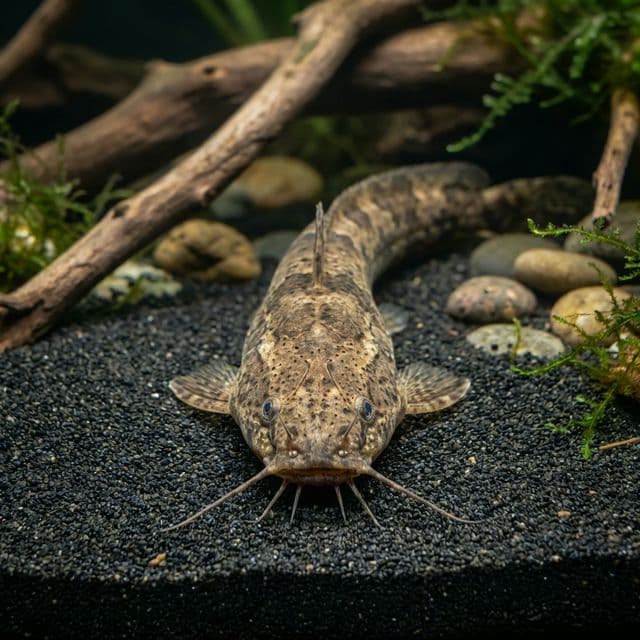
Eel-tailed Banjo Catfish
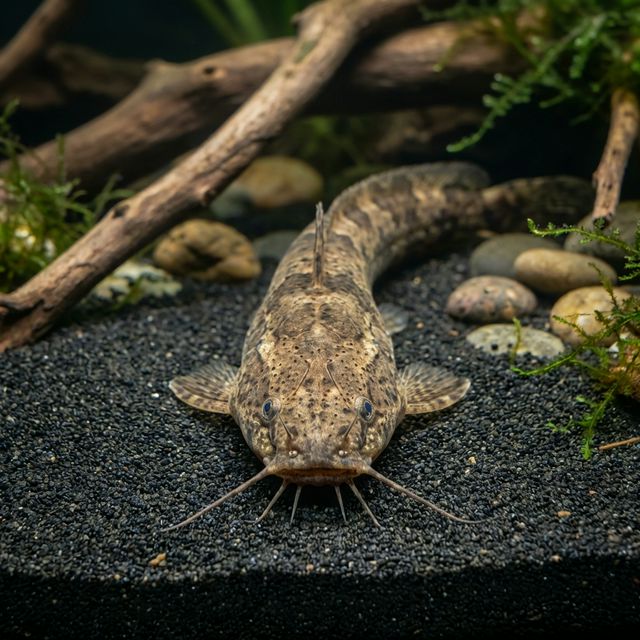
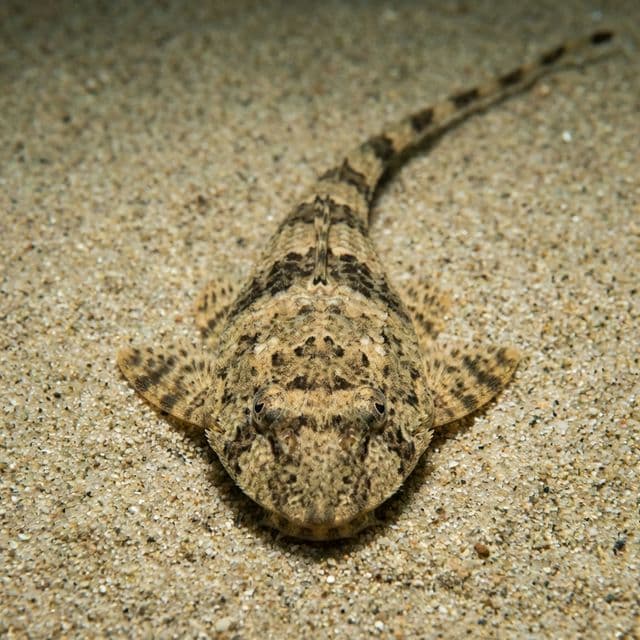
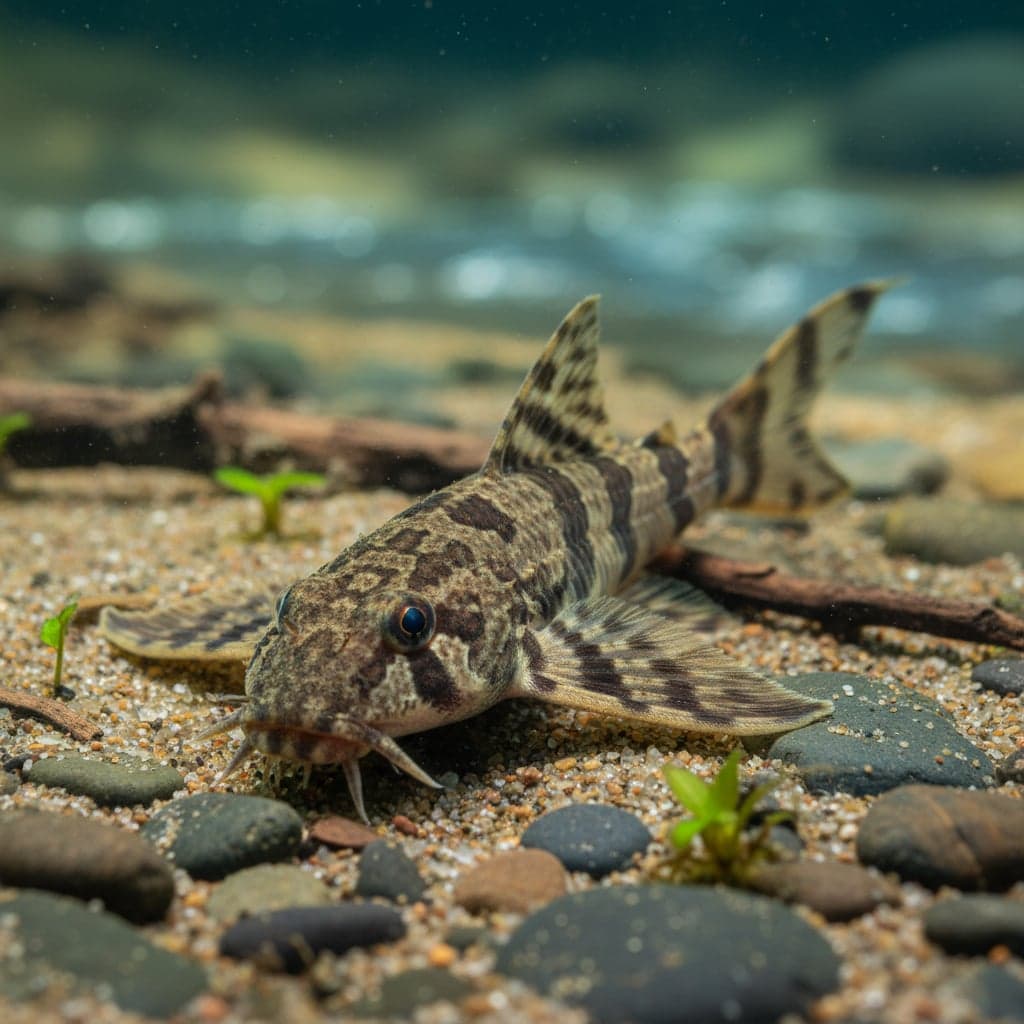
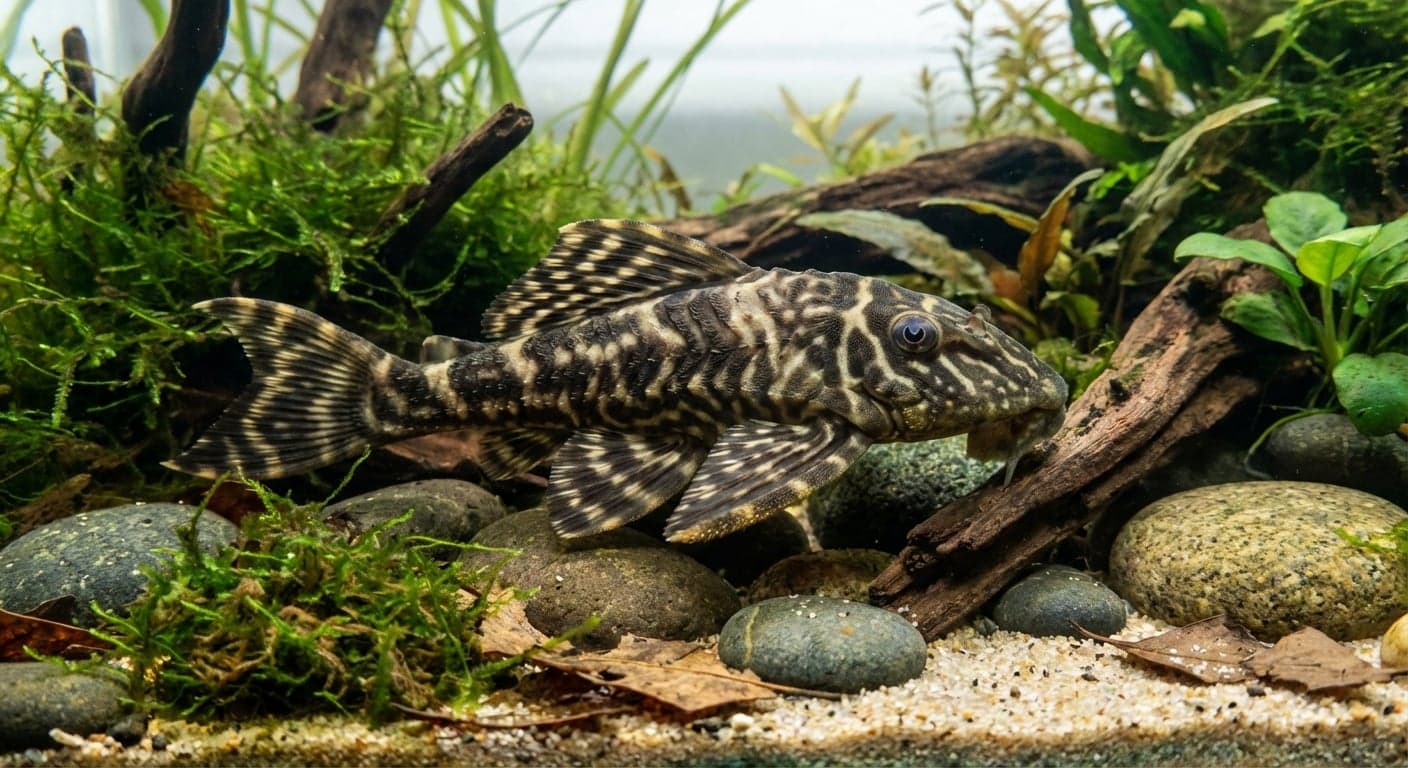
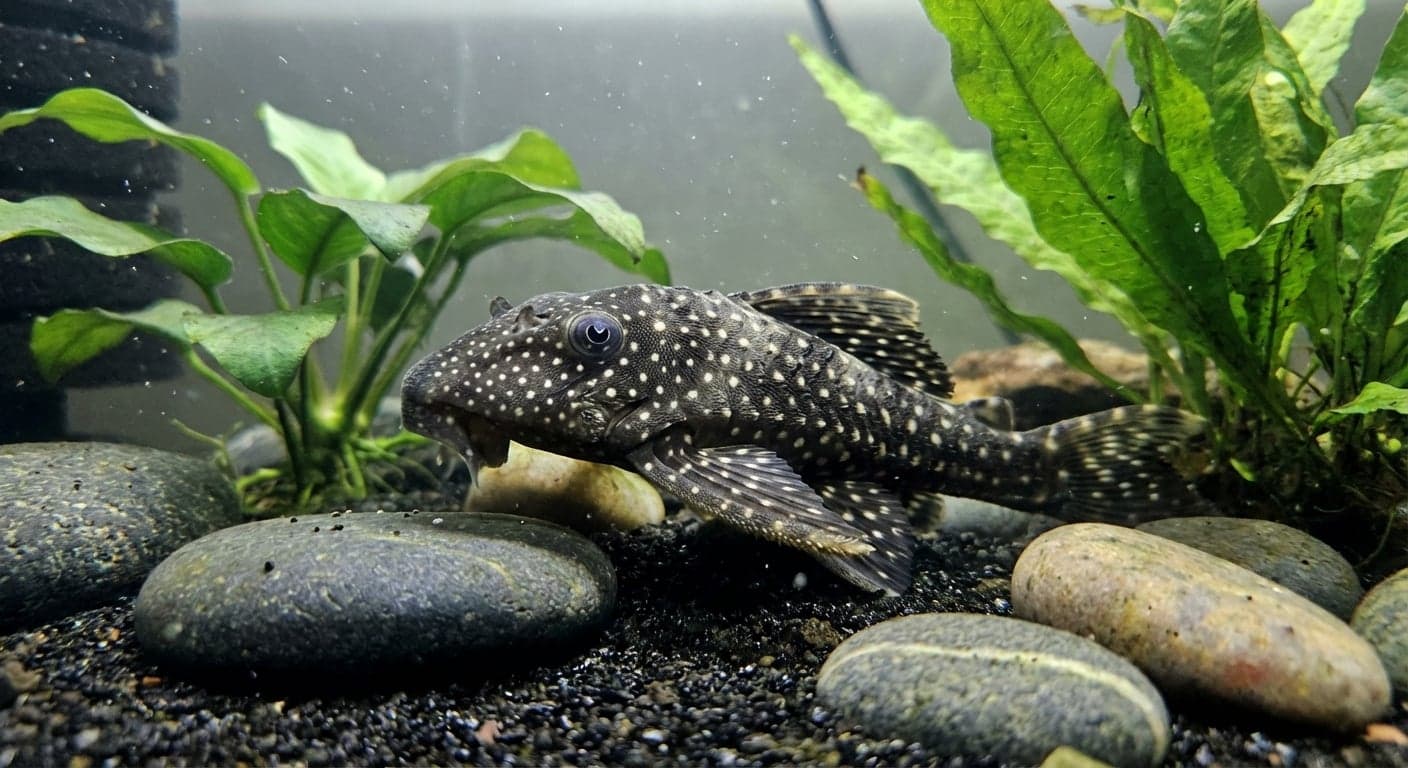
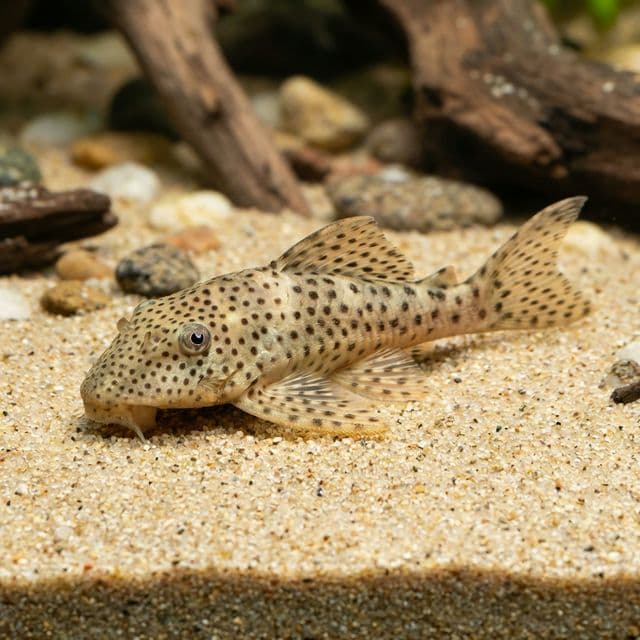
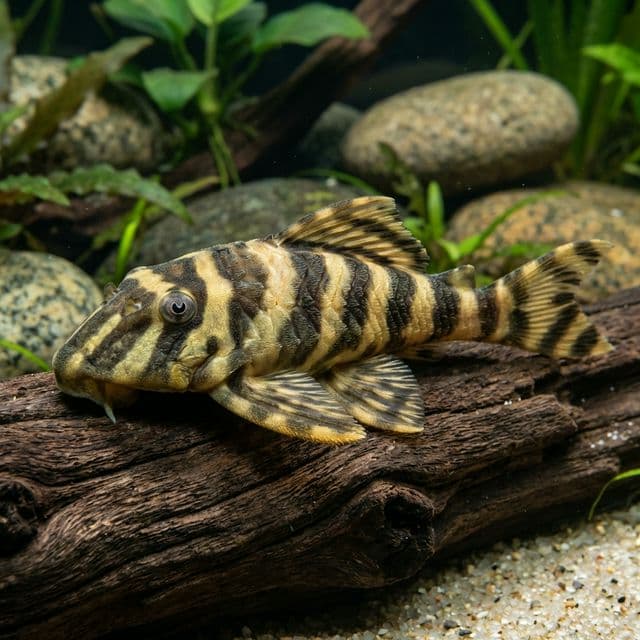
The Eel-tailed Banjo Catfish, known scientifically as Platystacus cotylephorus, is a captivating species of freshwater fish that stands out in the aquarium hobby for its unique morphology and behavior. With its elongated, eel-like body and distinctive flat, broad head, this catfish epitomizes the allure of exotic aquatic life. Its coloration, which generally consists of a muted palette of browns and grays with darker mottling, allows it to blend seamlessly into its natural habitat. This cryptic coloration not only serves as camouflage against predators but also enhances the visual appeal of aquascapes, making it a popular choice for aquarists looking to create a biotope that mimics the fish's native environment.
In the aquarium setting, the Eel-tailed Banjo Catfish is more than just a pretty face; it plays a vital role in maintaining the dynamics of a community tank. Known for its burrowing behavior, this species often hides under substrate or among decorations, actively contributing to the ecological balance of the aquarium. Its peaceful temperament allows it to coexist with a variety of other species, positioning it as an ideal candidate for community tanks. The Eel-tailed Banjo Catfish not only enhances the aesthetic qualities of the aquarium with its interesting shape and calm demeanor but also engages aquarists with its intriguing behavior of resting still in the substrate, showcasing the captivating diversity of aquatic life.
Natural Habitat & Origin
The Eel-tailed Banjo Catfish is native to the freshwater rivers and floodplains of the Amazon Basin in South America, specifically found in countries like Brazil and Peru. This species thrives in a range of aquatic environments, predominantly favoring slow-moving waters rich in organic material and debris. Typically, these habitats are characterized by soft, acidic, and often dark-stained waters due to the presence of decaying leaves and dense vegetation, conditions that create an ideal setting for the Eel-tailed Banjo Catfish to thrive.
The ecological context of the Eel-tailed Banjo Catfish's natural habitat is critical; it resides in waters that are conducive to a variety of life forms, supporting a robust ecosystem. The dense foliage found in these waters not only provides cover for the fish but also allows it to hunt for prey among fallen leaves and submerged logs. Replicating this habitat in an aquarium setting is vital for the well-being of the Eel-tailed Banjo Catfish, which emphasizes the importance of understanding its natural origins when setting up a captive environment.
Care Requirements
To successfully keep the Eel-tailed Banjo Catfish, it's essential to replicate its natural habitat within the aquarium. A minimum tank size of 50 gallons is recommended to provide ample space for burrowing and exploring. Water parameters should be carefully monitored, with a preferred pH range of 6.0 to 7.5, a temperature of 75°F to 82°F (24°C to 28°C), and a hardness range of 2 to 12 dGH. The tank should feature a soft substrate, such as fine sand or smooth gravel, which is vital for the fish's burrowing behavior.
Lighting in the aquarium should be subdued, as the Eel-tailed Banjo Catfish prefers shaded environments akin to its natural habitat. Low to moderate lighting is recommended, with floating plants that can diffuse the light and create a more natural environment. Live plants should also be included, as they provide hiding spots and additional surface area for beneficial bacteria. The incorporation of driftwood and densely planted areas will further enhance the catfish's well-being and allow it to exhibit its characteristic behaviors.
Diet & Feeding
The Eel-tailed Banjo Catfish is primarily an omnivore, with a varied diet that can include high-quality flake foods, sinking pellets, and frozen or live food options. It is particularly fond of protein-rich food sources such as bloodworms, brine shrimp, and daphnia, which can promote healthier growth and vibrant colors. While these catfish may graze on algae and biofilm, supplementing their diet with shrimp and insects is crucial for meeting their nutritional needs.
When feeding, it's important to ensure that food sinks to the bottom of the tank, as Eel-tailed Banjo Catfish are bottom-feeders and may not compete with other fish for surface food. Feeding them once or twice daily is sufficient, with uneaten food being removed promptly to maintain water quality. Diversifying their diet not only aids in their health but also enriches their environment, ensuring a more engaging experience for both fish and aquarist.
Behavior & Temperament
Eel-tailed Banjo Catfish are known for their calm and docile temperament, making them suitable for community tanks with appropriately sized tank mates. These catfish display interesting social behaviors; they are primarily solitary but can be seen resting side by side in non-competitive environments. They do not typically exhibit aggression, although they may become reclusive in overly bright or open settings.
In terms of spatial dynamics within the aquarium, the Eel-tailed Banjo Catfish prefer to inhabit the lower levels, often buried in substrate or hidden among decor. Providing ample hiding spots helps reduce stress, allowing them to thrive. However, setting up a strategically designed tank with varied vertical placement can encourage exploration, enhancing their activity and overall well-being.
Tank Mates
Choosing compatible tank mates for the Eel-tailed Banjo Catfish involves careful consideration of size, temperament, and community dynamics. Ideal companions include medium-sized fish that share similar water parameter requirements, such as Corydoras catfish, rasboras, and peaceful tetras like Neon Tetras or Rummynose Tetras. The Eel-tailed Banjo Catfish can also coexist with larger, non-aggressive species such as certain types of Gouramis and peaceful cichlids.
Species to avoid include overly aggressive fish or those known to nip at fins, such as many members of the Betta family or larger, more boisterous species like Cichlids that may harass the catfish. Additionally, any extremely small fish may be viewed as potential prey, leading to stress or harm for both the catfish and the smaller species. A well-thought-out community tank can provide a harmonious environment for the Eel-tailed Banjo Catfish to flourish.
Breeding
Breeding the Eel-tailed Banjo Catfish in captivity can be a challenging yet rewarding endeavor. These fish are known to be egg layers, typically spawning in secluded areas, which means that creating a breeding tank with suitable hiding spots is essential. A breeding environment with a temperature of around 78°F to 82°F (26°C to 28°C) and a pH of 6.5 to 7.0 generally facilitates spawning behavior.
To initiate breeding, it is crucial to provide a varied diet of high-quality foods to condition the fish. Once ready to spawn, females can lay several eggs on flat surfaces, often hidden amongst foliage or under decorations. After fertilization, the adults may exhibit protective behavior over the eggs, and it is advisable to remove them to prevent potential predation by the parents or other tank inhabitants. Once the eggs hatch—typically within a few days—fry can be fed infusoria initially before transitioning to finely crushed flakes or liquid fry food until they accept larger fare. Raise free-swimming fry with gentle filtration and frequent small water changes.
Common Health Issues
Eel-tailed Banjo Catfish are generally hardy but can develop ich, fin rot, or bacterial infections when water quality declines. Quarantine new arrivals, keep soft sandy substrate clean, and avoid sharp décor. Watch for white spots, clamped fins, or refusal to feed at night, and treat promptly. Stable soft water and a meaty sinking diet keep them healthy for years.