Electric Blue Acara: Andinoacara pulcher
A stunningly iridescent dwarf cichlid with a temperament that defies its family. Peaceful enough for community tanks yet bold enough to hold its own.
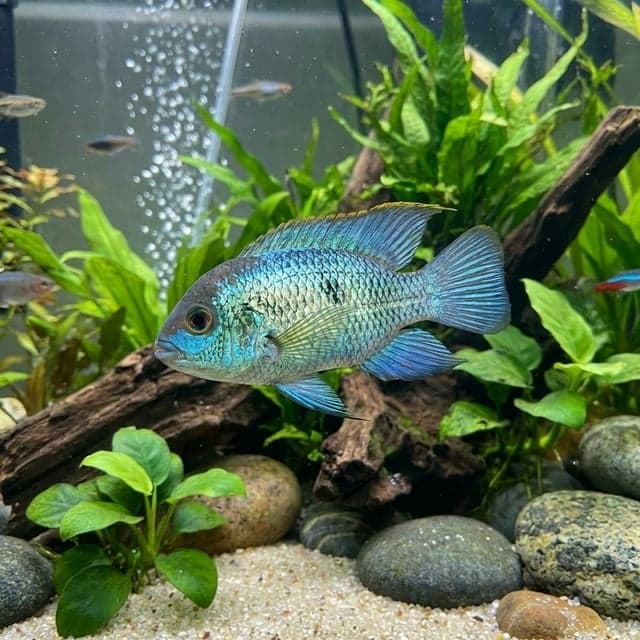
Electric Blue Acara
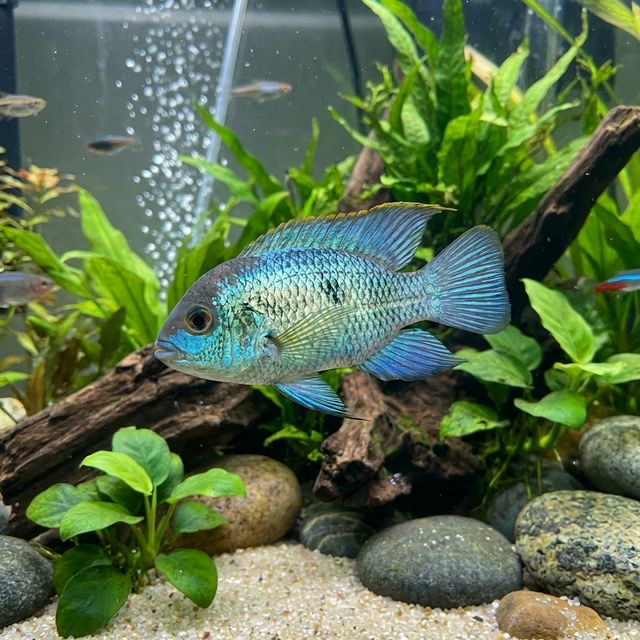
The Electric Blue Acara (Andinoacara pulcher) is a striking freshwater fish native to South America, renowned for its captivating bright blue coloration and the unique patterns that adorn its scales. With a characteristic body shape typical of cichlids, this fish can reach up to 6 inches in length and features dazzling iridescent blue hues that draw the eye. The contrast between the blue and the black or grey markings adds to its visual appeal, making the Electric Blue Acara a favorite among aquarists seeking to bring vivid color to their aquariums.
Beyond its aesthetic allure, the Electric Blue Acara holds significance in the aquarium hobby for its relatively hardy nature and amiable temperament when compared to other cichlid species. This makes it a wonderful choice not only for experienced aquarists but also for novices looking to explore the fascinating world of cichlid care. As an engaging and interactive fish, the Electric Blue Acara is known for its curious behavior and ability to recognize its caretakers, further enhancing its charm as a captivating addition to any freshwater setup.
Natural Habitat & Origin
The Electric Blue Acara is primarily found in the slow-moving waters of the Amazon River basin, particularly within the clear waters of lakes and rivers in countries such as Brazil, Colombia, and Venezuela. It thrives in these natural habitats characterized by a diverse range of plant life, submerged structures, and gentle currents. These environments are rich in organic matter, which significantly impacts the water quality and chemistry, contributing to the overall health and behavior of the fish.
In terms of water type, Electric Blue Acaras prefer slightly acidic to neutral pH levels, usually ranging from 6.0 to 7.5. The water hardness can vary significantly in their natural habitat, but they generally adapt well to moderate hardness. Consequently, recreating their natural environment in aquariums is vital for their health. By providing clear or slightly tinted water, along with ample hiding spots and vegetation, aquarists can create a stimulating habitat that mirrors the conditions this species thrives in.
Care Requirements
Caring for Electric Blue Acaras requires attention to several water parameters to ensure a hospitable environment. The ideal temperature range for keeping these fish lies between 75°F to 82°F (24°C to 28°C), with a consistent pH level of approximately 6.5 to 7.5. Water hardness should be maintained between 5 to 15 dGH. Regular monitoring of these parameters is essential, as fluctuations can lead to stress and health issues.
In terms of tank setup, a minimum aquarium size of 30 gallons is recommended for keeping a pair of Electric Blue Acaras, allowing ample space for swimming and establishing territories. The substrate should be smooth, such as sand or fine gravel, to prevent damage to their delicate fins. A well-lit tank with plenty of hiding places created by rocks, driftwood, and live plants mimics their natural habitat and supports their need for security. Plants like Anubias or Java Fern can thrive well in this setup while potentially enhancing the aesthetic appeal of the aquarium.
Diet & Feeding
Electric Blue Acaras are omnivores, with a balanced diet that encompasses a variety of food types. In captivity, they readily accept high-quality flakes or pellets specifically formulated for cichlids. A variety of foods should be offered to provide balanced nutrition, including high-protein frozen or live foods such as brine shrimp, bloodworms, and daphnia. Supplementing their diet with vegetable matter, such as blanched zucchini or spinach, will also support their health and vibrant coloration.
Feeding should be done twice daily, offering portions that they can consume within a few minutes while avoiding overfeeding to maintain water quality. Proper dietary practices not only enhance the overall well-being of Electric Blue Acaras but also contribute to their vibrant coloring and vitality.
Behavior & Temperament
Electric Blue Acaras are known for their curious and interactive behavior, frequently exploring their environment and recognizing their keepers. They exhibit a semi-aggressive temperament, making them generally suitable for community aquariums when housed with appropriately sized and compatible tank mates. While they are not typically shoaling fish, they do benefit from the company of their own species or congeners.
In terms of vertical placement, Electric Blue Acaras occupy the mid to upper levels of the aquarium. They prefer open swimming space but also appreciate hiding spots where they can retreat if they feel threatened. It's vital to observe their interactions with other fish, particularly during feeding and breeding times, when they may display territorial behaviors.
Tank Mates
Selecting suitable tank mates for Electric Blue Acaras requires careful consideration of size and temperament. Compatible species include:
- Rainbowfish
- Larger tetras, such as Rummy Nose Tetras
- Other peaceful cichlids, including Keyhole Cichlids
- Loaches or larger catfish, such as Corydoras
These species can coexist peacefully, provided there is enough space and hiding spots to reduce territorial disputes. It is advisable to avoid small or overly aggressive fish, as they can be bullied or stressed by the dominant behaviors of the Electric Blue Acara. Additionally, fin-nipping species such as Serpae Tetras or smaller barbs could cause unnecessary stress, leading to health complications.
Breeding
Breeding Electric Blue Acaras in captivity can be a rewarding experience, requiring specific conditions to encourage spawning. To facilitate breeding, maintain a stable environment with water parameters close to those found in their natural habitat. A temperature around 78°F (26°C) with a slightly acidic pH is optimal. Providing flat surfaces, such as smooth rocks or spawning cones, is crucial for the female to lay her eggs.
When ready to spawn, the pair will engage in courtship behavior, which involves displaying, nipping, and cleaning the chosen spawning site. The female may lay anywhere from 50 to 300 eggs, which the male will fertilize. After spawning, both parents typically take on guarding duties, showcasing their protective behaviors. After about 3 to 5 days, the eggs will hatch, and the fry will begin to free-swim approximately a week later. During this time, it’s crucial to keep the tank environment stable while ensuring a nutritious diet is available for the fry.
Common Health Issues
Electric Blue Acaras are relatively hardy, but like all aquarium fish, they can be susceptible to certain health issues. Common diseases include:
- Ich (Ichthyophthirius multifiliis): A parasitic infection characterized by white spots on the skin. Prevention includes maintaining stable water conditions and reducing stress.
- Fin rot: Often caused by poor water quality or stress, resulting in frayed or discolored fins. Regular water changes and monitoring tank conditions will help prevent this issue.
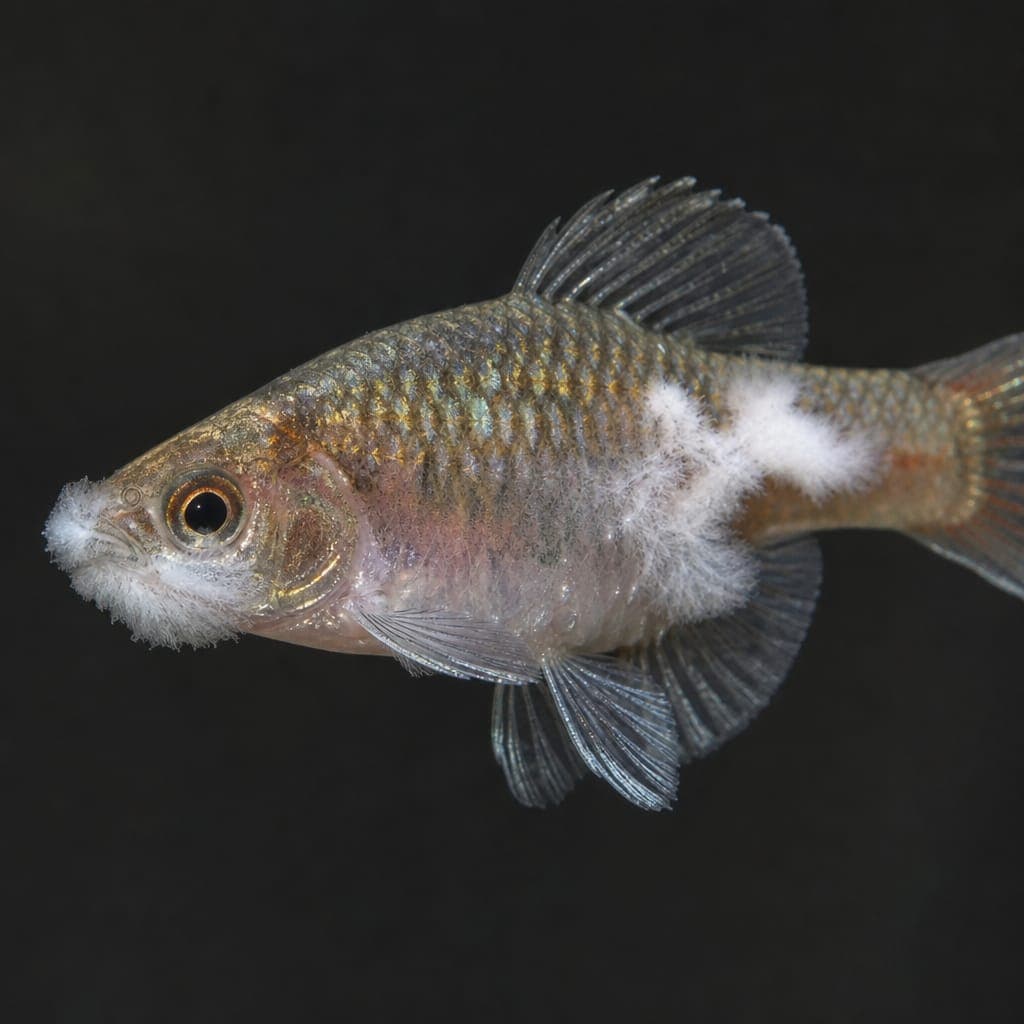
- Columnaris: A bacterial infection that appears as white or gray patches on the body. Quarantining affected fish and treating with appropriate antibiotics is essential.
Routine health monitoring, maintaining excellent water quality, and providing a balanced diet are critical for preventing these common ailments and promoting the longevity of Electric Blue Acaras in any aquarium setting.