Electric Catfish: Malapterurus electricus
Can discharge up to 350 volts. A unique but extremely challenging fish to keep.
Electric Catfish
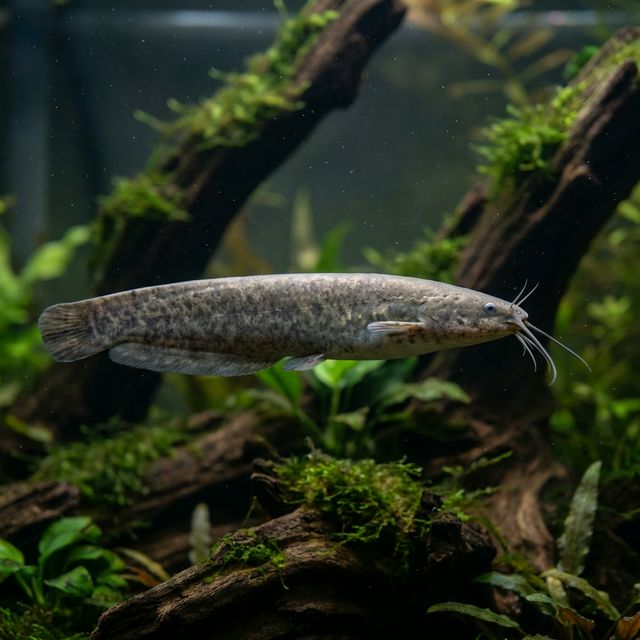
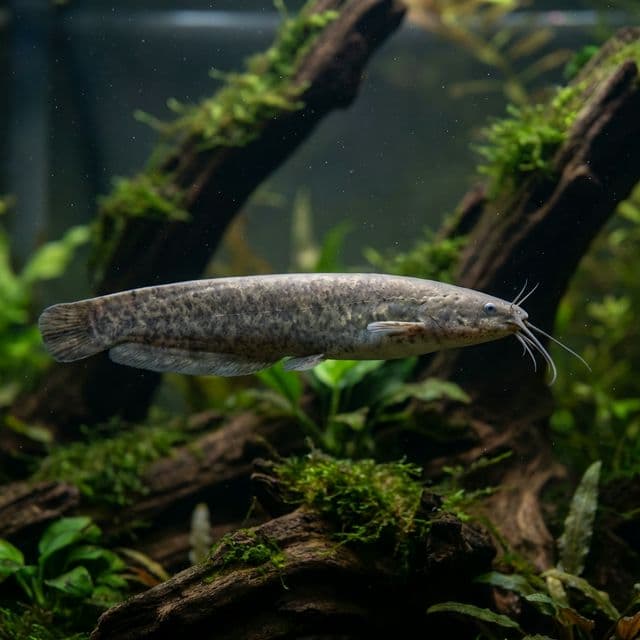
The Electric Catfish (Malapterurus electricus) is a fascinating species that stands out in the aquarium hobby due to its unique ability to generate electric shocks, which it uses for hunting and defense. This remarkable capability sets it apart not only from other catfish species but also from the majority of freshwater fish, making it a captivating addition to specialty aquariums. Visually, the Electric Catfish showcases a sleek, elongated body that can reach lengths of up to 3 feet in the wild. It typically presents a dark, muted color palette, varying from olive-green to brownish hues, which allows it to blend seamlessly into its natural habitat. Its appearance is further accentuated by its prominent, broad head and whisker-like barbels, enhancing its overall aesthetic and allure in an aquarium setting.
In addition to its visual appeal, the Electric Catfish holds significant value in the aquarium hobby for its unique behavior and care requirements. Aquarists who are willing to accommodate its specific needs often find delight in observing this electrifying species as it interacts with its environment and displays its electric powers. Its intriguing nature and distinctive characteristics make it a popular choice for experienced fishkeepers looking for an engaging and personalized experience. However, due to its size and temperament, it is best suited for large, species-specific aquariums where it can thrive and demonstrate its full range of abilities.
Natural Habitat & Origin
Electric Catfish are indigenous to various regions of Africa, commonly found in the Nile River, the Congo River Basin, and numerous lakes and wetlands across the continent. Their natural habitat consists primarily of slow-moving waters and freshwater rivers, where they inhabit muddy or sandy substrates, typically in deeper areas with ample cover. The Electric Catfish favors blackwater environments, characterized by low light and high organic matter decomposition, which can lead to lower pH levels and tinted water. This ecological context is essential for their survival, as it provides both shelter from predators and an environment rich in nutrients that support their dietary needs.
Understanding the natural habitat of the Electric Catfish can help aquarists replicate similar conditions in captivity, ensuring their health and well-being. The Amazonian origin of this species suggests that it thrives best in environments that are not overly disturbed, highlighting the importance of stable water conditions and minimal disruption in the aquarium.
Care Requirements
To ensure the well-being of Electric Catfish in an aquarium, specific care requirements regarding water parameters and tank setup should be met. The ideal pH for Electric Catfish is typically between 6.0 and 7.5, with a temperature range of 23°C to 28°C (73°F to 82°F) being optimal for their health. The hardness of the water should be kept soft to moderately hard, ideally within 5 to 15 dGH, to mimic their natural habitat effectively. As a rule of thumb for tank size, a minimum of 150 gallons is recommended for these large fish to allow ample swimming space and to provide the necessary filtration and water stability.
In terms of tank setup, the Electric Catfish thrives in a well-planted aquarium that offers plenty of hiding spots, creating a secure environment. Soft substrates like sand or fine gravel are preferred to discourage injuries to these fish as they burrow or rest on the bottom. Lighting should be kept low to moderate, emulating their natural habitat, and floating plants can be utilized to diffuse bright light. Additional elements, such as driftwood and rocky structures, can enhance the aesthetic appeal while providing further hiding places for the Electric Catfish.
Diet & Feeding
The Electric Catfish is primarily carnivorous, feeding on a diet consisting of fish, crustaceans, and other meaty foods in the wild. In captivity, it is essential to provide a balanced diet to ensure the health and vitality of these striking fish. High-quality pellets and granules formulated for carnivorous fish can be a staple in their diet, supplemented with frozen or freeze-dried foods such as bloodworms, brine shrimp, and mysis shrimp. Live foods can also be offered to stimulate natural hunting behaviors, and vary the diet to include different protein sources. It's important to feed the Electric Catfish appropriately-sized portions to prevent overfeeding and maintain water quality.
Feeding frequency should be moderate, with meals offered 2–3 times per week. It's vital to monitor their nutrition and adjust their diet according to their growth and energy levels, ensuring they receive a diverse array of foods to promote optimal health and ensure they do not develop any dietary deficiencies.
Behavior & Temperament
In terms of behavior, Electric Catfish are primarily nocturnal and exhibit a unique and interesting temperament. While they are generally calm, they can display territoriality, particularly as they reach maturity. Although they may recharge their electric discharges during the day, they are most active during the evening hours, where they search for food and explore their surroundings. Due to their size and potential aggressiveness, it’s crucial to keep them in appropriately sized aquariums with selected tank mates, especially during feeding times when they may become more protective over their territory.
Electric Catfish are not schooling fish; instead, they can exhibit solitary traits or form loose, non-aggressive pairings. They often occupy the lower regions of the aquarium, where they use their electric senses to navigate and find food. Proper tank setup with ample hiding spots encourages their natural behavior, allowing them to feel secure and comfortable in their environment.
Tank Mates
Choosing compatible tank mates for Electric Catfish requires careful consideration due to their size and territorial nature. Ideal companions would be larger, robust fish species that are not fin nippers, including various African cichlids, larger barbs, or peaceful catfish such as the Synodontis species. Always prioritize selecting tank mates with similar swimming patterns and dietary habits, as this will minimize competition and aggression.
Conversely, it’s crucial to avoid smaller or more delicate species that may provoke aggressive behavior or become easy prey for the Electric Catfish. Species like neon tetras, guppies, or shrimp are not suitable tank mates due to their size and vulnerability. Additionally, avoid keeping them with overly aggressive tank mates that might stress the Electric Catfish, leading to health issues.
Breeding
Breeding Electric Catfish in captivity can be quite challenging and requires specific conditions to successfully induce spawning behavior. In natural settings, these fish are known to exhibit mouth-brooding tendencies, with females capable of carrying fertilized eggs in their mouths until they hatch. To create optimal breeding conditions, maintaining water parameters within their preferred ranges and a well-established aquarium environment with numerous hiding spots is essential.
For breeding to occur, a significant difference in size between males and females can help facilitate mating behaviors. It is advisable to induce spawning during the rainy season by creating slight variations in water temperature and flow. Providing a separate breeding tank equipped with substrate or flat surfaces for egg-laying will enhance the chances of successful reproduction. Once the eggs are laid, the female will incubate them until they hatch, and special care must be taken to provide a calm and secure environment for the fry once they are born.
Common Health Issues
While Electric Catfish are generally hardy, they may still be prone to certain health issues commonly found in freshwater fish. One of the most prevalent concerns is ich (Ichthyophthirius multifiliis), a parasitic disease that manifests as white spots on the skin and fins. They can also suffer from skin abrasions or secondary bacterial infections if kept on coarse, sharp substrates. Because they lack scales, Electric Catfish are particularly sensitive to copper-based medications and water parameter swings. Providing a soft sandy bottom, routine water changes, and gentle water treatments will keep your Electric Catfish healthy and active.