Elongatus Ornatus: Chindongo sp. Elongatus Ornatus
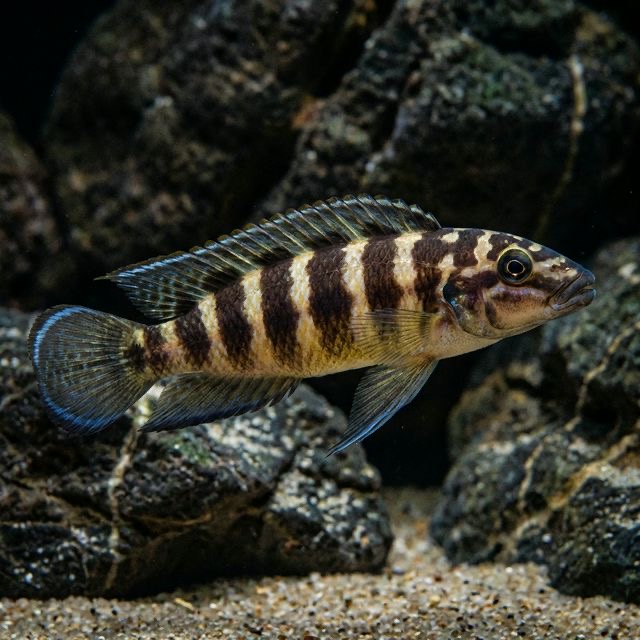
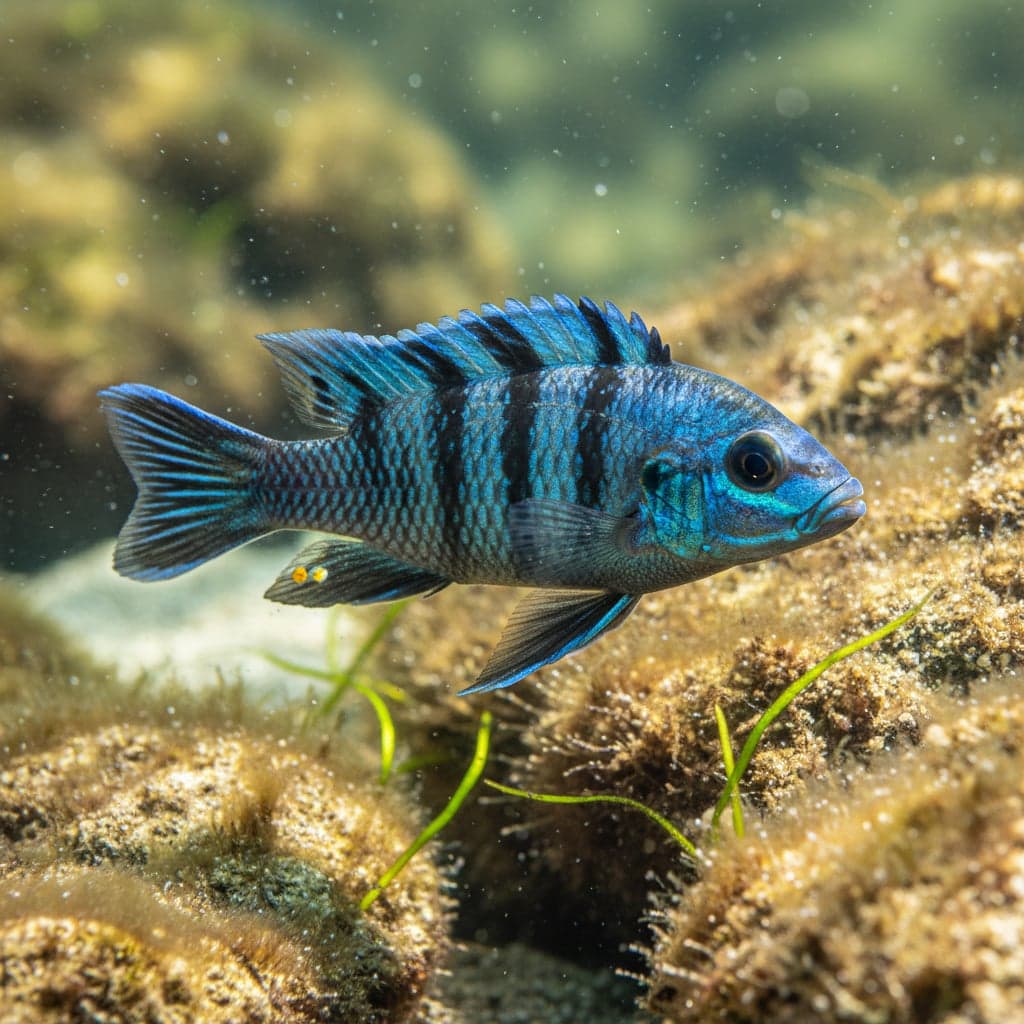
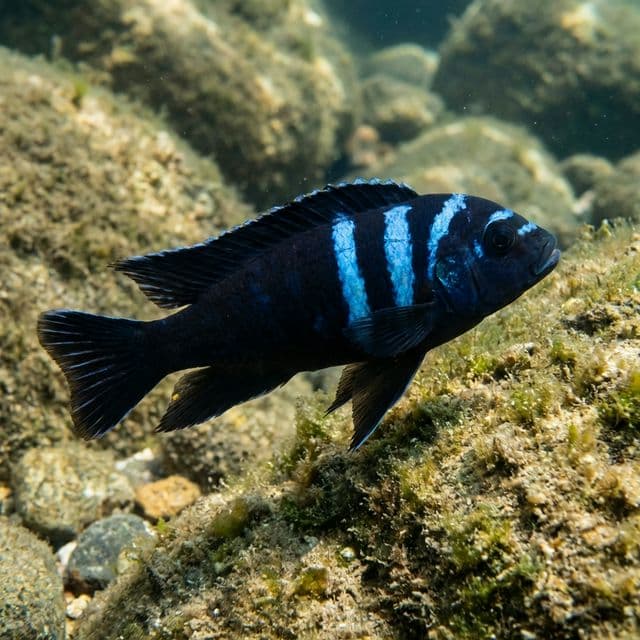
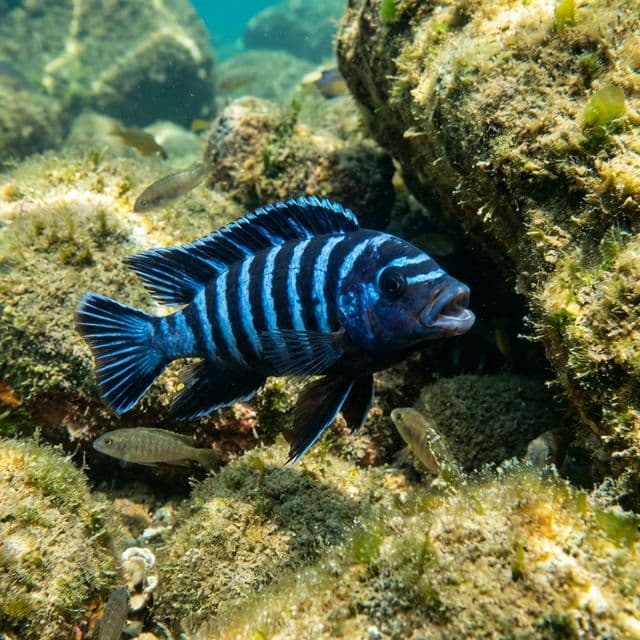
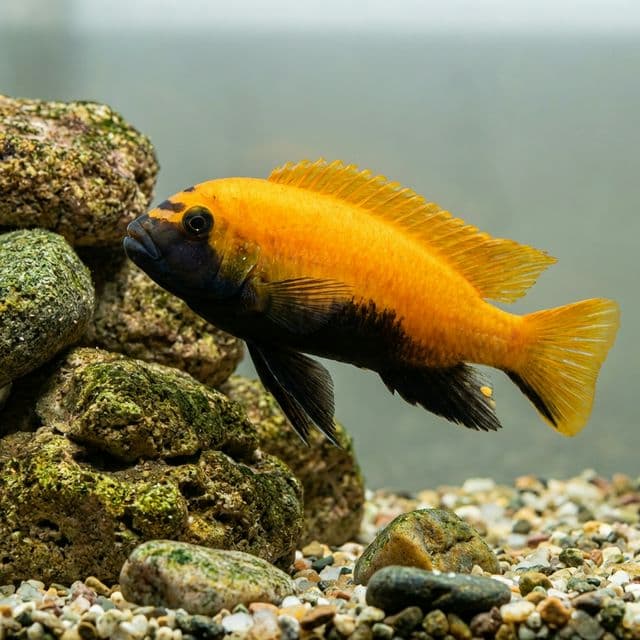
A striking elongated Mbuna with orange and blue vertical bars.

Chindongo sp. Elongatus Ornatus
The Chindongo sp. Elongatus Ornatus, commonly known as the Ornate Elongatus Cichlid, is a captivating species that showcases the beauty and diversity of the African rift lakes' cichlids. This fish is particularly renowned for its streamlined, elongated body adorned with vibrant shades of blue and gold that shimmer under aquarium lighting. These striking colors, coupled with the fish's iridescent scales, make it a true centerpiece in any freshwater aquarium. The Ornate Elongatus stands out not only for its visual appeal but also for its unique behavioral traits, making it a favorite among aquarists who appreciate more than just aesthetics in their fish.
The Ornate Elongatus also holds significant value in the aquarium hobby due to its relatively peaceful nature compared to other cichlids, while still displaying interesting social behaviors. These fish form dynamic groups that enhance the visual interest of any tank. Therefore, they are not just ornamental additions but also provide an engaging experience for aquarium enthusiasts who enjoy observing quasi-societal interactions within their aquatic communities. With their intriguing presence and manageable care requirements, Chindongo sp. Elongatus Ornatus has solidified its status as a desirable species in both beginner and expert aquarist circles.
Natural Habitat & Origin
Chindongo sp. Elongatus Ornatus hails from the pristine waters of Lake Tanganyika, one of the oldest and deepest freshwater lakes in the world, located in East Africa. In their natural habitat, they dwell primarily in rocky substrates as well as sandy areas, often preferring depths between 15 to 30 meters. The water in Lake Tanganyika is typically alkaline with a high mineral content, which shapes the unique ecosystems of the lake. As a result, these fish thrive in conditions characterized by stable temperatures and relatively low organic matter, reflecting their adaptation to clear, mineral-rich waters. The specific ecological context of Lake Tanganyika significantly influences the care of the Ornate Elongatus in captivity, underlining the importance of replicating these conditions in an aquarium setting.
Care Requirements
To keep Chindongo sp. Elongatus Ornatus healthy and thriving, aquarists should closely monitor water parameters. The ideal pH level for their habitat is between 7.5 and 9.0, while a temperature range of 24°C to 28°C (75°F to 82°F) is favorable. Hardness should be kept within the range of 8 to 12 dGH to mimic their natural environment effectively. As for tank setup, a minimum aquarium size of 75 gallons is recommended to accommodate their active nature and social behavior. The tank should be equipped with fine sand or smooth gravel substrates to ensure the safety of their delicate fins as they forage along the bottom. Aquatic plants can be included, but should be positioned to avoid overcrowding; rocks and caves are essential features for providing shelter and simulating their natural habitat.
Lighting should be moderate, simulating the light conditions of Lake Tanganyika, where bright sunlight may penetrate but is often diffused by reflections off the lake's depths. Using LED lights that can mimic natural sunlight will promote healthy algae growth on rocks, which can serve as an essential food source for these fish. Additionally, incorporating structured hiding spaces using rocks or pieces of driftwood can help reduce stress amongst tank inhabitants by creating territories.
Diet & Feeding
Chindongo sp. Elongatus Ornatus is considered an omnivore, which requires a well-rounded diet to thrive in captivity. In the wild, their diet consists of small invertebrates, algae, and detritus. In an aquarium setting, it is vital to replicate this varied diet to ensure optimal health and coloration. High-quality sinking pellets designed for cichlids should form the foundation of their diet, supplemented with occasional flakes that contain spirulina to promote healthy growth and pigmentation. Live and frozen foods, such as brine shrimp, daphnia, or bloodworms, can be offered occasionally to enhance their nutrition and stimulate natural foraging behavior. This diverse feeding routine not only supports their rapid growth but also encourages their vibrant colors to flourish.
Behavior & Temperament
The Ornate Elongatus is known for its relatively peaceful demeanor, especially compared to other cichlid species. They exhibit social behavior, preferring to live in groups, typically establishing a social hierarchy within the aquarium. While they can display territoriality, particularly during breeding, they are not overtly aggressive, making them more suitable for community tanks compared to their more belligerent cousins. These fish tend to occupy various vertical levels within the tank, often swimming mid-water but are also seen foraging on the substrate. Observing their interactions can provide insights into their social dynamics, leading to a more enriching experience for aquarists.
Tank Mates
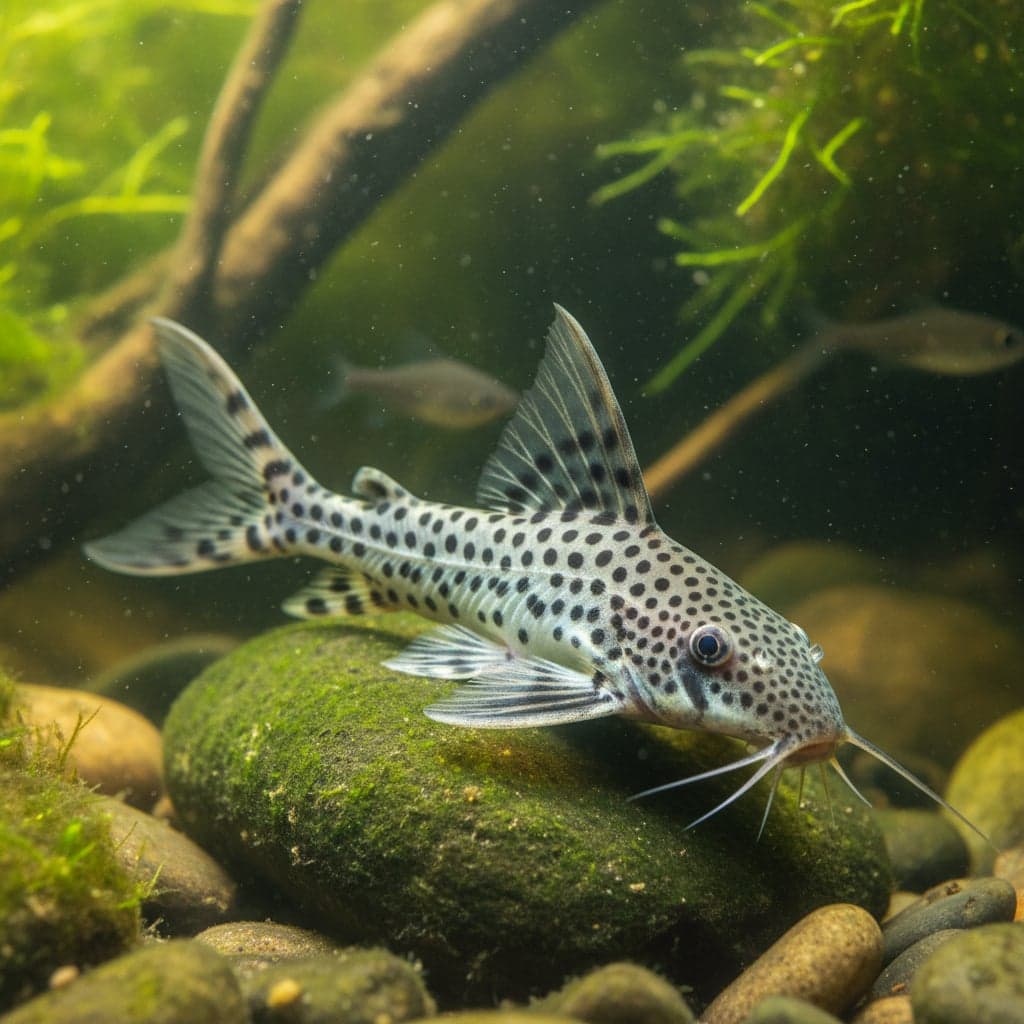
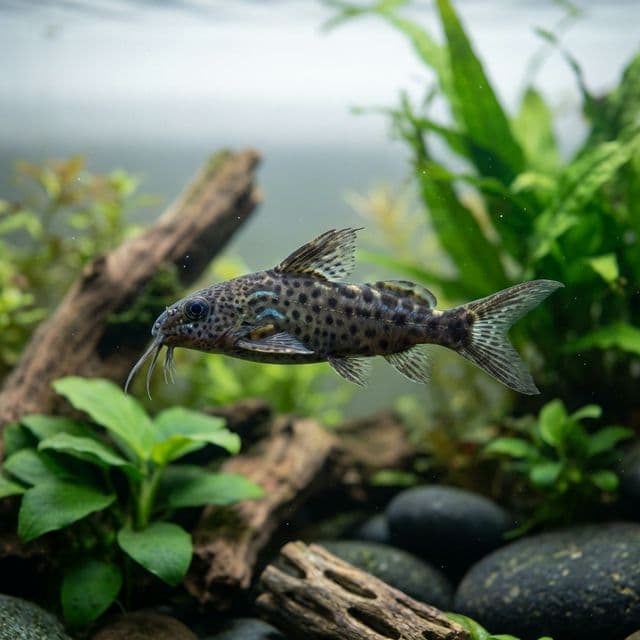
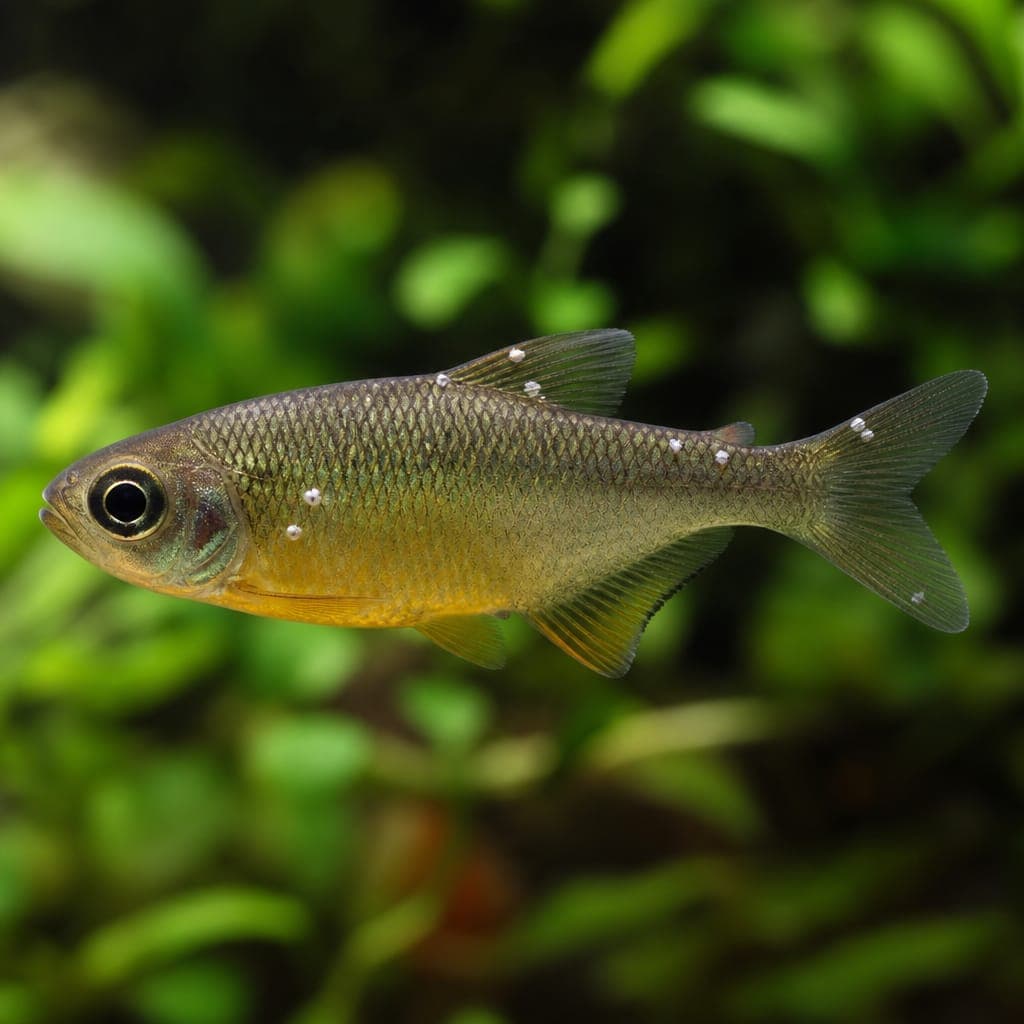
When selecting tank mates for Chindongo sp. Elongatus Ornatus, it is essential to choose species that share similar water parameters and temperaments. Compatible tank mates include other Lake Tanganyika cichlids such as the Neolamprologus species (e.g., Neolamprologus multifasciatus) and various types of synodontis catfish. Other suitable species include larger tetras and peaceful barbs that can coexist without triggering aggressive behavior. However, it is crucial to avoid smaller fish that may be perceived as prey, as well as overly aggressive species that can stress the Ornate Elongatus. Establishing a community tank with a balance of compatible species enhances the aquarium's overall beauty and creates a harmonious environment for its inhabitants.
Breeding
Breeding Chindongo sp. Elongatus Ornatus in captivity can be both rewarding and challenging. These fish exhibit a unique spawning behavior, generally preferring to lay their eggs on flat, clean surfaces, such as rocks or broad leaves. Maintaining stable water conditions is vital during breeding; slightly elevated temperatures around 27°C (81°F) and increased aeration can encourage spawning. The female will lay hundreds of eggs, which she and the male will guard diligently. After hatching, the fry are often kept in close proximity to the protective care of the parents. To successfully breed the Ornate Elongatus, providing a spacious environment with plenty of hiding spots and a separate breeding area will help ensure that both parents and offspring thrive.
Common Health Issues
Like all fish, Chindongo sp. Elongatus Ornatus can be susceptible to several common health issues that aquarists should be aware of. Diseases such as ich (Ichthyophthirius multifiliis) and fin rot are prevalent in freshwater fish and can be exacerbated by poor water quality or stress. External parasites can also pose a risk, particularly during temperature fluctuations or inadequate tank maintenance. To prevent such diseases, maintaining optimal water conditions, performing regular water changes, and ensuring a balanced diet are essential. Quarantining new arrivals before introducing them to established tanks can significantly reduce the risk of disease outbreaks. By being proactive and observant, aquarists can seek treatment early and ensure the health and well-being of their Ornate Elongatus Cichlids.