The Ember Tetra: Hyphessobrycon amandae
A tiny, peaceful nano fish with a glowing orange body. The perfect schooling fish for aquascapes and planted nano tanks.

Ember Tetra
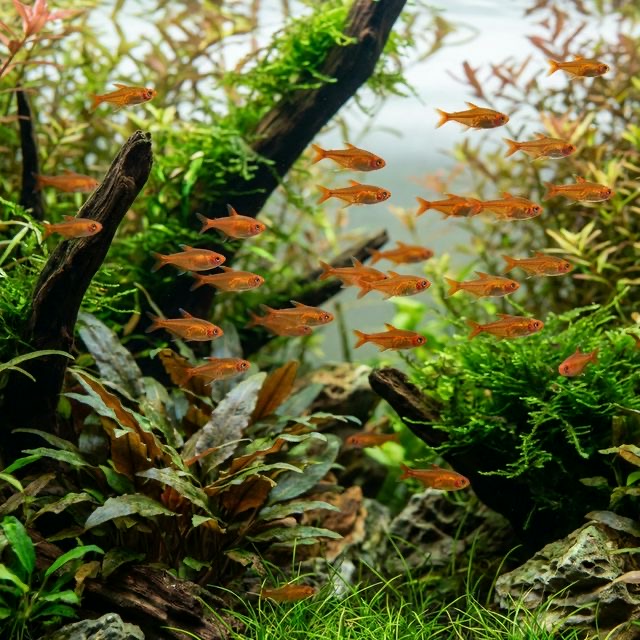
The Ember Tetra, scientifically known as Hyphessobrycon amandae, is a small, vibrant freshwater fish that has captured the hearts of aquarists worldwide. Measuring around 2 centimeters (0.8 inches) in length, this species is renowned for its striking coloration. The male Ember Tetra showcases a brilliant orange-red hue, which contrasts beautifully against their transparent fins and slightly elongated bodies. Females tend to be less vividly colored but are slightly plumper, particularly when carrying eggs. Their delicate appearance and active nature make them a captivating addition to any community aquarium, contributing to the aquarium's overall aesthetic.
In the aquarium hobby, Ember Tetras hold significant appeal not only due to their beauty but also because of their peaceful temperament and adaptability to various tank setups. Their schooling behavior makes them a perfect choice for beginners and seasoned aquarists alike. Often kept in groups, these fish create a lively display as they dart and flick throughout the tank. As a result, the Ember Tetra has become a staple in many aquarist collections, symbolizing the joy of keeping fresh water species.
Natural Habitat & Origin
The Ember Tetra hails from the blackwater tributaries of the Rio Xingu in Brazil, a region characterized by slow-moving streams, heavily vegetated banks, and peat-stained waters. This natural habitat presents a unique environment where tannins from decaying leaves play a crucial role in creating the low pH levels and soft water that these fish thrive in. Such conditions are conducive to the small, peaceful fish that inhabit it, allowing them to flourish among the intricate root systems and shadows offered by dense foliage. When recreating this habitat in an aquarium, understanding the specific environmental conditions of their native water sources can help ensure healthy and thriving Ember Tetras.
Care Requirements
To successfully care for Ember Tetras, maintaining optimal water parameters is essential. Ideal water conditions include a pH level between 6.0 and 7.5, a temperature range of 22 to 28°C (72 to 82°F), and soft to slightly hard water (3-12 dGH). This species thrives in a well-maintained environment, emphasizing the need for regular water changes and filtration to reduce pollutants. The minimum recommended tank size is 10 gallons, as they are schooling fish that should be kept in groups of six or more. For their habitat, utilize a substrate that mimics their natural environment, such as fine gravel or sand. Add plenty of live plants, driftwood, and hiding spots to create a dense and enriched environment that fosters comfort and security for these petite fish. A dimmed lighting setup can also replicate their shaded native habitat and enhance their natural beauty.
Diet & Feeding
Ember Tetras are omnivorous, enjoying a varied diet that includes high-quality flake food, micro-pellets, and small live or frozen foods like daphnia, brine shrimp, and bloodworms. Providing a well-rounded diet will ensure optimal health, color vibrancy, and breeding success. Their small mouths require finely crushed flakes or powdered foods, especially for young fry. It's essential to feed them in small portions multiple times a day rather than one large feeding to prevent waste and maintain water quality. In addition to standard fish food, consider supplementing their diet with blanched vegetables like spinach or zucchini for added nutrition and variety.
Behavior & Temperament
Ember Tetras are inherently peaceful fish, making them ideal for community tanks. They exhibit a strong schooling behavior, and it's recommended to keep them in groups of at least six to enhance their comfort and display natural behaviors. Generally, Ember Tetras are non-aggressive; however, they may become timid if kept alone or in insufficient numbers. These fish tend to occupy the mid to top levels of the tank while occasionally diving down to explore lower areas. Their lively nature and sociable demeanor can bring a dynamic energy to the aquarium, making them a favorite among both hobbyists and casual observers.
Tank Mates
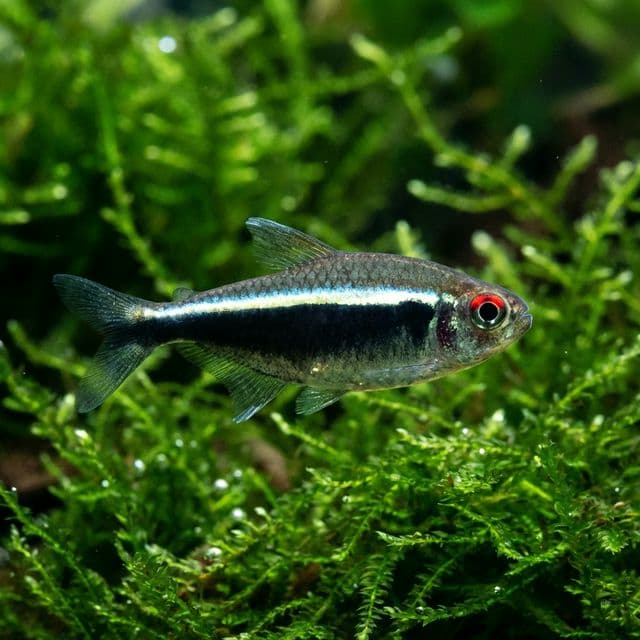
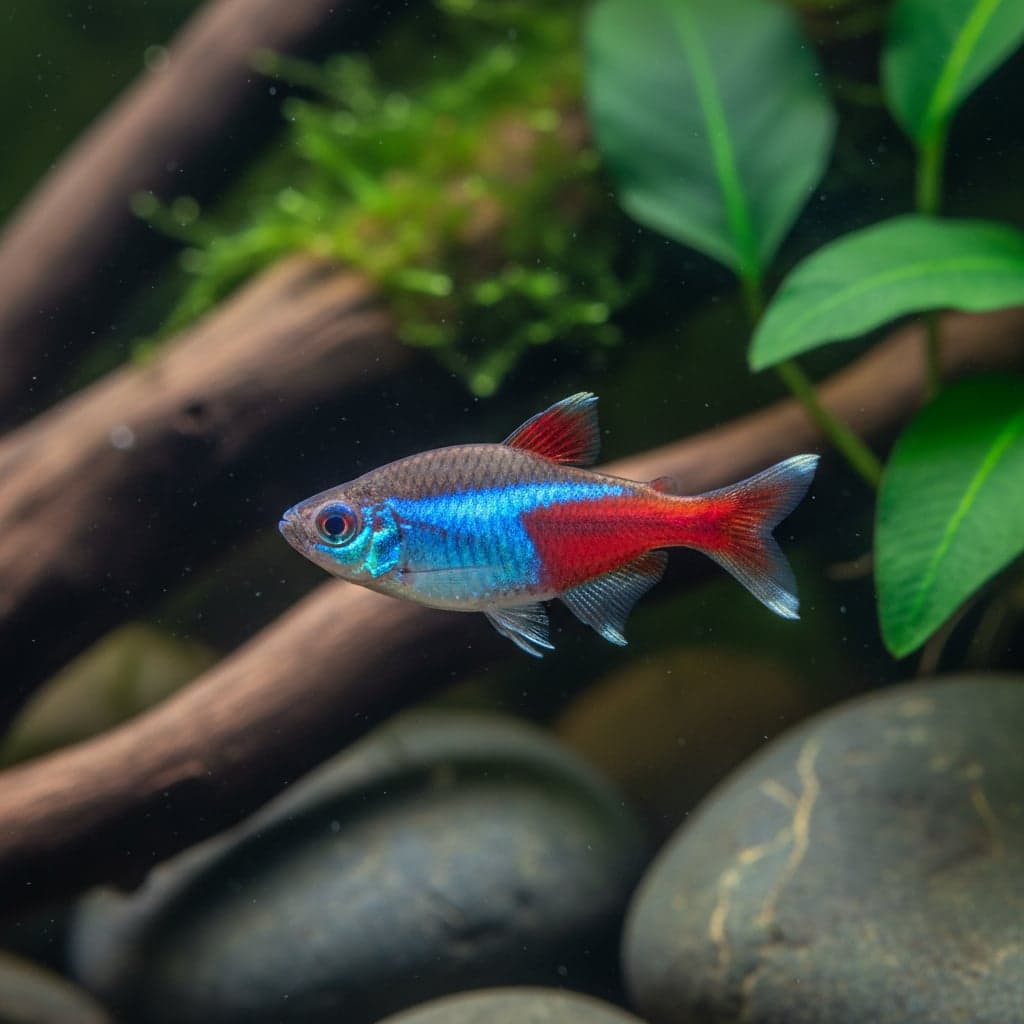
When considering tank mates for Ember Tetras, it is essential to select other peaceful species that inhabit similar water conditions. Compatible tank mates include small fish such as Neon Tetras, Cardinals, Corydoras Catfish, Guppies, and Endler's Livebearers. Additionally, they can coexist harmoniously with species like Otocinclus and small rasboras. However, it’s crucial to avoid larger or aggressive species like Cichlids or Rainbowfish, as they may perceive Ember Tetras as prey due to their small size. Creating a balanced biotope of peaceful community fish can enhance the overall harmony and visual appeal of the aquarium.
Breeding
Breeding Ember Tetras in captivity can be a rewarding experience, requiring specific conditions to encourage successful spawning. To promote breeding behavior, it's best to set up a separate breeding tank with soft, acidic water (pH between 5.5 and 6.5) and a temperature around 24 to 27°C (75 to 81°F). Utilizing a spawning mop or densely planted substrate will provide hiding spots for the eggs, which the female will scatter during spawning. Breeding pairs may exhibit courtship behavior, often seen with males chasing after the females. Following spawning, it's necessary to separate the parents from the eggs, as they may consume them. Hatching can occur within 24-48 hours, and fry should be fed infusoria or specially formulated fry food until they are ready to take on more substantial diets.
Common Health Issues
Ember Tetras can be prone to several health issues, including fin rot, ich, and other parasitic infections, particularly in poorly maintained conditions. To prevent these problems, maintain excellent water quality and regularly monitor the tank environment. Providing a balanced diet and minimizing stress through adequate schooling and hiding spaces can also contribute to their overall well-being. Regularly check for signs of disease, such as white spots, frayed fins, or lethargy, and quarantine any affected individuals to prevent the spread of illness. By maintaining effective husbandry practices, the health and longevity of the Ember Tetra can be ensured in the aquarium setting.