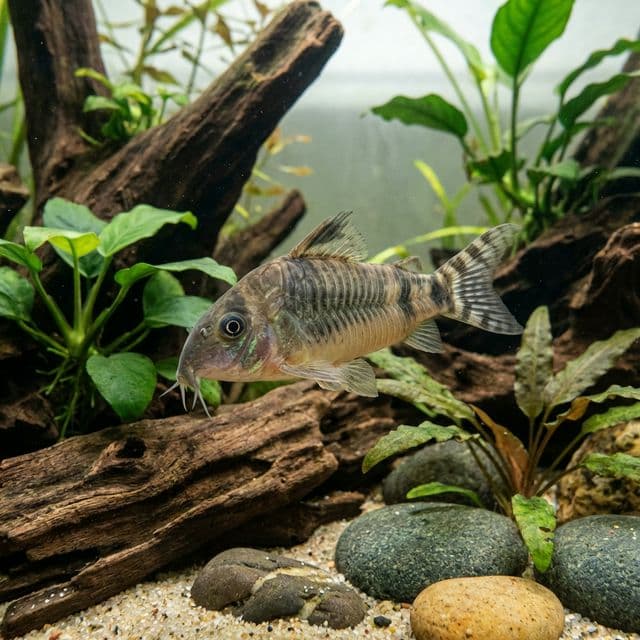
Emerald Catfish: Brochis splendens
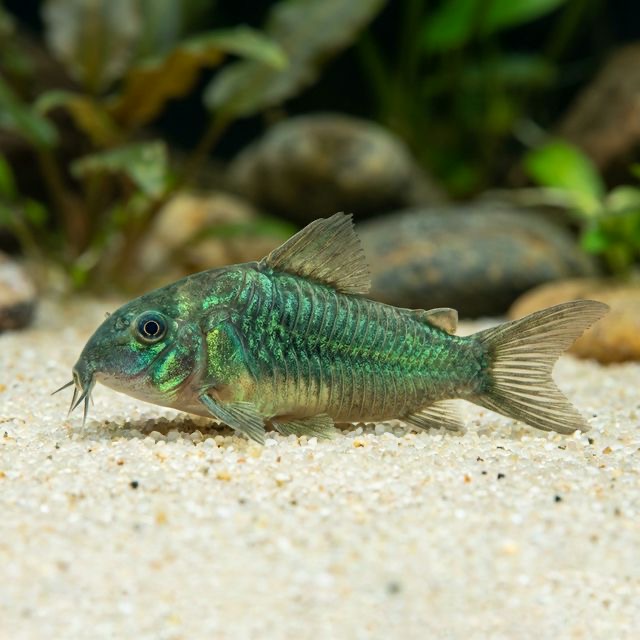
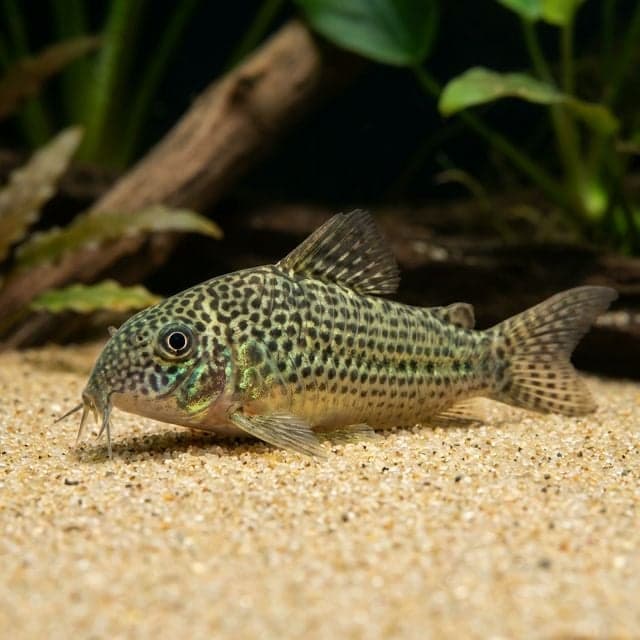
Larger than regular corydoras, with a metallic emerald-green sheen. Very impressive in groups.
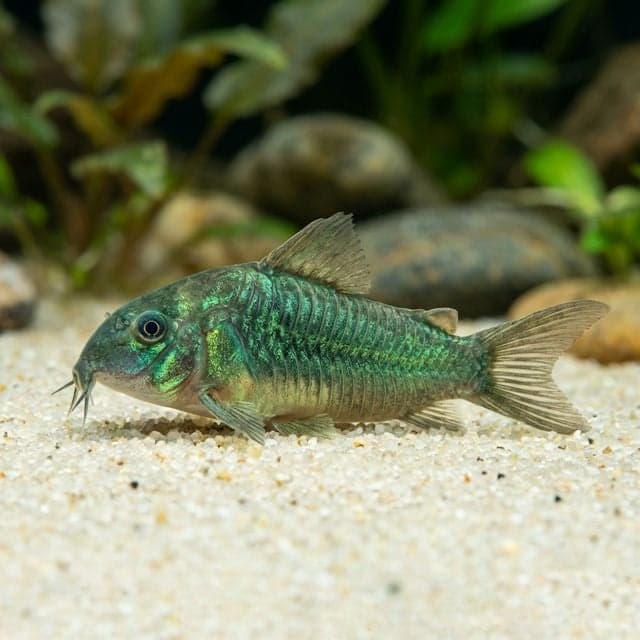
Emerald Catfish
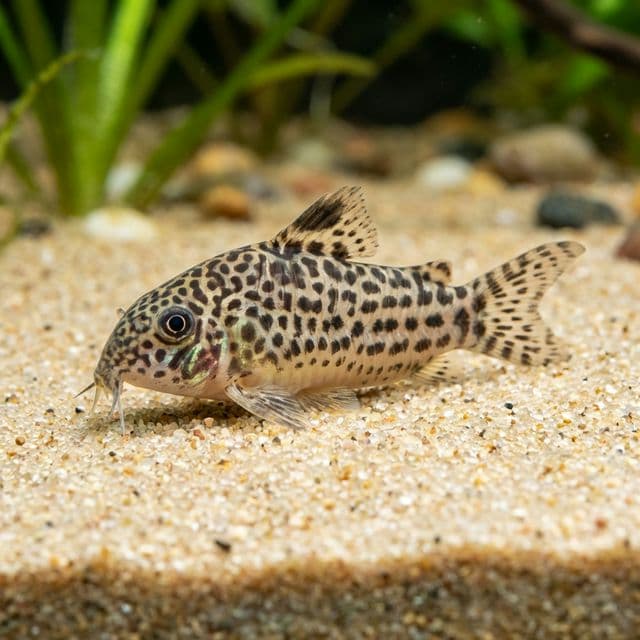
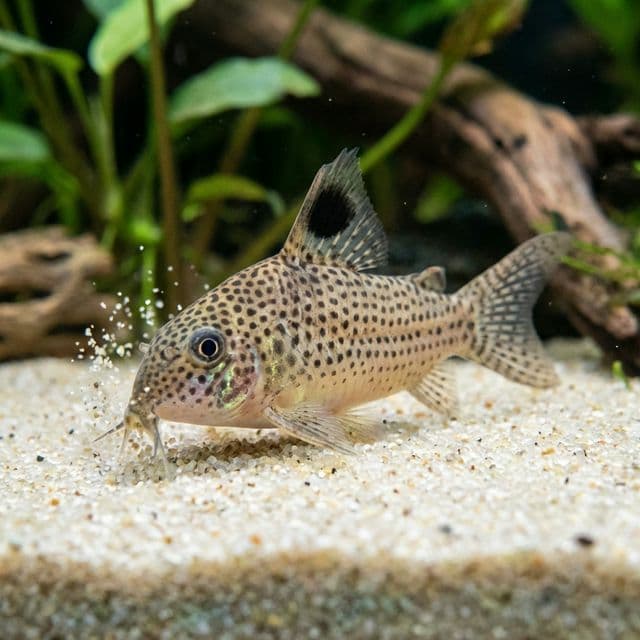
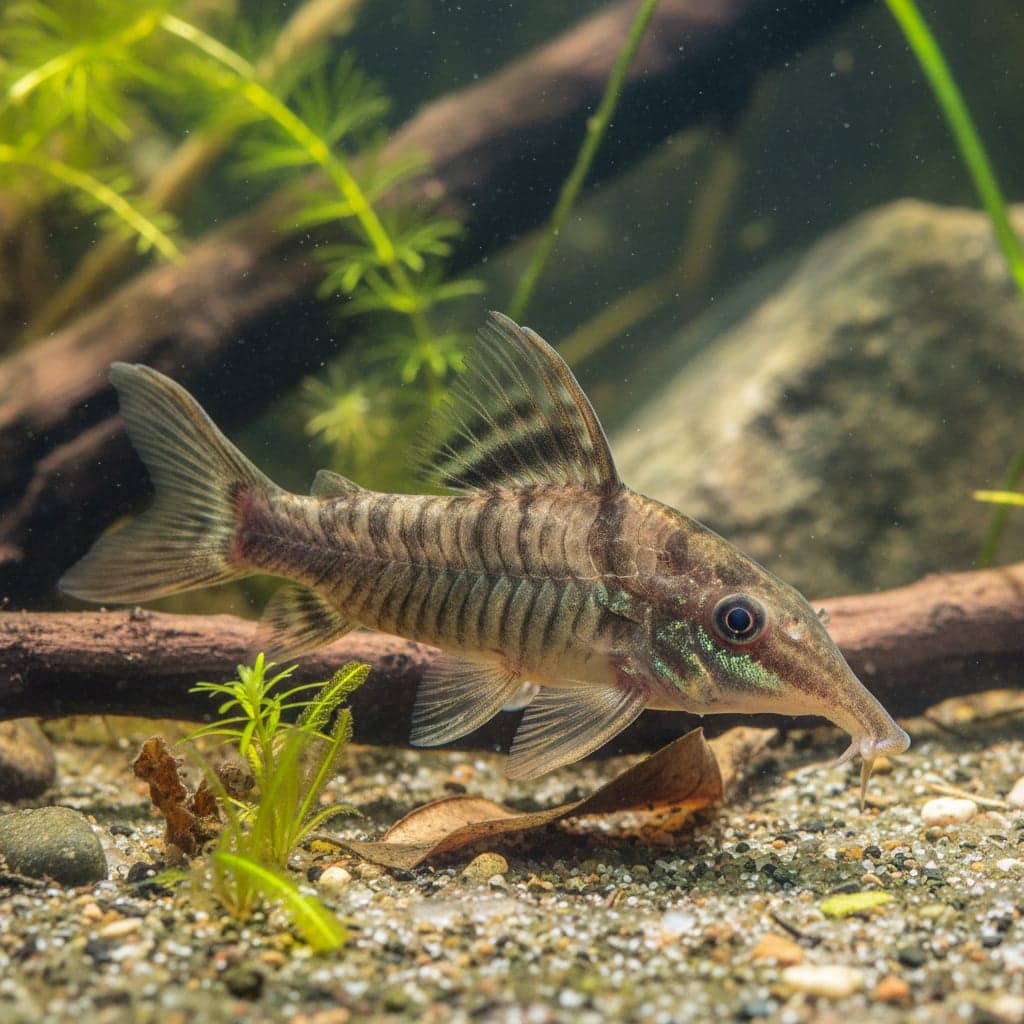
The Emerald Catfish, scientifically known as Brochis splendens, is a captivating freshwater species that is prized among aquarium enthusiasts for its vibrant coloration and gentle demeanor. This species features smooth, iridescent green to blue-green skin, speckled with intricate patterns that glimmer under the light, resembling polished gemstones. With their cute, rounded bodies and prominent whiskers, these catfish add a unique aesthetic appeal to any community aquarium. Their friendly, peaceful nature makes them an ideal choice for novice and experienced aquarists alike, assuring them a cherished place in the aquarium hobby.
As a member of the callichthyid family, the Emerald Catfish is significant not only for its beauty but also for its essential role in maintaining aquarium ecology. These fish are bottom-dwellers, often scavenging for uneaten food and detritus in a tank setup, contributing to a balanced ecosystem by helping to keep the substrate clean. Their amiable disposition and striking appearance have made them a staple in many aquariums, often included in peaceful community tank setups, promoting biodiversity and enriching the overall aquarium experience.
Natural Habitat & Origin
The Emerald Catfish is native to the slow-moving waters and tributaries of the Amazon River basin, predominantly found in regions across Brazil, Peru, and Colombia. This species thrives in blackwater and clear waters rich in organic matter, often secreting tannins that lend a tea-like color to the water. The natural environment consists of densely vegetated areas, with submerged roots and leaf litter providing both cover and foraging grounds. Such conditions create a unique microhabitat that is essential for their well-being, guiding aquarists in recreating the ideal environment for these captivating fish in a home aquarium.
Care Requirements
To keep Emerald Catfish healthy, specific water parameters should be maintained. A pH range of 6.0 to 7.5 is ideal, with a temperature between 24°C to 28°C (75°F to 82°F), and water hardness between 2 to 15 dGH. The tank setup should be a minimum of 75 liters (approximately 20 gallons), with a substrate that is soft and smooth to protect their sensitive barbels. Adding a layer of fine gravel or sand provides the perfect environment for their natural foraging behavior. Lighting should be moderate, as Emerald Catfish prefer subdued conditions, which can be enhanced by incorporating floating plants to create shaded areas. Richly planted aquariums with both rooted plants and floating vegetation will further mimic their natural habitat and promote their health.
Diet & Feeding
Emerald Catfish are omnivores, thriving on a varied diet consisting of high-quality flakes, pelleted food, freeze-dried, or frozen foods such as bloodworms, brine shrimp, and daphnia. A blended diet enhances their coloration and promotes overall health. While they are adept scavengers and will search the substrate for leftover food, it is important to ensure they receive adequate nutrition by providing sinking pellets or tablets, specifically designed for bottom feeders. Regular feeding routines and offering a range of food types will keep them active and well-fed, supporting their energetic nature.
Behavior & Temperament
Emerald Catfish are known for their sociable behavior, thriving in small groups of at least five to six individuals. They exhibit schooling habits and can often be seen swimming in close-knit formations, creating a delightful spectacle within an aquarium. Their peaceful temperament makes them compatible with various community fish, though they may shy away from aggressive species. Typically found sleeping on the substrate during the day, they are more active during dawn and dusk, often utilizing the lower levels of the tank for vertical placement. A secure environment with plenty of hiding spots will encourage their natural behaviors, providing both comfort and security.
Tank Mates
When selecting tank mates for Emerald Catfish, consider species that share compatible temperaments. Ideal companions include small to medium-sized peaceful fish such as Neon Tetras, Corydoras Catfish, Rasboras, Guppies, and other community fish. It is essential to avoid aggressive species or those that are significantly larger, as they could pose a threat to the Emerald Catfish. Additionally, avoid fish known for nipping fins, as this could stress the Emerald Catfish and disrupt the harmony of the aquarium environment.
Breeding
Breeding Emerald Catfish in captivity can be a rewarding experience for aquarists. To encourage spawning, maintain optimal water conditions (slightly cooler temperatures and well-maintained water quality). A spacious breeding tank with plenty of hiding spots and floating plants can promote spawning behavior. During mating, males will chase females around the tank until the female lays eggs, which they will then fertilize. The eggs typically adhere to surfaces such as plants or aquarium glass. After several days, the fry will hatch, requiring tiny foods like infusoria or finely crushed flakes. Dedicated care during this stage is crucial for successful growth.
Common Health Issues
Emerald Catfish are generally hardy, although they can be prone to certain health issues such as ich, fin rot, and bacterial infections. To prevent these diseases, ensure stable water conditions and perform regular maintenance, including water changes and filter cleaning. Quarantining new additions to the aquarium can also minimize the risk of introducing pathogens. Monitoring behavior for signs of stress or illness, such as rapid gill movements or changes in appetite, can help aquarists intervene early if any health problems arise, ensuring their Emerald Catfish thrive in a healthy environment.