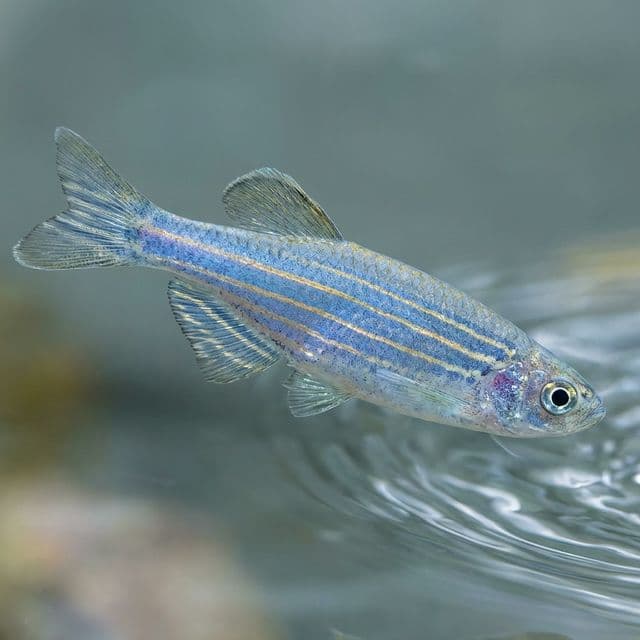
The Emerald Dwarf Rasbora: Danio erythromicron
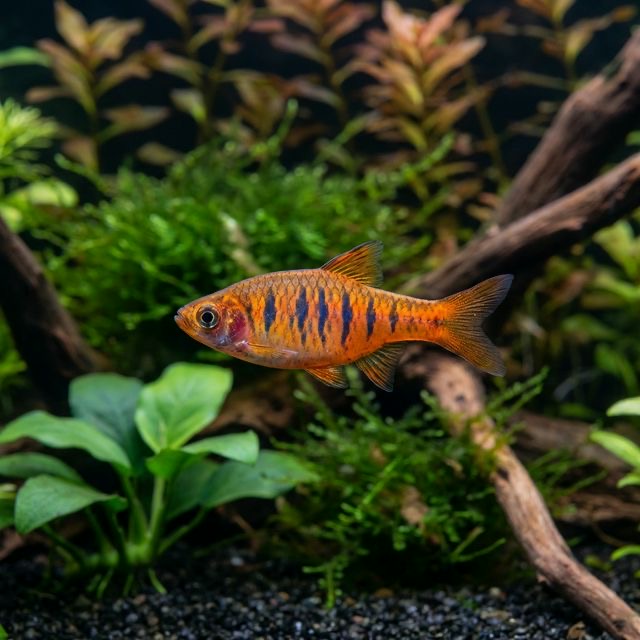
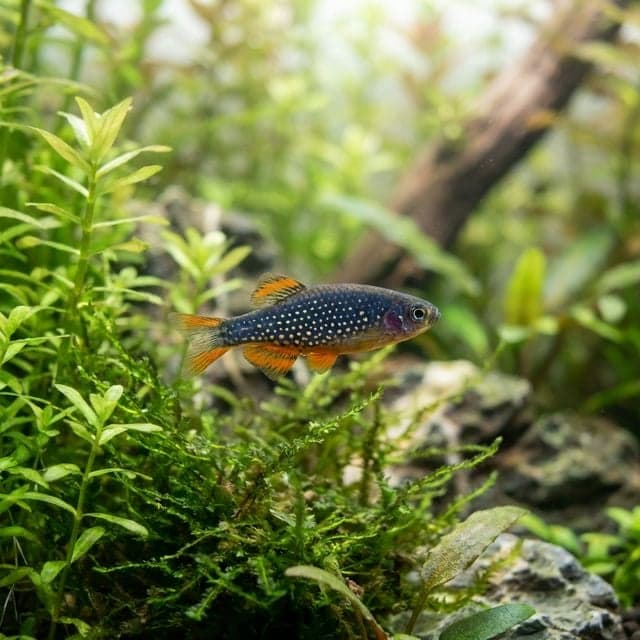
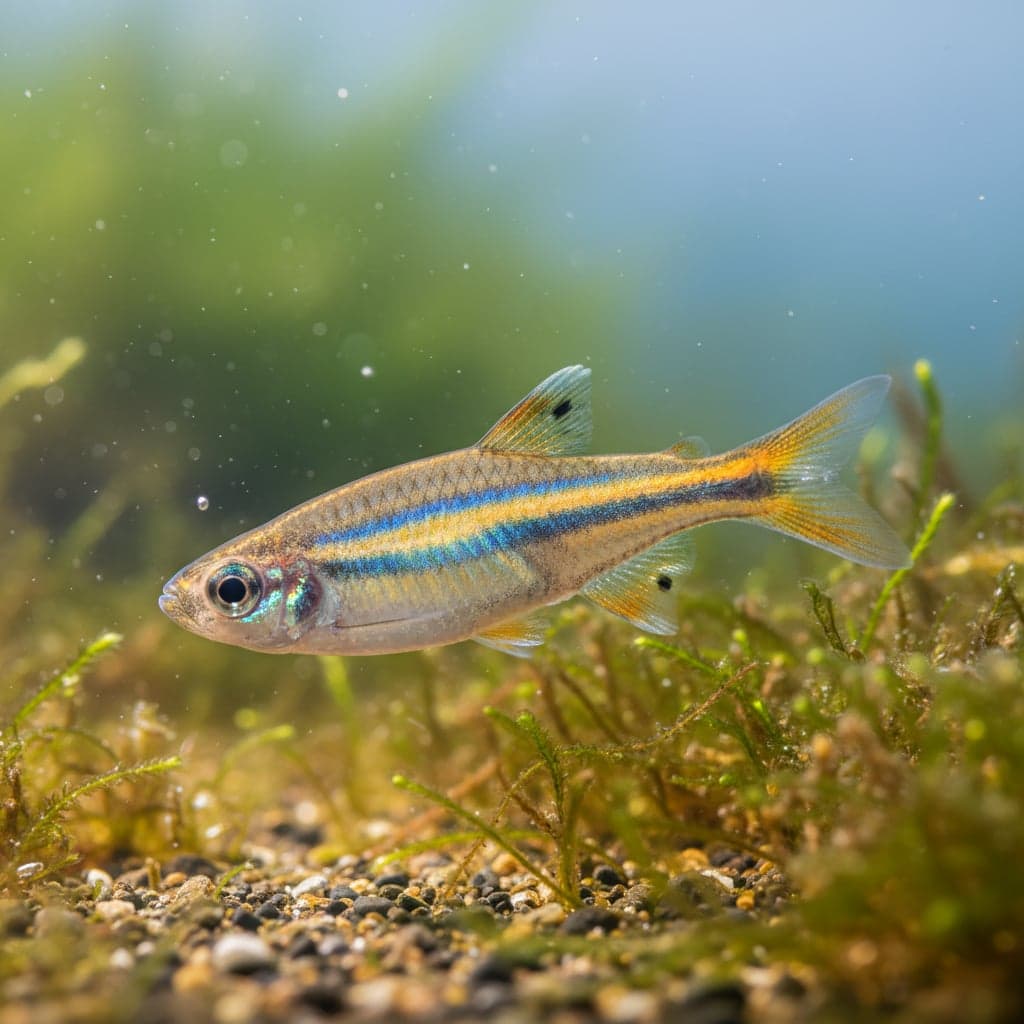
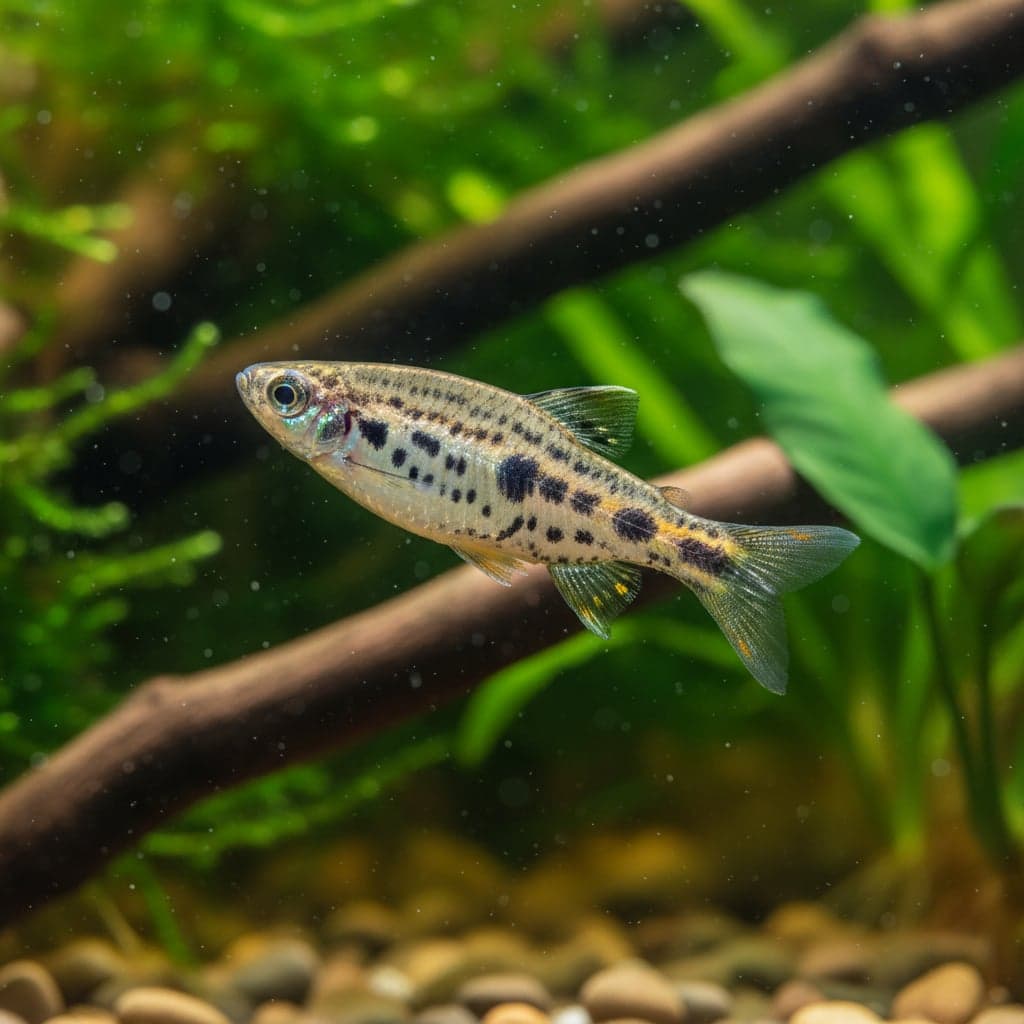
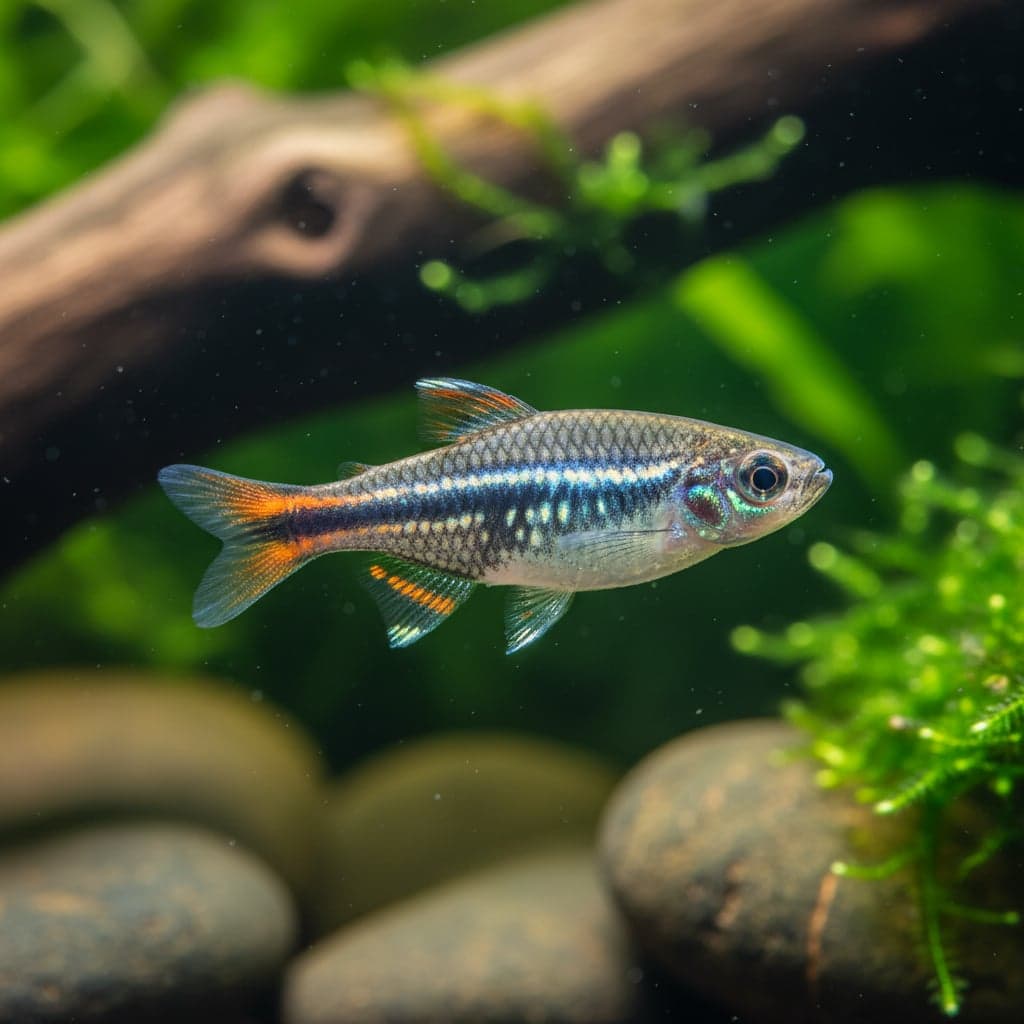
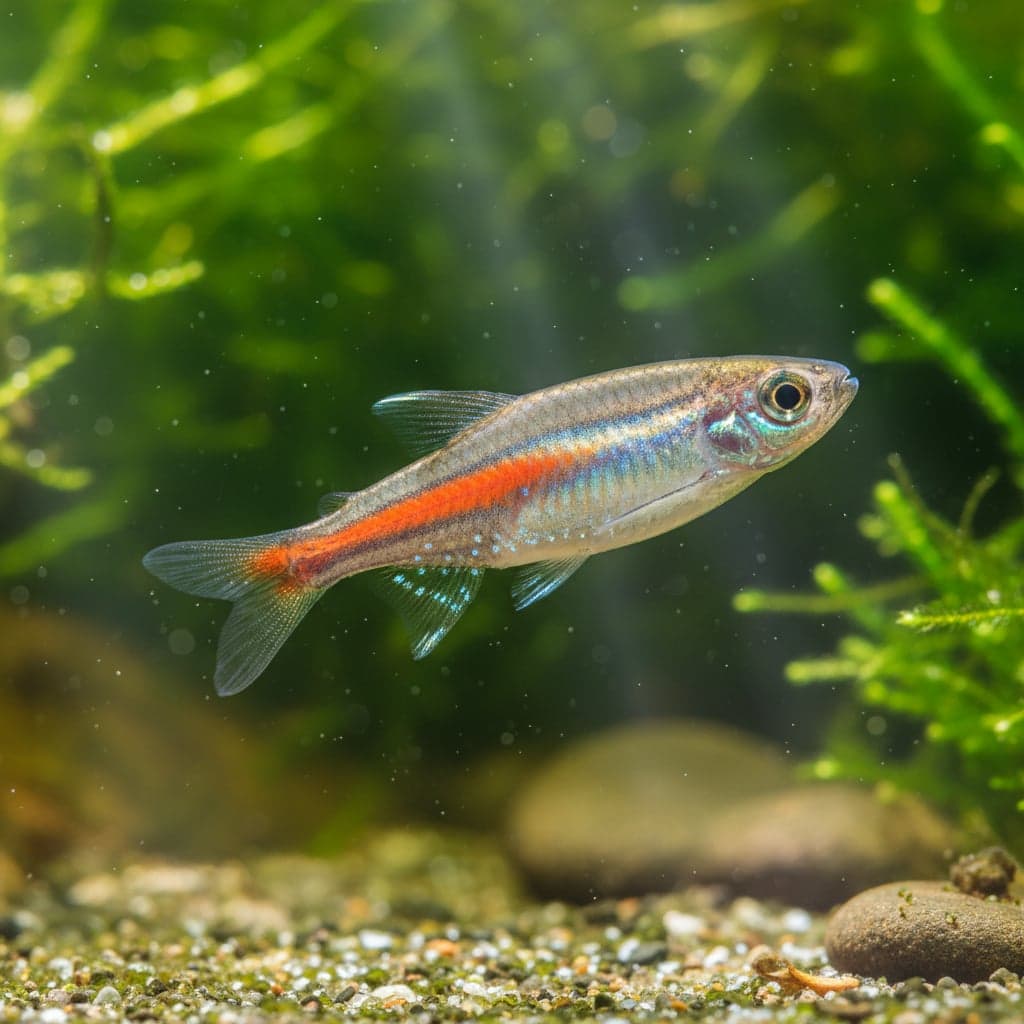
A tiny, striped gem from Lake Inle. Deep blue bars on a pinkish body with an emerald spot at the gill cover. Often hides but stunning when settled.
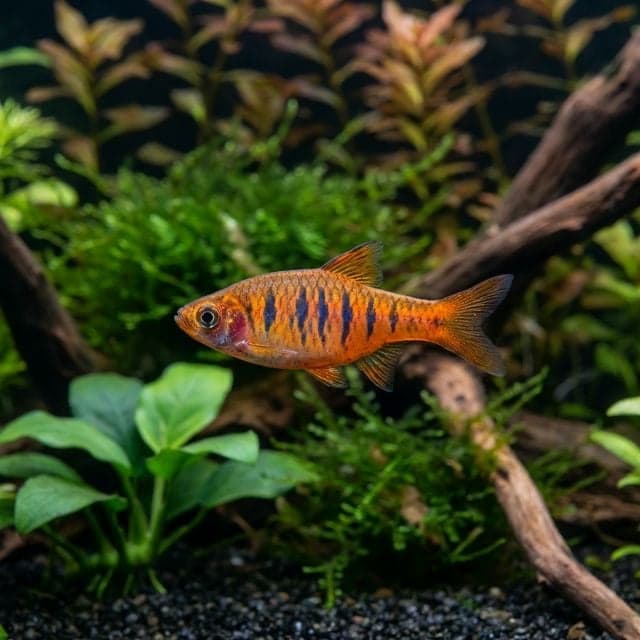
Emerald Dwarf Rasbora
The Emerald Dwarf Rasbora (Danio erythromicron) is a visually stunning small freshwater fish native to Southeast Asia, specifically found in Myanmar. This species is celebrated for its vibrant coloration, with an iridescent emerald green body that shimmers under aquarium lighting, contrasting beautifully with the nuanced hues of its fins. Its petite size, typically reaching only about 1.5 inches, makes it an ideal choice for nano aquariums and community tanks. The allure of the Emerald Dwarf Rasbora lies not only in its captivating physical appearance but also in its active schooling behavior, contributing to the dynamic visual appeal of any aquarium.
In the aquarium hobby, the Emerald Dwarf Rasbora holds a significant place due to its peaceful nature and compatibility with a broad range of tank mates. These fish are often recommended for beginners and experienced aquarists alike, providing an engaging experience as they thrive in groups of six or more. Their small size and striking presence have led them to become highly sought after among enthusiasts, enhancing community tanks with both color and movement.
Natural Habitat & Origin
Emerald Dwarf Rasboras are indigenous to the pristine waters of Myanmar, particularly inhabiting the shallow streams and tributaries of the Ayeyarwady River basin. These fish are typically found in soft, acidic to neutral waters, characterized by low light conditions, dense vegetation, and plenty of leaf litter. The natural habitat is often classified as blackwater, consisting of tannin-stained waterways that impart a slightly darker appearance due to decomposing plant matter. Such environments not only provide cover for these shoaling fish but also promote the growth of algae, which serves as a food source for various aquatic organisms.
The geographical isolation of Emerald Dwarf Rasboras has resulted in a unique adaptation to their environment, influencing their coloration and behavior. These fish thrive in slow-moving waters, often hiding among the roots and foliage, where they feel safest from potential predators. Understanding their natural habitat can help aquarists to replicate these conditions effectively in home aquariums, ensuring the health and well-being of these captivating fish.
Care Requirements
Proper care of Emerald Dwarf Rasboras necessitates specific water parameters to ensure their health and happiness. The ideal pH level for these fish ranges from 6.0 to 7.5, with a temperature range between 75°F to 82°F (24°C to 28°C), and hardness ideally around 2-15 dGH. Maintaining stable water conditions is crucial; therefore, regular water changes and a reliable filtration system are essential to prevent fluctuations that could stress the fish.
When setting up a tank for Emerald Dwarf Rasboras, a minimum tank size of 10 gallons is advisable to accommodate a small school and allow ample swimming space. A soft substrate, such as fine gravel or sand, combined with plenty of live plants like Java moss and Anubias, will create a natural environment. Dim lighting, perhaps with floating plants to diffuse direct light, will mimic their natural habitat and encourage comfort and breeding behavior.
Diet & Feeding
As omnivores, Emerald Dwarf Rasboras appreciate a varied diet that supports their nutritional needs. In captivity, high-quality flakes or small pellets designed for small fish serve as a staple food source. These fish will also benefit from occasional feeding of live or frozen foods, such as brine shrimp, daphnia, or micro-worms, which help enhance coloration and overall health. Offering a varied diet not only ensures balanced nutrition but also stimulates natural foraging behavior.
In addition to flakes and pellets, it's beneficial to include blanched vegetables like zucchini or spinach to promote health and provide fiber. Regular feeding should be done two to three times daily, ensuring that the amounts provided are small enough to be consumed within a few minutes to prevent polluting the tank.
Behavior & Temperament
Emerald Dwarf Rasboras are known for their lively and social nature, making them an excellent addition to community aquariums. They thrive in schools of six or more, exhibiting a highly social behavior that enhances their overall well-being. These fish are generally non-aggressive and coexist harmoniously with a wide variety of tank mates. Their active swimming habits are often characterized by darting movements around the tank, especially in the mid to upper water column.
While they are not territorial, maintaining a suitable environment with plenty of space allows for their natural behavior to flourish. Emerald Dwarf Rasboras tend to prefer vertical placement in the tank, often schooling at various levels, which adds depth and movement to the aquarium’s visual appeal.
Tank Mates
When selecting tank mates for the Emerald Dwarf Rasbora, it's crucial to choose species that share similar water requirements and temperament. Compatible species include other small, peaceful fish such as Neon Tetras, Corydoras Catfish, Guppies, and various Rasboras like the Harlequin Rasbora. Shrimp such as Cherry Shrimp or Amano Shrimp also make excellent companions, as well as small peaceful snails.
Conversely, larger or more aggressive fish should be avoided to prevent stress or predation. Species such as Betta fish, Cichlids, or any large predatory fish like Oscars and larger barbs can pose a serious threat to the Emerald Dwarf Rasbora, leading to potential harm or stress within the tank environment.
Breeding
Breeding Emerald Dwarf Rasboras in captivity can be an exciting endeavor for aquarists. These fish typically exhibit egg-scattering behavior during spawning, and suitable breeding conditions include a separate breeding tank set up with soft, acidic water (pH around 6.0) and dimmed lighting. To encourage breeding, aquarists should introduce a conditioned pair and provide spawning mops or fine-leaved plants for egg deposition.
The adults usually do not display parental care and may eat the eggs if left in the same tank, so it’s essential to remove them after spawning to ensure higher survival rates for the fry. The eggs typically hatch within 24 to 36 hours; the fry should be fed infusoria or fine powdered foods until they grow large enough to accept micro-particle foods.
Common Health Issues
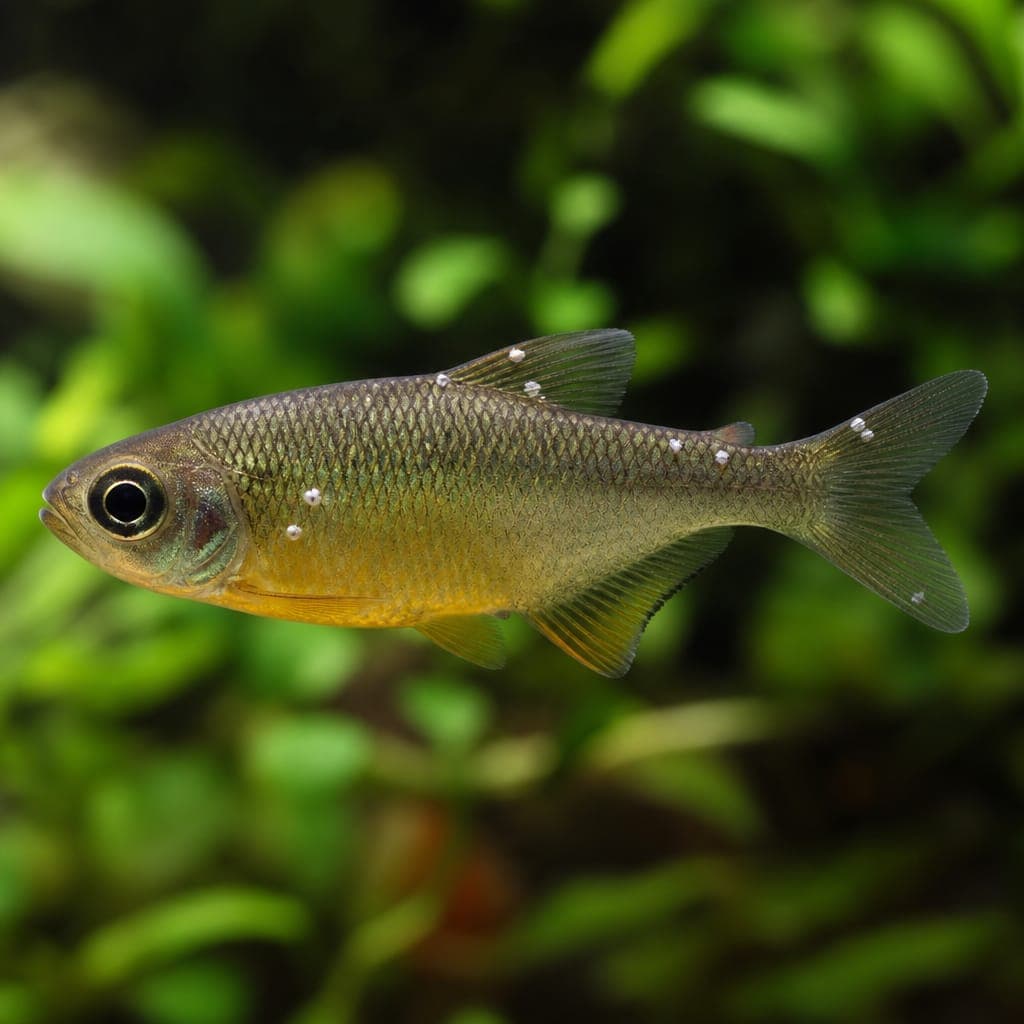
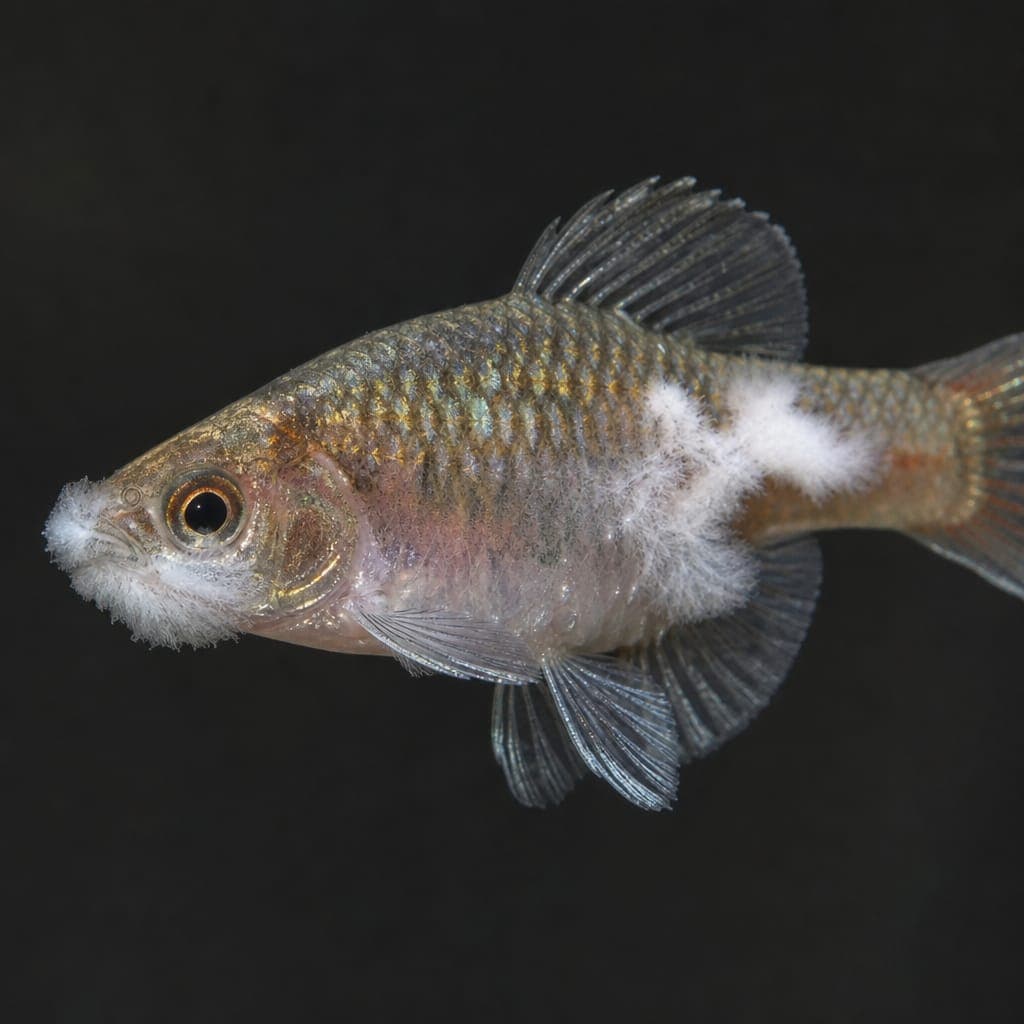
Emerald Dwarf Rasboras are relatively hardy but, like all fish, can be susceptible to certain health issues primarily stemming from poor water quality or inadequate care. Common diseases include Ich (white spot disease), fin rot, or fungal infections. Maintaining optimal water parameters, providing a varied diet, and ensuring an adequately powered filtration system are key points in disease prevention.
To mitigate health issues, aquarists should practice regular tank maintenance, including water changes, and monitor for signs of stress or illness. Quarantining new arrivals before introducing them into an established tank can also prevent the spread of pathogens, ensuring a healthy, vibrant aquarium population.