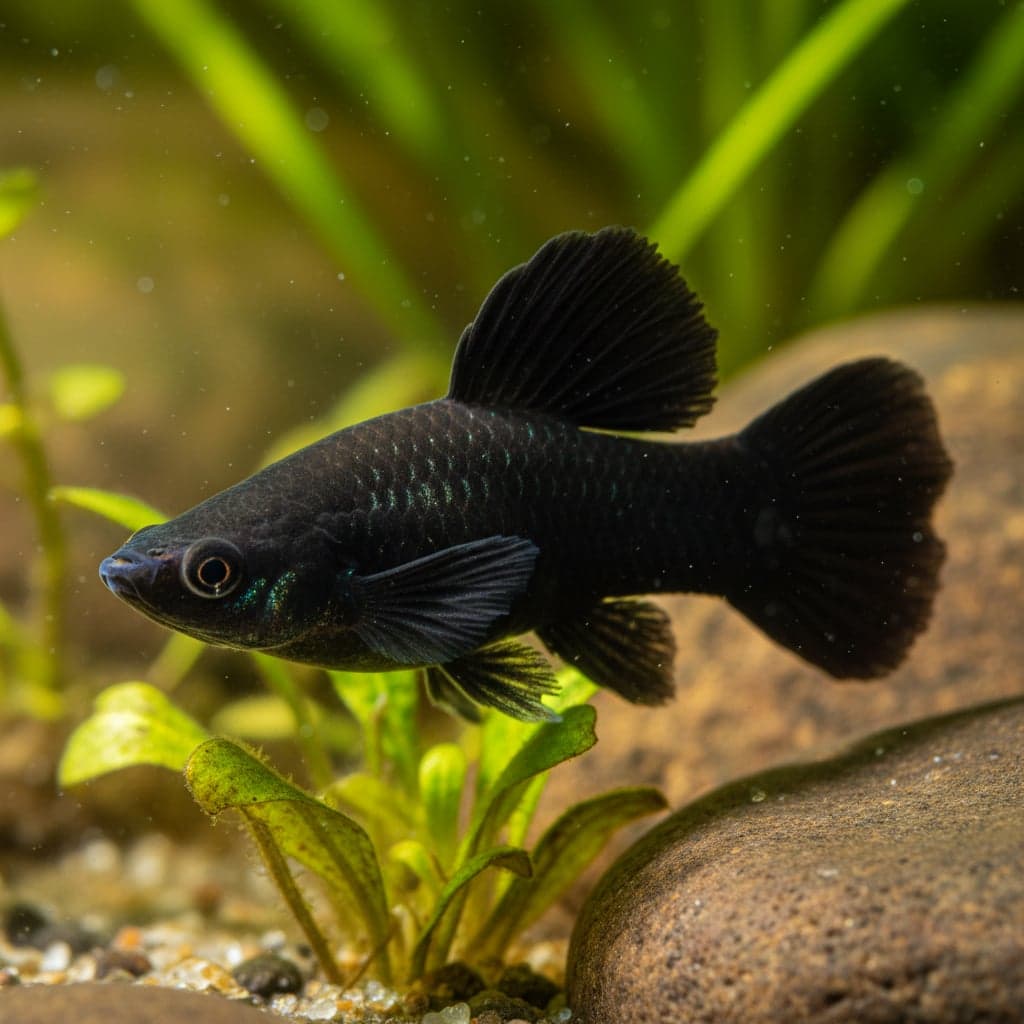
Endler's Guppy: Poecilia wingei
A smaller, wilder cousin of the common guppy. Males are dazzlingly colorful with neon patterns.
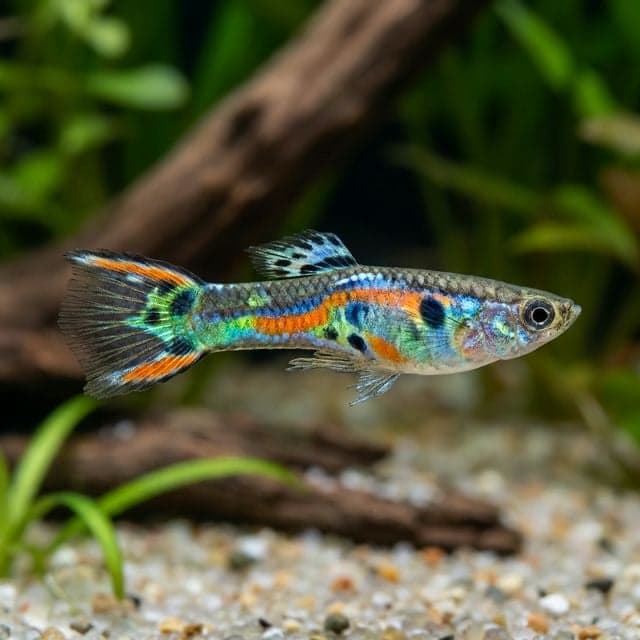
Endler's Guppy
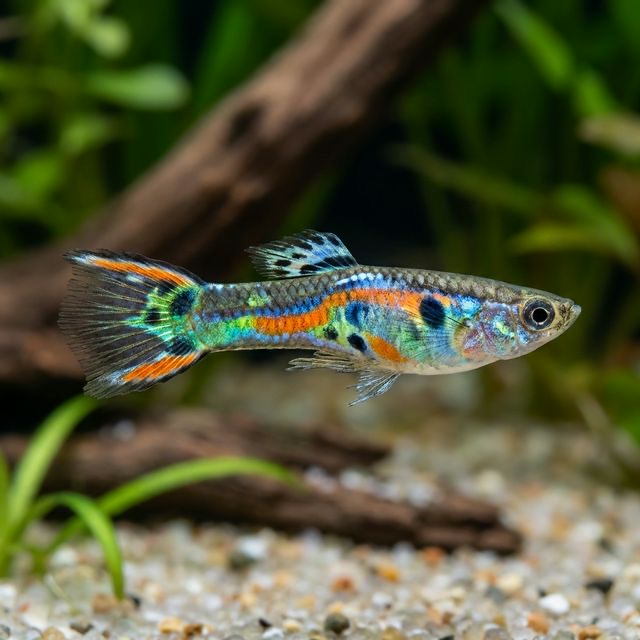
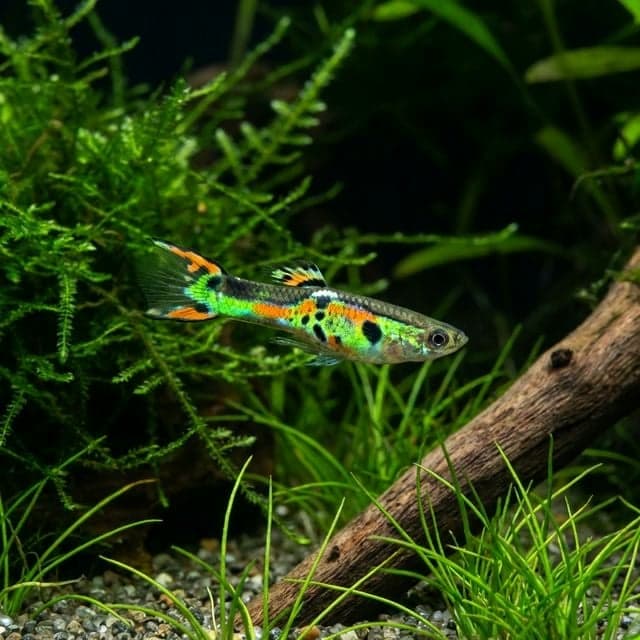
Endler's Guppy, scientifically known as Poecilia wingei, is a small, vibrant freshwater fish that has captured the hearts of aquarists around the world. With its dazzling colors and unique patterns, this fish is often mistaken for its relative, the common guppy (Poecilia reticulata). Endler's Guppy exhibits an array of striking colorations, including brilliant iridescent greens, deep blues, and fiery oranges, often adorned with intricate spots and stripes. These visual traits not only contribute to their appeal but also make them a popular choice among aquarium enthusiasts looking to add a splash of color to their tanks.
Originating from Venezuela's Laguna de Patos, Endler's Guppy serves as a significant symbol of biodiversity within marine ecosystems. Their role in the aquarium hobby underscores the importance of conservation and the need for ethical sourcing of aquatic species. As a result of its popularity, Endler's Guppy has prompted advancements in breeding practices, leading to the creation of various stunning color morphs. These endeavors have further solidified the fish's status as a focal point in freshwater aquariums.
Natural Habitat & Origin
Endler's Guppy is indigenous to the brackish waters of the Laguna de Patos region in northeastern Venezuela. This unique environment comprises shallow pools with vegetation, warm temperatures, and relatively low water movement, showcasing a mosaic of emergent and partially submerged plants. The waters are typically clear, allowing ample sunlight to penetrate, which supports the growth of aquatic flora that provides shelter and spawning grounds for these fish. The surrounding habitat includes a mix of mangrove ecosystems and marshlands, contributing to the diverse biodiversity of the area.
In their natural environment, Endler's Guppy thrives in water that has a slightly acidic to neutral pH range (6.5 to 7.5) and a temperature range of 22°C to 28°C (72°F to 82°F). They prefer softer water with a hardness level of 4-10 dGH, which closely mimics the conditions found in their native lagoons. Understanding their natural habitat is essential for replicating the conditions required for successful breeding and maintaining their vibrant health in captivity.
Care Requirements
To provide suitable care for Endler's Guppy, it is crucial to replicate their natural habitat as closely as possible. An ideal aquarium size for a small group of these fish is at least 10-20 gallons, allowing ample space for swimming and establishing territories. A substrate of fine sand or small gravel is recommended, as it promotes a natural foraging environment and facilitates plant growth. The lighting should mimic natural conditions; moderate lighting is sufficient, encouraging the growth of live plants, which serve as both a hiding spot and grazing ground for Endler's Guppy.
Water parameters are essential for maintaining the well-being of Endler's Guppy. It is best to maintain a temperature between 24°C to 28°C (75°F to 82°F) and a pH level between 6.5 and 7.5. Regular water changes (around 20% weekly) help prevent the buildup of harmful toxins and maintain stable water quality. Adding live plants not only aids in maintaining water quality through natural filtration but also provides necessary shade and shelter for the fish.
Diet & Feeding
Endler's Guppy is an omnivorous species, making it easy to feed and care for in captivity. A balanced diet should consist of high-quality flakes or pellets formulated specifically for small tropical fish. To enhance their coloration and encourage healthy growth, it's beneficial to incorporate supplements, such as spirulina, into their diet. Alongside flakes, offering a varied menu that includes frozen or live foods like brine shrimp, daphnia, and mosquito larvae can stimulate their natural hunting instincts while providing essential nutrients.
Feeding Endler's Guppy a diverse diet will not only ensure optimal health but also promote their vibrant colors and overall vitality. Fish keepers should exercise moderation in feeding, offering only what the guppies can consume within a few minutes, usually 2-3 times a day. This practice helps in preventing overfeeding, which can lead to water quality issues and health problems.
Behavior & Temperament
Endler's Guppy exhibits playful and lively behavior, making them an excellent addition to community aquariums. They are typically peaceful and enjoy being kept in groups, displaying strong schooling instincts. A small group of at least five or six individuals is recommended to promote their social behaviors, creating a more dynamic and lively aquarium environment. Despite their gentle nature, male Endler's Guppies can sometimes display mild territorial behaviors, particularly during mating seasons.
These fish occupy various levels of the aquarium, often found swimming in open water or darting among plants. They are more likely to occupy the middle to upper levels of the tank, where they feel secure while still seeking out food and interacting with their tank mates. Observing their behavior can be quite rewarding, as they often engage in intricate displays during mating rituals, including elaborate courtship dances.
Tank Mates
Endler's Guppy is generally compatible with a variety of other small, peaceful fish species. Ideal tank mates include Neon Tetras, Corydoras Catfish, Raspboras, and other small livebearers. These community fish share similar water parameter requirements and social behaviors, fostering a harmonious environment in the aquarium.
Conversely, it is important to avoid pairing Endler's Guppy with larger or aggressive species, such as Cichlids and certain types of Barbs that may pose a threat to their well-being. Additionally, avoid keeping them with fin-nipping species, as this can stress the guppies and lead to injuries. By carefully selecting tank mates, aquarists can create a peaceful and balanced aquatic community.
Breeding
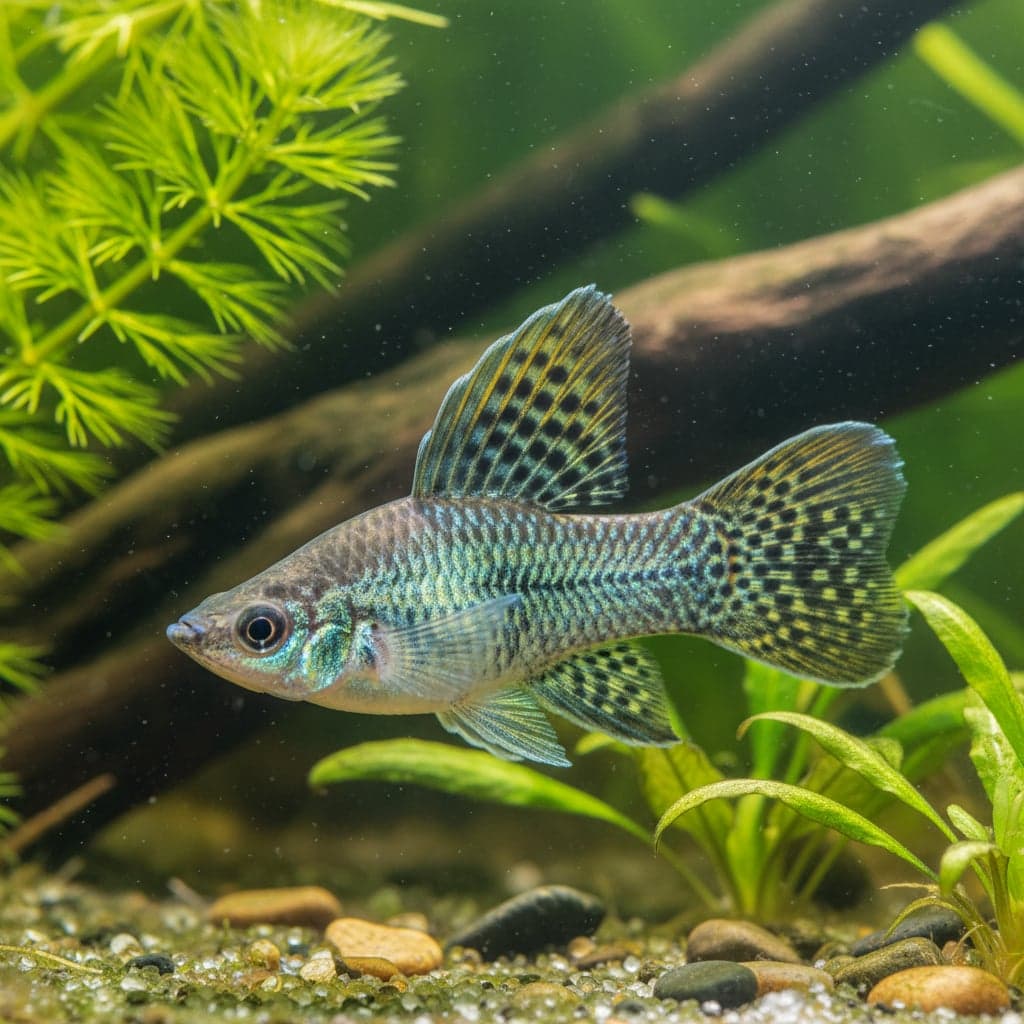
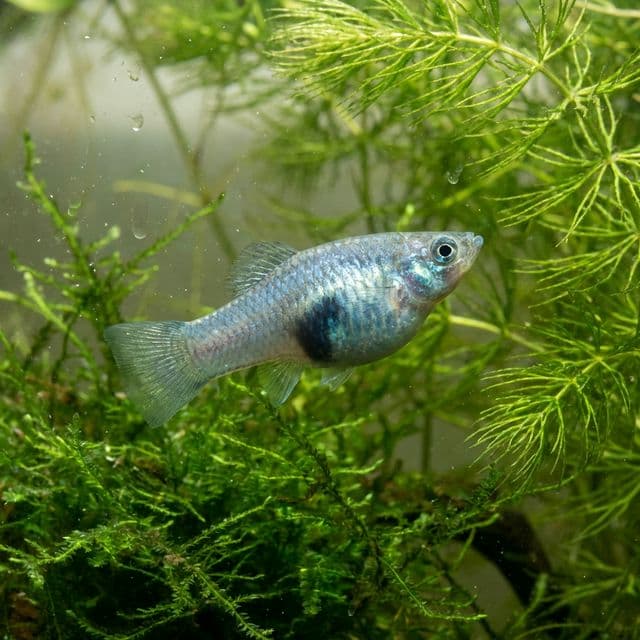
Breeding Endler's Guppy in captivity is relatively straightforward, as they are livebearers, giving birth to free-swimming fry instead of laying eggs. To stimulate breeding behavior, maintain optimal water conditions similar to those found in their natural habitat, and provide plenty of plants for cover. The adult males will display vibrant colors and engage in intricate courtship displays to attract females, which are often larger and more subdued in coloration.
Once a female is successfully inseminated, she can store the sperm internally, allowing her to produce several batches of fry over weeks to months. After a gestation period of around 3-4 weeks, the female will give birth to anywhere from 20 to 100 fry. It is advisable to provide a separate nursery tank or designated area in the main tank, where the fry can hide from adult fish that may see them as food. With appropriate care, the fry can quickly grow and develop their colors, reflecting their vibrant lineage.
Common Health Issues
Like all fish, Endler's Guppy is prone to certain health issues if conditions are not well managed. Common problems include Ichthyophthirius multifiliis (Ich), fin rot, and various parasitic infections. Ich is easily identified by the appearance of white spots on the fish and is typically caused by sudden changes in water temperature or stress. To prevent this, maintain stable water conditions and provide ample hiding spaces within the tank.
Fin rot can occur due to poor water quality or injury, leading to frayed fins. Regular water changes, appropriate tank maintenance, and a nutritious, varied diet are the best defenses. Quarantining new fish and avoiding sudden parameter swings further reduce risk, helping Endler's Guppies remain vibrant and healthy.