Eyespot Goby
A 10cm sand-sifting goby with false eyespots, and a poor survival record — it needs a mature deep sand bed teeming with live food.
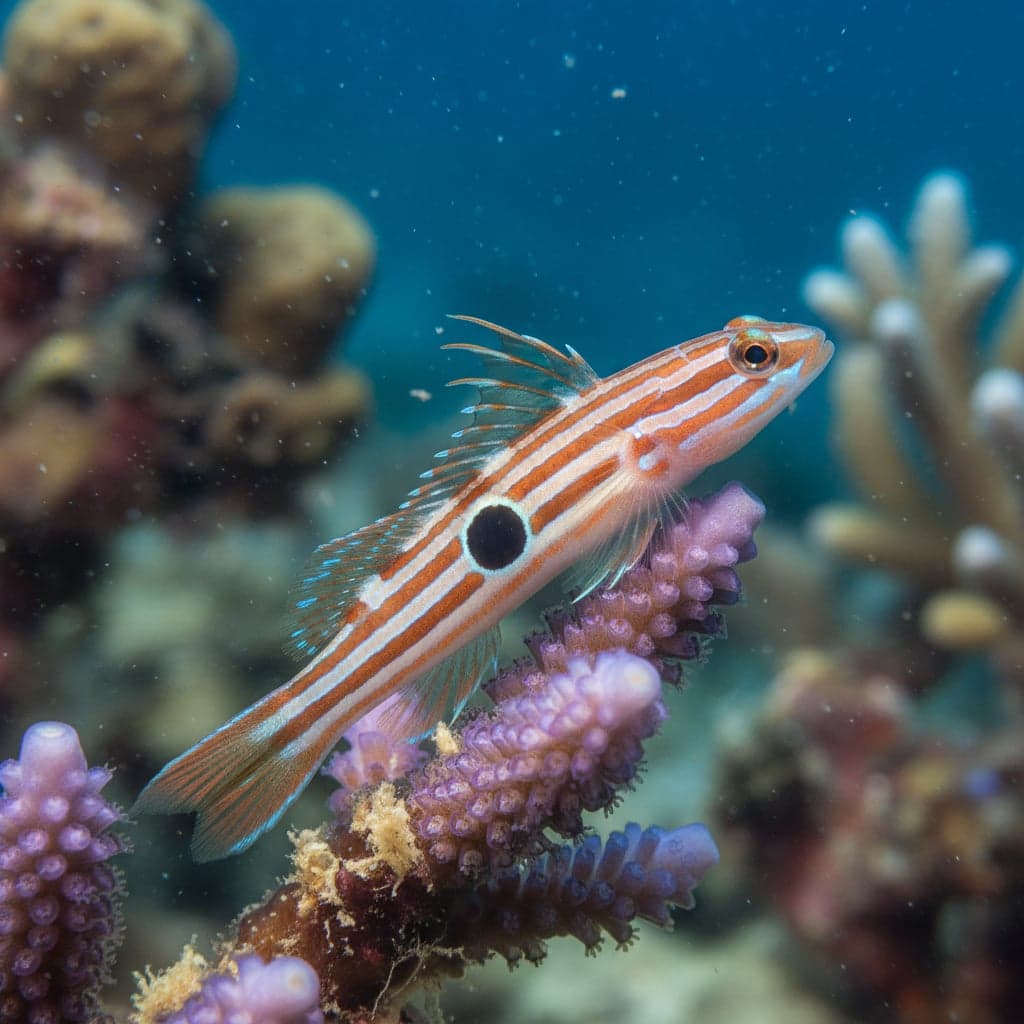
Eyespot Goby
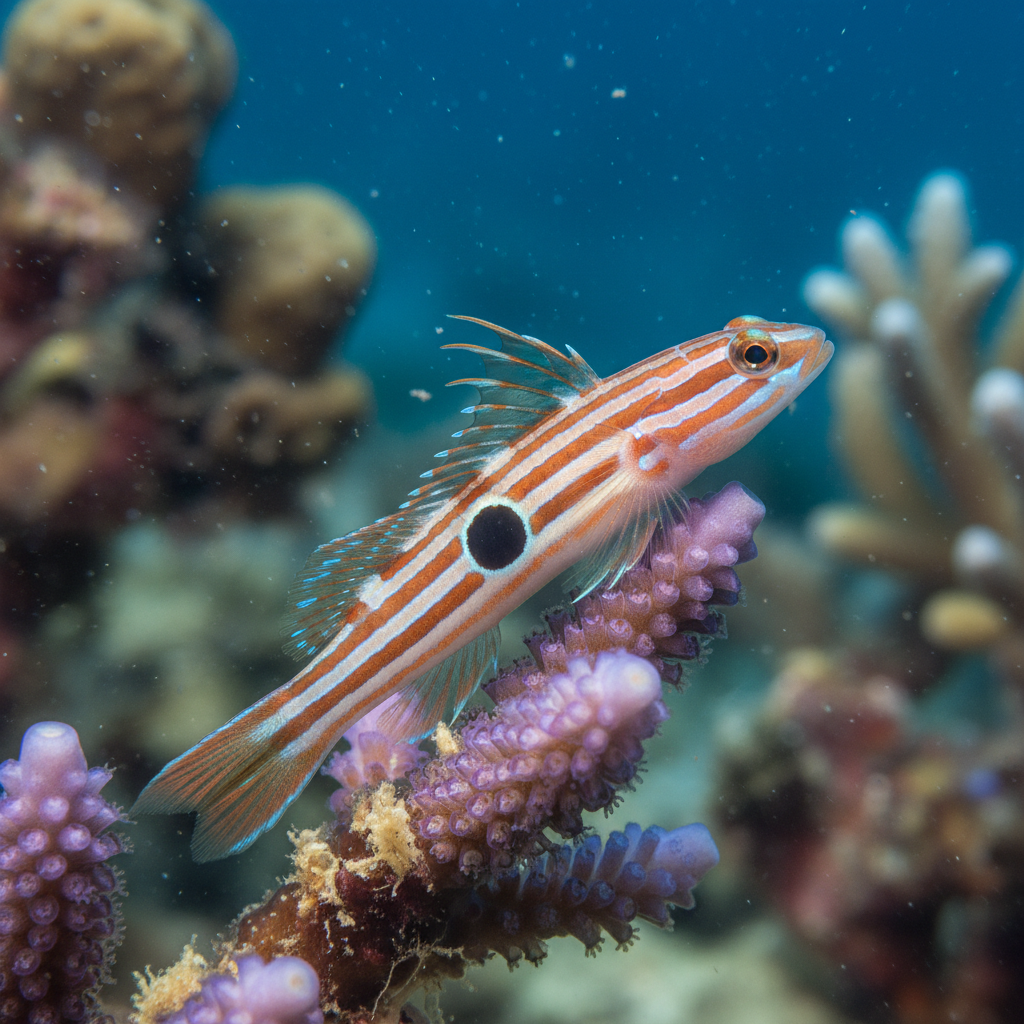
The Eyespot Goby (Signigobius biocellatus), also known as the Twinspot Goby, is a captivating and unique marine fish that brings an exotic touch to home reef aquariums. This species is widely recognized for its striking appearance, characterized by the prominent eyespots located on its two dorsal fins, which serve as a mimicry defense mechanism. The fish typically exhibits a soft, muted color palette with delicate markings that can range from sandy white to subtle browns. Its endearing behavior and specialized lifestyle make the Eyespot Goby a favorite among marine aquarists.
In the aquarium hobby, the Eyespot Goby holds significant importance due to its peaceful temperament and specialized sifting behavior, making it an ideal candidate for mature reef tanks with live sand. Beyond their aesthetic appeal, these fish also serve as engaging conversational pieces due to their unique relationship with the substrate. Observing an Eyespot Goby as it sifts through sand searching for tiny invertebrates can be a delight, enhancing the aquatic experience for hobbyists.
Natural Habitat & Origin
The Eyespot Goby is native to the tropical marine waters of the Indo-Pacific, particularly found around coral reefs from the Philippines to the Solomon Islands. These unique fish thrive in warm, shallow lagoons and reef slopes, typically inhabiting sandy and rubble substrates near the base of corals. The natural environment of the Eyespot Goby is characterized by clear, well-oxygenated marine waters rich in benthic microfauna.
In these environments, Eyespot Gobies play an important ecological role, aiding in the aeration of the substrate and maintaining the balance of their local reef ecosystems. They are typically found in pairs, showcasing a lifelong bond that is rare among many marine species. When kept in the home aquarium, replicating these sandy conditions and providing a stable pair-bond environment is vital for the overall well-being of this species.
Care Requirements
To ensure the health and vitality of Eyespot Gobies, particular attention must be paid to their care requirements. Ideal water parameters for an Eyespot Goby include a pH range of 6.5 to 7.5, a temperature between 24°C to 28°C (75°F to 82°F), and a hardness level of 5-15 dGH. The Eyespot Goby is adaptable but thrives best in slightly acidic to neutral water conditions, making consistent water quality monitoring essential.
For tank setup, a minimum tank size of 75 litres (20 gallons) is recommended for this 10cm Signigobius — a mature deep sand bed teeming with live food matters more than open swimming length. The substrate should be soft, sandy, or fine gravel to simulate their natural habitat, allowing them to burrow and forage effectively. Proper lighting is also necessary; moderate lighting with areas of shade created by plants and decorations will mimic their natural environment. Incorporating live plants, driftwood, and rock structures can enhance the visual appeal of the aquarium while providing hiding spots for security.
Diet & Feeding
The Eyespot Goby is primarily an omnivore, exhibiting a varied diet that includes both plant matter and small aquatic organisms. In captivity, it is essential to provide a balanced diet that consists of high-quality flake foods, sinking pellets, frozen foods like bloodworms and brine shrimp, as well as the occasional live food such as daphnia or mosquito larvae. Due to their natural foraging behavior, Eyespot Gobies often enjoy substrate-dwelling food, so offering sinking varieties can help ensure they receive adequate nutrition.
Regular feeding should occur multiple times throughout the day, with small portions to prevent overfeeding, maintain water quality, and allow for natural foraging behavior. A well-rounded diet encourages vibrant colors and robust health, ensuring that your Eyespot Goby remains an active member of your aquarium.
Behavior & Temperament
Eyespot Gobies are generally known for their peaceful and friendly temperament, making them suitable for community tanks. However, it's essential to note that they can be somewhat territorial if kept with other bottom dwellers, particularly during feeding times. They exhibit a unique behavior of burrowing into the substrate, which is where they feel most secure. Observationally, this species tends to occupy the lower and mid-levels of the aquarium, which is key when considering tank placement and organization.
Being social creatures, it's recommended to keep Eyespot Gobies in groups of at least three to reduce stress and encourage natural behavior. While they can coexist harmoniously with various species, their playful antics add a dynamic element to the tank, making them enjoyable to watch as they navigate their environment.
Tank Mates
The Eyespot Goby is best housed with compatible tank mates that are similarly sized and non-aggressive. Ideal companions include tetras, rasboras, peaceful barbs, and small cichlids such as apistogrammas. Additionally, freshwater shrimp and snails can be excellent tank mates, contributing to the cleaning of the aquarium while providing a safe environment for the Eyespot Goby.
Species to avoid include larger, aggressive fish that might pose a threat or bully this delicate species, such as larger cichlids, anabas, or fast-moving fish that could outcompete them for food. Planning the community tank carefully is essential to maintaining a peaceful coexistence among different species.
Breeding
Breeding Eyespot Gobies in captivity can be challenging but rewarding. This species typically spawns during the rainy season in their natural environment, making it essential to simulate these conditions in the aquarium. Successful breeding often requires a separate breeding tank that mimics their preferred conditions: a softer substrate, slightly dimmed lighting, and areas of dense vegetation as spawning sites.
The male Eyespot Goby will often display courtship behaviors by displaying territorial posturing and building a nest at the substrate surface. Once a female is ready to spawn, she will lay eggs in the nest where the male will fertilize them. The parents can exhibit protective behavior over the eggs; however, it is generally recommended to remove them to prevent potential predation by the adults. The eggs will hatch in approximately 3–5 days, depending on water temperature, and fry can be fed infusoria and finely crushed food until they grow larger.
Common Health Issues
Eyespot Gobies can experience a range of health issues common across freshwater fish, although they are generally robust. They are susceptible to diseases like ich (Ichthyophthirius multifiliis), fin rot, and various external parasites. Implementing proper quarantine practices when introducing new fish, maintaining high water quality, and providing a well-balanced diet can significantly reduce the risk of these infections.
Preventative measures include regular tank maintenance, monitoring water parameters, and ensuring that environmental stressors are minimized. In the event of health concerns, prompt diagnosis and treatment using appropriate medications will be key to maintaining the well-being of your Eyespot Goby.